
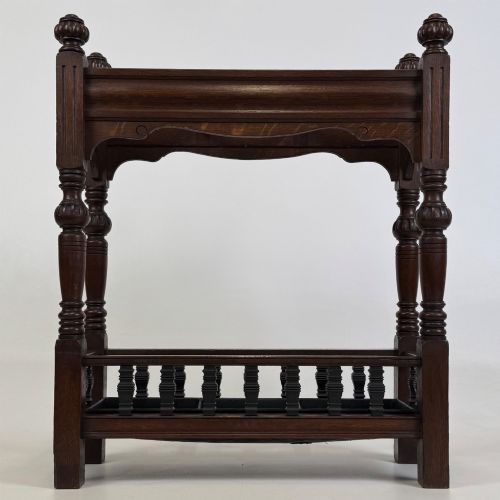
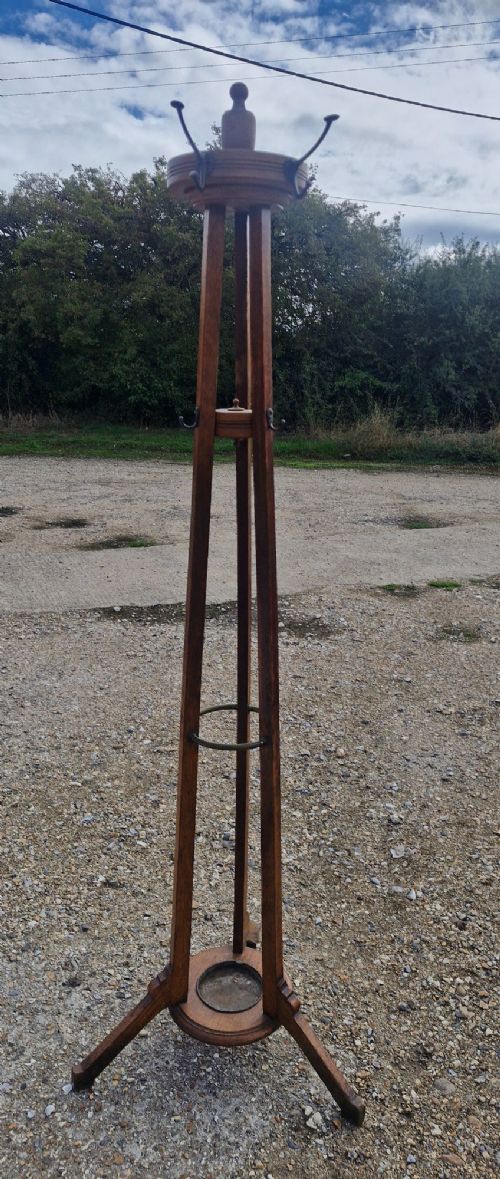
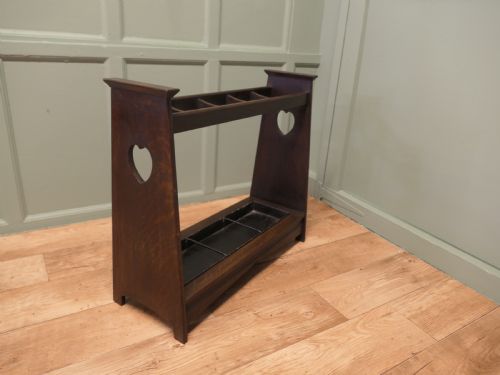

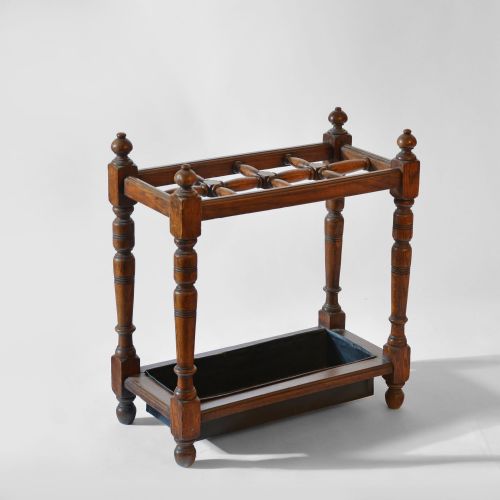
Wooden Umbrella Holder
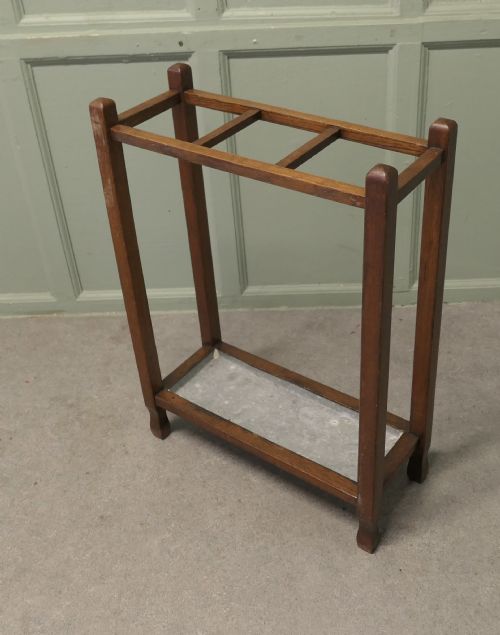
A wooden umbrella holder brings practical order to an entrance hall while showing the rich grain of oak, mahogany, or pine.
Wooden Umbrella Holder
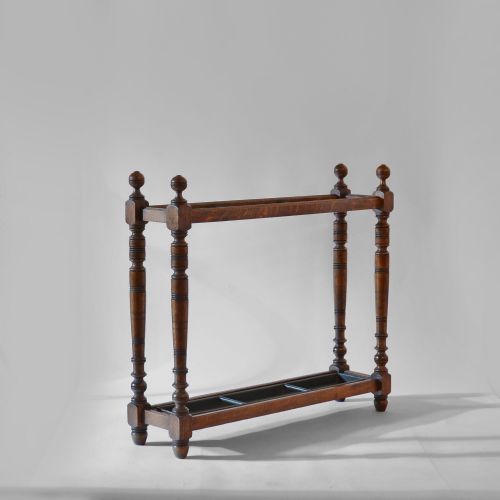
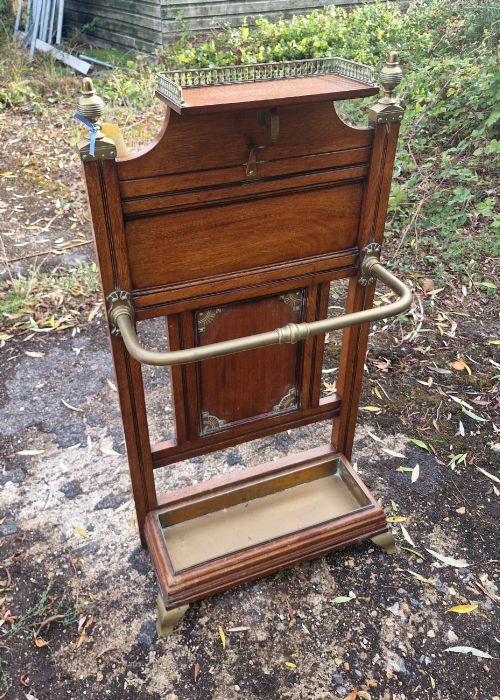
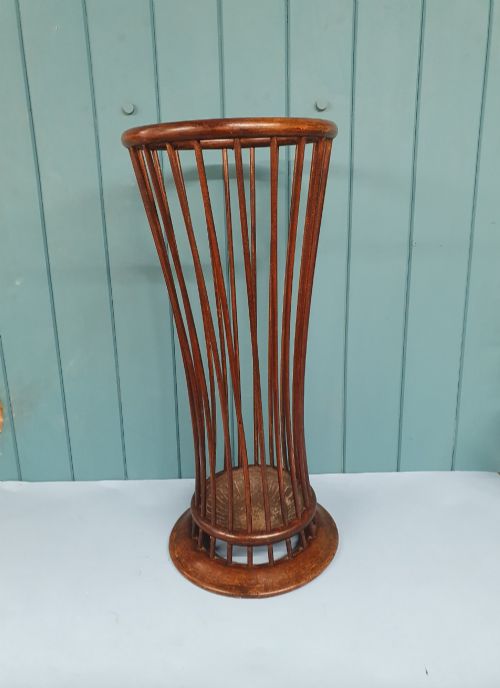
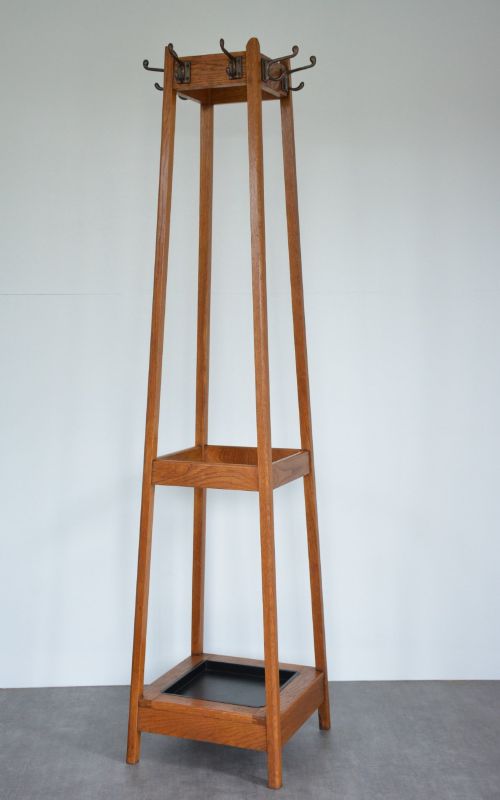
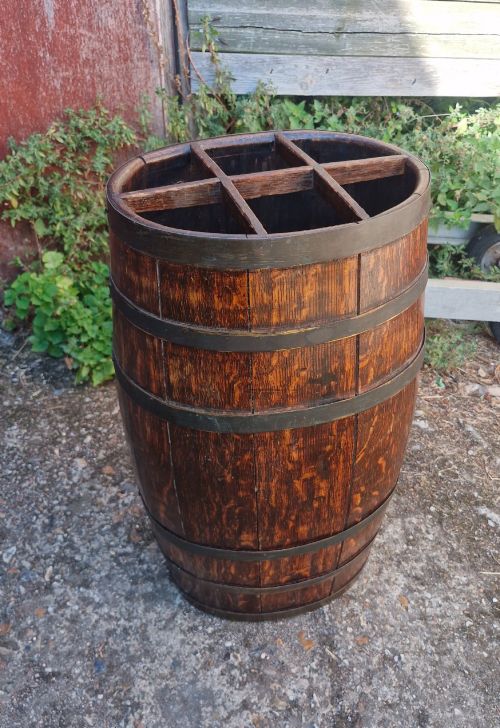
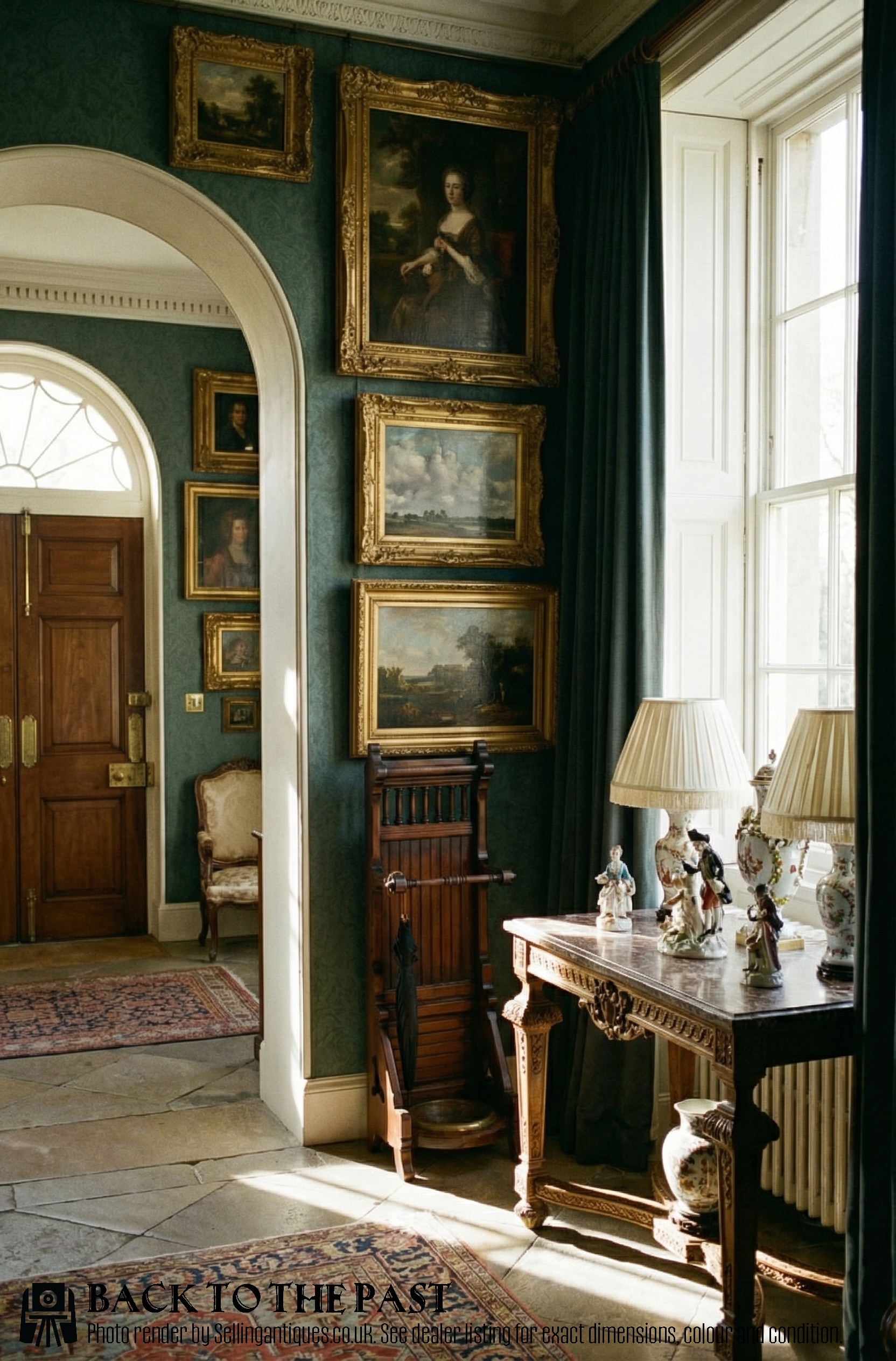
A wooden umbrella holder serves as a dedicated vessel for walking sticks and wet umbrellas in the hallway. These pieces range from simple barrel forms to elaborate hall stands combining coat hooks, mirrors, and drip trays.
Most examples encountered here date from the nineteenth century through to the Edwardian period and the early twentieth century. Buyers will find variations spanning Victorian, Arts and Crafts, Black Forest, and Aesthetic Movement styles.
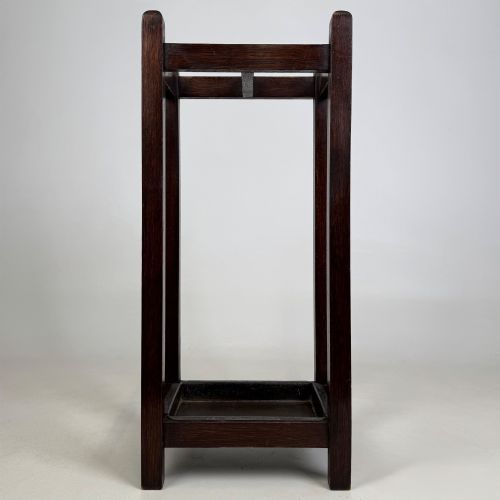
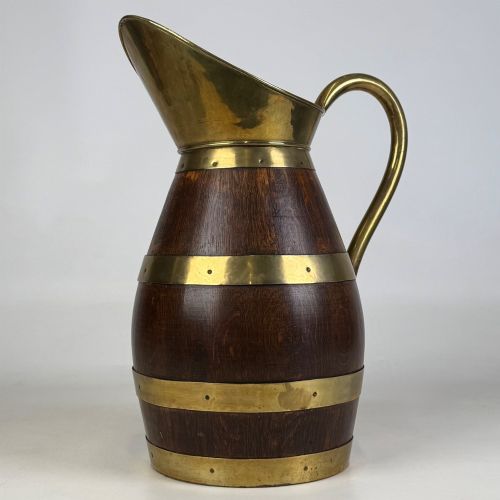
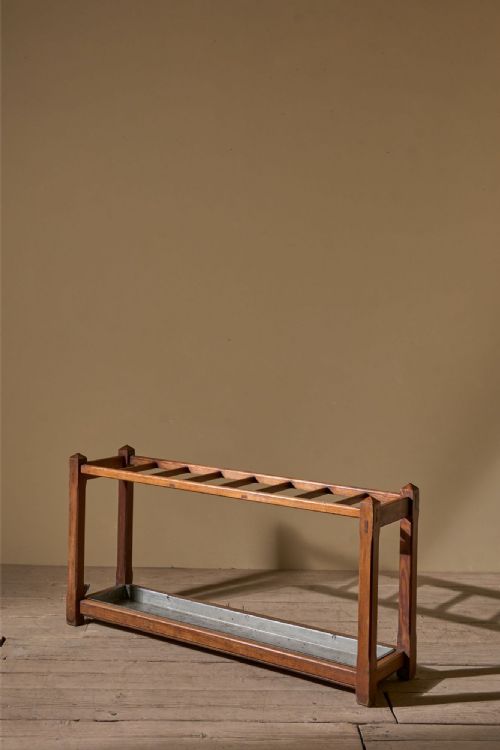
The selection includes freestanding stick stands alongside corner units and coopered barrel designs. Many integrate metal trays or brass bands to catch rainwater and protect the wooden base.
Materials and construction
Cabinetmakers relied heavily on oak, mahogany, walnut, and pitch pine to build these robust hallway pieces. Oak appears frequently, often finished with brass bindings or iron braces in the manner of traditional coopered barrels.
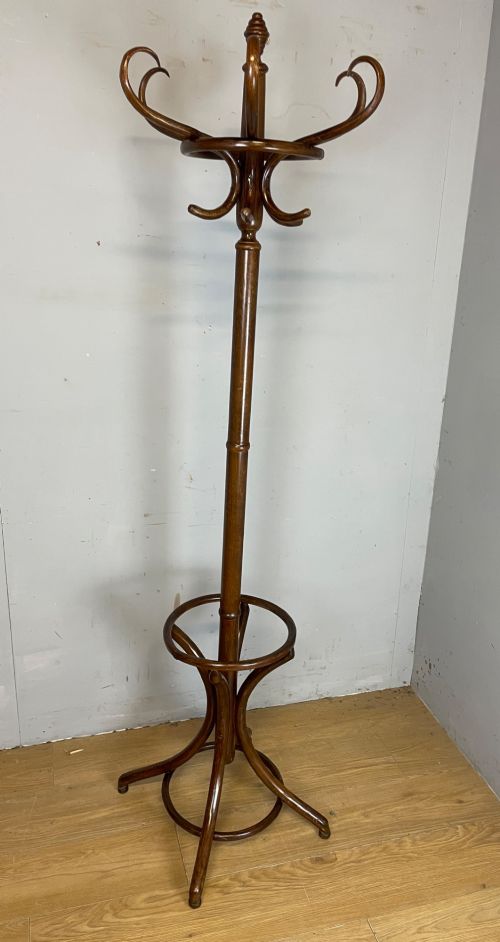
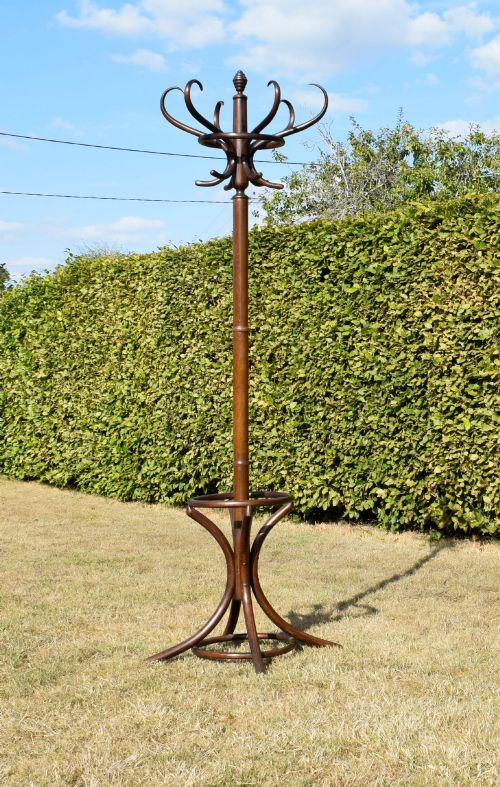
Bentwood techniques produced curved frames utilising beech, while Black Forest pieces showcase intricate carved figures such as bears. Metal components like zinc and cast iron frequently form the internal drip trays required for daily use.
Wooden Umbrella Holder Retail Price Guide 2026
Typical asking prices for wooden umbrella holder among the pieces listed under this phrase on Sellingantiques today, from the lower quarter to the upper quarter. They describe what is for sale here now, not the wider market.
Carved Black Forest bears occasionally double as loyal sentries, holding out their paws to steady your walking sticks.
Assessing the craftsmanship
Quality rests in the integrity of the timber selection and the joinery used to withstand daily moisture and weight. Superior pieces feature tightly fitted staves, hand-carved details, and robust structural framing rather than simple nailed joints.
The presence of original hardware, such as brass bands, cast iron or metal drip trays, and matching coat hooks, elevates an example. Finer specimens display thoughtful design integration, such as carved panels or distinctive stylistic flourishes from makers like Thonet and Heals.
Thonet·Heals of London·Liberty
The Wooden Umbrella Holder Glossary
- Coopered
- Constructed from wooden staves joined edge to edge and bound with metal hoops, much like a traditional barrel. This method ensured watertight integrity for holding wet umbrellas.
- Drip tray
- A removable metal basin placed at the base of the stand to catch water running off wet umbrellas. These are frequently fashioned from zinc, brass, or painted iron.
- Bentwood
- Wood softened by steam and bent into curved structural forms under pressure. This technique defined many lightweight stands produced in the late nineteenth and early twentieth centuries.
- Hall stand
- A large multifunctional piece combining an umbrella holder with a coat rack, hat hooks, and often a central mirror. They anchored the entrance of traditional period homes.
Wooden Umbrella Holder: Frequently Asked Questions
How do I protect my floor from wet umbrellas?
Most traditional stick stands include an original metal or zinc drip tray fitted inside the base to catch runoff water. Ensuring this tray is intact protects the wooden flooring beneath from moisture damage.
For pieces without a fitted basin, placing a modern shallow dish or liner inside the wooden base offers a discreet solution while preserving the interior timber.
What is the difference between a hall stand and a stick stand?
A stick stand is a compact, dedicated holder designed solely for walking sticks and umbrellas. It takes up minimal floor space in an entrance.
By contrast, a hall stand is a larger piece of furniture that integrates umbrella holders with coat hooks, hat racks, and sometimes a mirror or small glove drawer.
How do I tell an Edwardian stand from a Victorian one?
Victorian umbrella holders tend to feature heavier proportions, darker mahogany or oak timbers, and often elaborate carvings or Gothic and Aesthetic Movement influences.
Edwardian examples frequently display lighter golden oak tones, simpler Arts and Crafts lines, or bentwood construction reflecting early twentieth-century domestic design trends.
Can these stands hold heavy walking sticks safely?
Solid wood construction, sturdy brass bracing, and heavy cast iron bases make these stands remarkably stable. They easily support the weight of heavy wooden walking sticks and sturdy umbrellas.
Freestanding barrel and box designs rely on their wide bases to prevent tipping, even when loaded with multiple heavy items.