



Antique Coat Tree
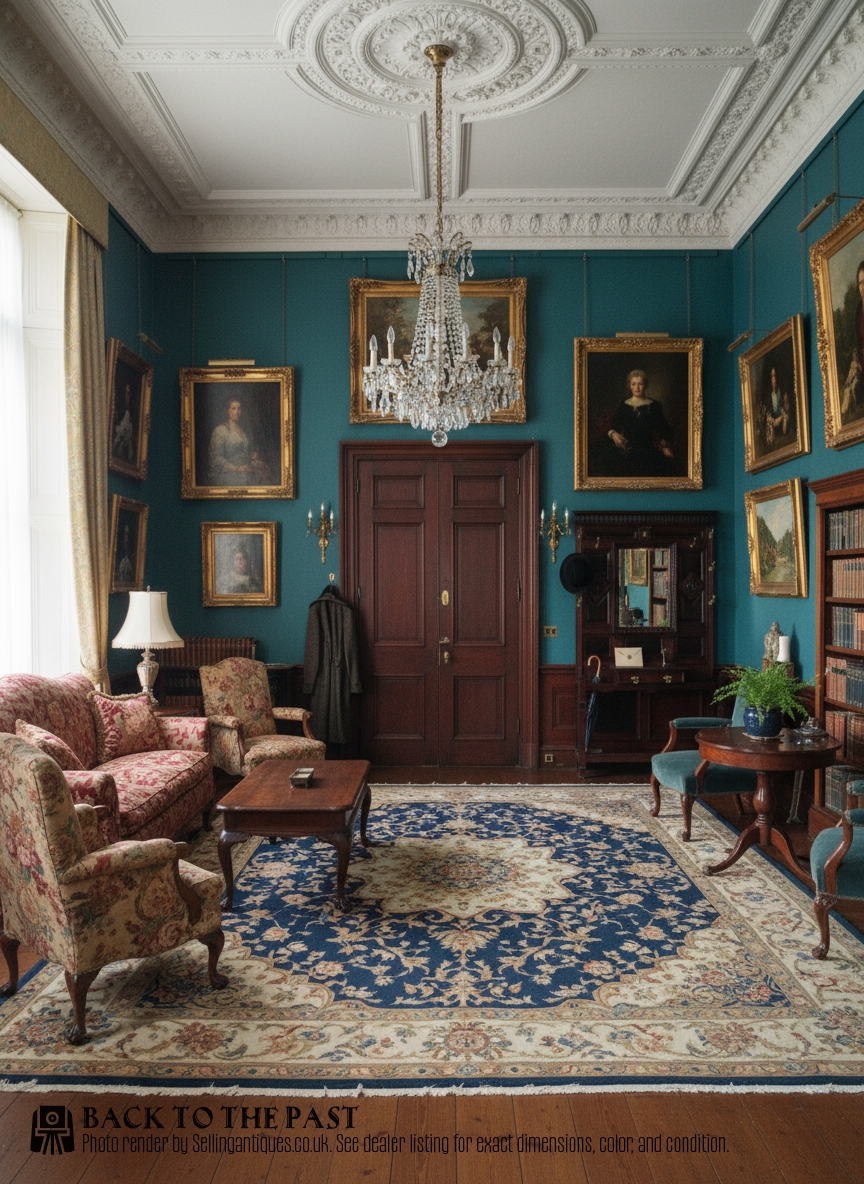
An antique coat tree organises hats, coats and sticks in a hallway while anchoring a room with period character.
Antique Coat Tree
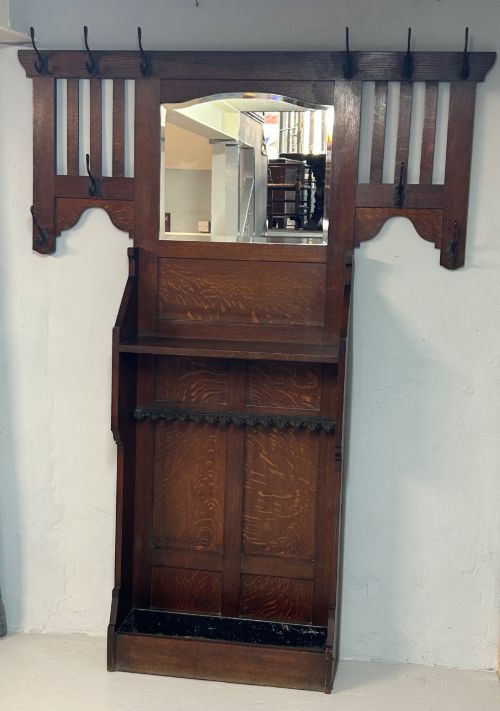
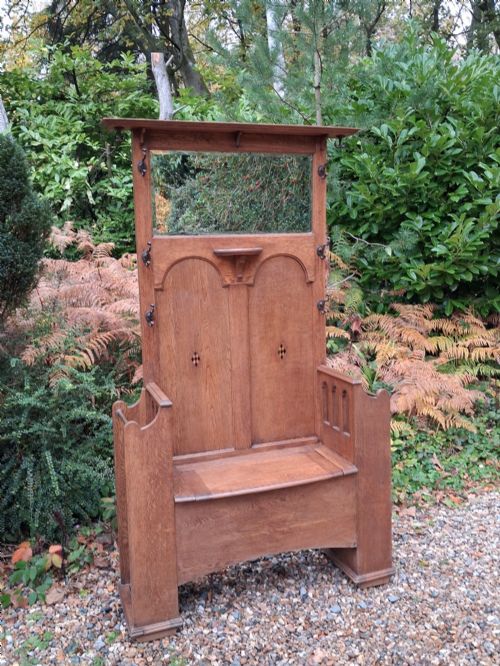
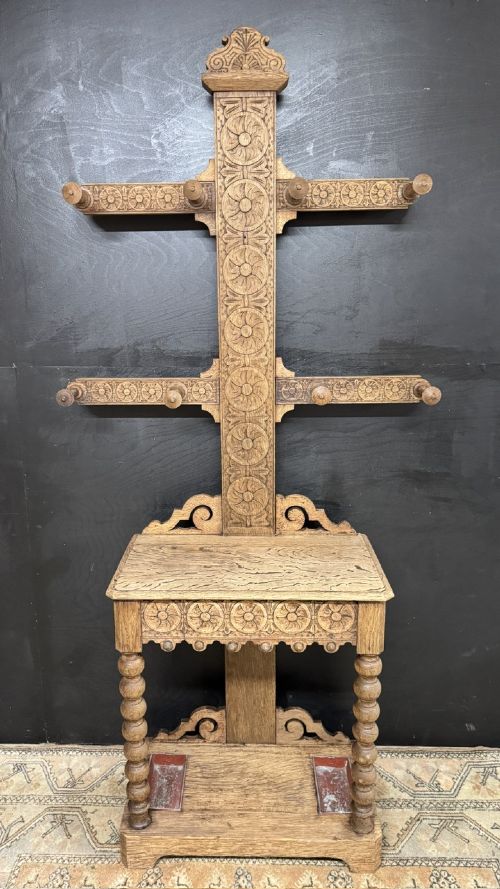
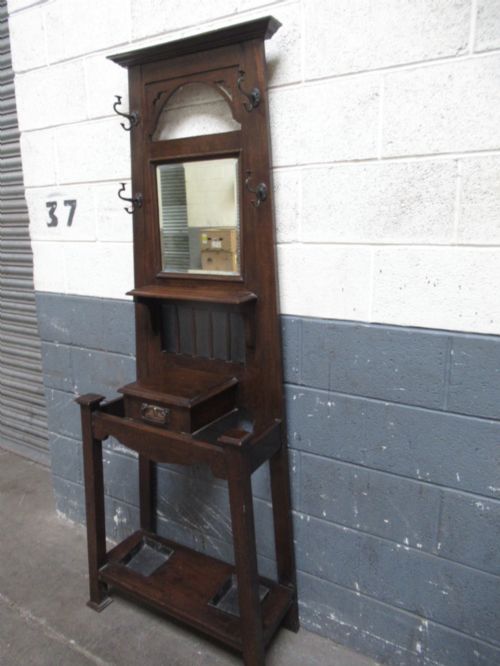
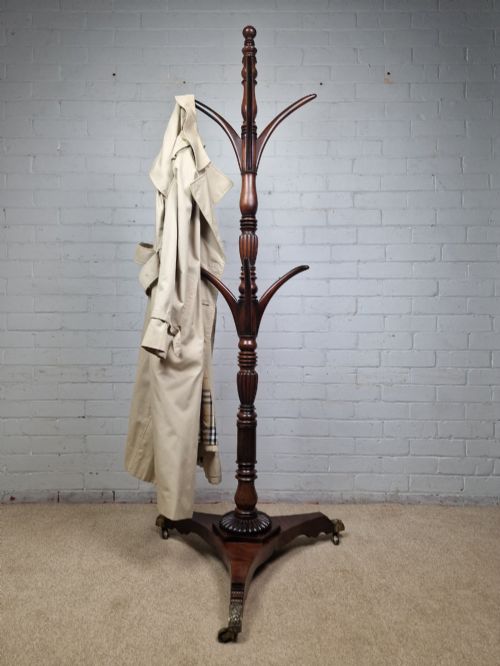
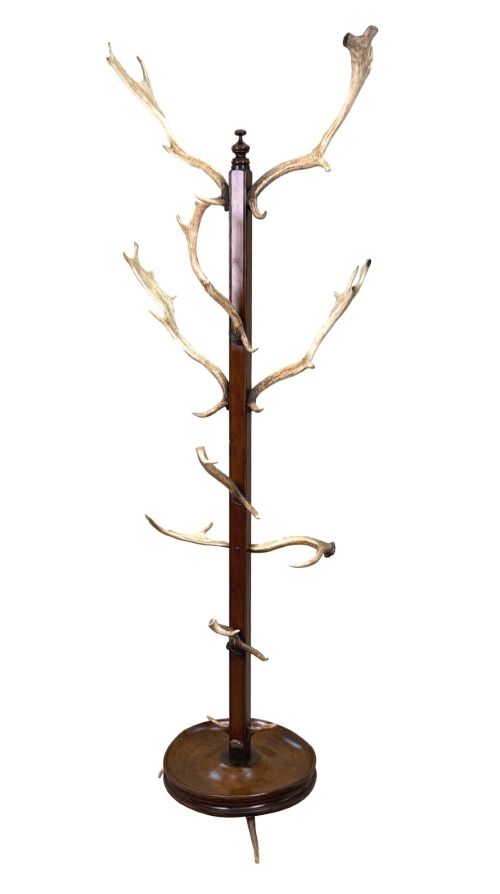
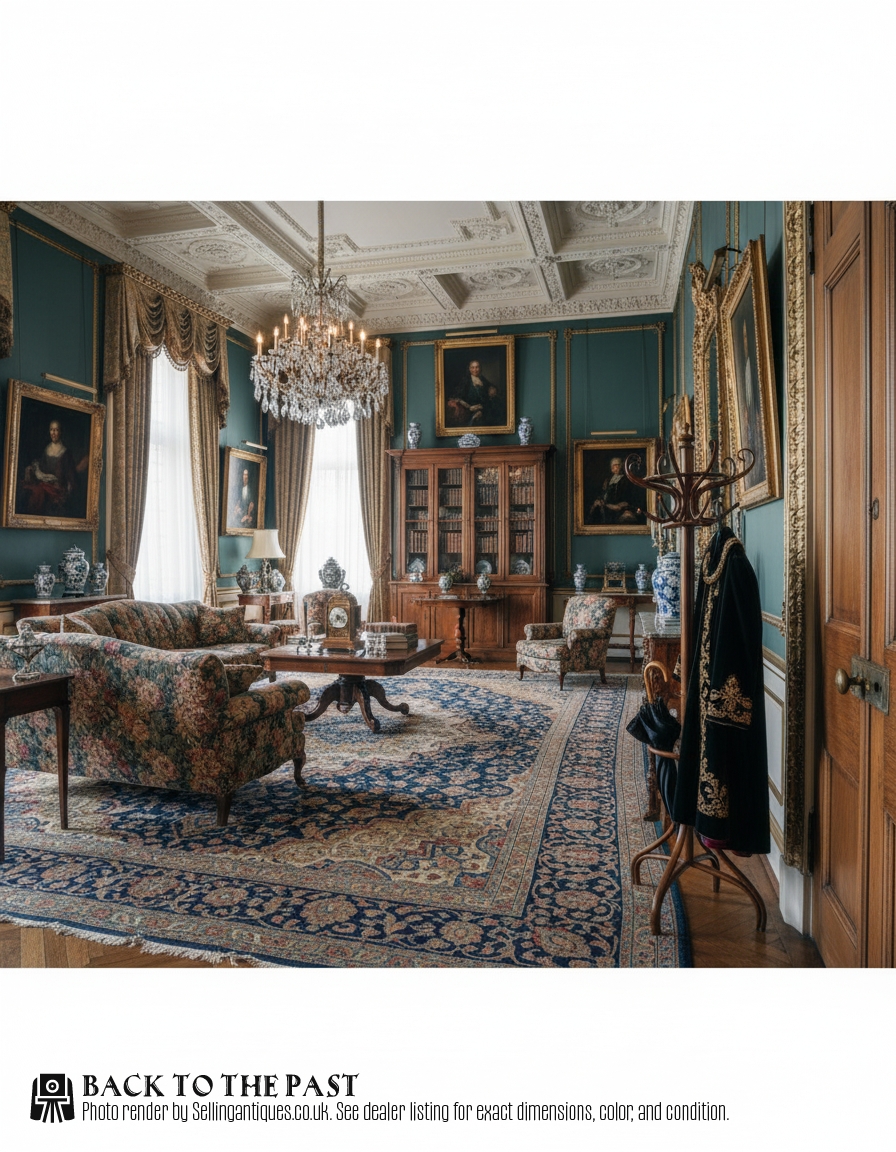
An antique coat tree groups several furniture forms together, appearing as hall stands, coat stands, hallstands, coat racks, and coat and hat stands across domestic spaces. These pieces emerge from the Victorian, Edwardian, and nineteenth-century periods, extending into the early twentieth century.
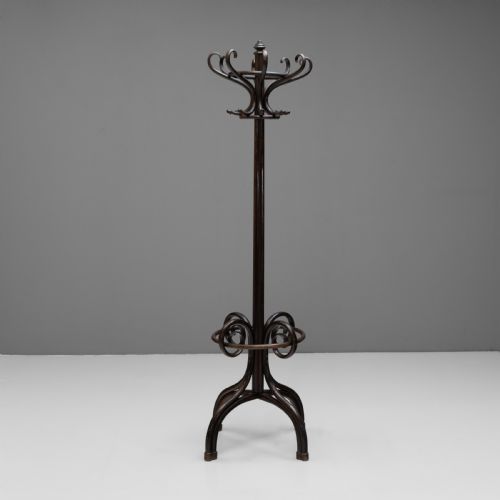
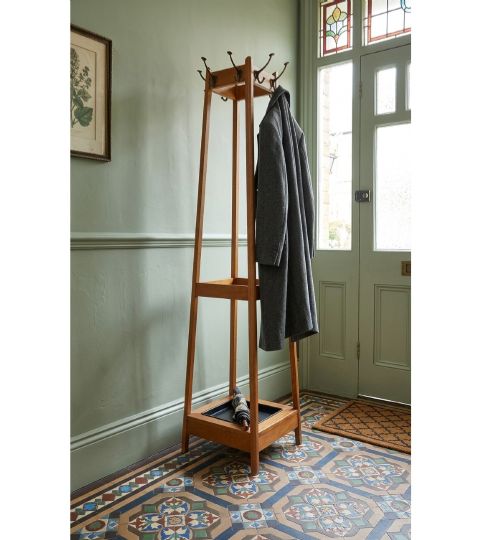
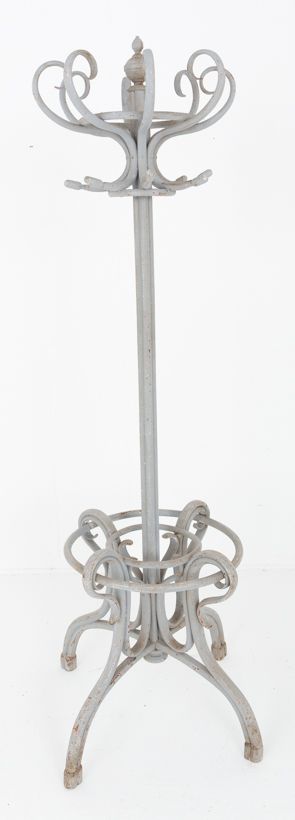
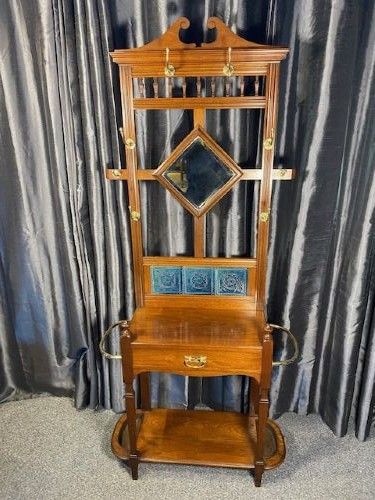
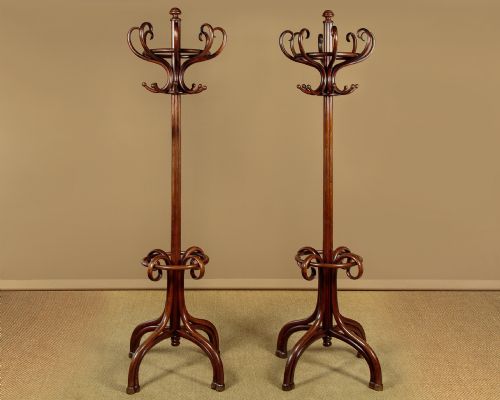
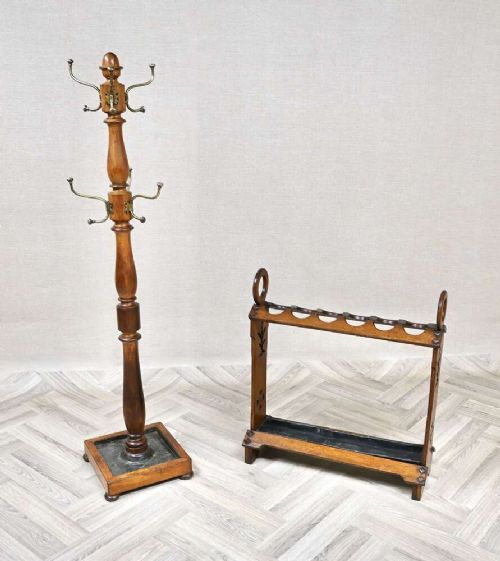
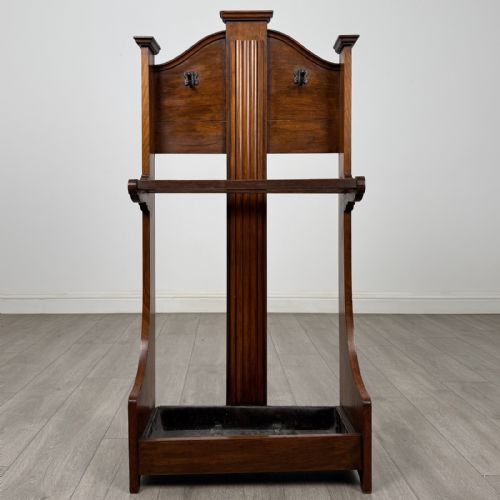
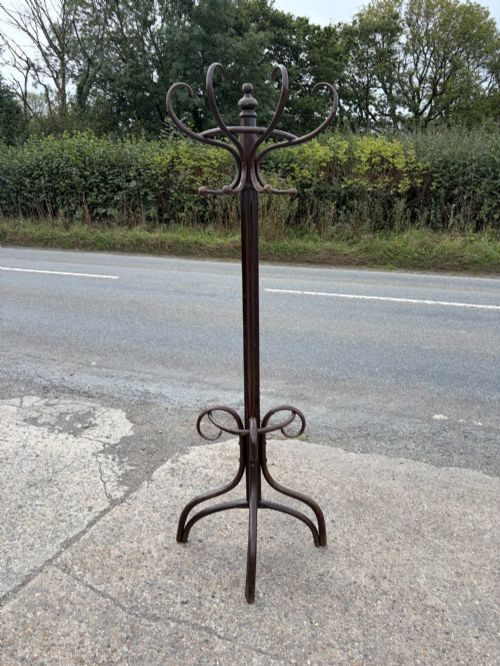
The most common version met on this page is the bentwood hat and coat stand, frequently formed in beech or beechwood. Alongside these slender shapes, buyers encounter heavy oak hall stands fitted with umbrella holders and drip trays.
Makers produced pieces in distinct styles including Arts and Crafts, Art Nouveau, Gothic Revival, and the Aesthetic Movement. Furniture ranges from compact wall-mounted racks to large multi-functional hall seat stands.
How they were made
Makers utilised steam-bent beech and beechwood to construct lightweight yet resilient curved frames for bentwood coat stands. Solid oak and mahogany provided sturdy frameworks for substantial Victorian and Edwardian hall stands.
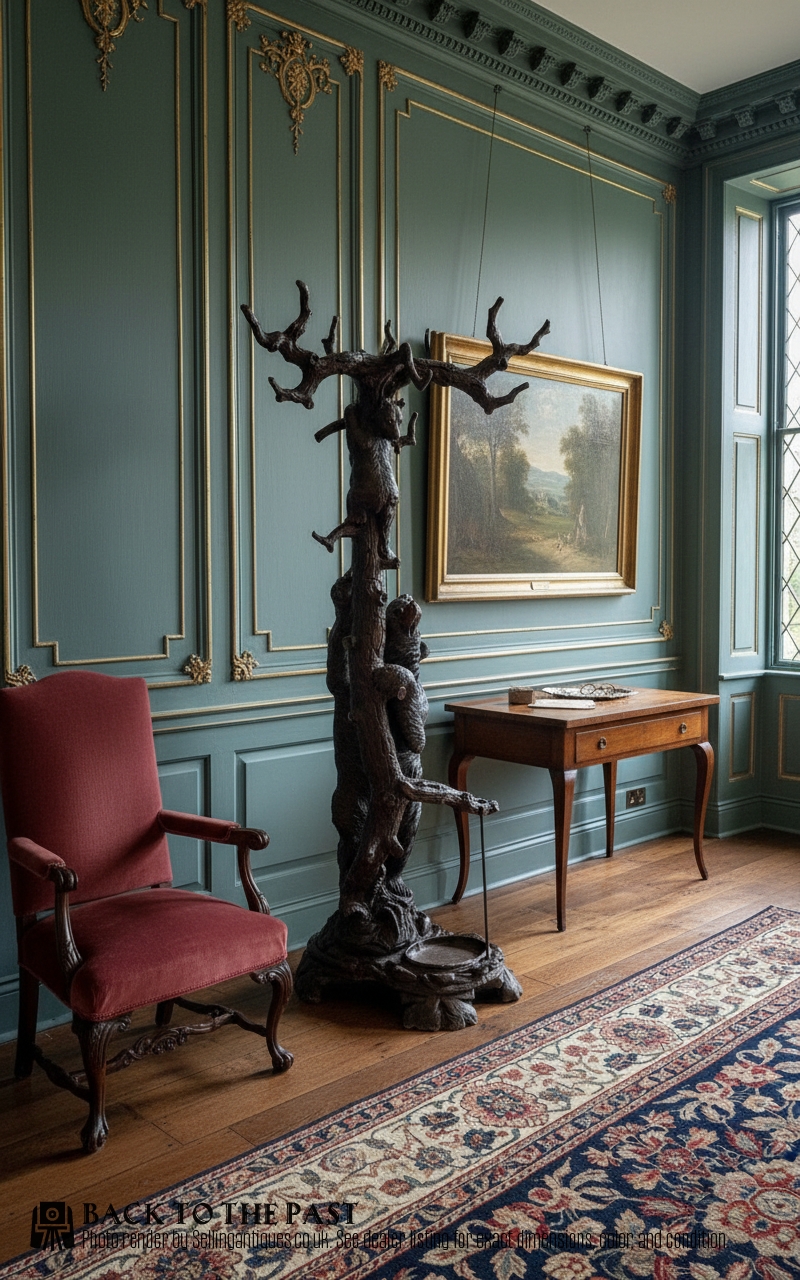
Cast iron and brass appeared in structural elements, umbrella holders, and wall-mounted brackets. Faux bamboo surfaces imitated natural cane through meticulous carving and painting upon maple and cast iron.
Antique Coat Tree Retail Price Guide 2026
Typical asking prices for coat tree among the pieces listed under this phrase on Sellingantiques today, from the lower quarter to the upper quarter. They describe what is for sale here now, not the wider market.
Object forms span compact wall racks, revolving stands, and heavy hall seat combinations.
What varies in quality
The integrity of steam-bent joints and the weight of the timber determine the structural resilience of a piece. Heavier gauge timbers and robust cast iron components indicate superior build quality over lighter derivatives.
The presence of original integrated brass drip trays, functioning umbrella rings, and matching hooks elevates an example. Finer carving work and sophisticated decorative styles such as Art Nouveau or Aesthetic Movement detailing separate standard utility items from distinguished pieces.
Thonet
The Antique Coat Tree Glossary
- Bentwood
- Wood softened by steam and bent into curved structural forms. This technique created the iconic looping frameworks of nineteenth-century coat stands.
- Hall stand
- A multi-functional hallway furnishing combining coat hooks, hat storage, umbrella compartments, and frequently a mirror or seat. These pieces welcomed visitors at the entrance of period homes.
- Drip tray
- A metal receptacle placed at the base of a coat stand to catch water from wet umbrellas. These trays protect flooring and preserve the lower wooden frame.
- Faux bamboo
- Wood or cast iron carved and painted to resemble natural bamboo stalks. This decorative finish gained popularity during the nineteenth-century Japonisme movement.
- Japonisme
- The influence of Japanese art on Western design during the late nineteenth century. This aesthetic informed the decorative motifs found on maple and bamboo-turned furnishings.
Antique Coat Tree: Frequently Asked Questions
What is an antique coat tree?
An antique coat tree is a vertical freestanding or wall-mounted furnishing designed to hold garments, hats, and umbrellas in an entrance hall. These pieces date primarily from the Victorian and Edwardian eras.
They combine practical utility with decorative woodwork, metalwork, or bentwood construction. Examples range from slender single-pole stands to large hall seats with integrated mirrors.
How were coat trees used historically?
Historically, families and visitors placed outerwear, hats, and walking sticks upon these stands immediately upon entering a home. The incorporation of drip trays allowed wet umbrellas to be stored without damaging interior floors.
Positioned in hallways, they served as both a functional drop-zone for daily wear and a formal greeting point for guests.
How do I care for antique bentwood?
Antique bentwood requires a stable indoor environment away from direct heat sources and excessive moisture. Sudden humidity changes can cause the steam-bent timber joints to strain or warp.
Dust the surface regularly with a dry cloth and apply occasional appropriate wax polish to maintain the timber's condition without softening the finish.
How do I distinguish Victorian from Edwardian stands?
Victorian coat stands typically feature heavier carved timbers, darker finishes, and ornate details associated with Gothic Revival or Aesthetic movements. They often incorporate mirrors and panelled umbrella wells.
Edwardian and later pieces tend to exhibit lighter oak construction, simpler lines, or the flowing organic curves of Art Nouveau and bentwood designs.