

Victorian Hall Tree
A victorian hall tree stands ready to hold hats, coats, and sticks the moment visitors step inside.
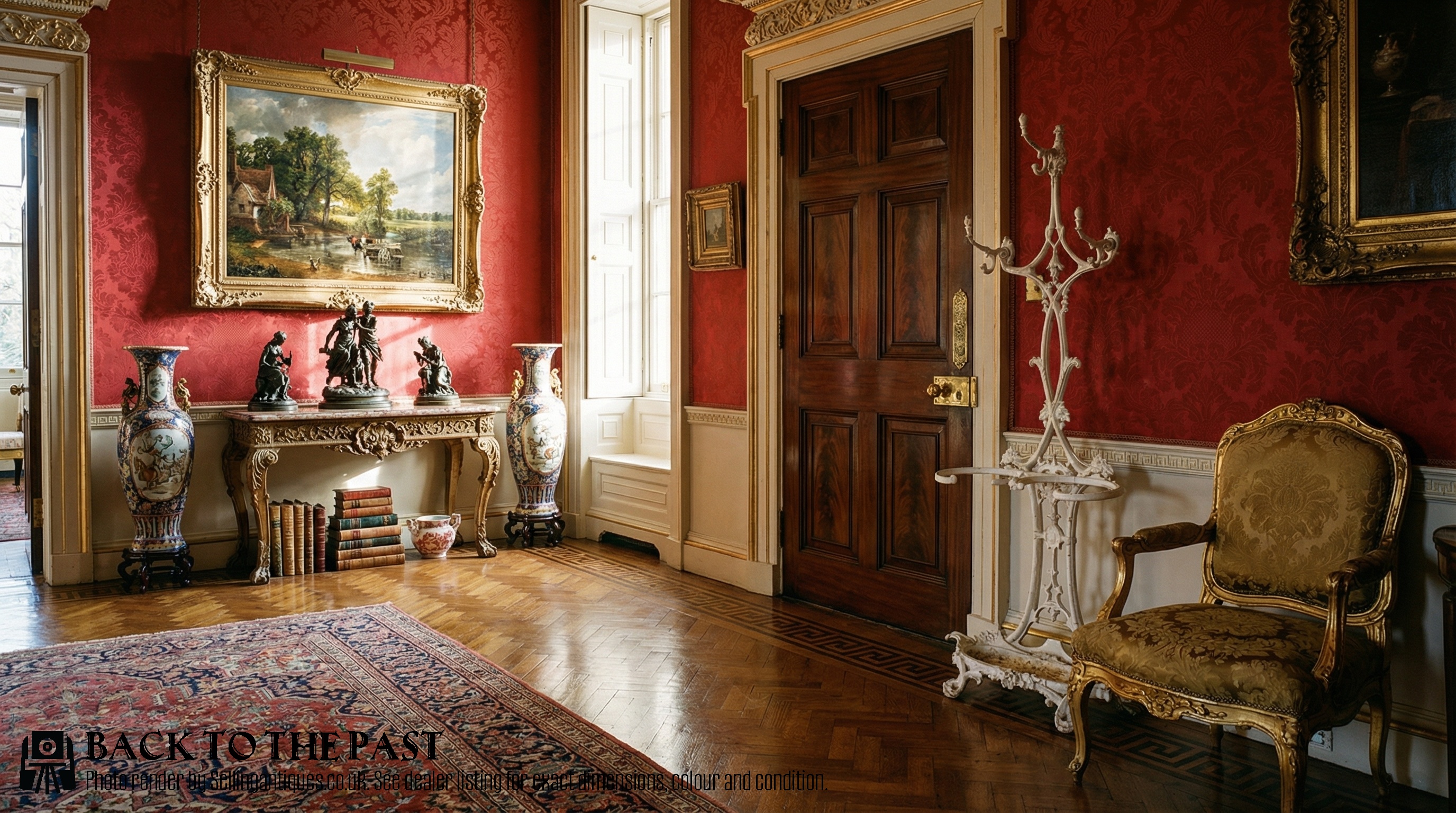
Victorian Hall Tree
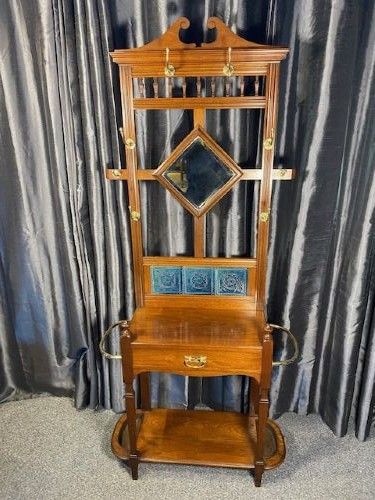
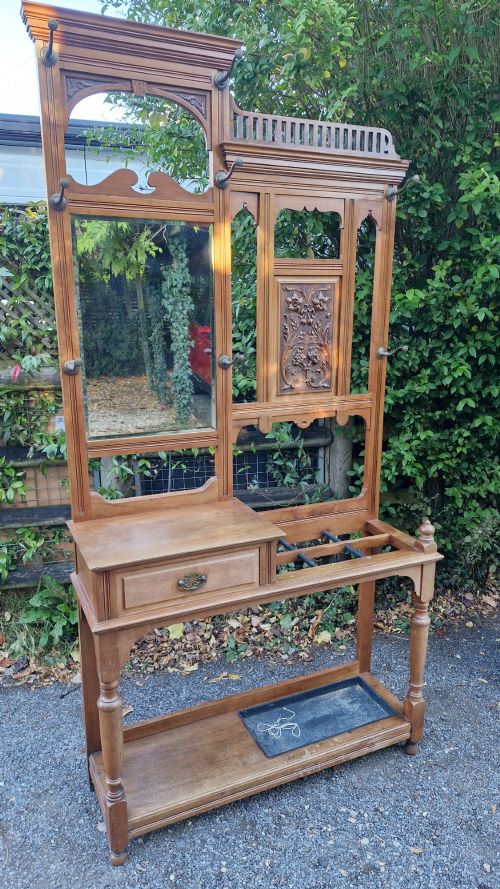
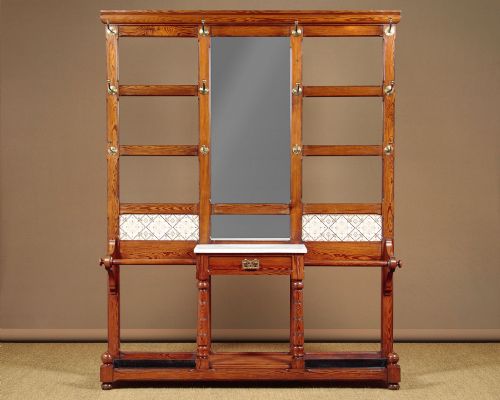
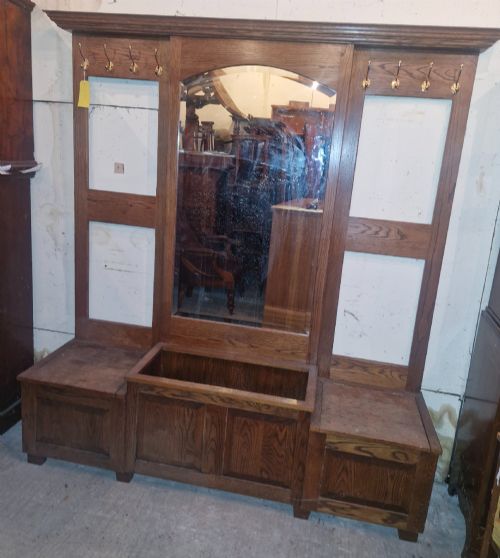
A victorian hall tree provides a dedicated station for outerwear and umbrellas within the entrance hall. These pieces combine hooks, umbrella wells, and frequently central mirrors into a single sturdy unit.
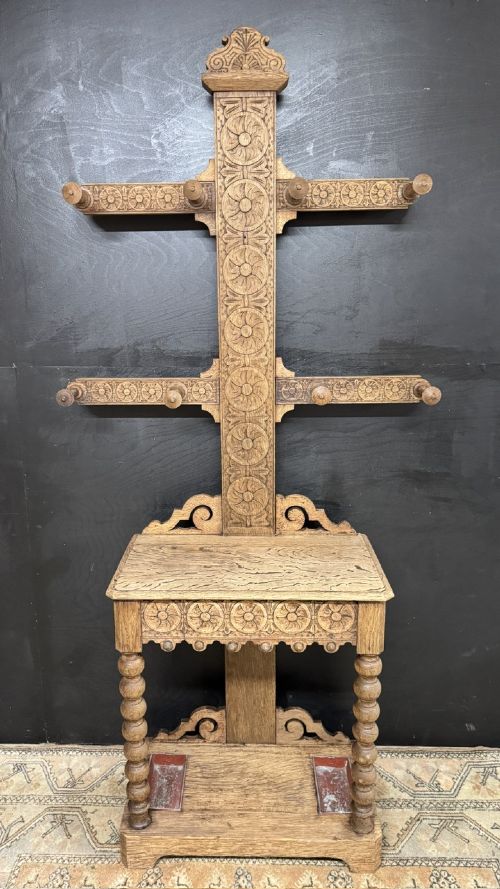
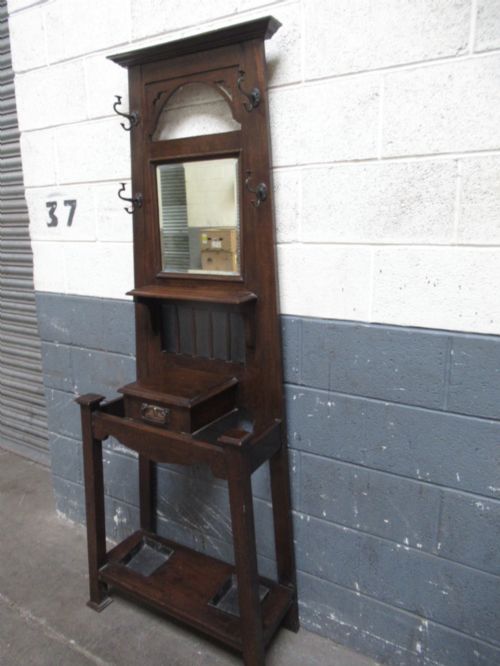
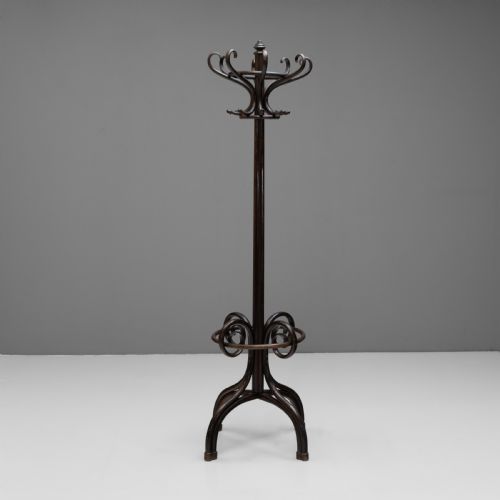
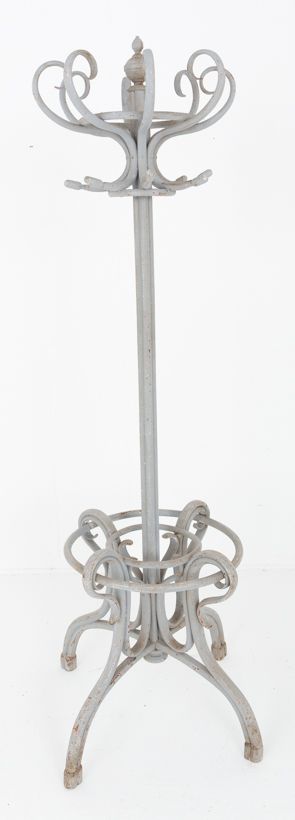
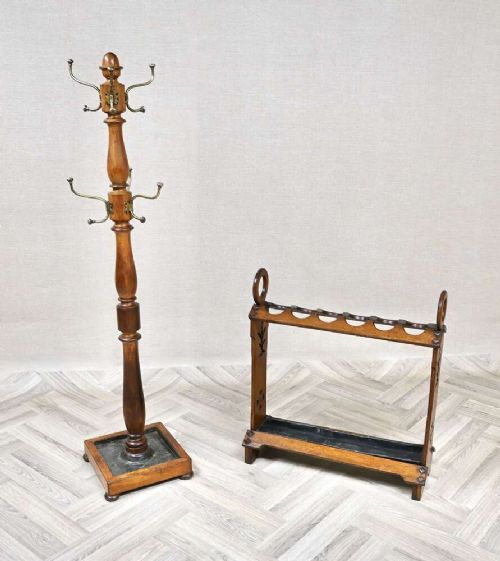
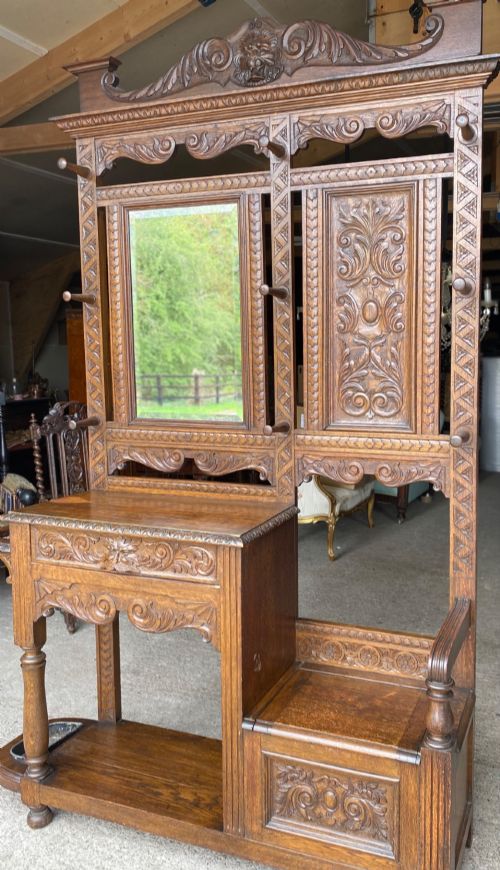
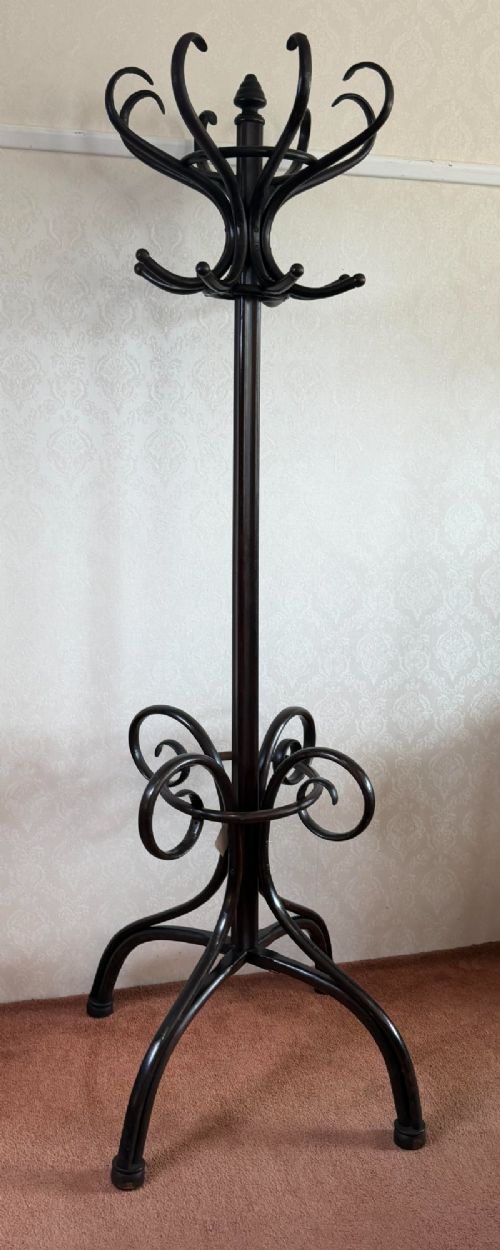
Mahogany and oak appear frequently among the surviving examples, often taking substantial vertical forms. Alternatives include lighter bentwood construction and cast iron frames.
Most pieces date from the nineteenth century, spanning Victorian and Edwardian periods with occasional aesthetic movement influences. Forms range from compact wall-mounted racks to large freestanding seats.
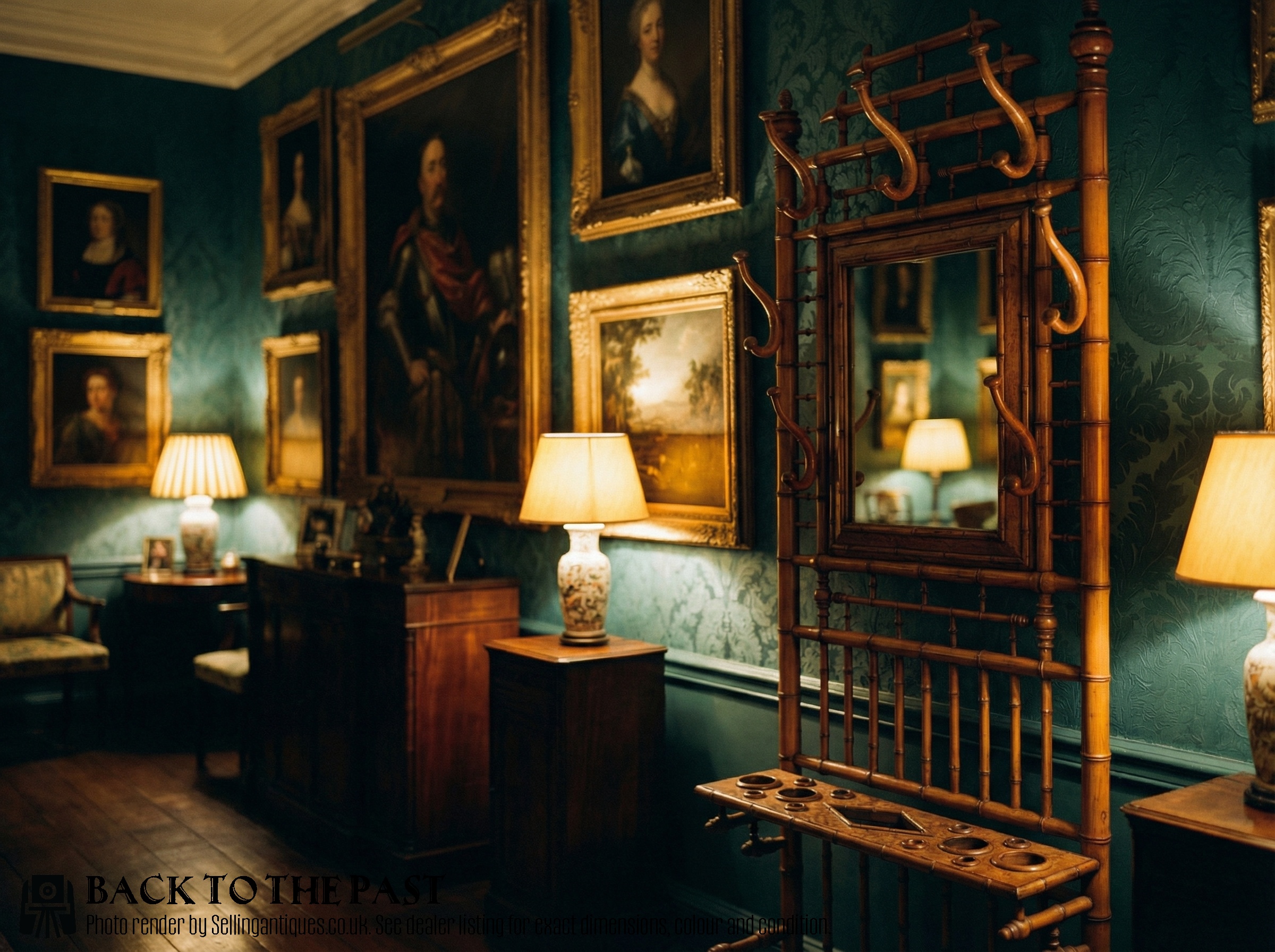
Materials and Construction
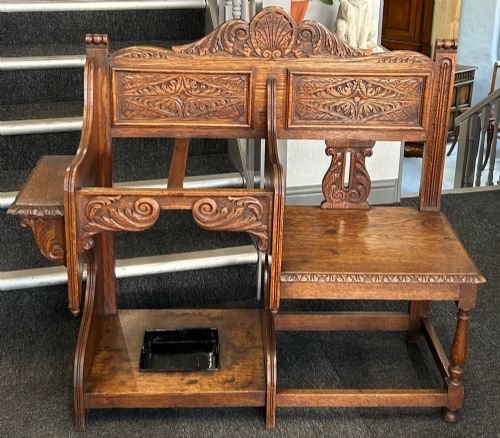
Solid hardwoods like mahogany, oak, and walnut form the primary structure of heavy timber examples, often shaped with deep carving. Bentwood items utilise steamed beech to create sweeping, curved profiles.
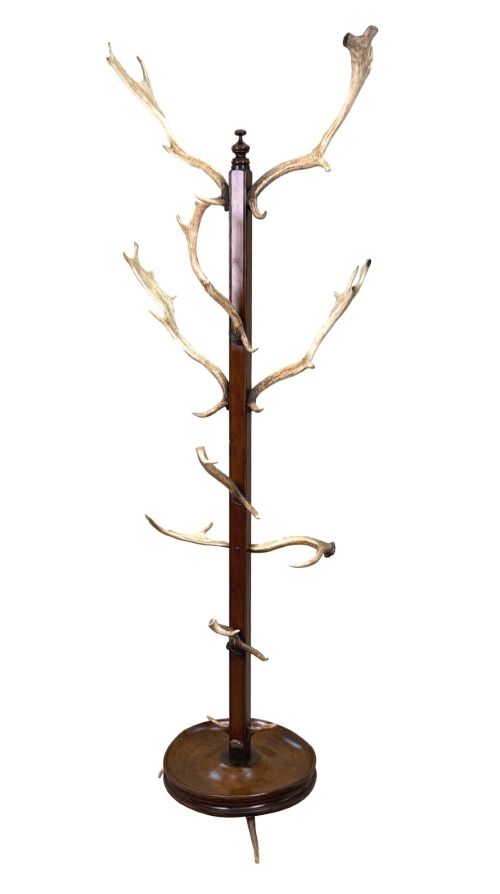
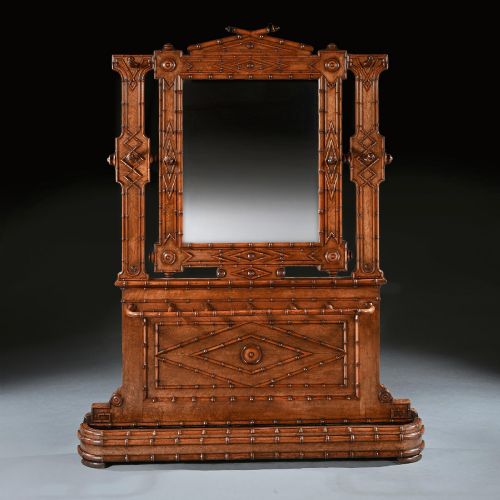
Metal components integrate into the design through brass hooks, cast iron drip pans, and structural frames. Faux bamboo effects appear alongside natural bamboo and antler in specific stylistic variants.
Victorian Hall Tree Retail Price Guide 2026
Typical asking prices for victorian hall tree among the pieces listed under this phrase on Sellingantiques today, from the lower quarter to the upper quarter. They describe what is for sale here now, not the wider market.
Carved bears stare down from towering forest timber frames.
Craftsmanship and Proportion
Superior examples display crisp carving, balanced proportions, and robust timber selection that withstands daily use. Lesser items rely on simpler assembly with minimal ornamentation.
The integration of functional elements such as drip pans, mirrored panels, and secure brass hardware distinguishes finer pieces from basic utility stands.
J. Parker of Woodstock·Jas. Shoolbred·Thonet·William Whiteley
The Victorian Hall Tree Glossary
- Hall stand
- A piece of furniture designed for entranceways to hold coats, hats, and walking sticks. It often incorporates a mirror and a seat with umbrella wells.
- Bentwood
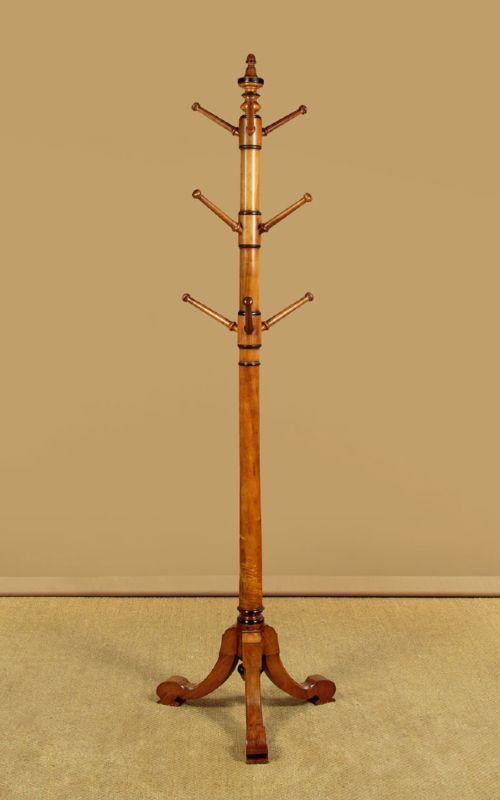
- Wood heated with steam and bent into curved shapes. This technique defines the lightweight hat and coat stands popular in the period.
- Aesthetic movement
- A late nineteenth-century design style emphasising visual beauty over narrative content. Pieces in this style often use bamboo, faux bamboo, or Japonisme motifs.
- Black forest
- A style of heavily carved wooden furniture associated with a specific European region. These pieces frequently feature carved animals such as bears.
- Gothic revival
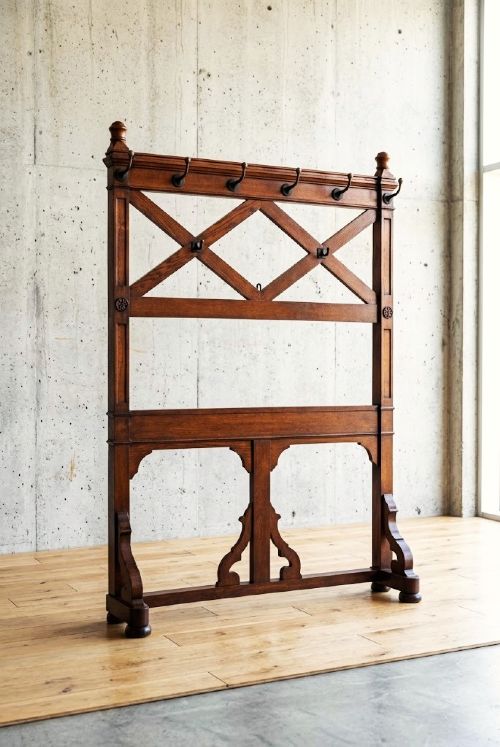
- An architectural and decorative style drawing inspiration from medieval forms. Such pieces in this category display pointed arches, tracery, and heavy carved oak.
Victorian Hall Tree: Frequently Asked Questions
What is a victorian hall tree?
A victorian hall tree is a large hallway furniture piece designed to hold coats, hats, scarves, and umbrellas. Most versions combine multiple upright timber pegs with a central mirror and lower slots for walking sticks.
Heavier examples often incorporate a built-in bench seat with a concealed storage compartment beneath the lid. These items served as the primary greeting point for visitors in nineteenth-century homes.
How were they used in houses?
These stands occupied the entrance passage or hallway where residents and guests first entered the home. People placed wet umbrellas into metal drip pans and hung damp overcoats on the wooden pegs immediately upon arrival.
The central mirror allowed individuals to check their appearance before opening the door to visitors. Hat hooks kept headwear secure and out of the way until it was time to depart again.
Where should I place one?
A victorian hall tree requires adequate floor space and a solid wall for stability, making large entrance halls or wide corridors ideal locations. Because many designs incorporate tall vertical frames and projecting hooks, positioning them away from narrow thoroughfares prevents accidental bumps.
Ensuring sufficient clearance allows doors and umbrella wells to function properly without obstructing daily movement through the space.
How do I date these pieces?
Dating relies on observing the prevailing timber choices, carving styles, and construction methods used across different decades. Mid-nineteenth-century examples frequently feature heavy mahogany or Gothic revival oak, whereas later decades introduced lighter bentwood, bamboo, and aesthetic movement designs.
Hardware details, such as brass hooks and cast iron components, also help narrow down the period of manufacture alongside maker marks where present.