

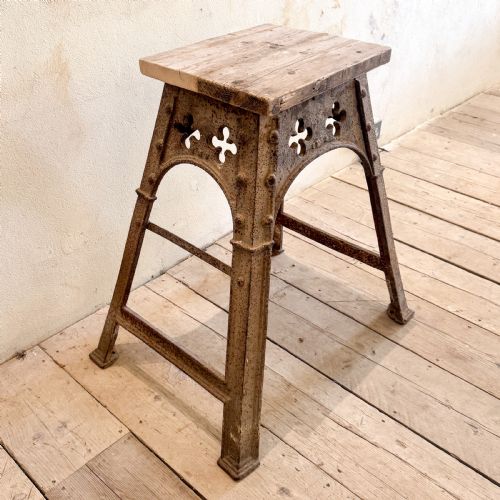
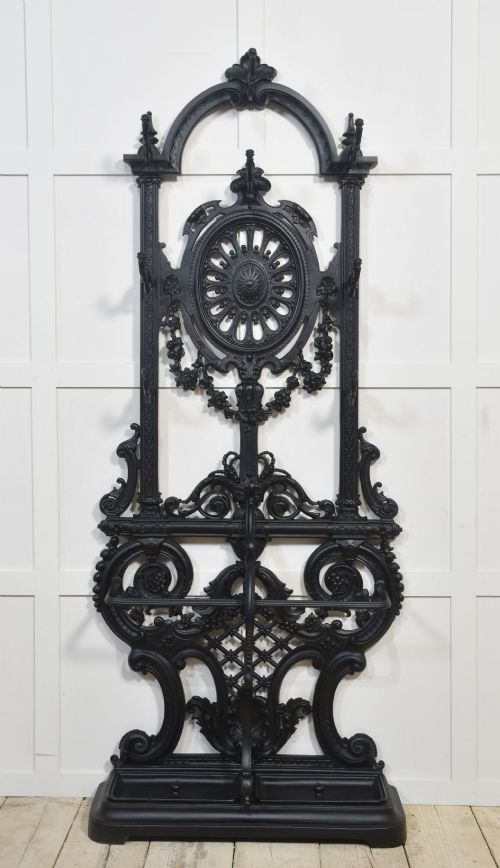


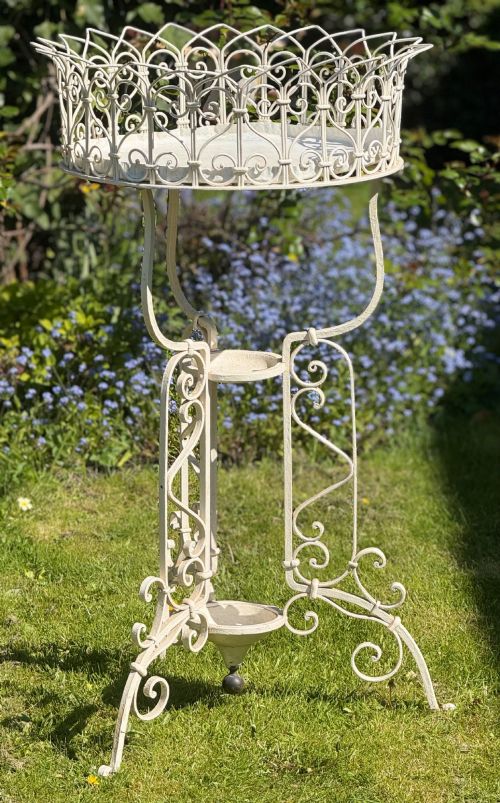


Gothic Cast Iron Stand
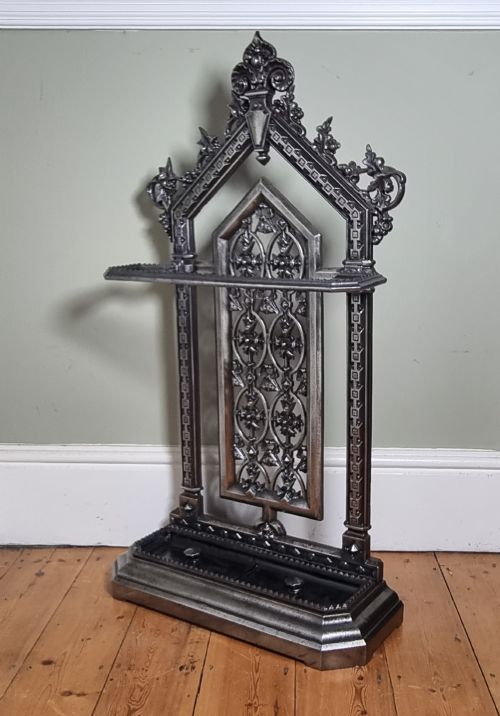
A gothic cast iron stand brings robust architectural authority to an entrance hall, designed to hold heavy wet umbrellas and walking sticks without tipping.
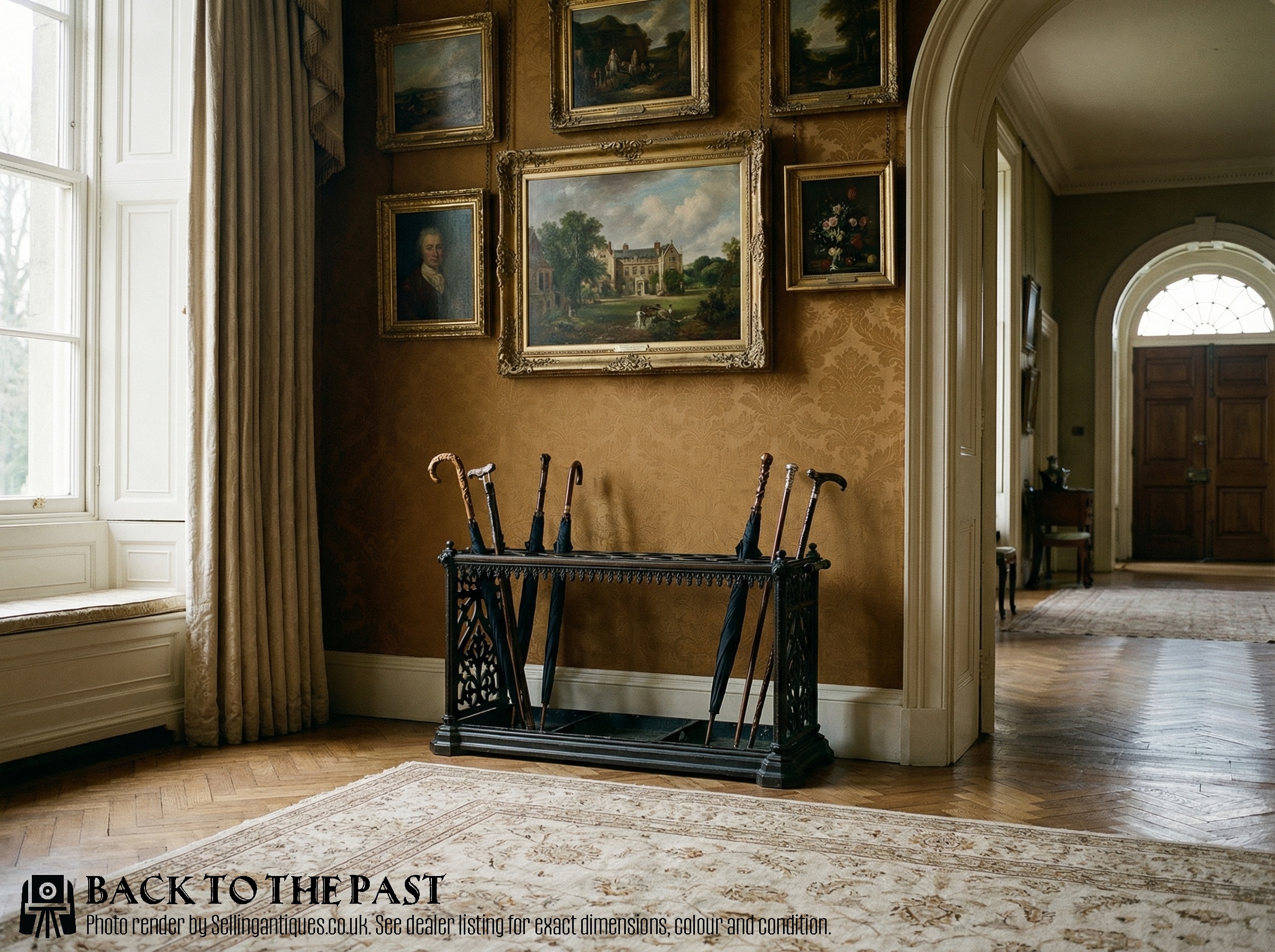
Gothic Cast Iron Stand
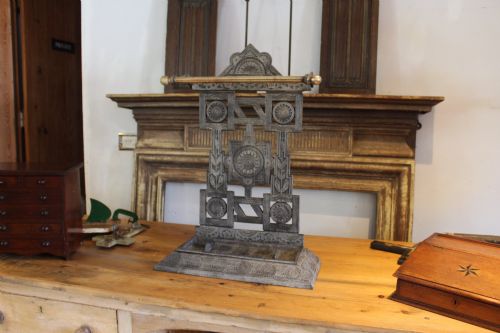
A gothic cast iron stand is primarily found in forms such as umbrella stands, stick stands, and hall stands originating from the Victorian period. These pieces draw heavily upon Gothic Revival and Aesthetic Movement design principles, utilising pointed arch motifs, trefoils, and structural tracery rendered in heavy metal.
The version most commonly met on this page is the nineteenth-century stick or umbrella stand, often featuring drip trays and compartmentalised ring tops. Alongside these, buyers will discover plant stands, jardinieres, and companion sets sharing the same dark, industrial metal aesthetic.
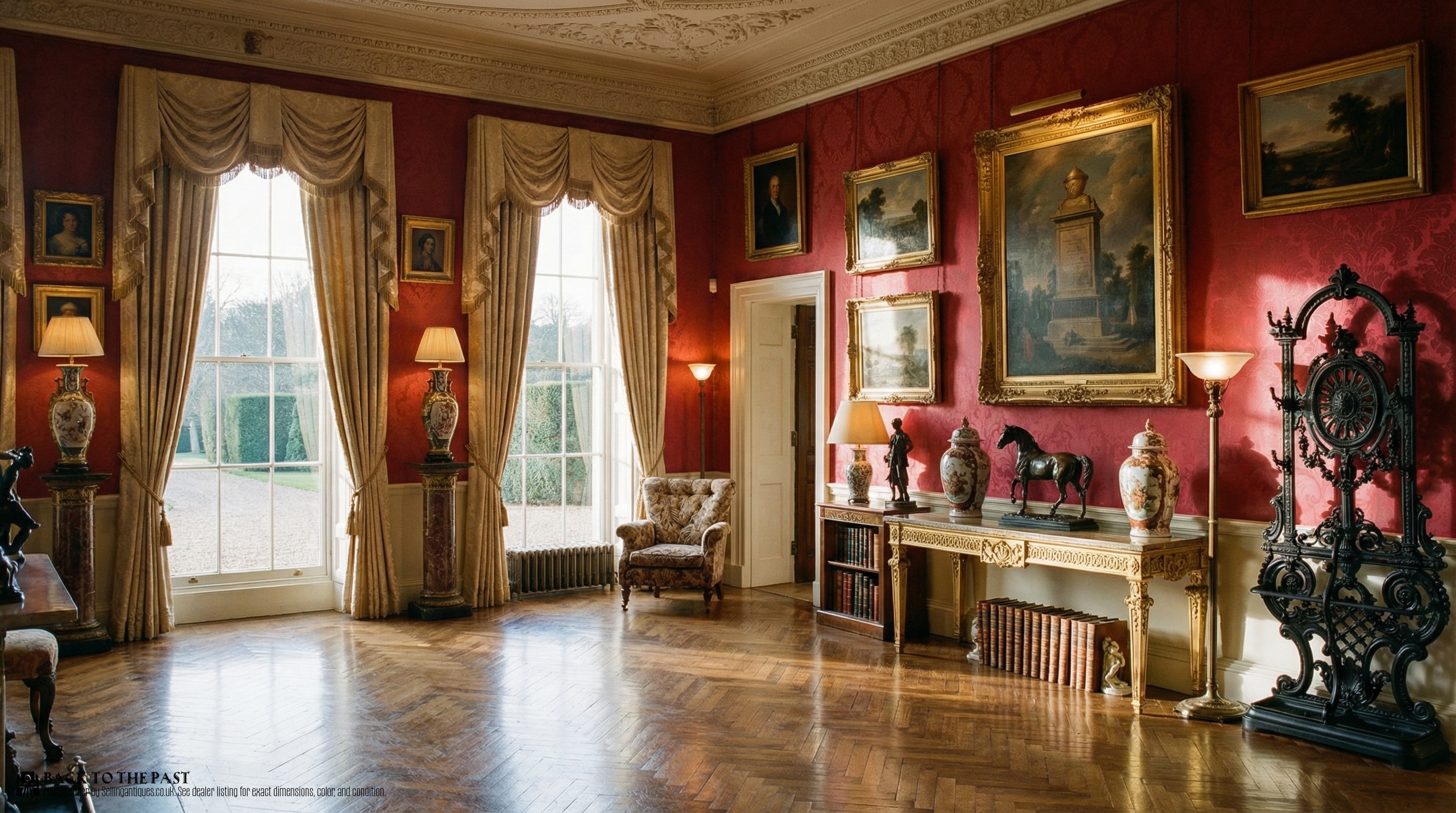
How they were made
These stands were produced using molten metal poured into sand moulds, a method that allowed foundries to achieve intricate openwork patterns like quatrefoils and clustered columns. Cast iron provided the necessary weight and durability, whilst secondary components such as brass rails, copper finishes, and painted surfaces added contrast.
Many examples incorporate removable metal or ceramic drip pans at the base to catch water from wet sticks. Individual castings were bolted together or formed as single rigid frames, occasionally accompanied by date stamps or maker marks impressed directly into the iron.
Gothic Cast Iron Stand Retail Price Guide 2026
Typical asking prices for gothic cast iron stand among the pieces listed under this phrase on Sellingantiques today, from the lower quarter to the upper quarter. They describe what is for sale here now, not the wider market.
The archive includes gothic plant stands, hall stands, and umbrella racks featuring up to thirty-six ring holders.
What varies in quality
Quality in a gothic cast iron stand is determined by the crispness of the casting detail and the complexity of the architectural tracery. Finer examples display sharp, deep mouldings that do not blur, whereas lesser pieces exhibit smoothed-over details from worn production moulds.
The integrity of the ironwork and the retention of original structural elements, such as bolt fixings and internal dividing rings, distinguish superior workshop output. The presence of identifiable foundry attributions or date stamps further elevates the standing of a piece.
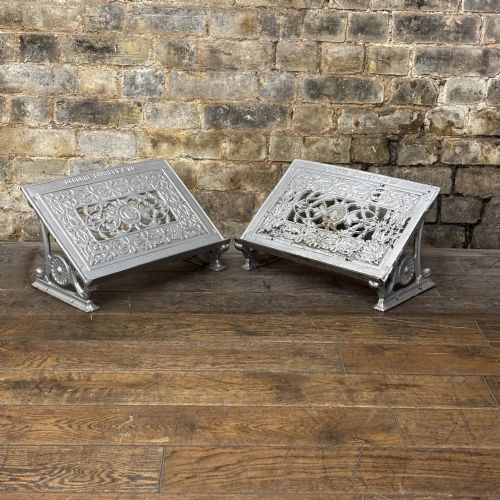
Thomas Jeckyll·Osborne Garrett And Co·Falkirk Foundry·Coalbrookdale
The Gothic Cast Iron Stand Glossary
- Gothic Revival
- An architectural and decorative style popular during the nineteenth century that revived medieval forms such as pointed arches and trefoils. This aesthetic heavily influenced the ornamentation found on heavy metal hall furniture.
- Cast Iron
- An iron-carbon alloy poured into moulds to create rigid, heavy objects with high compressive strength. It formed the primary material base for nineteenth-century umbrella and plant stands.
- Drip Pan
- A shallow tray placed at the base of a stand to catch water running off wet umbrellas and walking sticks. These were manufactured from metal and are essential original components.
- Aesthetic Movement
- A late nineteenth-century design current that emphasised visual beauty over narrative or moral function. Pieces from this movement often display refined geometric or stylized plant motifs.
- Jardinieres
- Ornamental stands or containers designed to hold potted plants and flowers. In ironwork, these frequently adopted the structural openwork and dark finishes typical of gothic hall pieces.
Gothic Cast Iron Stand: Frequently Asked Questions
Were these stands only used for umbrellas?
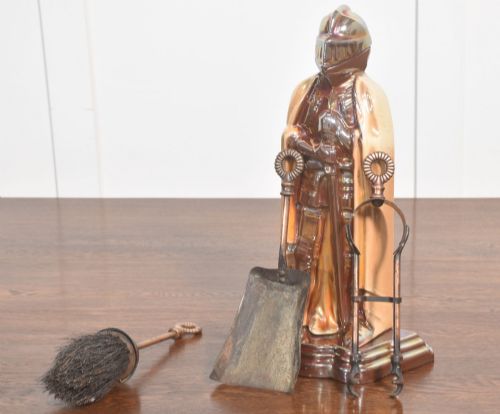
Whilst primarily designed for walking sticks and umbrellas in Victorian hallways, the sturdy construction suited various domestic functions. Some examples served as plant stands, jardinieres, or hearth tool rests.
The interchangeable nature of nineteenth-century metal furnishings meant many frames accommodated multiple household accessories simultaneously.
How do I spot a reproduction?
Examine the sharpness of the casting and the texture of the metal surfaces for modern machine smoothing. Genuine nineteenth-century pieces display heavier weight, period-appropriate fixings, and natural wear patterns.
Check the underside and interior joints for signs of age, oxidation, and traditional bolt construction rather than modern welding.
Are these pieces suitable for modern hallways?
The narrow footprint and vertical design make them ideal for contemporary entrance spaces requiring practical umbrella storage. Their robust weight ensures stability even when holding heavy walking poles.
The dark industrial metal provides a strong architectural contrast against plain modern interior walls.