


19th Century Stick Stand
A 19th century stick stand brings practical organisation and heavy metal or timber presence to a hallway, keeping wet weather gear contained in period style.
19th Century Stick Stand
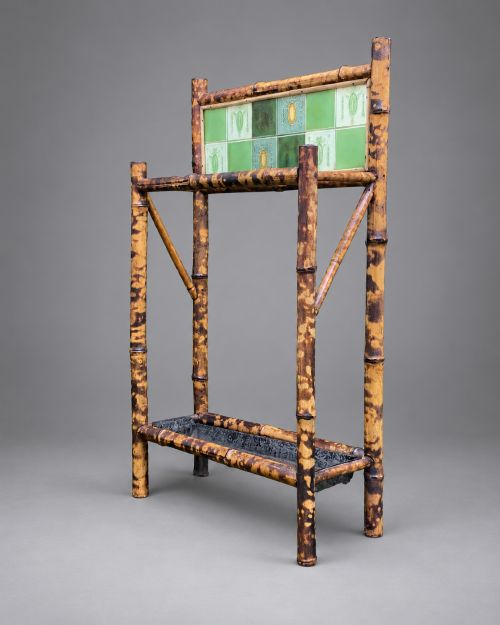
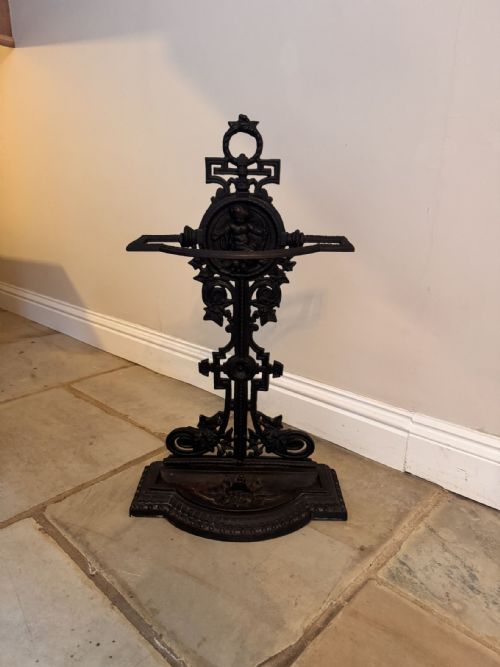
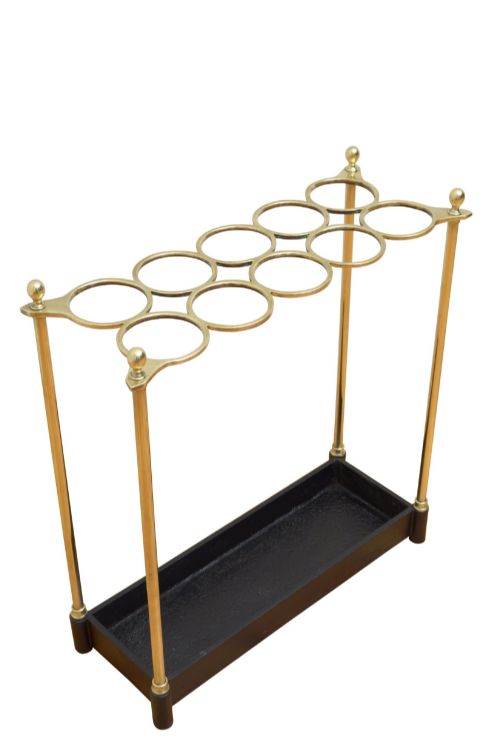
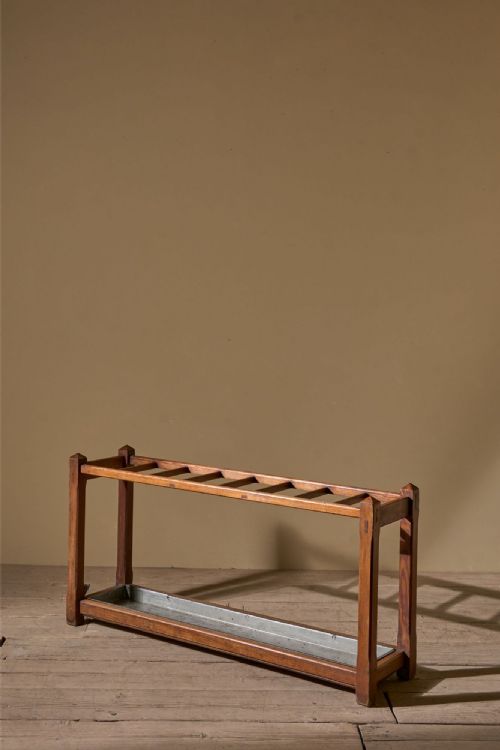
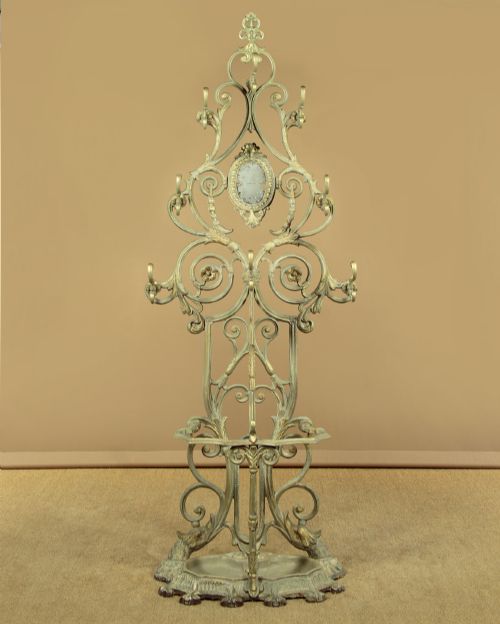
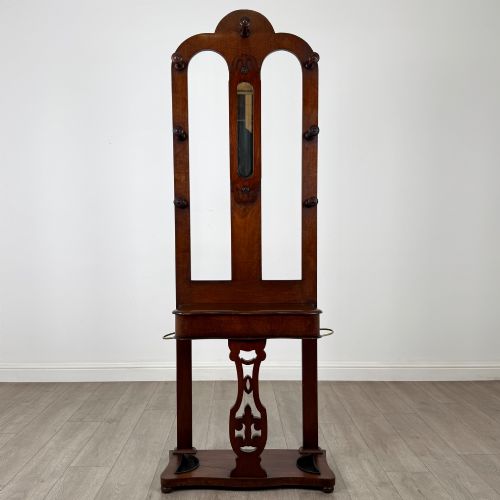
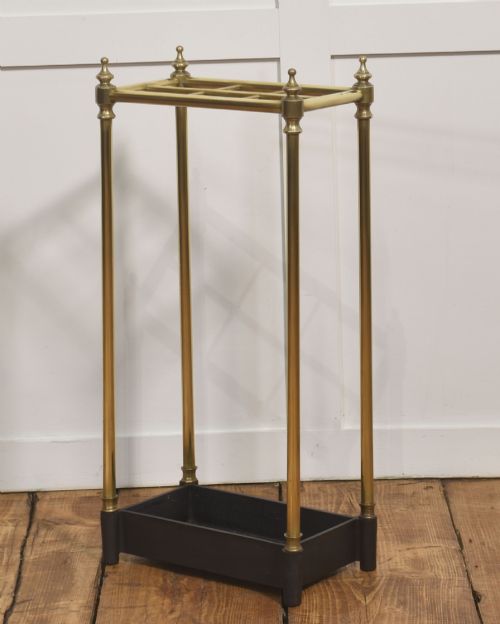
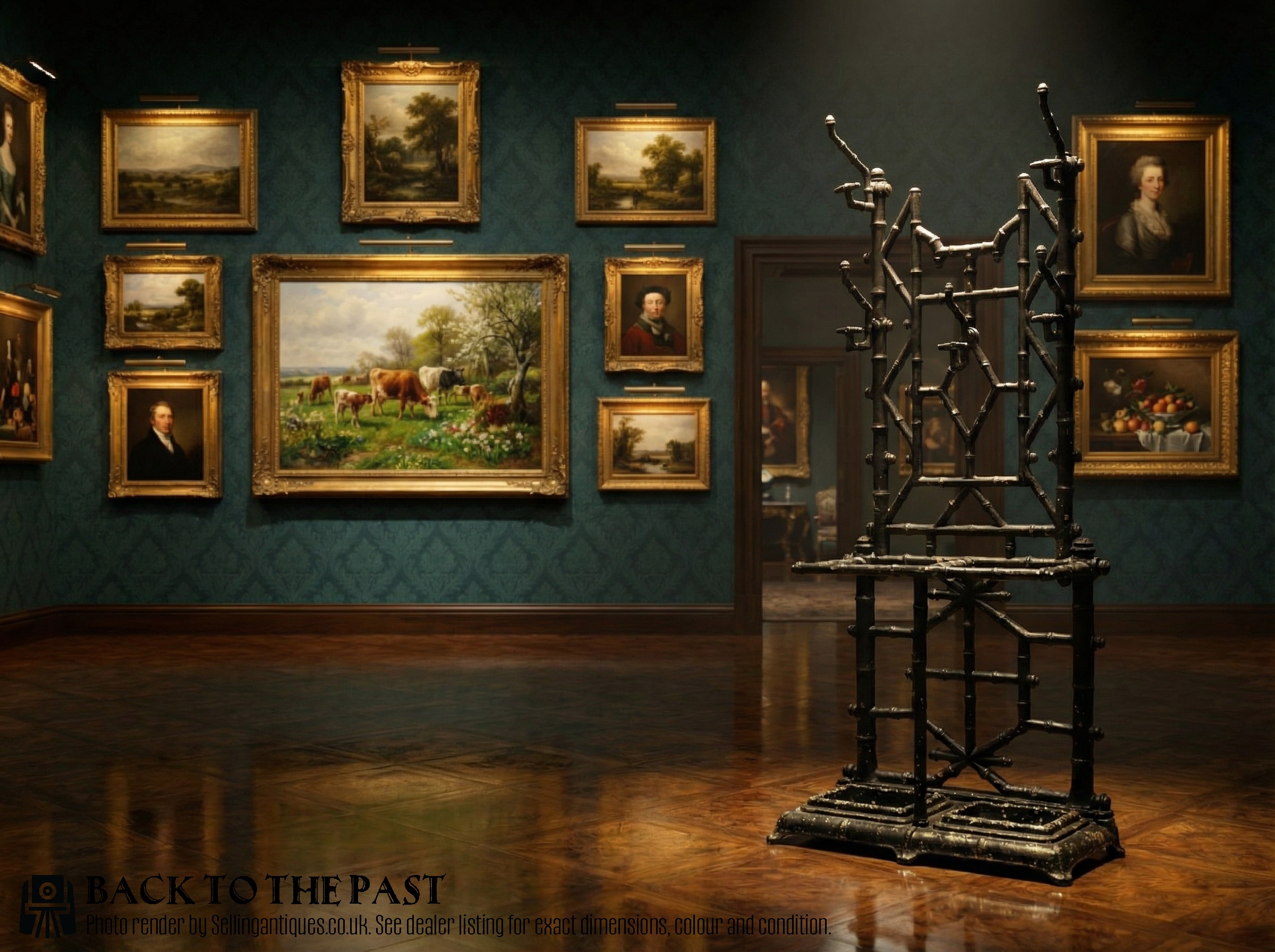
A 19th century stick stand serves as a hall furniture piece designed for walking canes, umbrellas and parasols. These items range from sturdy oak coopered barrels with brass braces to intricate cast iron framework and carved Black Forest bear figures holding receptacles.
The selections on this page span Victorian periods through to the late 1800s, often appearing alongside hall stands, coat stands and umbrella holders. Timber varieties like mahogany, walnut and pine share floor space with heavy metal designs in brass and cast iron.
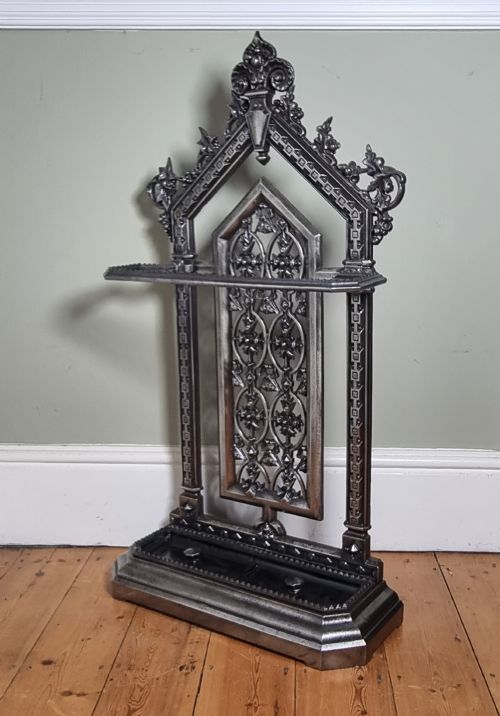
Makers and foundries utilised diverse regional styles, producing everything from Gothic Revival ironwork to rustic country house pine trays and ceramic-lined bodies. Buyers select these items to anchor entranceways with period utility.
Materials and Technique
Makers constructed these pieces using dense hardwoods such as oak and mahogany, frequently incorporating brass bindings, hoops and drip trays to handle moisture. Coopered barrel examples rely on traditional stave construction secured by metal tension bands.
Metal versions utilise cast iron and brass casting techniques, resulting in rigid frames, decorative ball finials and patterned half-moon designs. Carved wooden examples, particularly Black Forest pieces, employ detailed hand-chiselling on timber bodies to shape animal forms.
Ceramic and stoneware components appear in specific glazed inserts and pottery stands, requiring kiln firing and specialised surface painting. These mixed-media constructions combine structural timber or metal with protective metal bases for daily wear.
19th Century Stick Stand Retail Price Guide 2026
Typical asking prices for 19th century stick stand among the pieces listed under this phrase on Sellingantiques today, from the lower quarter to the upper quarter. They describe what is for sale here now, not the wider market.
Several 19th century stick stands swap conventional brass for carved bears and football players guarding your wet umbrellas.
Evaluating Construction and Finish
Quality rests upon the integrity of the materials and the crispness of the secondary details, such as the depth of carving on wooden bear figures or the casting definition on ironwork. Superior examples retain original metal drip trays and intact brass bindings rather than modern replacements.
Proportion and stability dictate the utility of the piece, separating heavy, well-balanced cast iron or solid oak stands from lighter, less stable alternatives. The skill of the maker shows in the smoothness of the coopered joints and the secure mounting of internal dividers.
Théodore Deck·J. Parker of Woodstock·Falkirk Ironworks·James Clews·Ridgway
The 19th Century Stick Stand Glossary
- Coopered barrel
- A cylindrical vessel built from wooden staves bound together with metal hoops, commonly utilised for holding umbrellas.
- Cast iron
- An iron-carbon alloy poured into moulds to create rigid, highly detailed structural frames and decorative panels for hall furniture.
- Black Forest
- A regional style of wood carving originating in Central Europe, known for realistic animal sculptures including bears holding trays or sticks.
- Aesthetic Movement
- A late 19th-century design philosophy prioritising visual beauty over narrative function, influencing bamboo and Japonisme hall furnishings.
- Drip tray
- A removable metal basin placed at the base of a stand to catch water running off wet umbrellas.
19th Century Stick Stand: Frequently Asked Questions
Where should a stick stand go?
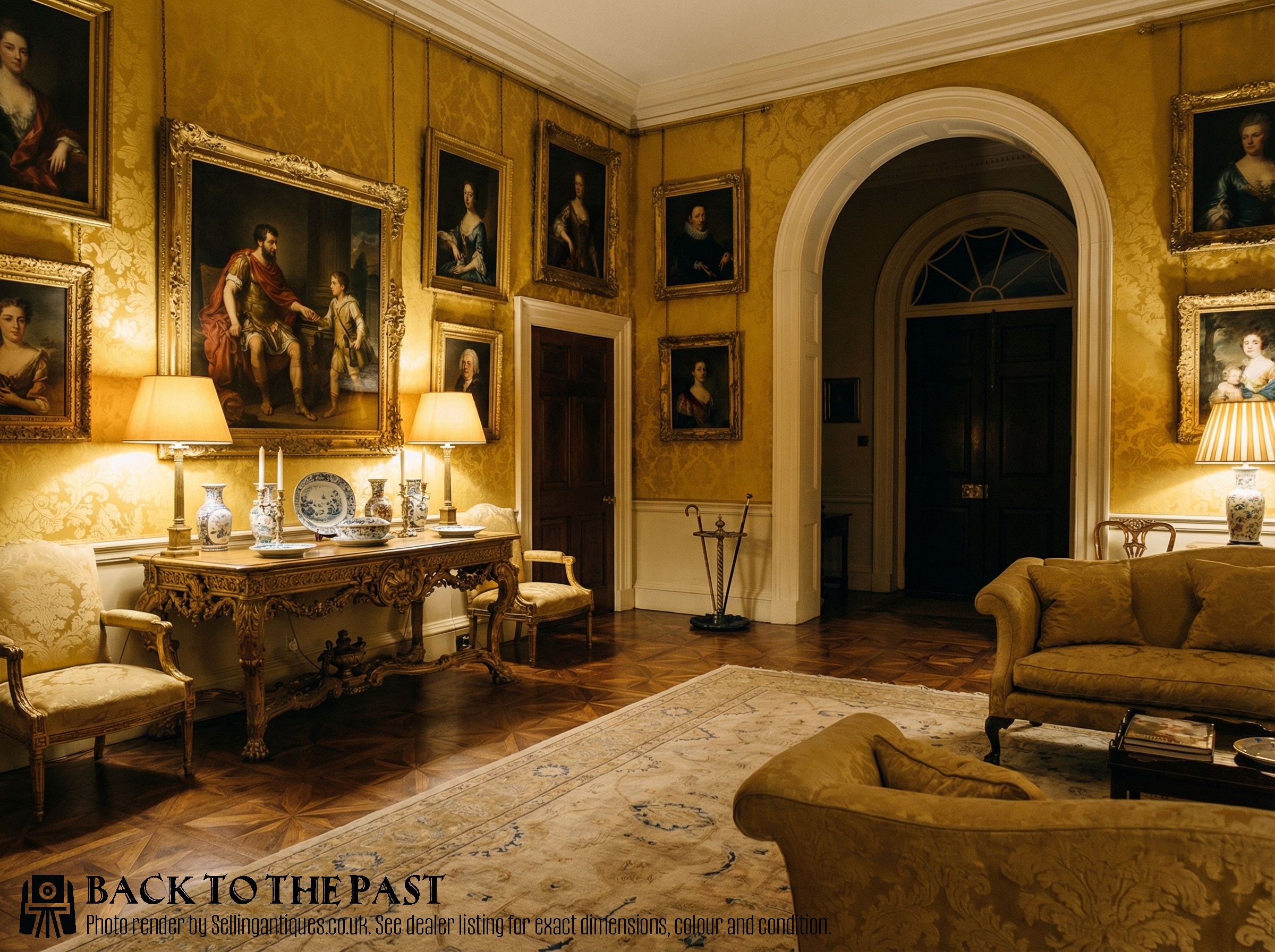
These pieces suit entrance halls and boot rooms where visitors deposit wet umbrellas and walking canes upon arrival.
Positioning the stand near the primary front door protects flooring from dripping rainwater while keeping daily accessories accessible.
How do I maintain oak and brass stands?
Hardwood surfaces require occasional feeding with appropriate wax to nourish the grain and protect against moisture damage.
Brass bindings and trays benefit from gentle dusting, avoiding harsh chemical polishes that strip historical patination.
What is a coopered barrel stand?
A coopered barrel stand uses curved wooden staves bound by metal hoops, mimicking the construction of liquid storage casks.
This method provides a watertight base suitable for containing wet umbrella tips inside a domestic hallway.
How do I spot a Black Forest piece?
Black Forest stick stands feature distinct hand-carved wooden animal motifs, most commonly bears holding receptacles or branches.
These carved sculptures display detailed fur texturing and deep brown tones typical of late 19th-century Alpine workshops.