


Wooden Umbrella Stand
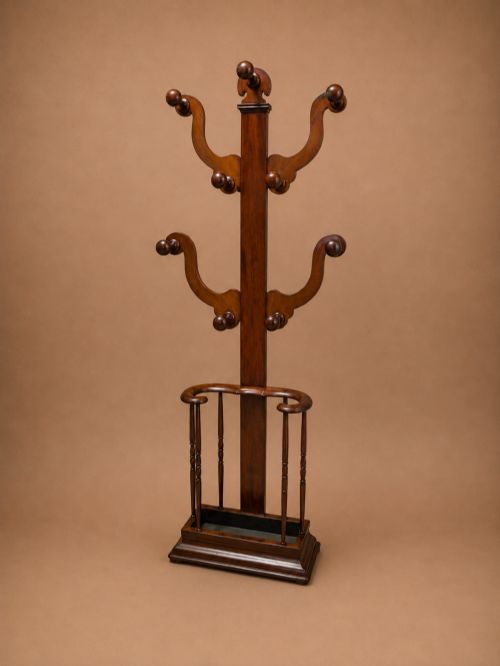
A wooden umbrella stand brings practical purpose and architectural form to an entrance hall, holding wet sticks and heavy coats while anchoring the space.
Wooden Umbrella Stand
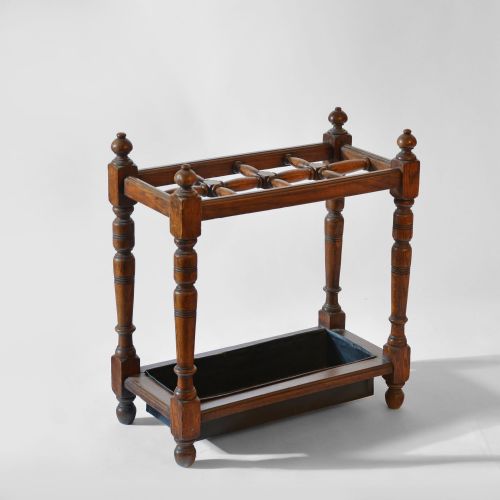
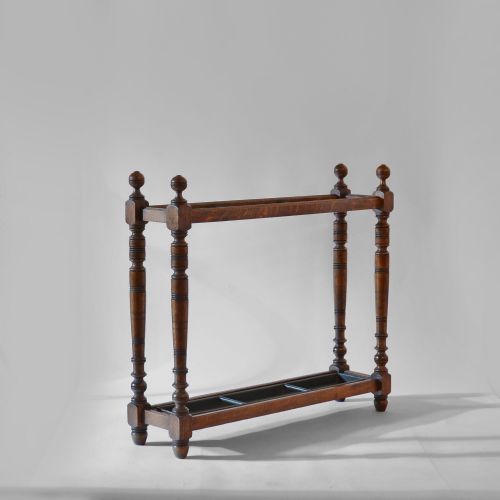
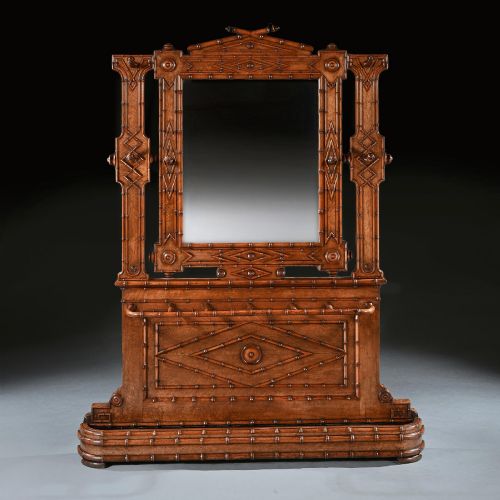
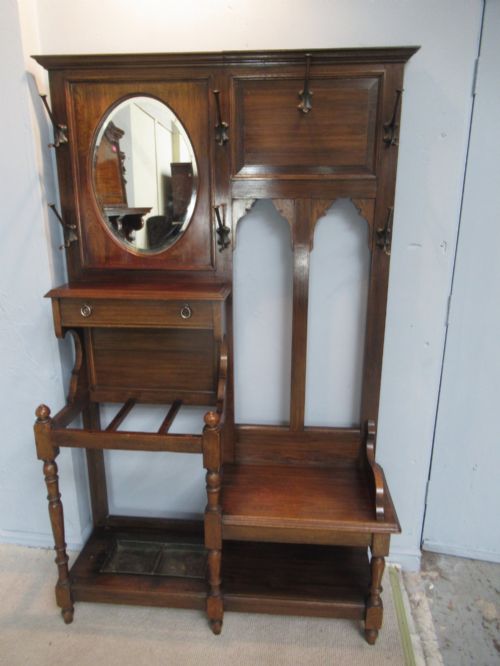
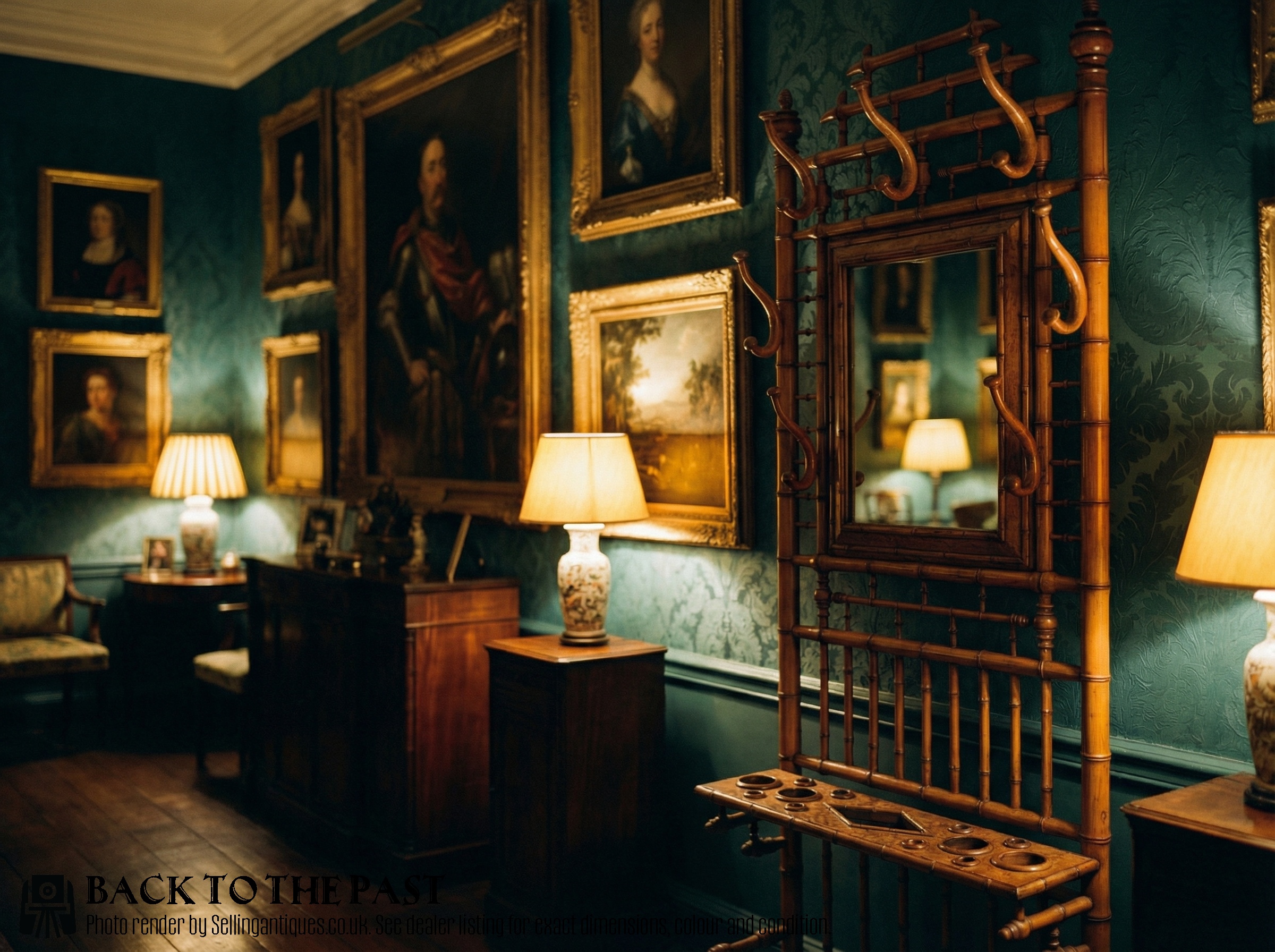
A wooden umbrella stand handles the daily damp of walking sticks and umbrellas in a hallway. The pieces gathered under this phrase range from dedicated stick vessels to larger hall stands combining coat hooks, mirrors, and umbrella wells.
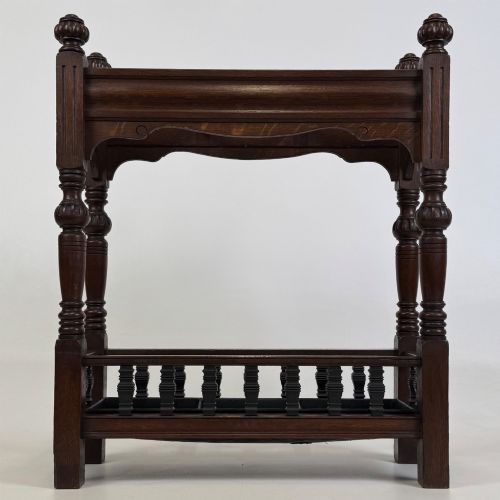
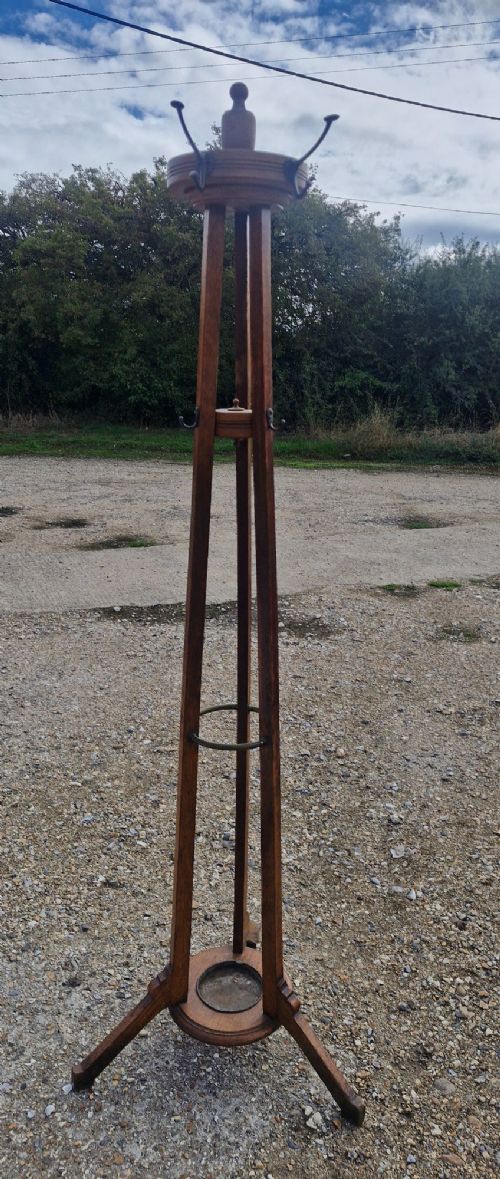
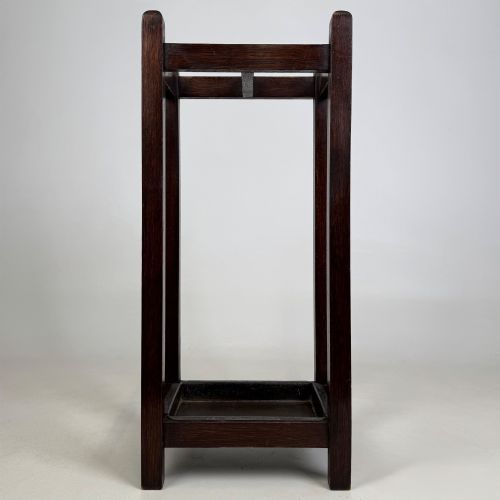
Oak dominates the selection, appearing across Victorian and Edwardian examples alongside mahogany, beech, and pine. Many forms incorporate integrated metal or glass drip trays to catch water from the stored items.
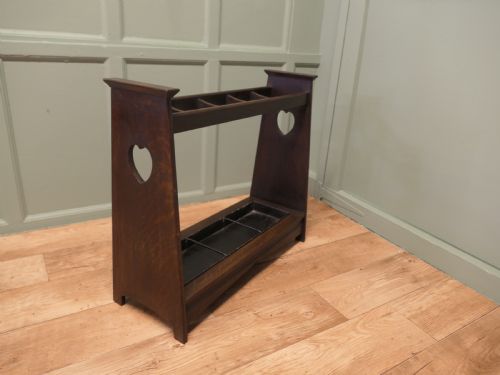
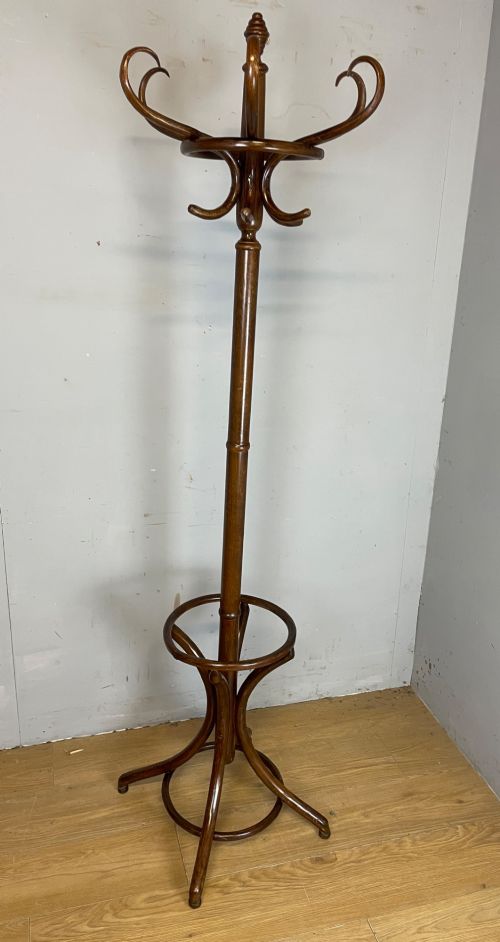
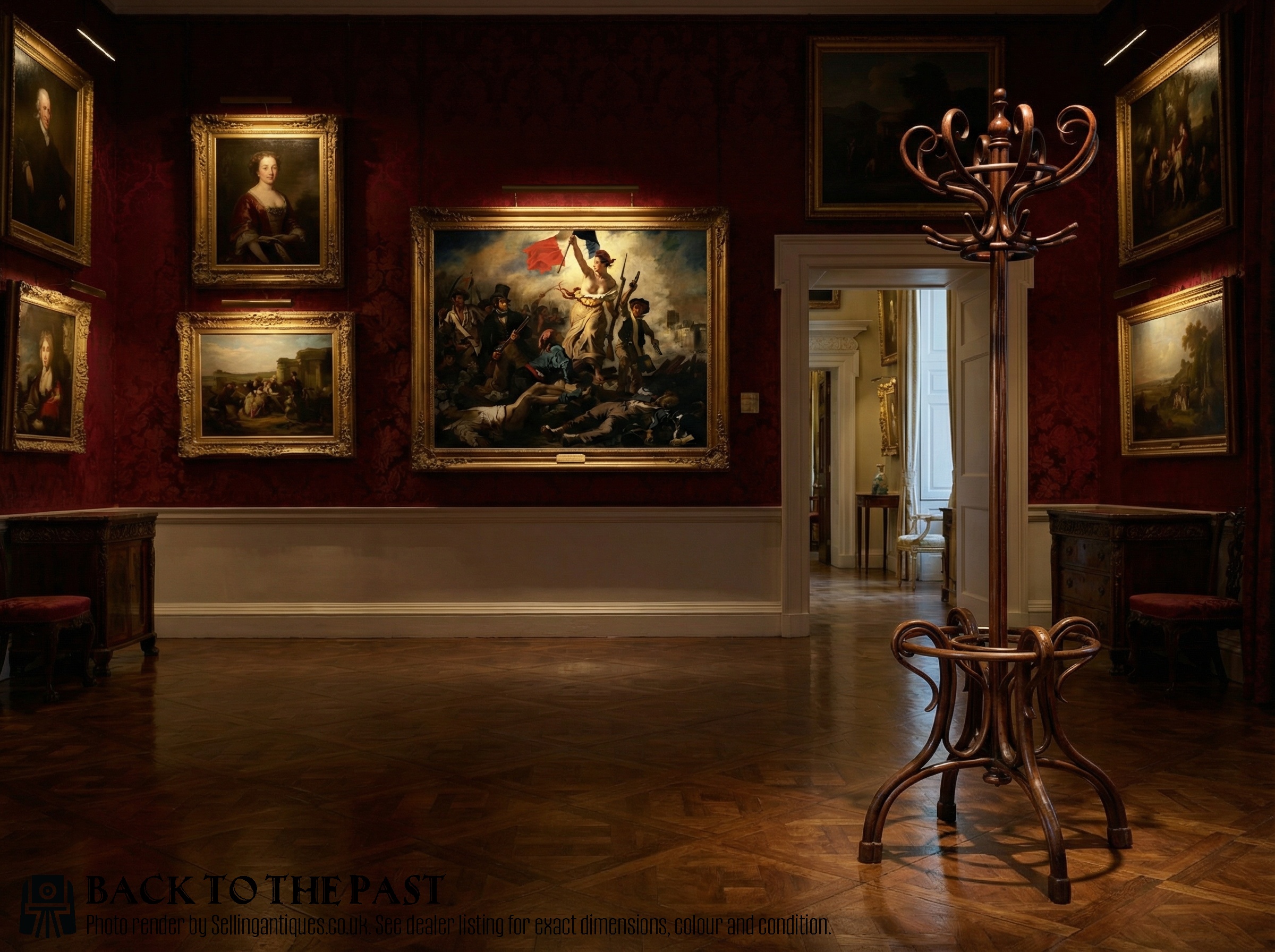
The aesthetic vocabulary stretches from robust Victorian country pieces and Arts and Crafts designs to lighter bentwood constructions. Makers utilised steam-bent beech and brass banding to provide structural strength and functional detail.
How they were made
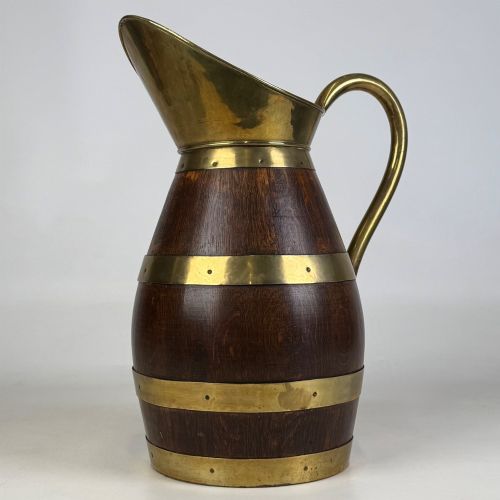
Solid timbers such as oak and mahogany form the primary framework of these hall furnishings, frequently shaped with turned spindles, carved panels, or coopered staves bound in brass or metal.
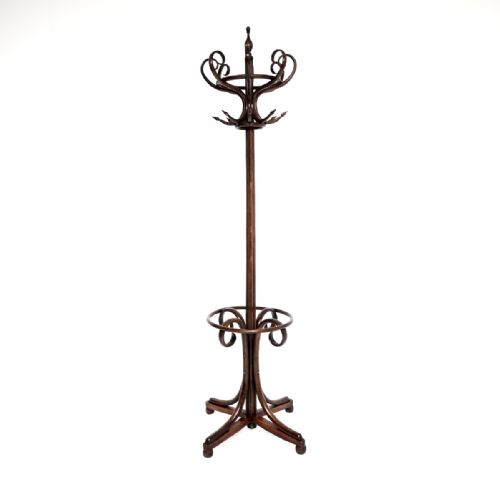
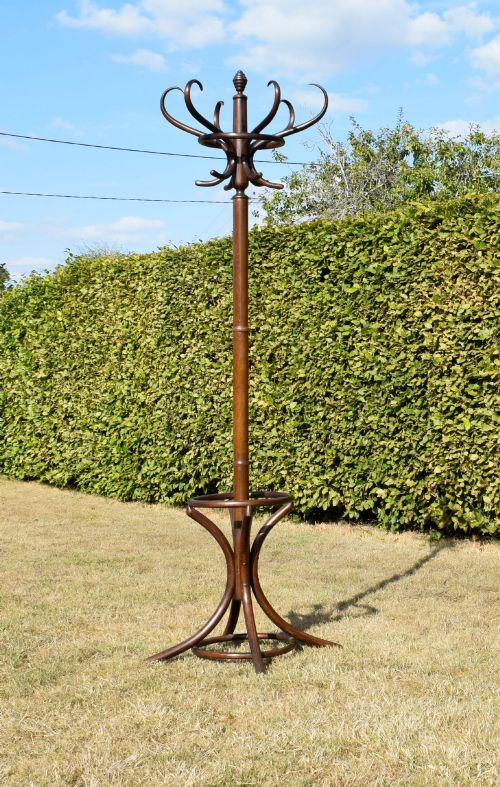
Bentwood examples rely on the thermal softening of beech rods, pressed into flowing curves that create lightweight yet resilient frames for hats and coats.
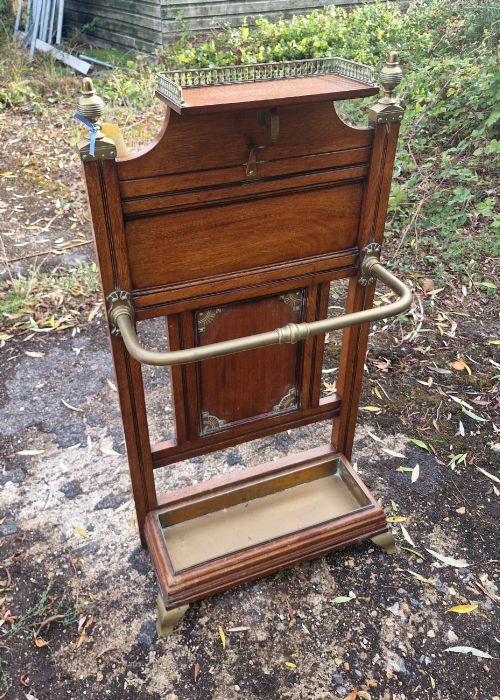
Functional additions include cast iron or removable metal drip trays fitted at the base to protect timber floors from moisture damage.
Wooden Umbrella Stand Retail Price Guide 2026
Typical asking prices for wooden umbrella stand among the pieces listed under this phrase on Sellingantiques today, from the lower quarter to the upper quarter. They describe what is for sale here now, not the wider market.
Early twentieth-century umbrellas must have been remarkably damp to justify such robust brass-bound copper barrels.
What varies in quality
Construction methods determine durability, separating robust mortise and tenon joints from simpler mechanical fixings. Timber selection also dictates grade, with figured golden oak or rich mahogany standing apart from utility pine.
Survival of original hardware matters significantly. Pieces retaining their matching metal drip trays, brass bands, and heavy coat hooks hold greater integrity than those with replaced or missing components.
Design ambition separates standard hallway furniture from pieces bearing distinct Arts and Crafts movement influence or documented Thonet production.
Thonet·Liberty Design
The Wooden Umbrella Stand Glossary
- Bentwood
- Wood shaped by steaming and bending under pressure. This technique produces characteristic rounded frames found in coat and hat stands.
- Drip tray
- A metal or glass receptacle placed at the base of a stand. It collects water running off wet umbrellas.
- Hall stand
- A multi-functional hallway piece. It typically combines coat hooks, a mirror, umbrella storage, and sometimes a bench seat.
- Aesthetic Movement
- A late nineteenth-century design current. It prioritised visual beauty over narrative function, influencing the clean lines of oak stands.
- Coopered
- Constructed from vertical wooden staves bound with metal hoops. This method appears on cylindrical barrel-form stick holders.
Wooden Umbrella Stand: Frequently Asked Questions
How do I protect the wood from wet umbrellas?
Most traditional stands feature a removable metal or glass drip tray sitting in the base. This catches moisture before it reaches the timber floor.
Ensuring your stand retains its original liner prevents water pooling directly against the wooden baseboards over decades of daily use.
What is the difference between a stick stand and a hall stand?
A stick stand focuses purely on vertical storage for umbrellas and walking sticks using a compact footprint. These often take the form of open frames or coopered barrels.
A hall stand serves as a larger piece of furniture incorporating coat hooks, umbrella holders, and frequently a mirror or seat.
How do I identify a bentwood stand?
Bentwood pieces display smooth, continuous curved lines formed from steamed beech wood rather than straight joined timbers. They feel surprisingly light yet offer strong structural support for heavy winter coats.
Many examples from the late nineteenth and early twentieth centuries follow designs popularised by firms such as Thonet.
Are these stands suitable for small hallways?
Compact Edwardian oak stands and corner configurations provide practical storage without overwhelming narrow entryways. Their vertical orientation makes efficient use of limited floor space.
Selecting a dedicated stick stand rather than a full combination hall tree keeps the visual weight minimal in restricted areas.