



Cast Iron Hall Stand
When you search for a cast iron hall stand, you enter a utilitarian world of heavy metal framing, umbrella rings and Victorian reception architecture.
Cast Iron Hall Stand
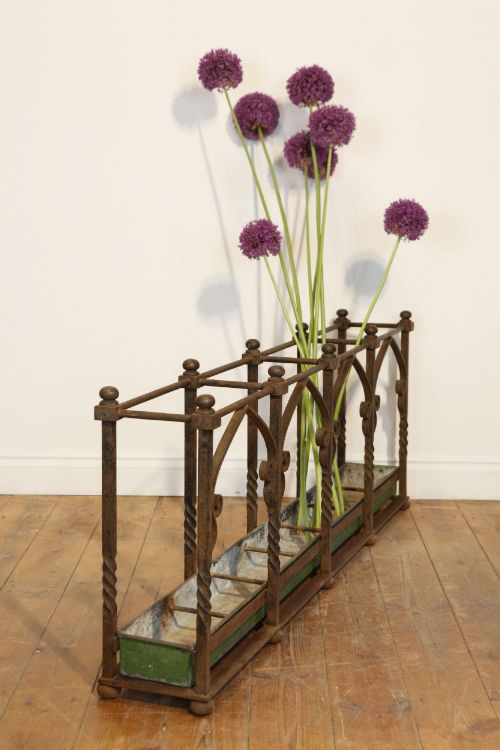
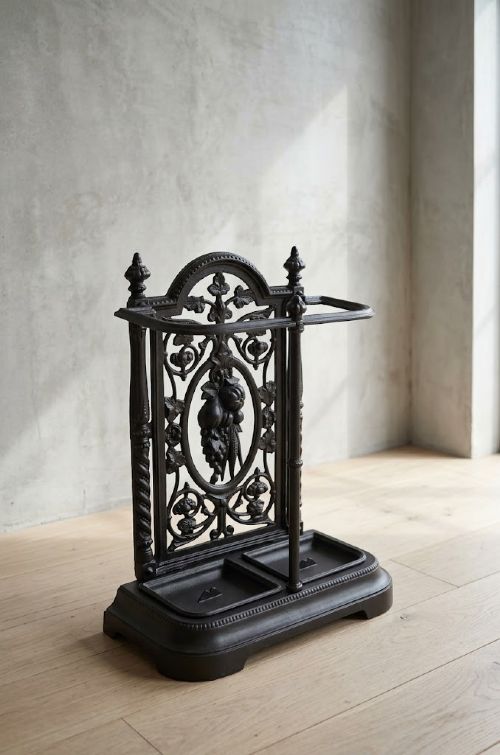
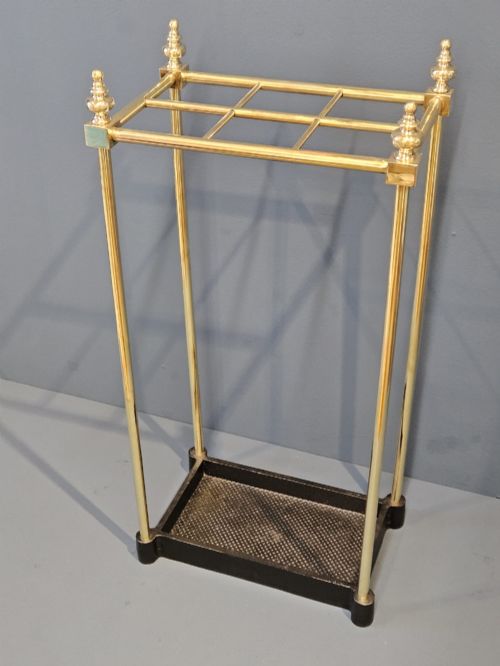
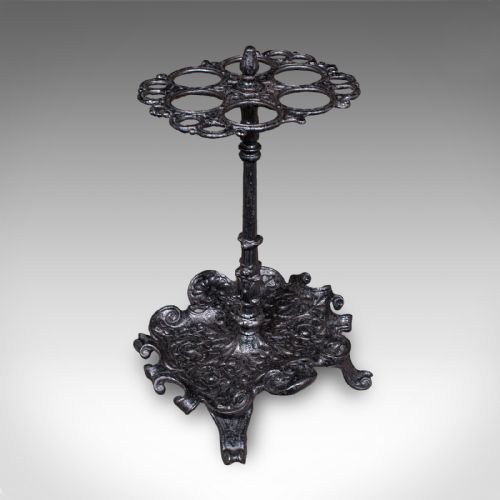
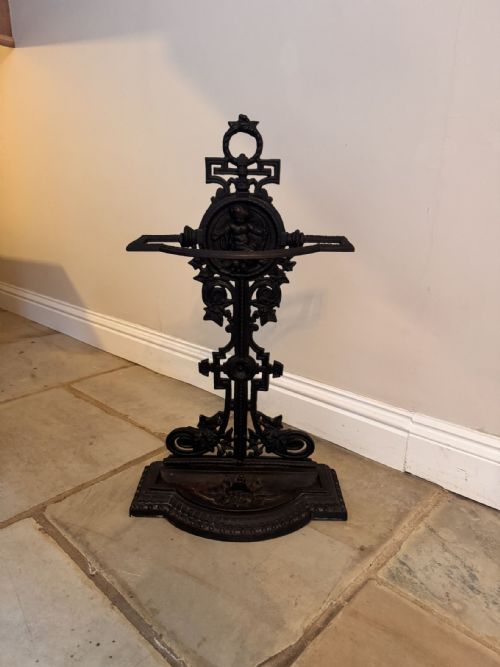
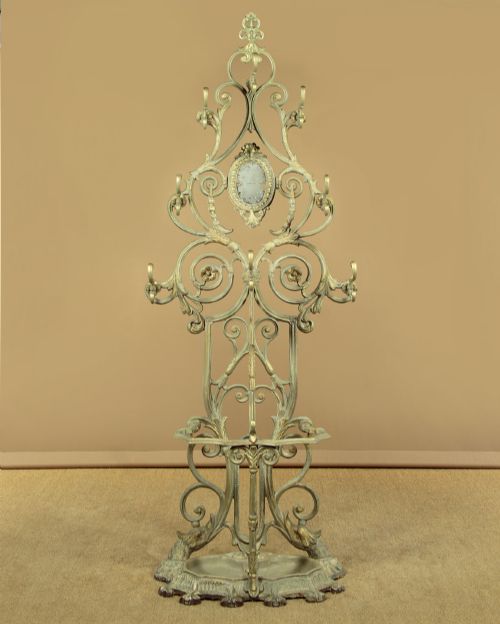
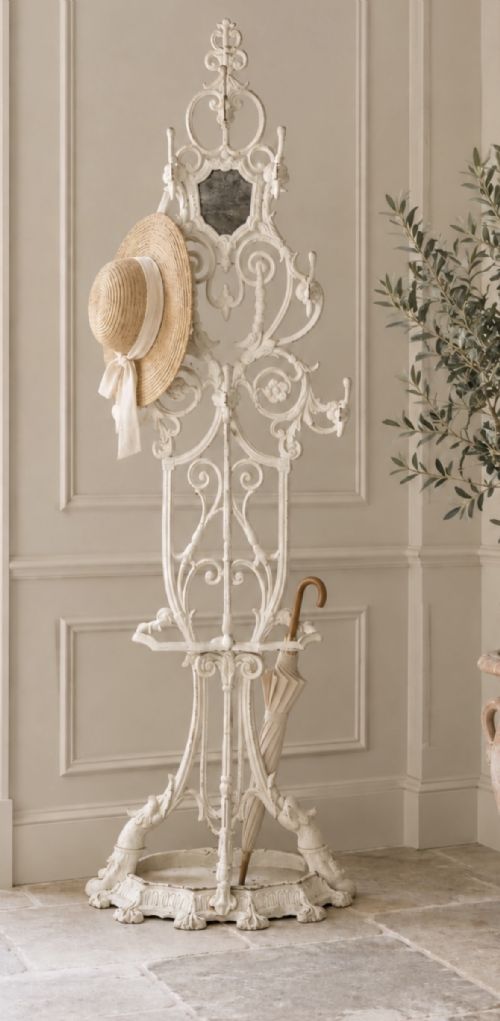
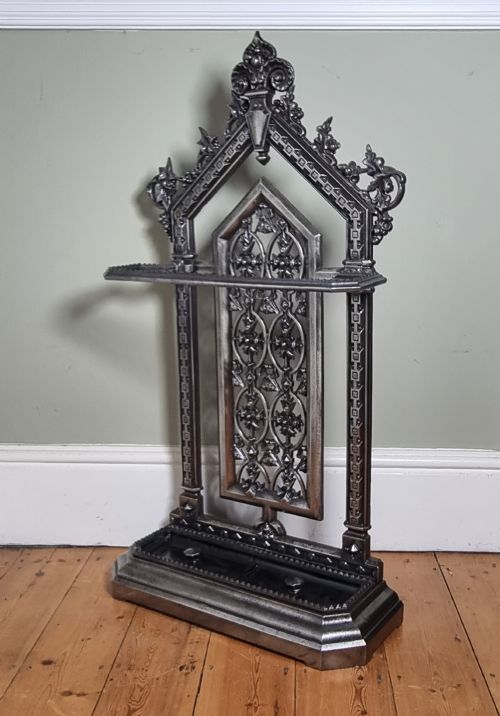
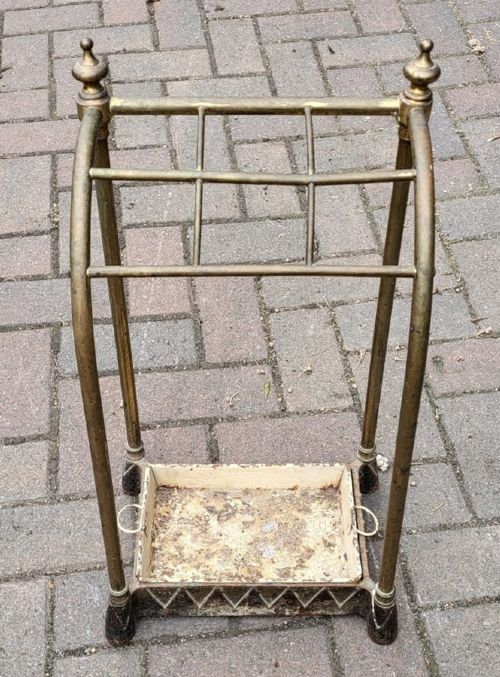
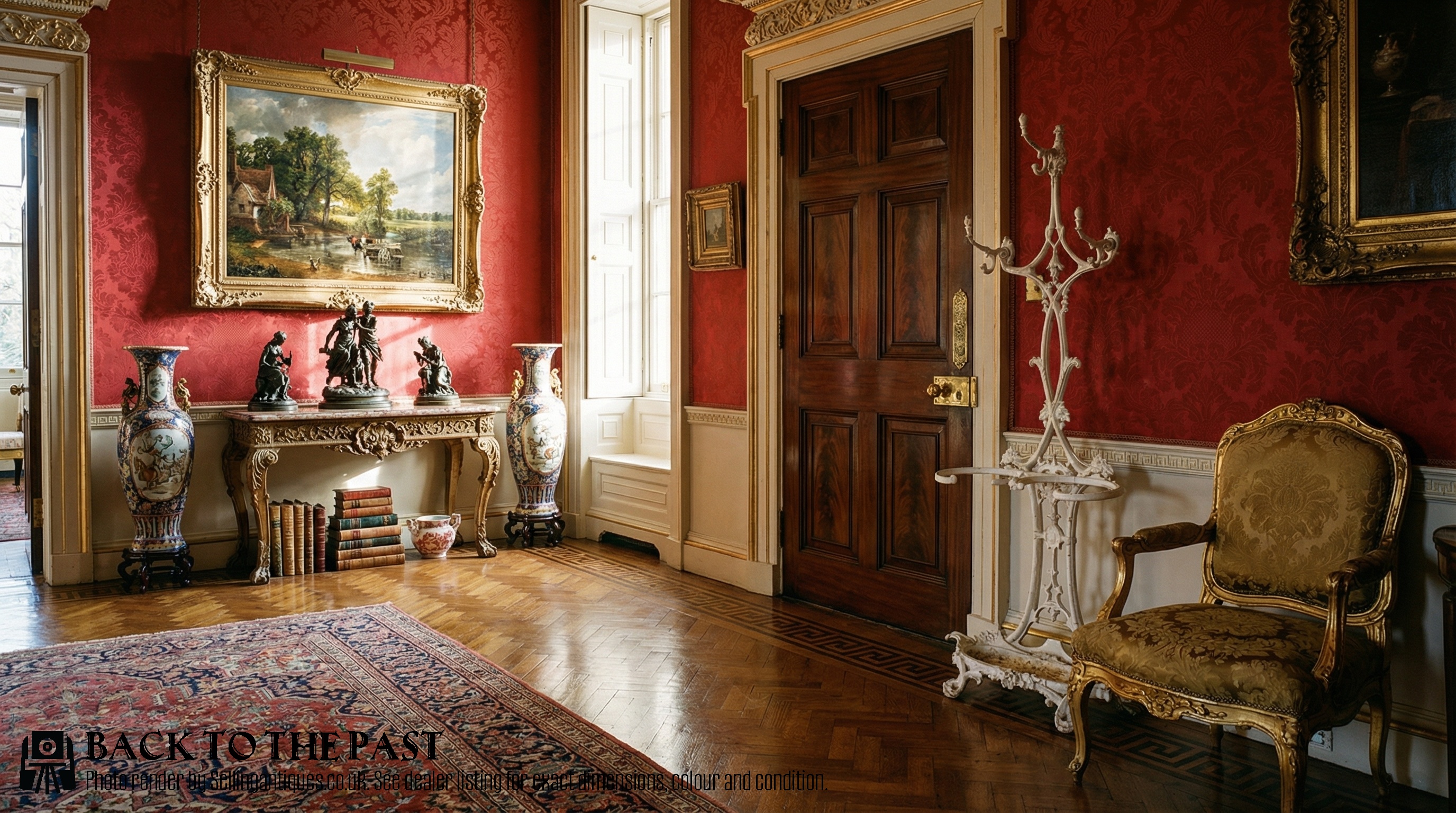
A cast iron hall stand provides a designated domestic station for wet umbrellas, heavy walking sticks and outer garments upon entering a home. These functional pieces combine upright coat hooks, umbrella dividers and drip trays into a single heavy floor-standing unit designed to anchor a hallway.
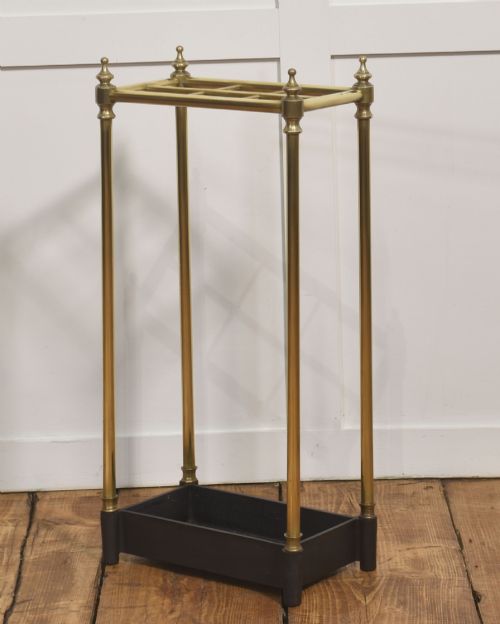
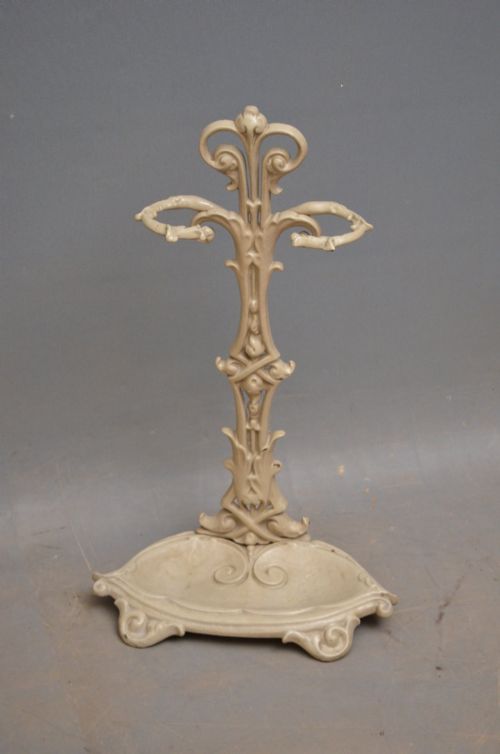
The versions most frequently met on this page span the Victorian and Edwardian periods, stretching from the mid-nineteenth century into the early twentieth century. These examples range from compact umbrella racks to grand architectural hall stands featuring integrated coat hooks and occasional mirror or table elements.
Originating predominantly from British and French foundries, these metal furnishings reflect both industrial mass production and distinct design movements. Pieces span functional utilitarian items as well as decorative iterations styled in Gothic Revival, Aesthetic Movement and Art Nouveau tastes.
What varies in quality
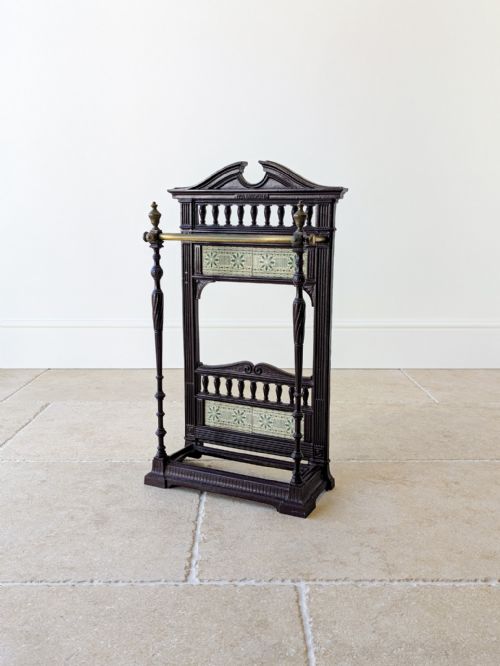
Design complexity and structural completeness heavily influence the standing of an individual piece within the range. Pieces retaining their original removable drip trays, matching brass divider rails, and uncompromised structural integrity represent the more accomplished end of surviving examples.
Cast Iron Hall Stand Retail Price Guide 2026
Typical asking prices for cast iron hall stand among the pieces listed under this phrase on Sellingantiques today, from the lower quarter to the upper quarter. They describe what is for sale here now, not the wider market.
Walk into a damp Victorian hallway and hear the sharp metallic clink of a wet umbrella hitting cast iron.
Coalbrookdale·Corneau Freres Charleville·Thomas Jeckyll·Falkirk Ironworks·Christopher Dresser
The Cast Iron Hall Stand Glossary
- Coalbrookdale
- A famous Shropshire ironfoundry renowned for producing intricate cast iron decorative arts and heavy hallway furniture during the nineteenth century. Their catalogued designs are widely referenced by collectors.
- Faux bamboo
- A decorative surface moulding technique that mimics the segmented joints and textures of natural bamboo canes. This aesthetic gained popularity during the Aesthetic Movement and late Victorian periods.
- Demi-lune
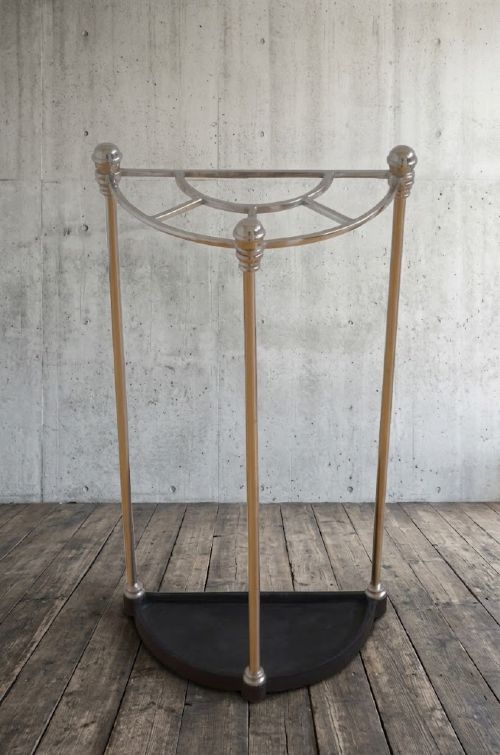
- A half-moon or semicircular shape commonly utilised in the footprint of corner umbrella stands and wall-adjacent hall furniture. This curved profile saved valuable floor space in narrow Victorian hallways.
- Drip tray
- A shallow metal basin positioned beneath umbrella and stick divisions to protect hallway flooring from moisture. These trays are frequently removable for emptying and cleaning.
- Aesthetic Movement
- A late nineteenth-century design current that prioritised visual beauty and Japanese-inspired motifs over purely utilitarian or heavy historicist decoration.
Cast Iron Hall Stand: Frequently Asked Questions
How do I protect my floor from a cast iron hall stand?
Most traditional pieces incorporate original metal or zinc drip trays designed to capture rainwater running off wet umbrellas. Placing a modern discreet saucer or protective pad beneath the base prevents condensation or rust marks from transferring to delicate hallway flooring.
Ensuring that wet items are shaken before placement in the stand preserves both the internal iron divisions and the surrounding domestic environment.
Were these stands used in smaller homes?
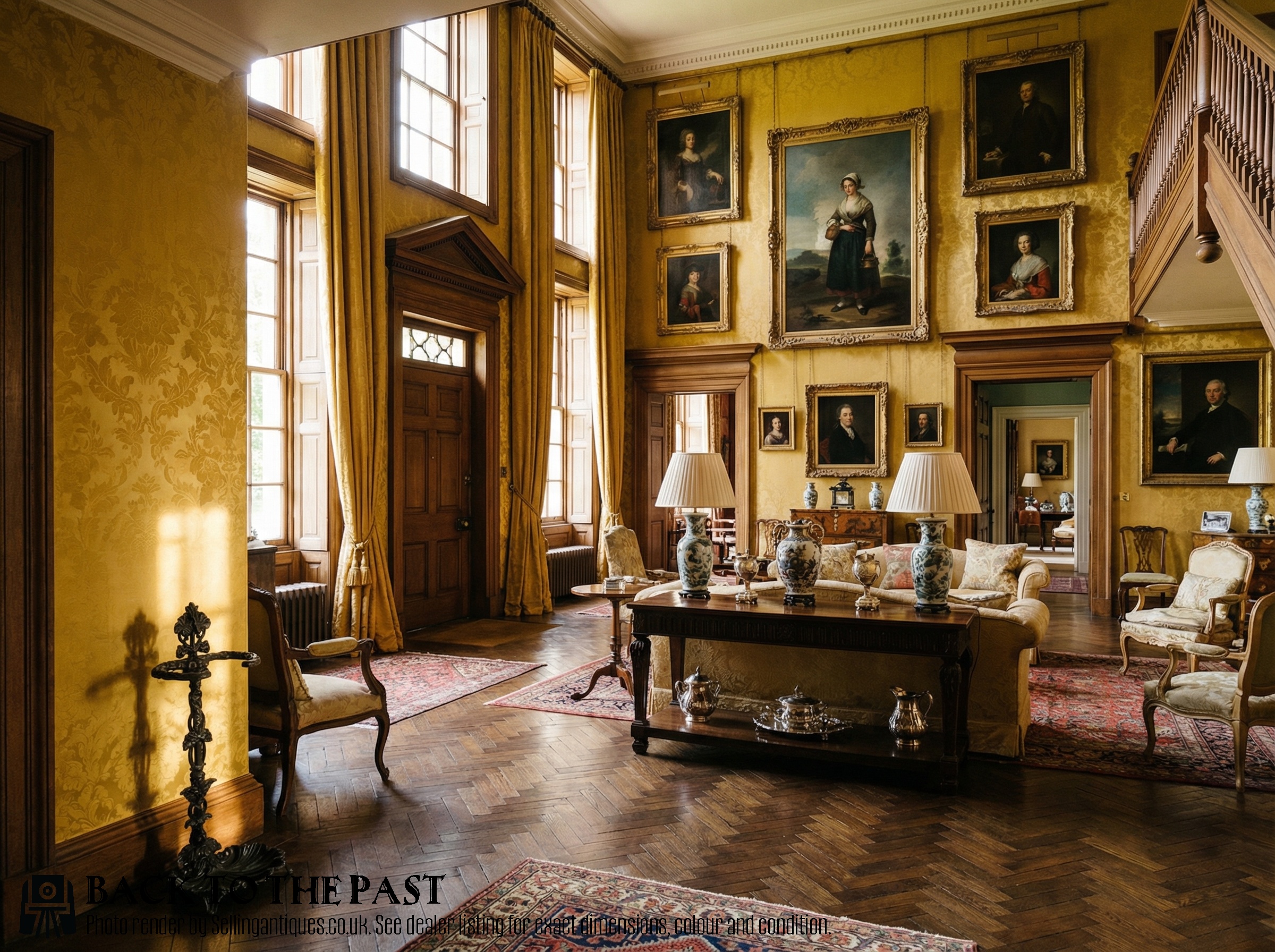
While grand country houses utilised large multi-functional hall stands with benches and mirrors, smaller townhouses typically employed compact corner or narrow umbrella racks. These space-saving variants provided the same iron durability and coat storage without dominating restricted hallway dimensions.
Makers offered various widths and footprint shapes to accommodate the architectural layout of different nineteenth-century residences.
How do I clean cast iron hall furniture?
Routine maintenance involves dusting the relief surfaces with a soft dry cloth to prevent particulate build-up within the intricate casting crevices. For painted or enamelled surfaces, wiping gently with a barely damp cloth avoids moisture ingress into bare iron patches.
Harsh chemical solvents should be avoided to preserve historic painted finishes, nickel plating, or protective wax coatings applied over decades of use.
Can I hang heavy coats on these stands?
Cast iron possesses immense structural strength capable of supporting heavy winter overcoats and walking gear without flexing. The integrity of the wall fixings or floor stability determines the overall load capacity of combined coat and umbrella arrangements.
Free-standing heavy iron models rely on their substantial mass to remain stable when multiple garments hang from the upper hooks.