

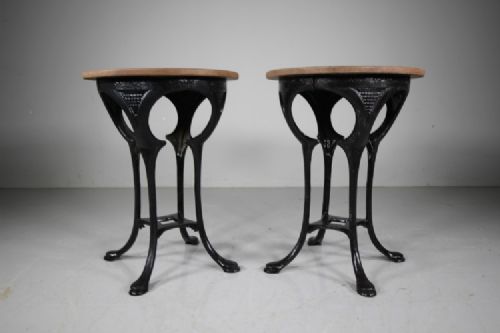

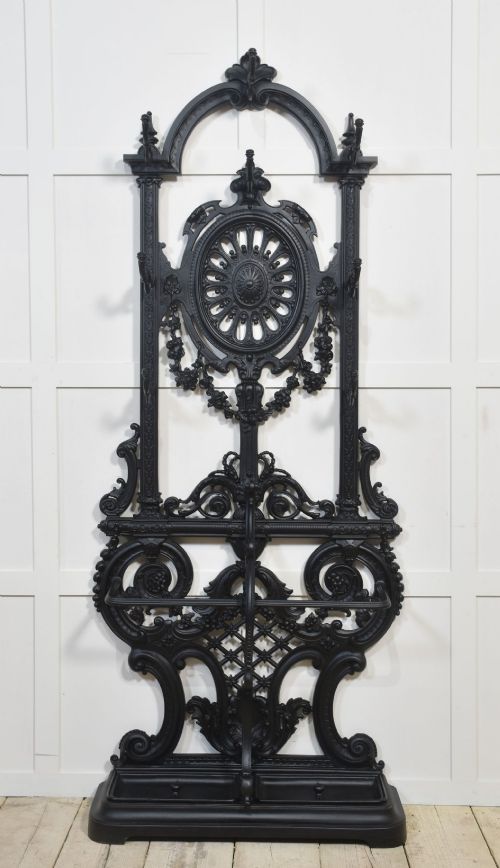
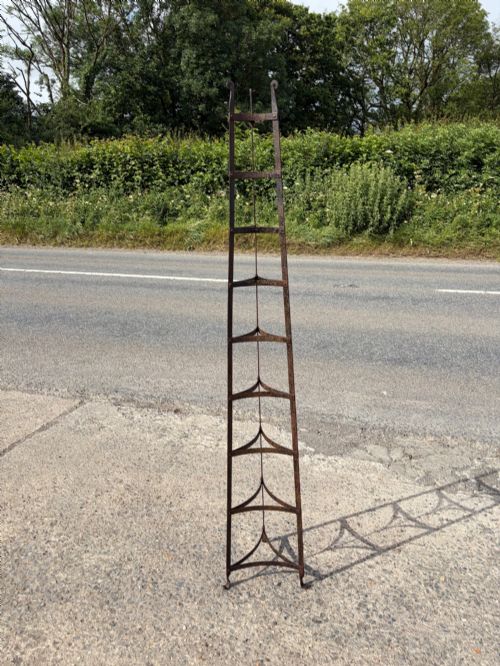
Black Cast Iron Stand
A black cast iron stand is a durable piece of functional hallware or hearth furniture designed to organise walking gear, umbrellas, or fire implements.
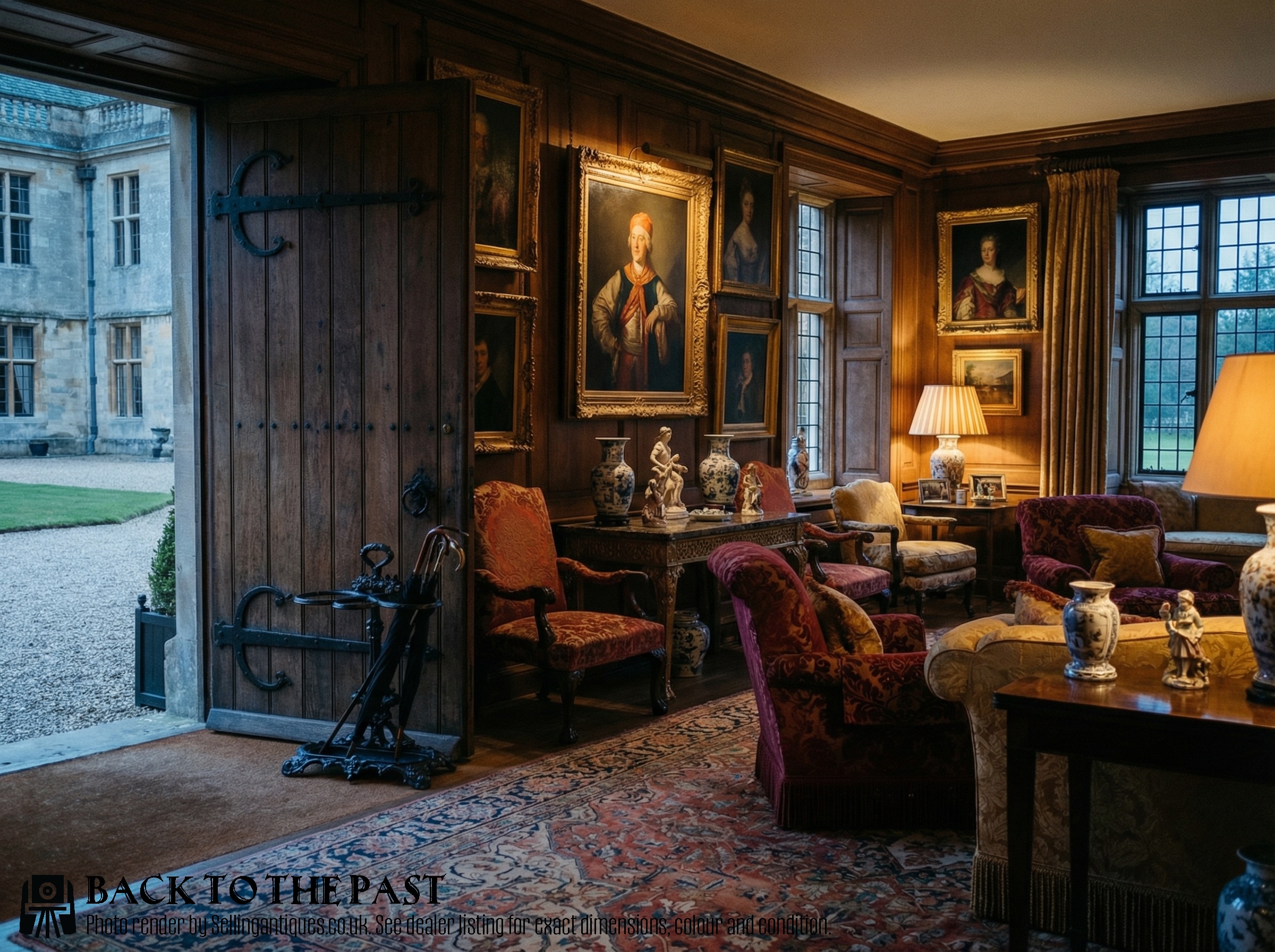
Black Cast Iron Stand
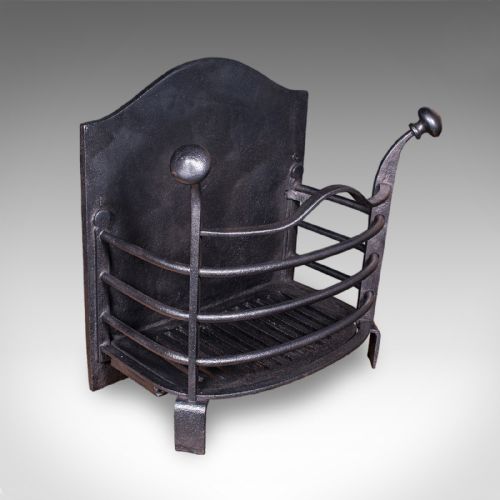
When you search for a black cast iron stand, you encounter heavy functional objects spanning umbrella and stick stands, hall stands, boot scrapers, and hearth accessories. These pieces originate primarily from the Victorian and nineteenth-century periods, alongside Georgian, Regency, Edwardian, and Art Deco examples.
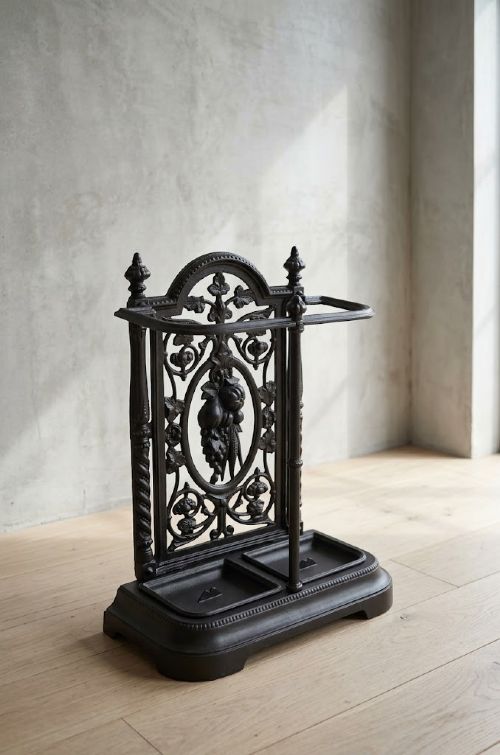
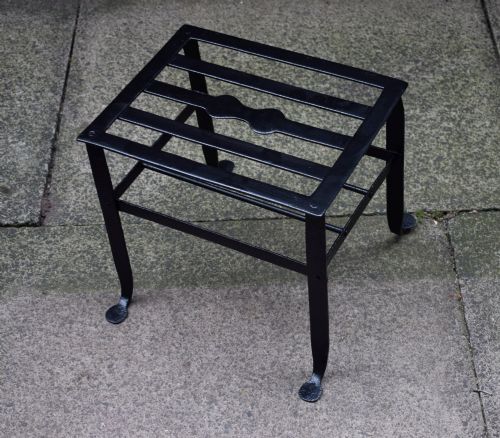
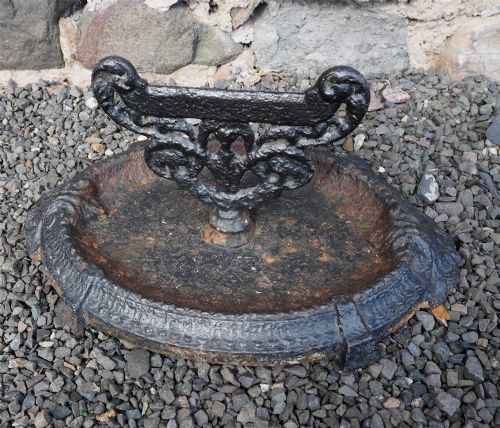
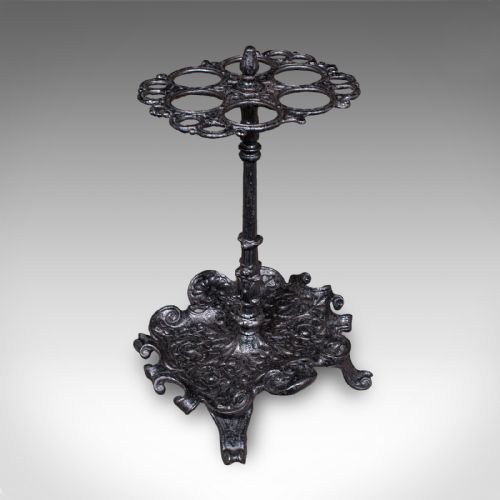
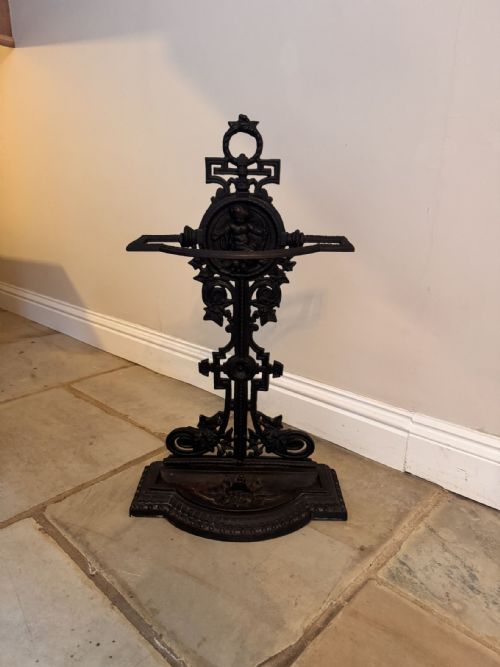
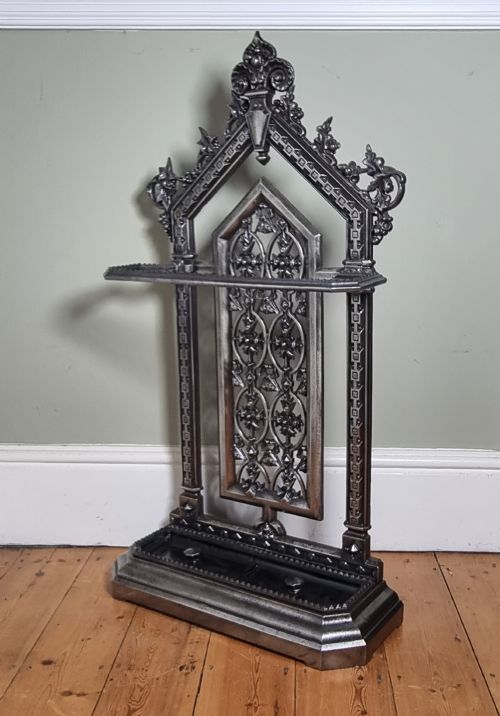
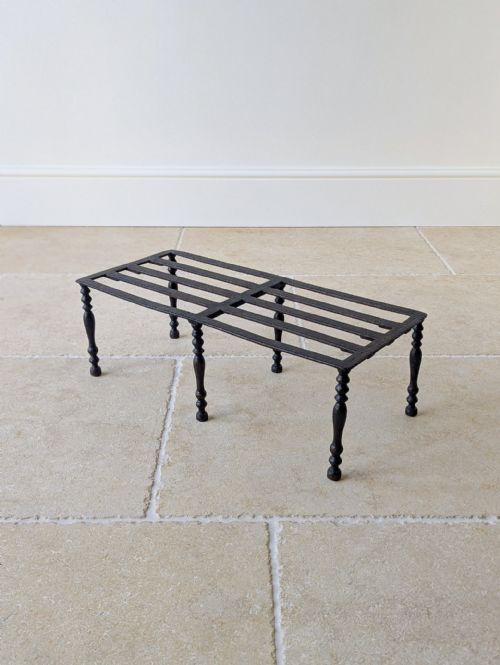
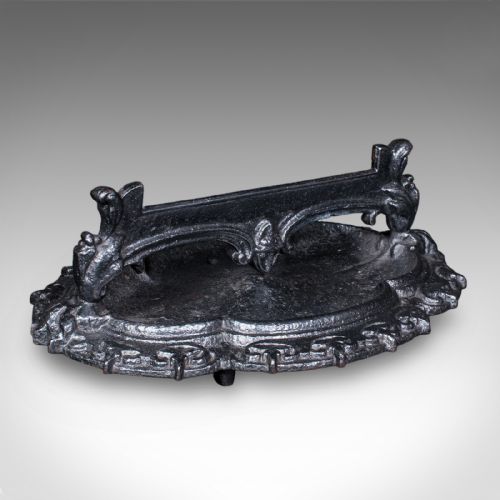
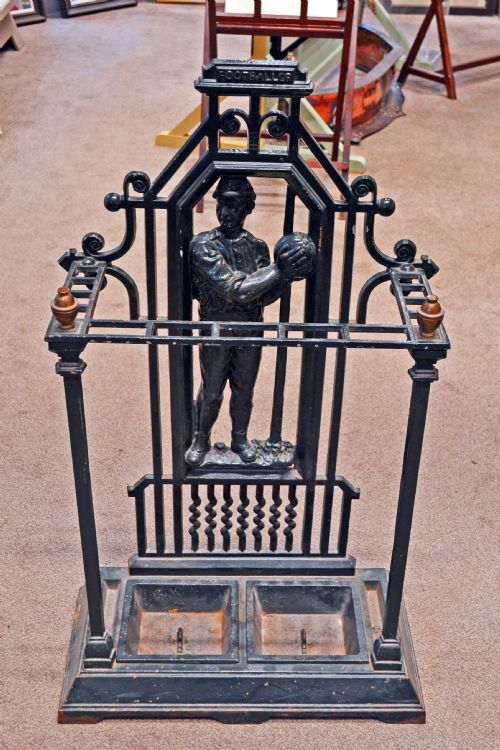
The most common forms on this page are umbrella and stick stands designed for hallway organisation, often featuring open loops, drip pans, and figural or botanical motifs. Alongside these stand multi-tier pan stands, side tables, plant stands, and boot scrapers intended for domestic entranceways and kitchens.
Makers and foundries utilised robust metal casting techniques to produce both utilitarian items and decorative hallway centrepieces. Styles range from plain industrial castings to elaborate Gothic Revival, Aesthetic Movement, and Coalbrookdale style designs.

How they were made
Foundries poured molten iron into sand moulds to achieve intricate relief patterns, structural rigidity, and repeating geometric or organic motifs. Many pieces combine cast iron frames with wrought iron components, brass details, or painted finishes to enhance durability and appearance.
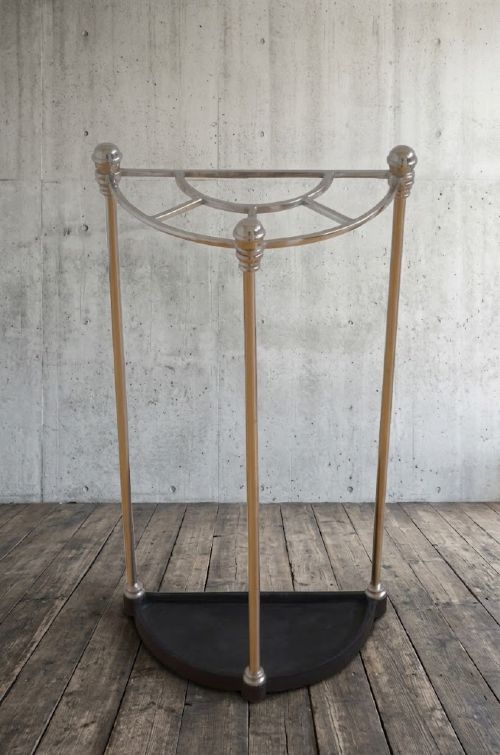
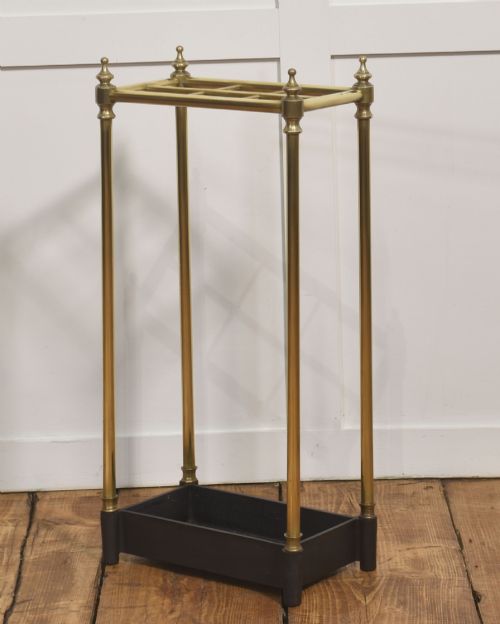
Makers incorporated functional drainage elements such as removable metal drip pans to catch water from wet umbrellas and sticks. Surface treatments often involved protective black paint, while some later or alternative examples integrated nickel plating, brass fittings, or timber elements.
Black Cast Iron Stand Retail Price Guide 2026
Typical asking prices for black cast iron stand among the pieces listed under this phrase on Sellingantiques today, from the lower quarter to the upper quarter. They describe what is for sale here now, not the wider market.
What varies in quality
The distinction between standard utility items and finer pieces lies in the crispness of the foundry casting and the depth of relief in decorative motifs. Superior examples display sharply defined figural work, clean lettering or foundry marks, and well-balanced proportions without distortion in the iron.
Originality of components heavily influences the standing of a piece, particularly the presence of matching drip trays and structurally sound joints. Finer pieces retain their original surface finish or early painted layers, whereas heavily re-painted or structurally altered examples obscure the integrity of the original casting.
Coalbrookdale·Kenrick·Falkirk Foundry·Archibald Knox
The Black Cast Iron Stand Glossary
- Cast iron
- A hard, brittle alloy of iron and carbon poured into moulds to create rigid objects. It forms the primary structural material for these stands.
- Drip tray
- A shallow metal basin placed at the base of umbrella and stick stands to collect moisture. It protects flooring from wet walking equipment.
- Demi-lune
- A half-moon shape utilised in the footprint of wall-abutting umbrella stands. This curved profile allows the stand to sit flush against hallway walls.
- Campana urn
- A bell-shaped vessel form derived from classical antiquity. These appear on plinths within the selection of heavier iron goods.
- Faux bamboo
- A decorative moulding technique carved or cast to resemble natural bamboo joints. This motif gained popularity during the nineteenth century.
Black Cast Iron Stand: Frequently Asked Questions
How do I clean a cast iron stand?
Dust the surface regularly with a soft dry cloth to prevent the accumulation of dirt within recessed decorative casting details. Avoid harsh chemical cleaners that strip historical paint layers.
If the iron requires more thorough attention, apply a light coat of neutral paste wax using a brush and buff gently. Keep the piece away from damp environments to prevent surface oxidation.
Where were these stands placed historically?
Umbrella and stick stands typically stood in entrance halls and vestibules to receive wet coats, hats, and walking aids immediately upon entry. Smaller hearth stands and footmen sat directly beside fireplaces for cooking or tending fires.
Boot scrapers positioned themselves outside exterior doorways or on porches to clean mud from footwear before entering the house. Plant stands and tier racks occupied interior rooms and hallways for display purposes.
Are drip trays usually original?
Drip trays frequently suffered from rust damage due to standing water and were often replaced over decades of domestic use. Finding a stand with its matching original tray adds considerable interest for collectors.
Replacement metal trays appear commonly on older pieces, so examining the fit and age relative to the main frame helps determine originality.
How can I tell a Victorian stand from a later one?
Victorian stands typically exhibit heavier iron casting, deep botanical or Gothic relief work, and robust construction intended for heavy daily use. Foundry marks stamped directly into the metal often point toward nineteenth-century production centres.
Later Edwardian and Art Deco pieces introduce sleeker profiles, alternative plating such as nickel, or simplified geometric divisions. Examining the bolt construction and overall weight helps distinguish mid-nineteenth-century items from twentieth-century revivals.