
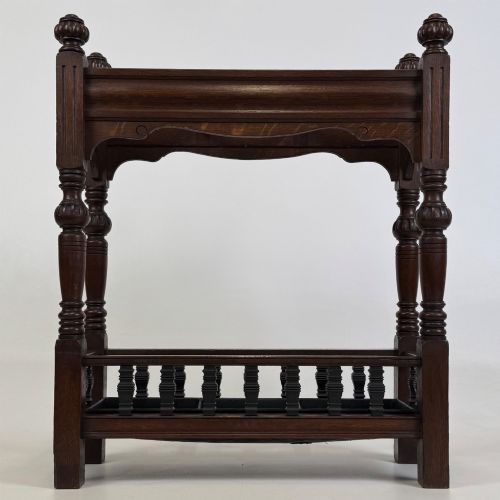
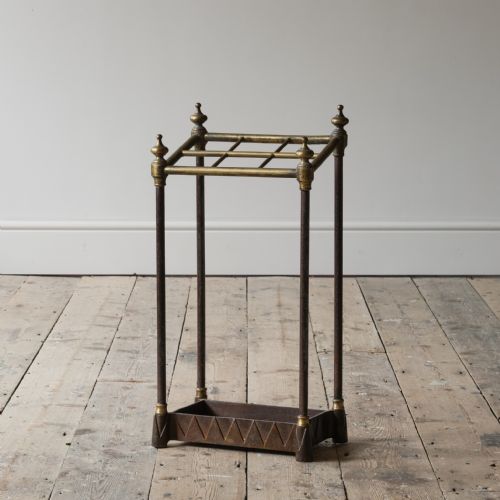
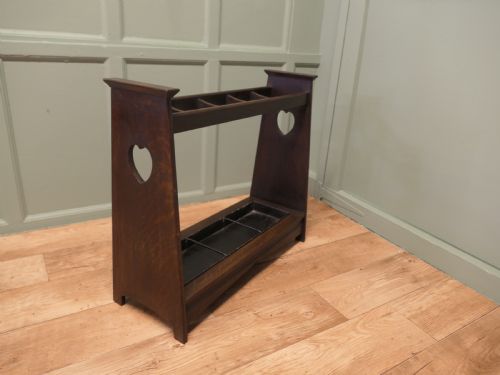

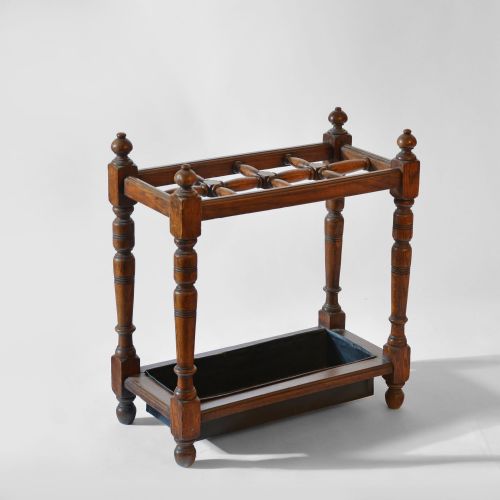
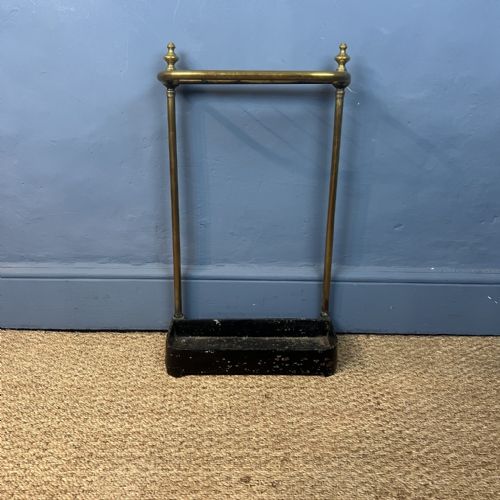
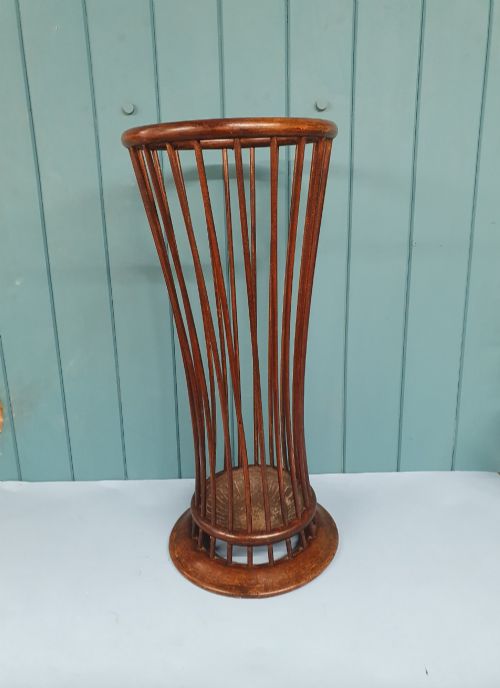
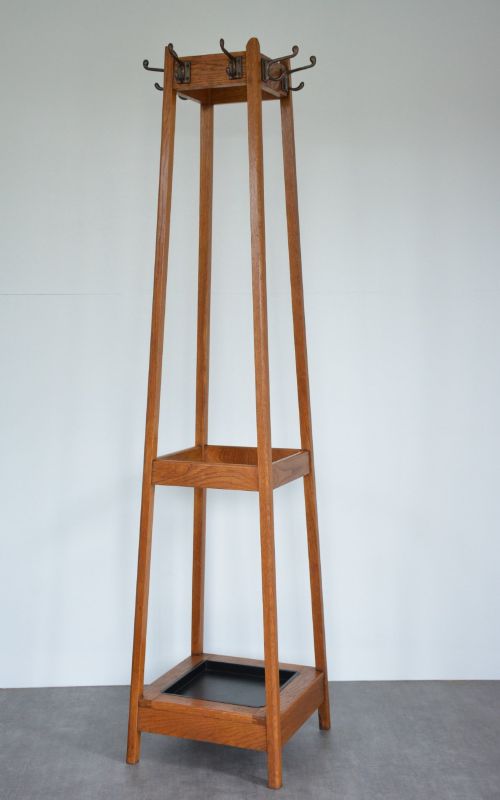
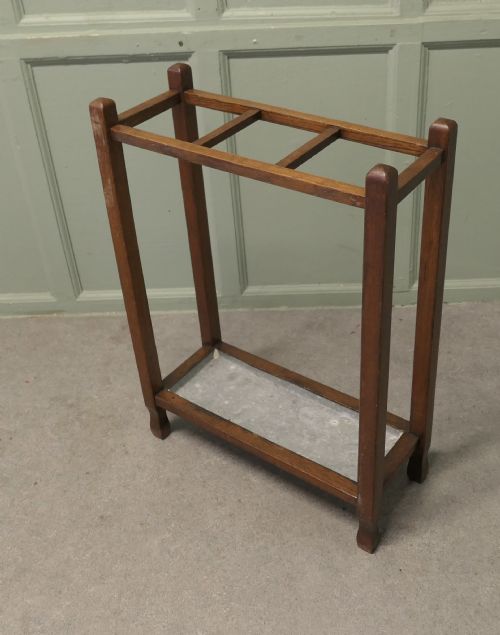
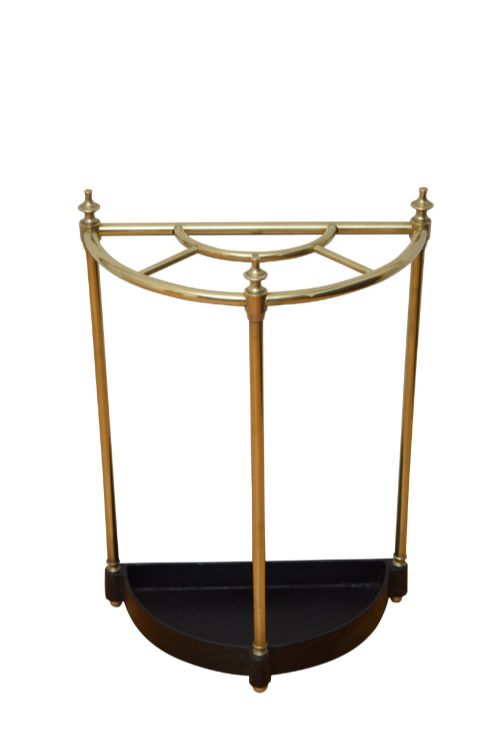
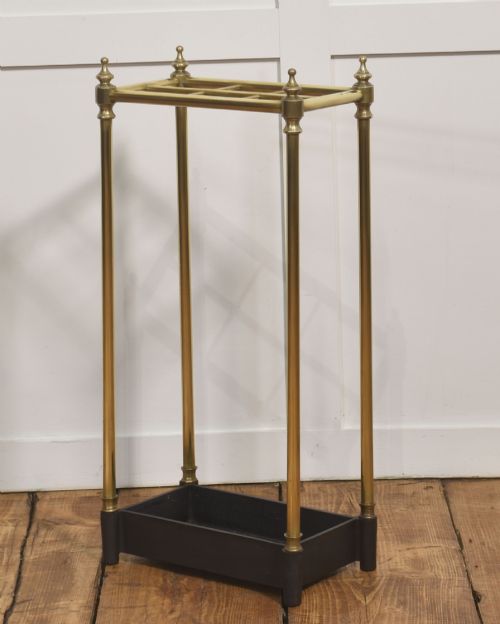
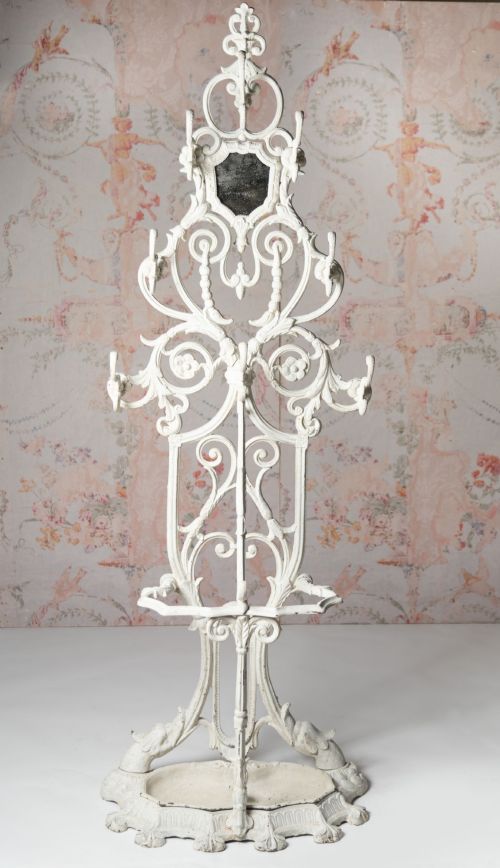
Antique Umbrella Drip Tray
These antique umbrella drip trays are hall and umbrella stands designed to keep floors dry, offering both functional utility and period craftsmanship for the entranceway.
What an antique umbrella drip tray is
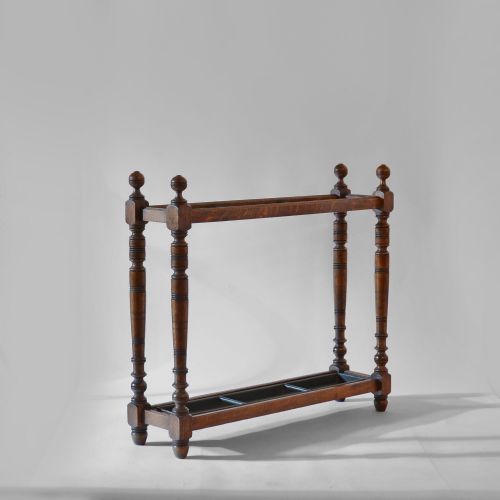
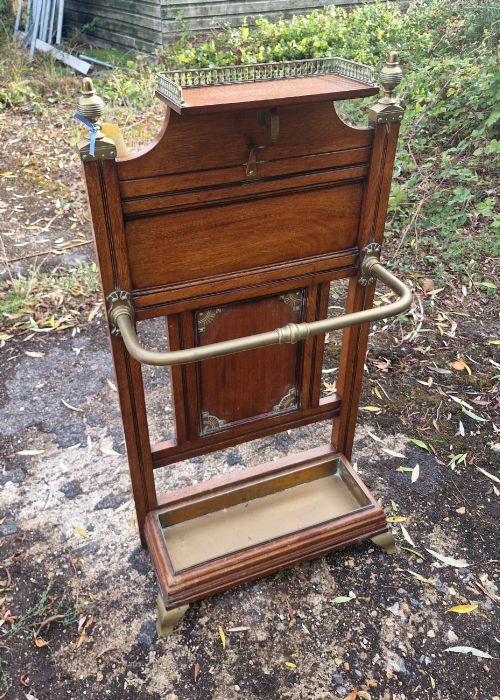
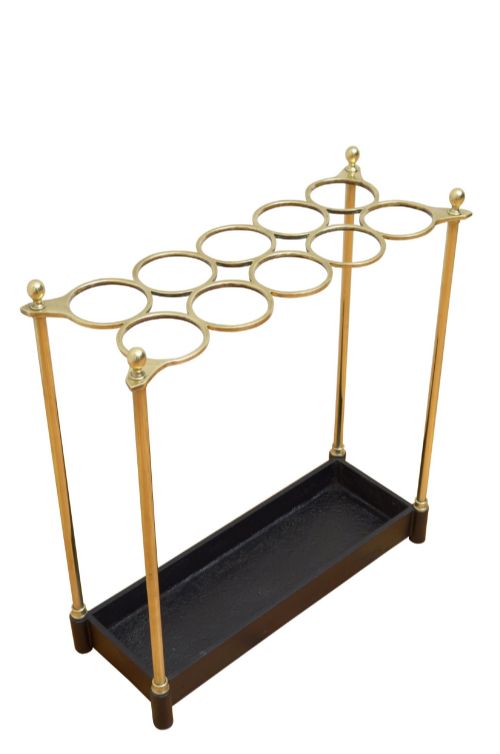
When you search for an antique umbrella drip tray, you are looking at entranceway furnishings designed to hold wet walking sticks and umbrellas while protecting floors. The listings here include dedicated umbrella stands alongside larger hall stands that incorporate the necessary tray.
The pieces on this page span the Victorian and Edwardian eras, with dates reaching from eighteen seventy up to nineteen hundred. You will encounter forms ranging from simple cast iron holders to elaborate carved oak hall stands.
Geographic origins in the evidence extend to Belgium alongside British pieces. Styles represented include Victorian Gothic, Victorian Aesthetic Movement, Flemish Renaissance Revival, and Art Nouveau.
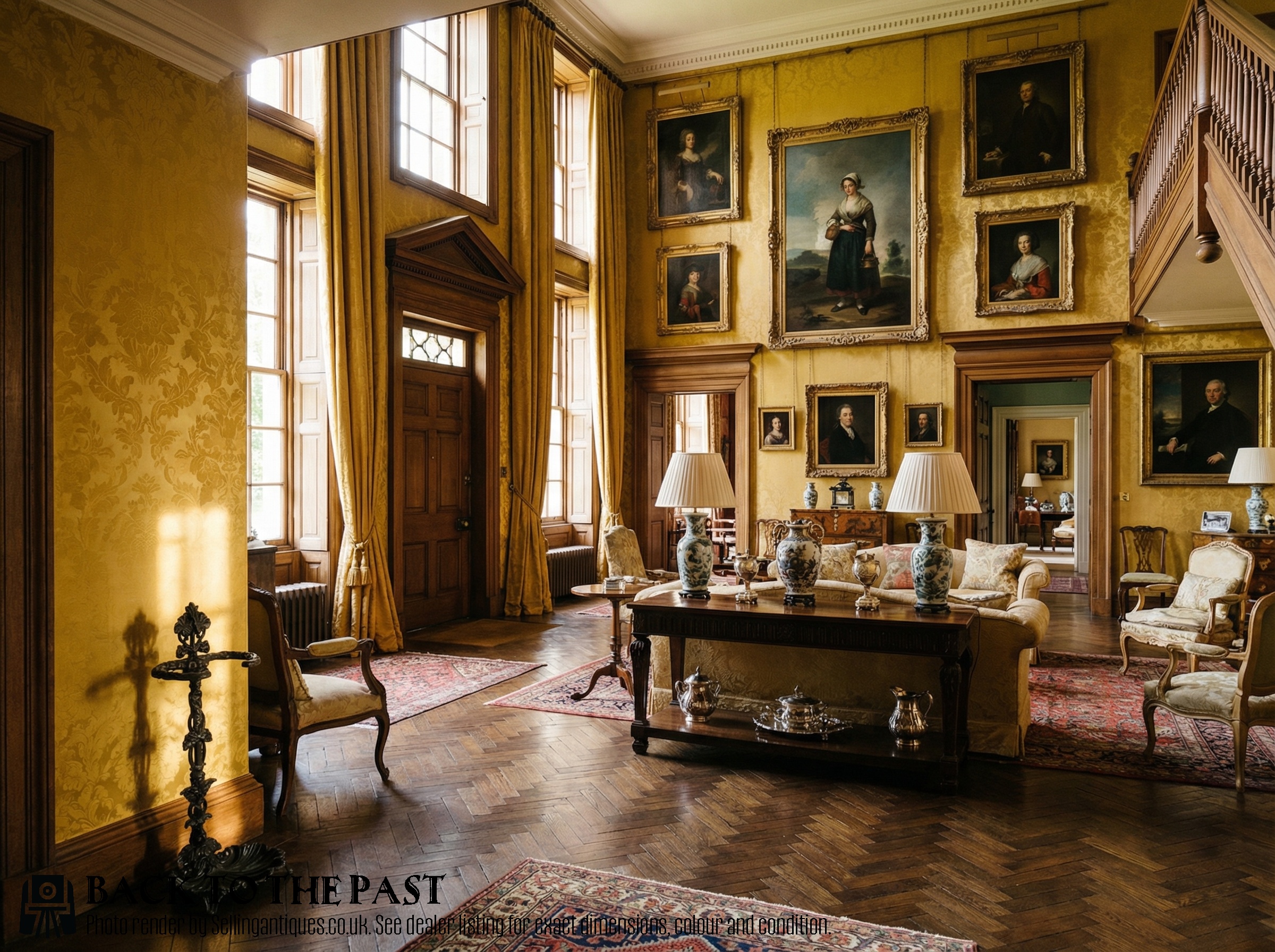
How they were made
Makers utilised solid timbers such as mahogany and oak, frequently employing carved decoration to shape the wood on larger hall stands. These wooden structures were designed to support heavy use in domestic entranceways.
Metalworking techniques appear in cast iron and brass components, while zinc and glass serve as functional elements within the construction. These varied materials provided the durability needed for collecting water from wet umbrellas.
Retail Price Guide 2026
Typical UK retail prices for umbrella drip tray, calculated from the Sellingantiques database of over a million retail prices indexed since 2003. This retail price guide relies exclusively on Sellingantiques data; no external sources or auction records are used, so the figures do not describe the wider market.
Current listings feature cast iron, brass, mahogany, oak, glass, and zinc across the Victorian and Edwardian periods.
What varies in quality
The distinction between standard examples and superior pieces rests upon the ambition of the design and the execution of the materials. Finely carved oak and detailed cast iron represent the upper tier of production.
Coarser utilitarian items contrast with stylistically ambitious works displaying specific period movements like Art Nouveau or Flemish Renaissance Revival. The presence of integrated metal or glass drip components also marks out the sophistication of the build.
Falkirk
The Antique Umbrella Drip Tray Glossary
- Hall stand
- A large entranceway piece combining coat hooks, a mirror, seating or storage, and an umbrella stand with a drip tray. These items anchor the hallway furniture scheme.
- Umbrella stand
- A dedicated freestanding holder for sticks and umbrellas, usually fitted with a base tray to catch moisture. They appear in metal and wood.
- Cast iron
- An iron-carbon alloy poured into moulds to create rigid, decorative frames and heavy drip bases. It resists moisture well.
- Flemish Renaissance Revival
- A nineteenth-century revival style drawing on sixteenth-century Flemish design, characterised by heavy carved oak and architectural detail. Pieces in this style are often imposing.
- Art Nouveau
- An international style of the late nineteenth and early twentieth centuries known for sinuous, organic lines. It appears here in Belgian umbrella stands from around nineteen hundred.
Frequently Asked Questions
What is an antique umbrella drip tray?
An antique umbrella drip tray is the water-collecting base or the complete stand designed for wet umbrellas in a hallway. These items protect entranceway floors from moisture.
The listings show these trays integrated into umbrella stands and large hall stands dating from the Victorian and Edwardian periods.
How do I date these stands?
Dating relies on stylistic clues, materials, and construction methods. Pieces range from eighteen seventy mahogany stands to nineteen hundred cast iron and Art Nouveau examples.
Victorian Gothic and Flemish Renaissance Revival styles point towards the nineteenth century, while Art Nouveau characteristics suggest the turn of the twentieth century.
What materials were used?
The evidence records timber such as mahogany and oak alongside metals like cast iron and brass. Zinc and glass also appear in the construction of these pieces.
Different materials served distinct structural and decorative roles, from heavy wooden hall frames to durable metal water holders.
Where should I place one?
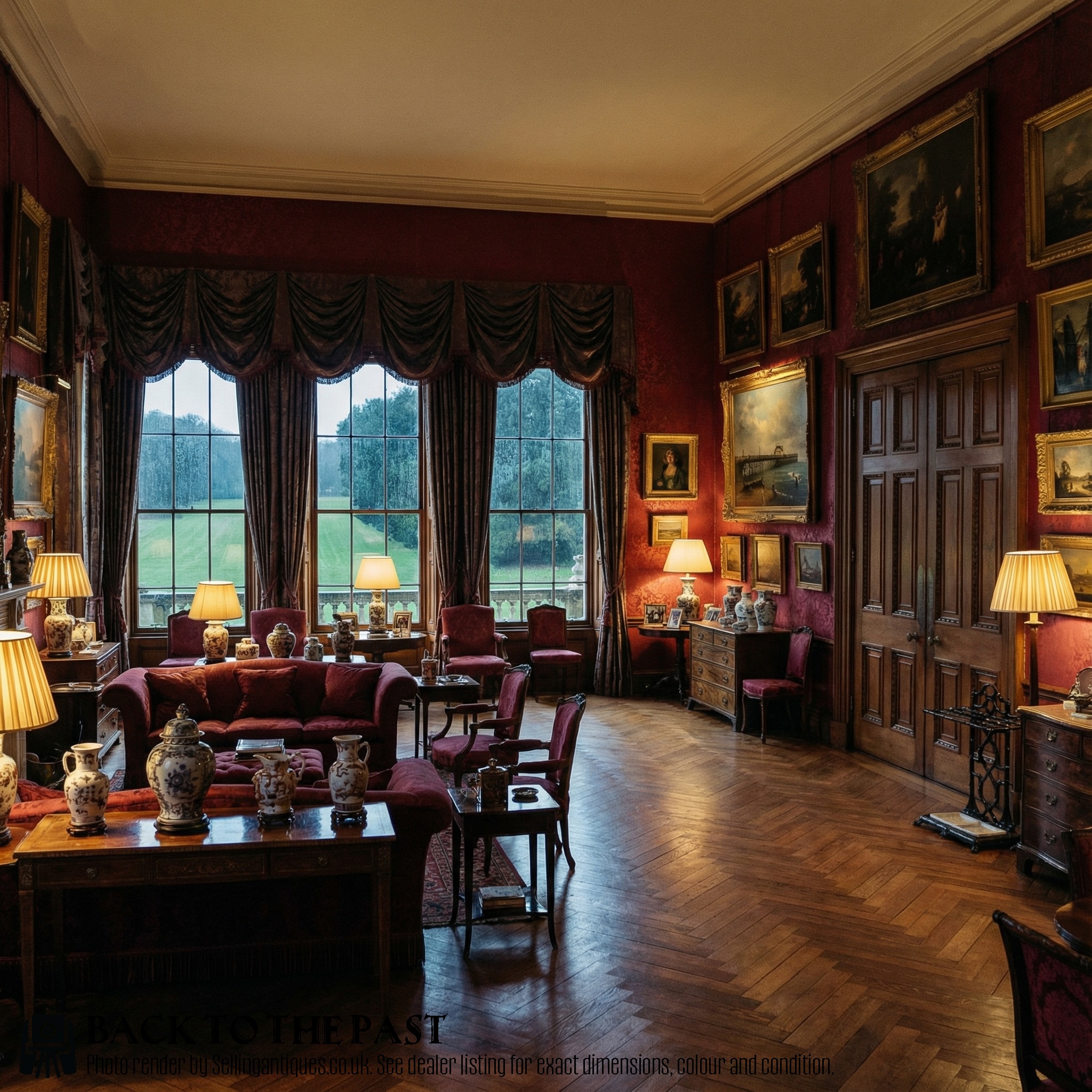
These stands belong in an entrance hall or porch where guests arrive with outdoor gear. They provide an authentic period focal point right by the front door.
Ensure the floor beneath the tray can handle the historical nature of the piece and any residual moisture from daily use.