

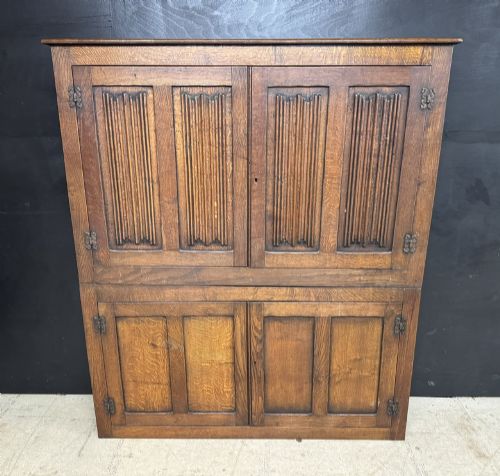
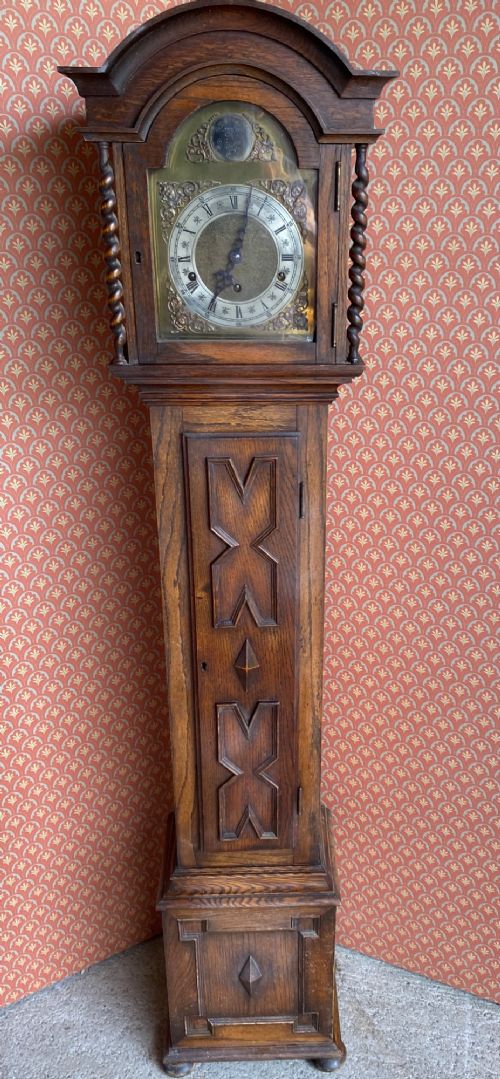
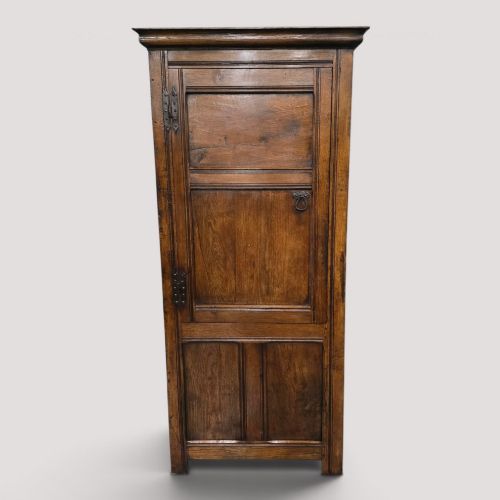
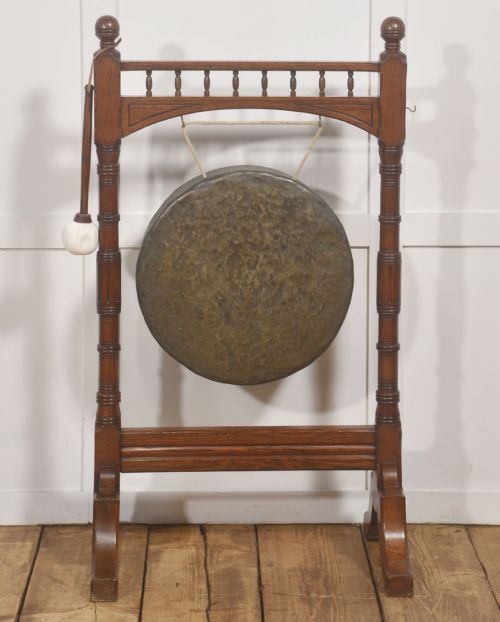


Dark Oak Hall Stand
A dark oak hall stand anchors an entrance hall with heavy timber presence, practical storage, and period character.
Dark Oak Hall Stand
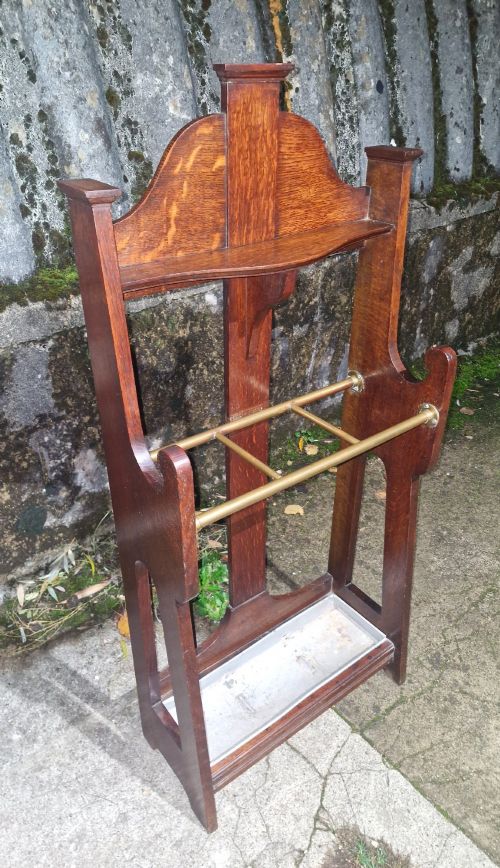
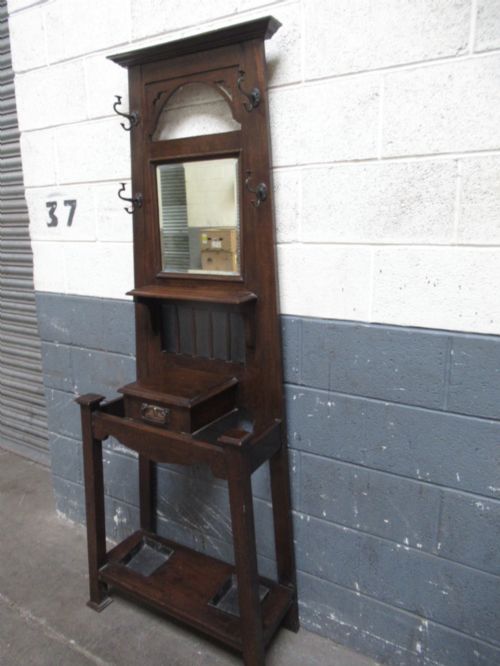
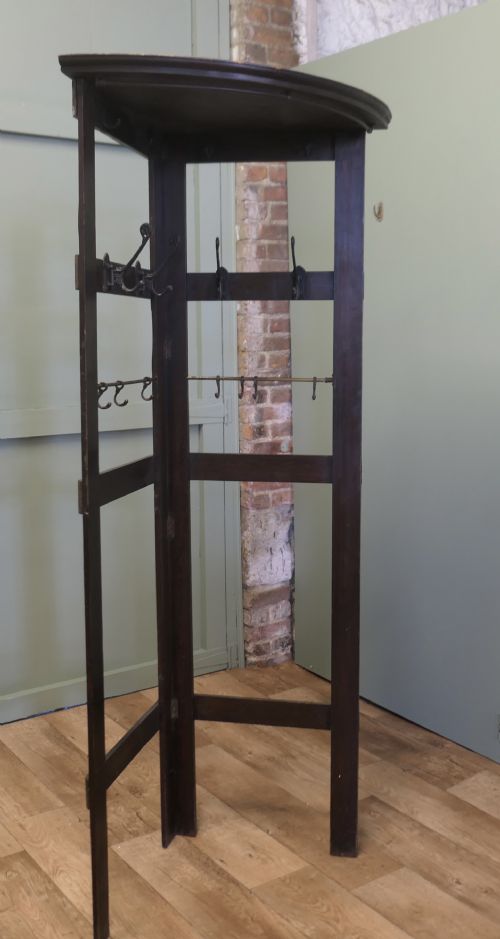
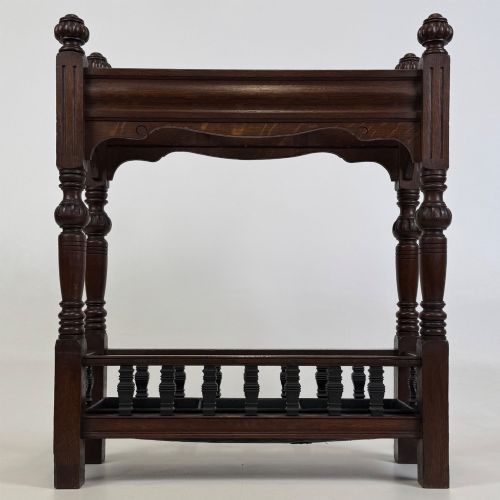
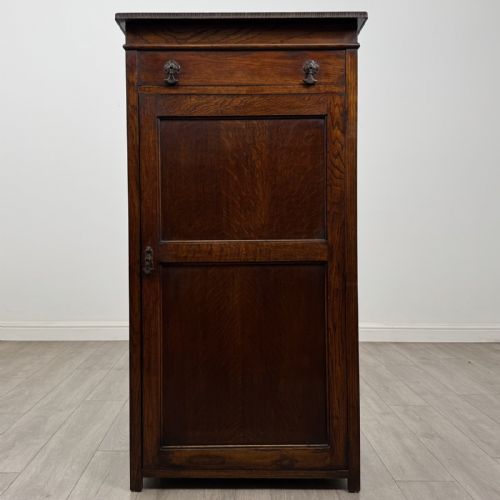
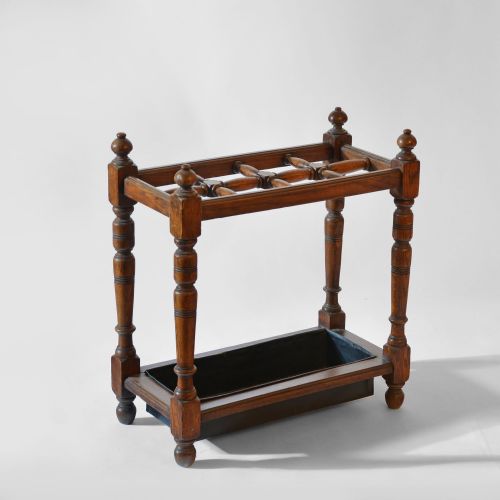
When you examine a dark oak hall stand, you encounter pieces designed to organise coats, hats, and walking sticks in domestic entranceways. The pieces span periods from the nineteenth century through the Edwardian era, incorporating styles such as Gothic Revival, Arts and Crafts, and Aesthetic Movement.
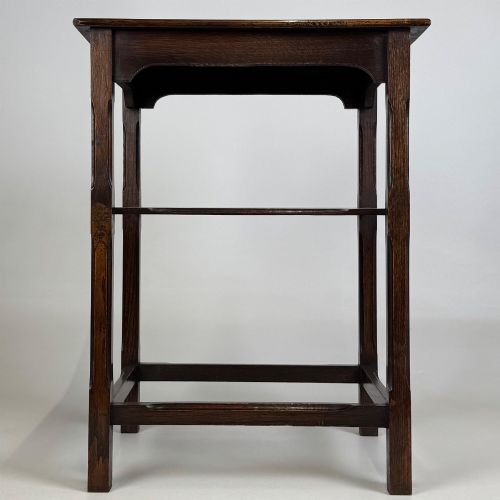
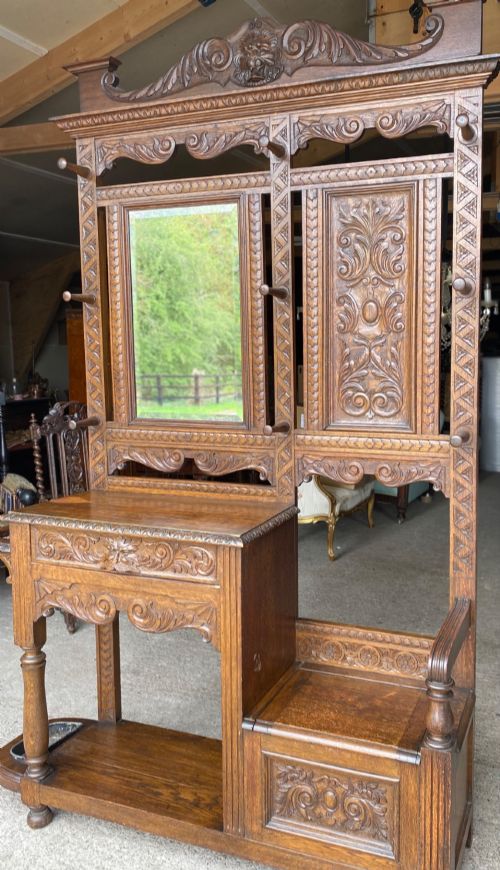
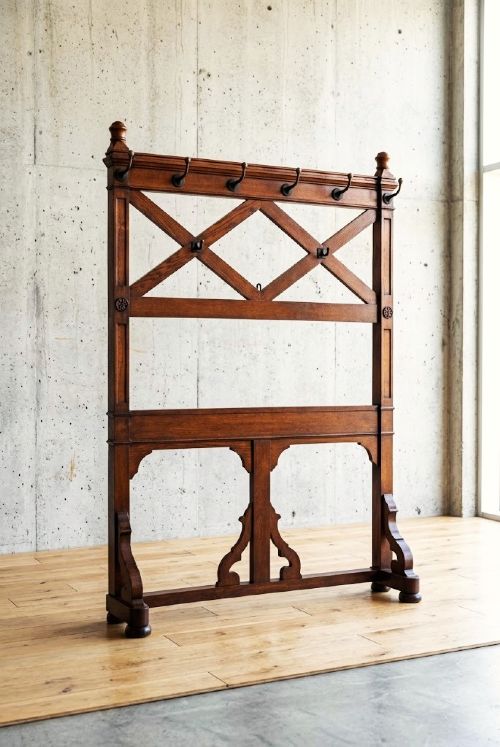
The most common formats combine timber frames with hooks, mirrors, and lower umbrella or stick trays. Alongside dedicated stands, the selection includes related forms like side tables, cupboards, and hall seats that served similar functions in large and small hallways.
What varies in quality
The distinction between standard and superior pieces rests upon the depth of the carving and the integrity of the timber. Finely executed motifs, substantial solid oak construction, and integrated details such as bevelled mirrors elevate specific examples.
Workmanship extends to the hardware, where original matching brass hooks, secure drip trays, and uncompromised structural joints indicate higher original manufacture and careful preservation over time.
Dark Oak Hall Stand Retail Price Guide 2026
Typical asking prices for dark oak hall stand among the pieces listed under this phrase on Sellingantiques today, from the lower quarter to the upper quarter. They describe what is for sale here now, not the wider market.
Listings feature solid oak combined with brass, cast iron, and stag horn across Victorian and Edwardian periods.

Liberty and Co·Heals of London·William Birch·J. Parker of Woodstock
The Dark Oak Hall Stand Glossary
- Stick stand
- A dedicated piece or section designed specifically for upright storage of walking sticks and canes. They frequently incorporate metal liners to protect the surrounding timber from moisture.
- Coopered
- A method of construction using tapered wooden staves bound together with metal hoops, traditionally used for buckets and cylindrical umbrella holders. This technique provides inherent strength against water exposure.
- Gothic Revival
- A nineteenth-century architectural and decorative style that draws inspiration from medieval design. Pieces in this manner feature pointed arches, heavy tracery, and formal severity.
Dark Oak Hall Stand: Frequently Asked Questions
Where should a hall stand go?
A hall stand belongs in an entrance passage or lobby where its original purpose of receiving coats, hats, and wet umbrellas remains useful. Position it against a sturdy wall with adequate clearance for hanging garments.
Ensure the location protects the timber from direct, harsh sunlight while allowing enough room to access lower stick trays and any integrated seating comfortably.
How do I maintain oak furniture?
Oak furniture benefits from regular dusting with a dry cloth and occasional application of traditional beeswax to nourish the timber grain. Avoid placing pieces near direct heat sources to prevent wood splitting.
Check metal drip trays periodically and empty any accumulated moisture to protect the surrounding base from water rings and dampness.
How do I date a hall stand?
Dating relies on examining construction methods, hardware types, and stylistic indicators such as Gothic Revival or Arts and Crafts ornamentation. Edwardian and Victorian pieces often show distinct carving depth and joinery techniques.
Look for original components like cast iron hooks, maker stamps, and patination on the oak surfaces, which accumulate characteristic wear over decades of use.
Can these hold heavy coats?
Solid oak frames secured with strong metal or brass hooks are built to support heavy winter overcoats and garments. The structural stability depends on the wall mounting or the weight distribution of the base.
Distribute heavier items evenly across the available hooks to maintain balance, particularly on freestanding upright coat and hat stands.