




Gothic Revival Hall Stand
These gothic revival hall stand examples bring architectural presence and practical organisation to an entranceway through heavy timber and pointed arches.
Gothic Revival Hall Stand
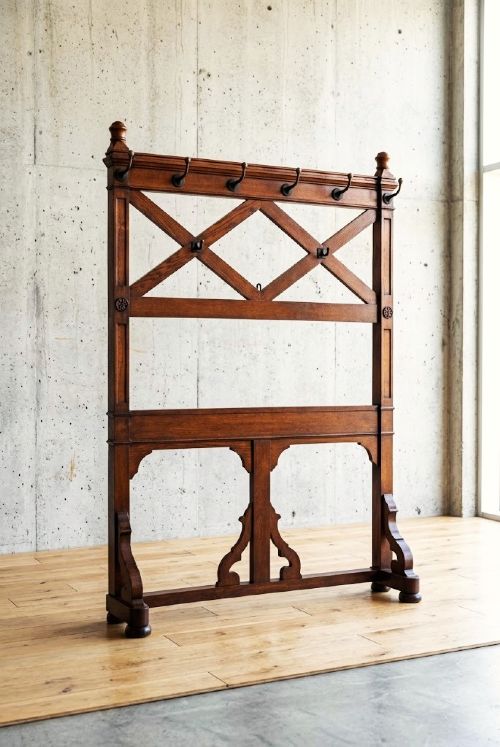
A gothic revival hall stand serves as a combined furniture piece for coats, hats, and wet umbrellas in a domestic hallway. The examples found here originate primarily from the Victorian and Edwardian eras, spanning the nineteenth and early twentieth centuries.
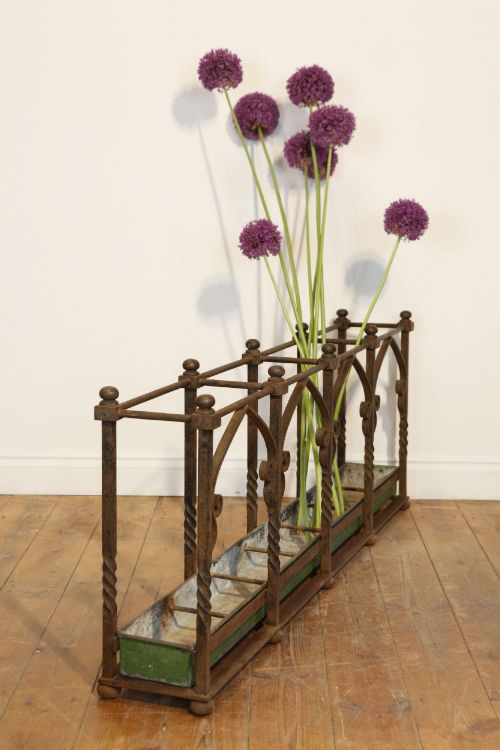
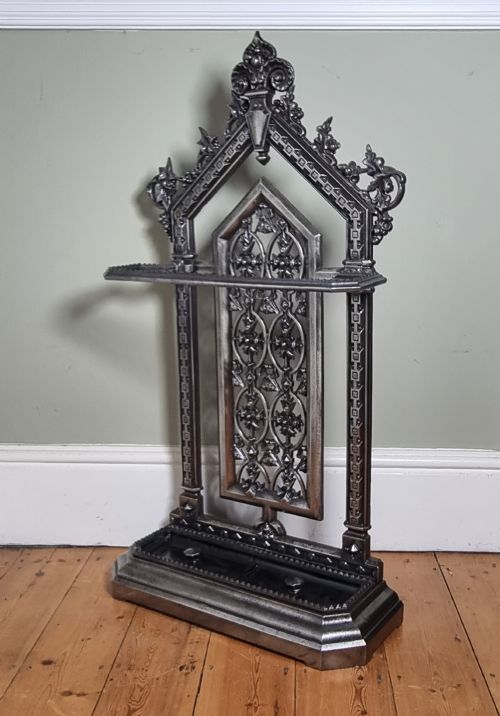
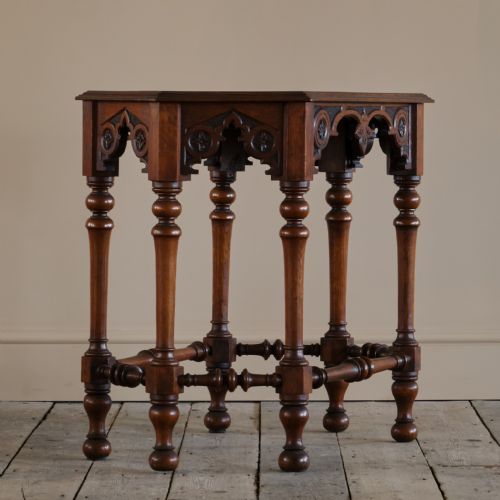
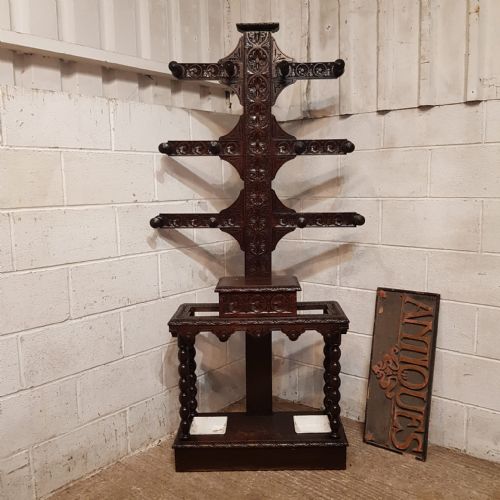
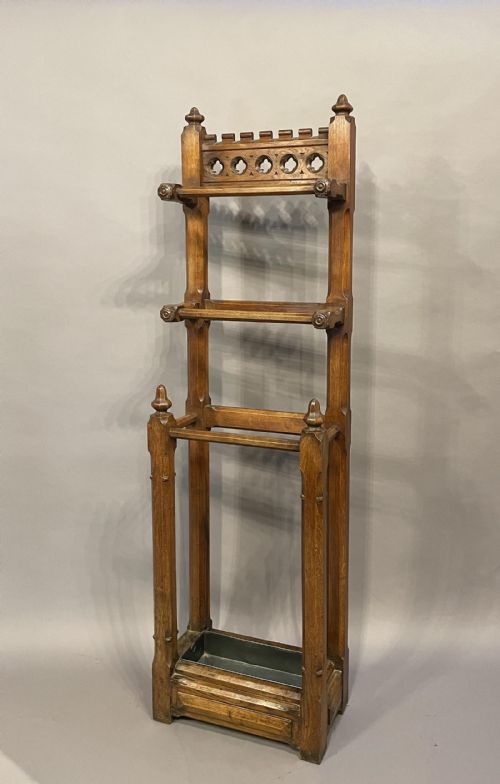
The most common version met on this page is constructed from carved oak, incorporating architectural motifs such as pointed arches, tracery, and occasionally figural carvings like the Greenman. Alongside these timber designs, metal and cast iron umbrella stands appear frequently, often intended for heavy daily use.
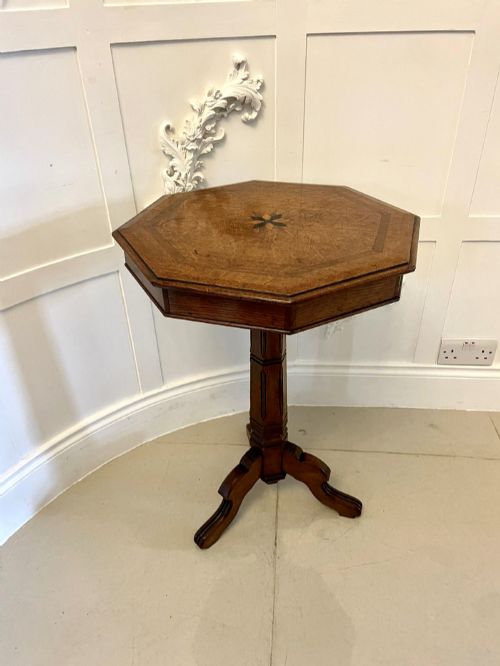
Beyond standard hall stands, related forms in the evidence include umbrella stands, stick stands, coat stands, and hall cupboards. These pieces reflect the nineteenth century taste for revival styles, drawing heavily on medieval and Gothic architecture for inspiration.
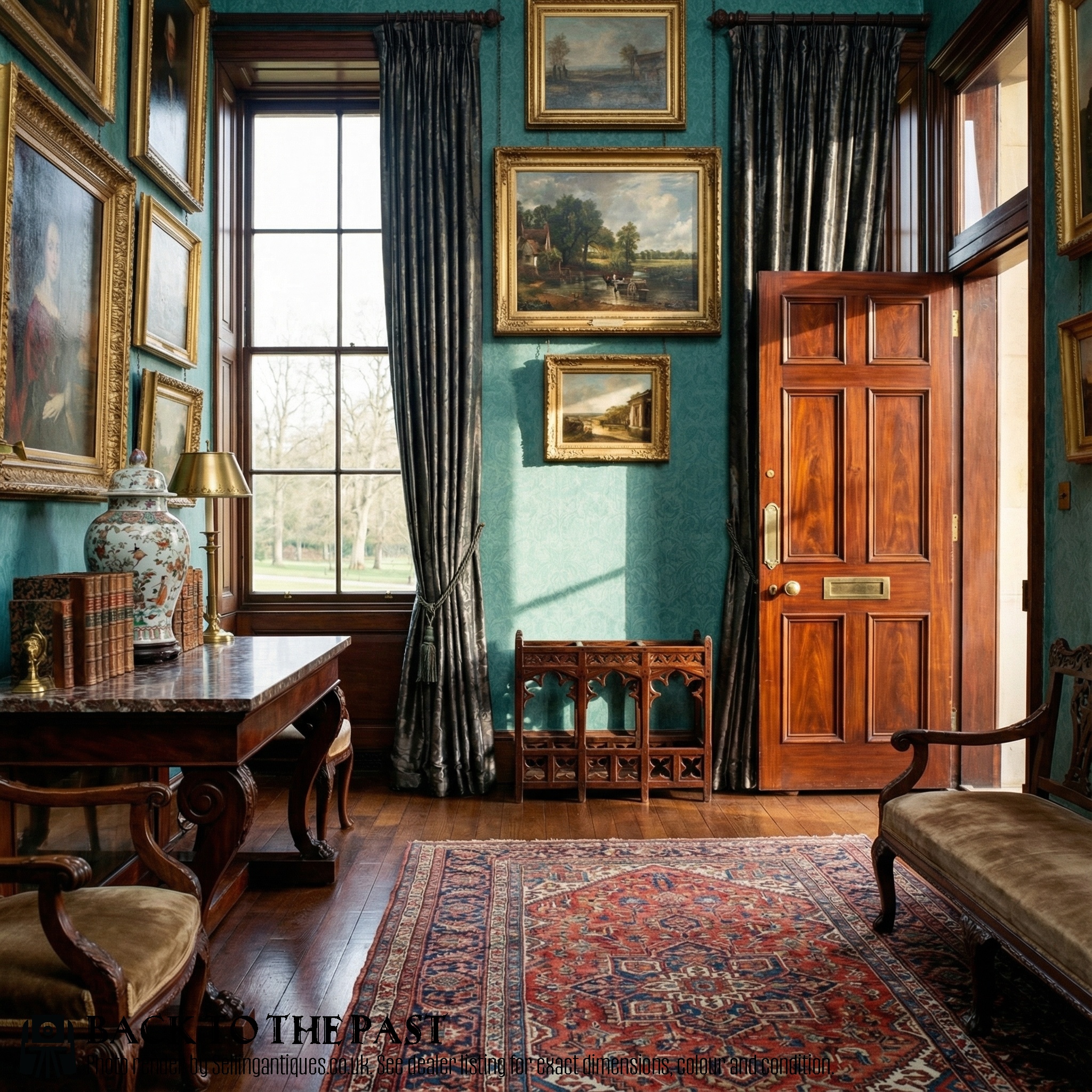
What varies in quality
The standard of carving and the selection of raw materials define the upper tier of these pieces. Deep, crisp hand-carving in solid oak distinguishes superior cabinet work from plainer, mechanically produced alternatives.
The integration of decorative elements such as Minton tiles, cast brass hardware, and specialised foundry stamps elevates a piece. Superior examples maintain structural integrity across tall, slender frames while preserving original drip trays and hooks.
Gothic Revival Hall Stand Retail Price Guide 2026
Typical asking prices for gothic revival hall stand among the pieces listed under this phrase on Sellingantiques today, from the lower quarter to the upper quarter. They describe what is for sale here now, not the wider market.
The listings show materials ranging from solid oak and mahogany to cast iron, brass, zinc, and ceramic tiles.
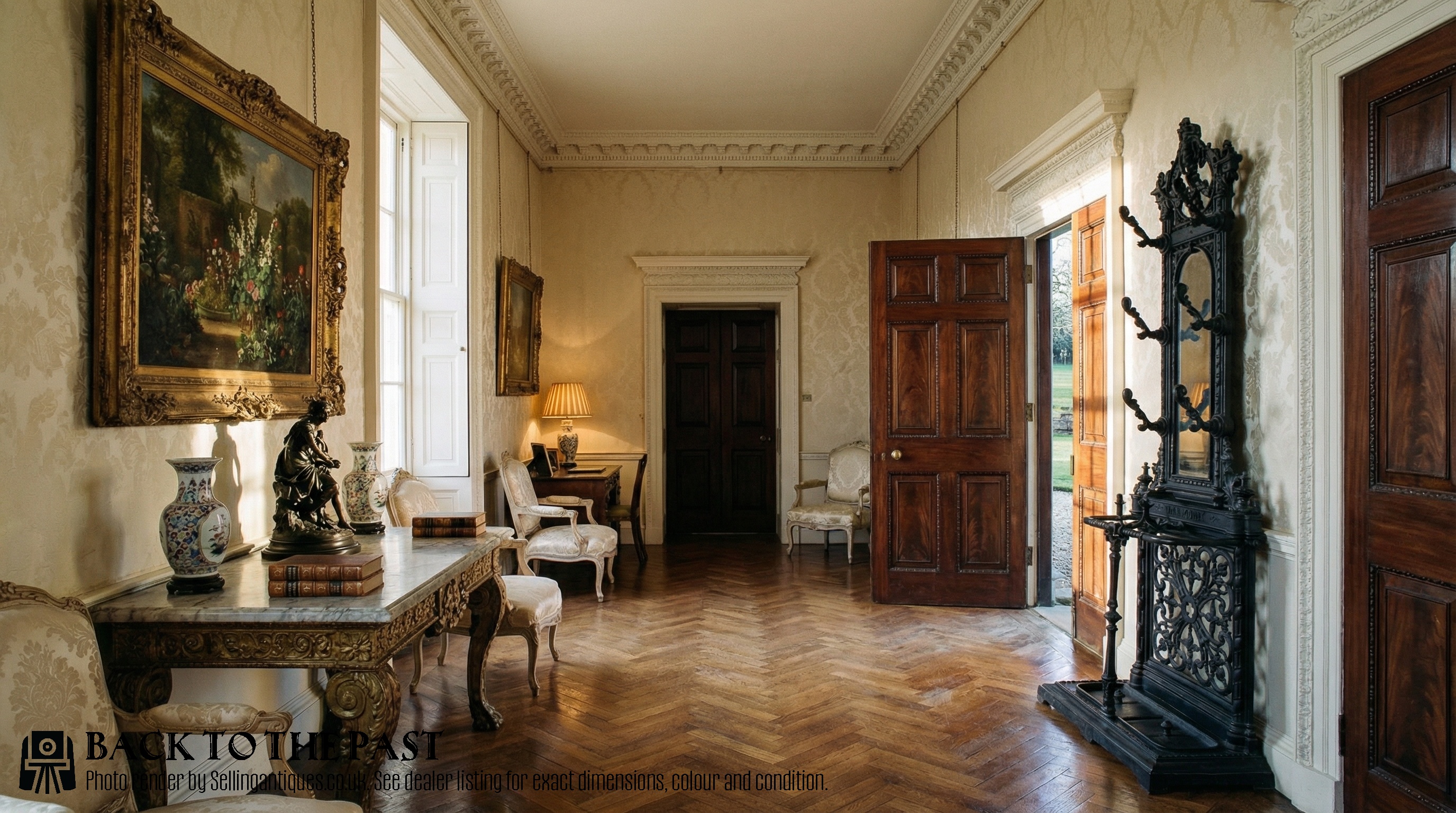
Coalbrookdale
The Gothic Revival Hall Stand Glossary
- Gothic Revival
- An architectural and design movement that revived medieval Gothic forms, visible in pointed arches and heavy ornamentation. This style dominated much of nineteenth century furniture production.
- Greenman
- A sculptural motif depicting a face carved from or surrounded by leaves and vines. It appears frequently in Victorian woodcarving.
- Tracery
- Openwork stonework or timber patterns forming intersecting ribs, adapted here for cabinet panels and mirror frames. It defines much of the Gothic aesthetic.
- Minton Tiles
- Ceramic tiles produced by the Minton factory, often incorporated into the backboards of Victorian hall stands. They added colour and a moisture-resistant surface to the furniture.
- Drip Pan
- A removable metal tray placed at the base of an umbrella stand to catch water. Zinc and iron were common materials for these practical components.
Gothic Revival Hall Stand: Frequently Asked Questions
What is a gothic revival hall stand?
A gothic revival hall stand is a tall entryway furniture piece designed to hold coats, hats, and walking sticks. It combines practical storage with medieval architectural motifs.
These pieces typically feature pointed arches, carved tracery, and hooks, serving as both a functional organizer and a decorative focal point for a hallway.
How were these hall stands used?
They provided a designated spot for outerwear and wet umbrellas upon entering a home. Visitors hung hats and coats on the timber pegs, while wet sticks rested in the metal base.
The integrated trays caught rainwater, protecting hallway floors from moisture and mud during inclement weather.
How do I date a hall stand?
Dating relies on materials, construction methods, and stylistic markers recorded in the nineteenth and early twentieth centuries. Victorian and Edwardian examples often feature specific revival aesthetics and maker stamps.
Evidence such as cast iron foundry marks or ceramic tile manufacturers can also help narrow down the period of production.
Where should I place a hall stand?
A hall stand belongs in an entrance hall or large corridor where its height and depth can be accommodated safely. It requires sufficient wall clearance and floor space to function effectively.
Placement should account for the piece's height and weight, ensuring it anchors well against a sturdy wall in a dry environment.