

Wooden Stick Stand
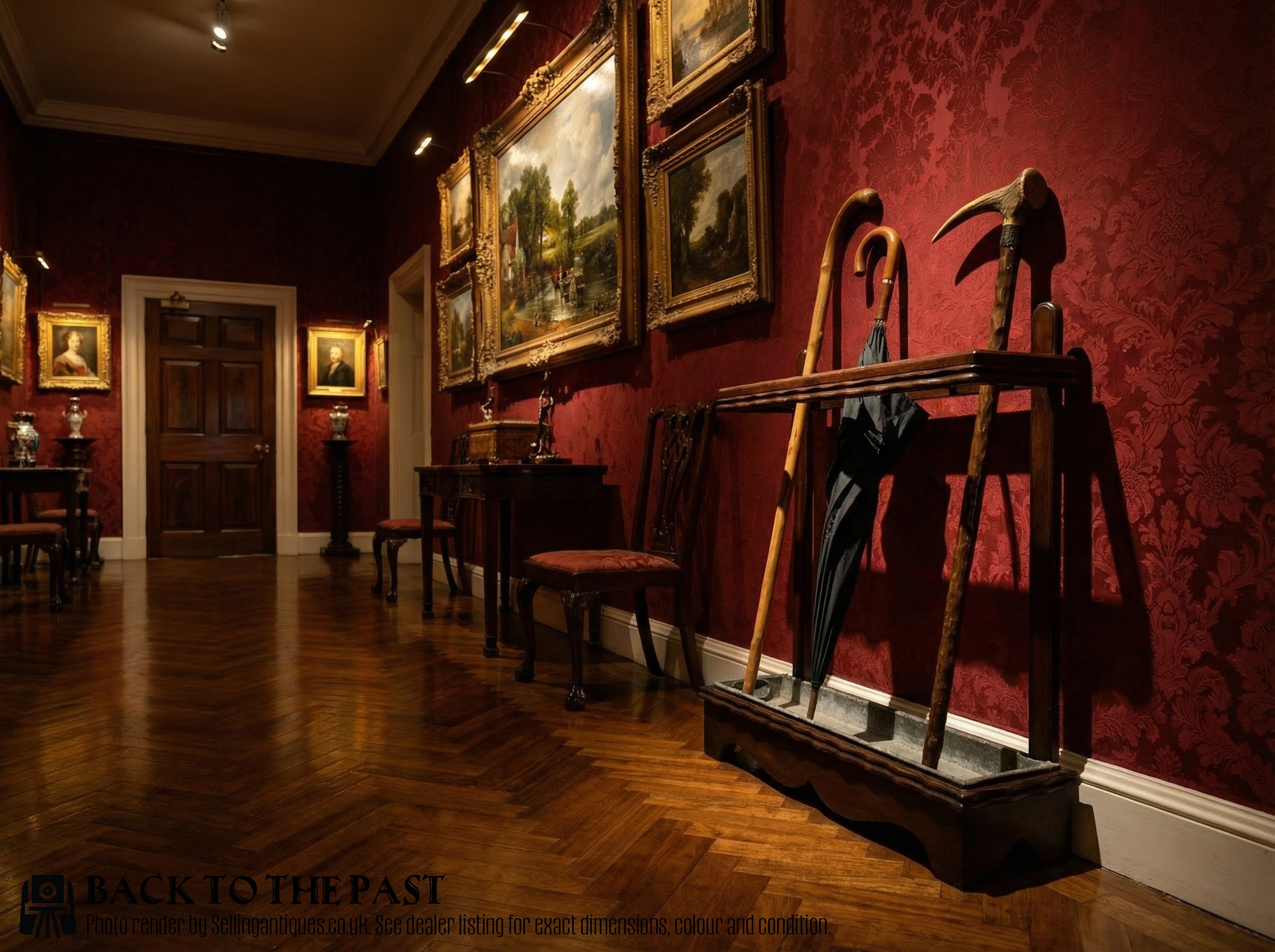
A wooden stick stand holds the hallway together, keeping umbrellas and walking canes in order with understated practical charm.
Wooden Stick Stand
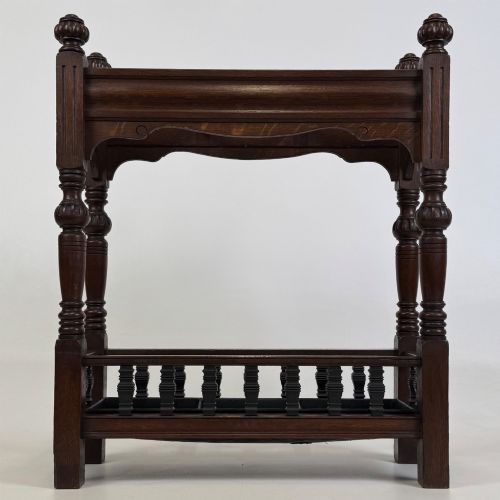
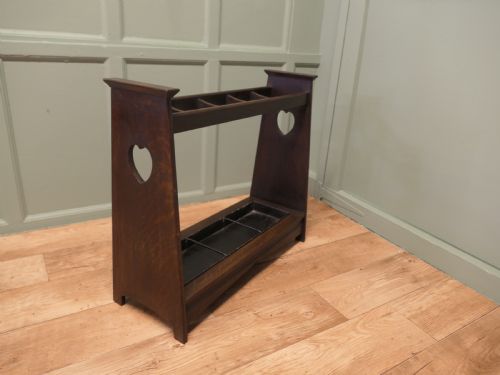
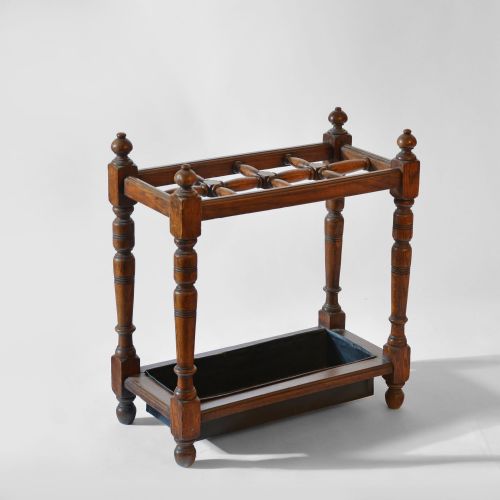
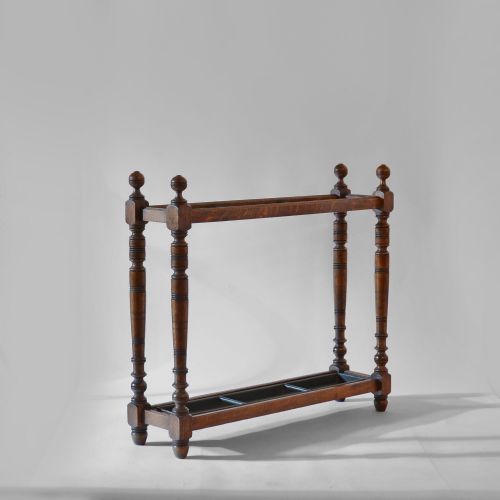
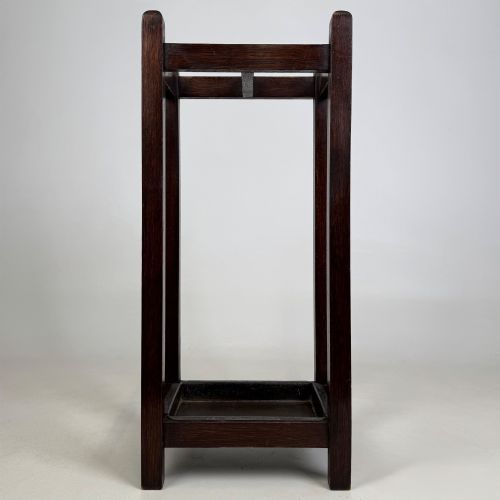
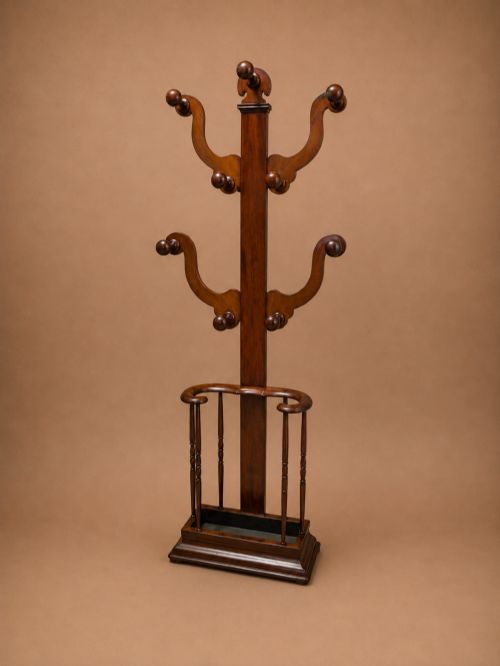
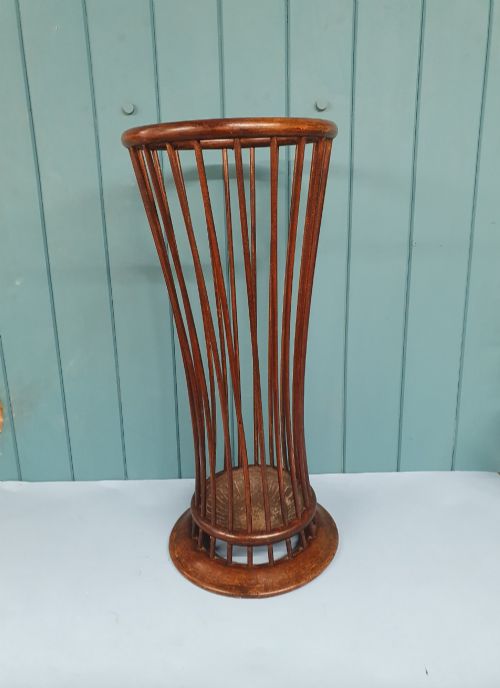
A wooden stick stand serves the entrance hall by receiving wet umbrellas and walking sticks after a journey outside. Buyers looking for a wooden stick stand usually find examples rendered in oak, mahogany, or pitch pine, dating across the Victorian and Edwardian periods.
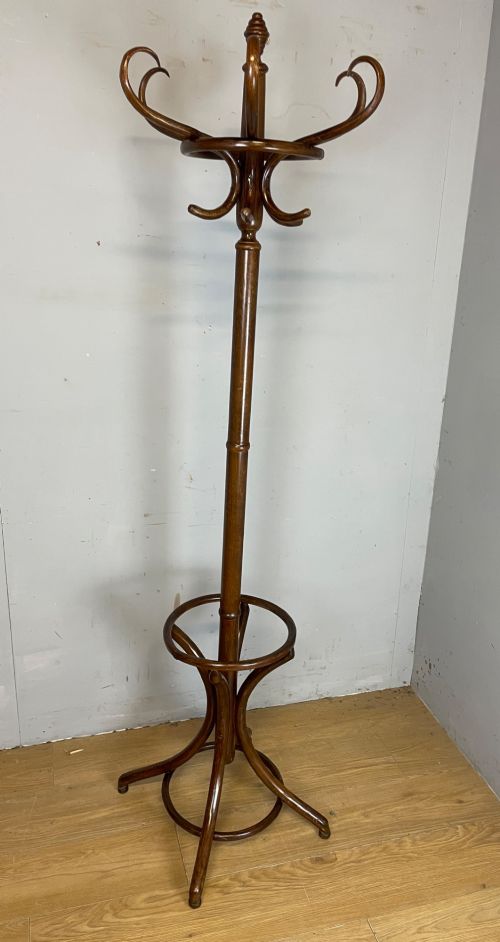
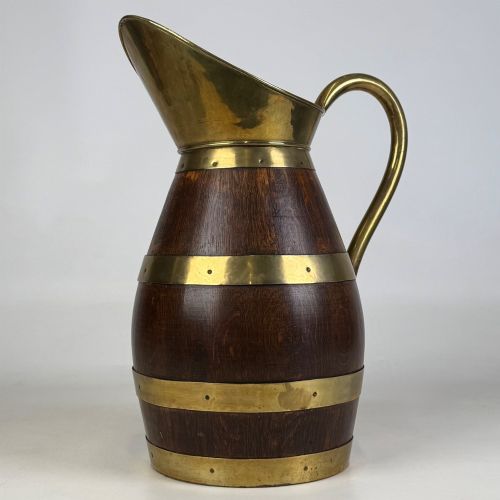
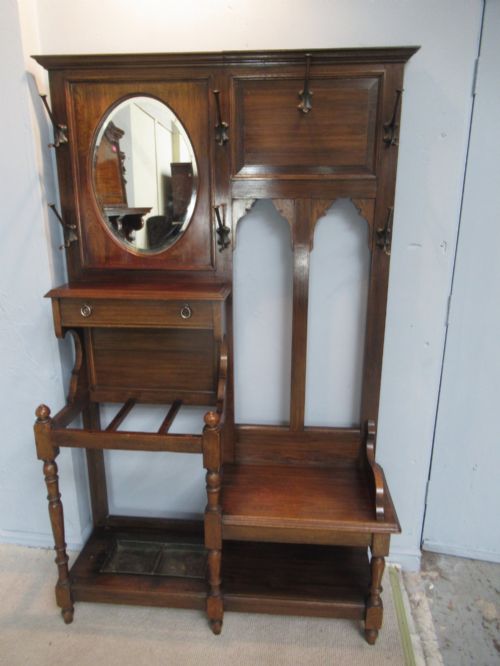
The versions most common on this page are sturdy oak vessels, often featuring brass bounds or coopered barrel construction, alongside taller hall stands that incorporate umbrella holders into their larger frames.
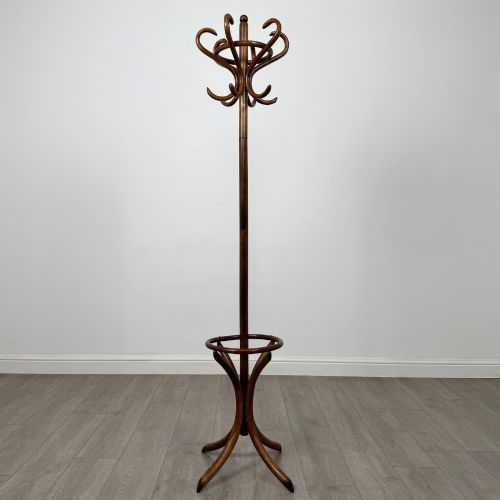
Makers and designers of the period, such as Liberty and Heals of London, alongside firms like Thonet, produced variations ranging from simple country house utilities to distinctive Arts and Crafts and Aesthetic Movement forms.
Materials and construction
Makers relied primarily on timbers such as oak, mahogany, beech, and pitch pine, selecting them for durability in high-traffic hallways. Coopered barrel examples utilised staves held together by brass or metal bands.
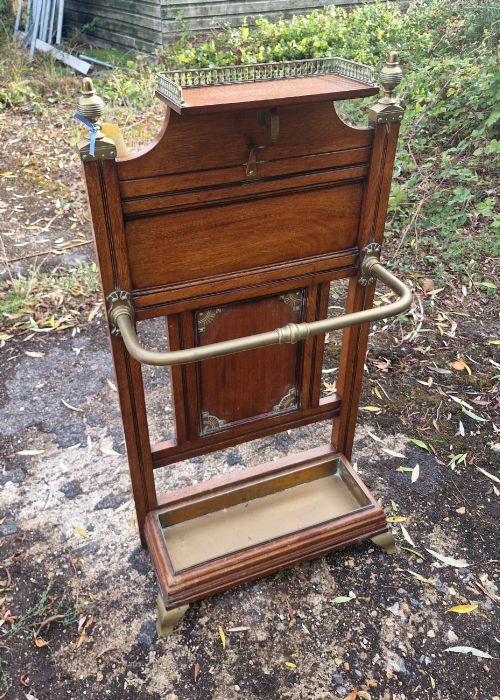
Metal components played a vital role, with original cast iron or metal drip trays fitted at the base to catch water from wet umbrellas and protect the wooden floors beneath.
Wooden Stick Stand Retail Price Guide 2026
Typical asking prices for wooden stick stand among the pieces listed under this phrase on Sellingantiques today, from the lower quarter to the upper quarter. They describe what is for sale here now, not the wider market.
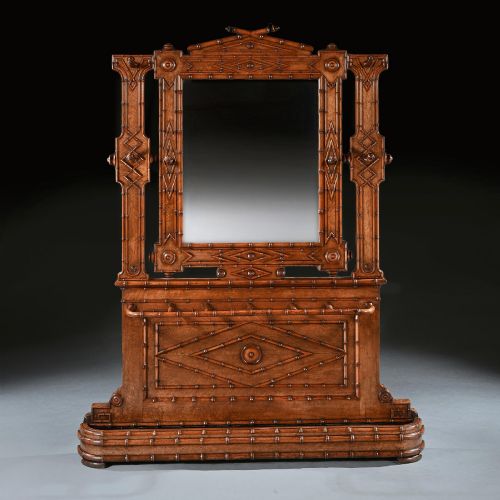
Mahogany hall stands frequently incorporate carved panels, umbrella wells, and occasional seating into single hallway items.
Quality and craftsmanship
The distinction between standard utility items and finer pieces lies in the selection of timber, such as figured mahogany or golden oak, and the sophistication of joinery like dovetailing and coopered staves. Carved details and the presence of original brass bounds elevate certain examples above plain country house utilitarian designs.
Survival of original elements dictates the standing of a piece, particularly whether the metal drip tray remains intact and corrosion-free, and if the timber retains its honest patina without excessive modern restoration.
Liberty Design·Heals of London·Thonet
The Wooden Stick Stand Glossary
- Coopered
- Made by assembling curved wooden staves bound with metal hoops, much like a traditional barrel. This technique provided sturdy waterproof construction for holding damp umbrellas.
- Drip tray
- A metal or glass receptacle placed at the bottom of the stand to catch water. Original trays add significantly to the integrity of the piece.
- Bentwood
- Wood steamed and bent into curved shapes, famously utilised by makers like Thonet. This technique created lightweight yet resilient frames for umbrella stands.
- Hall stand
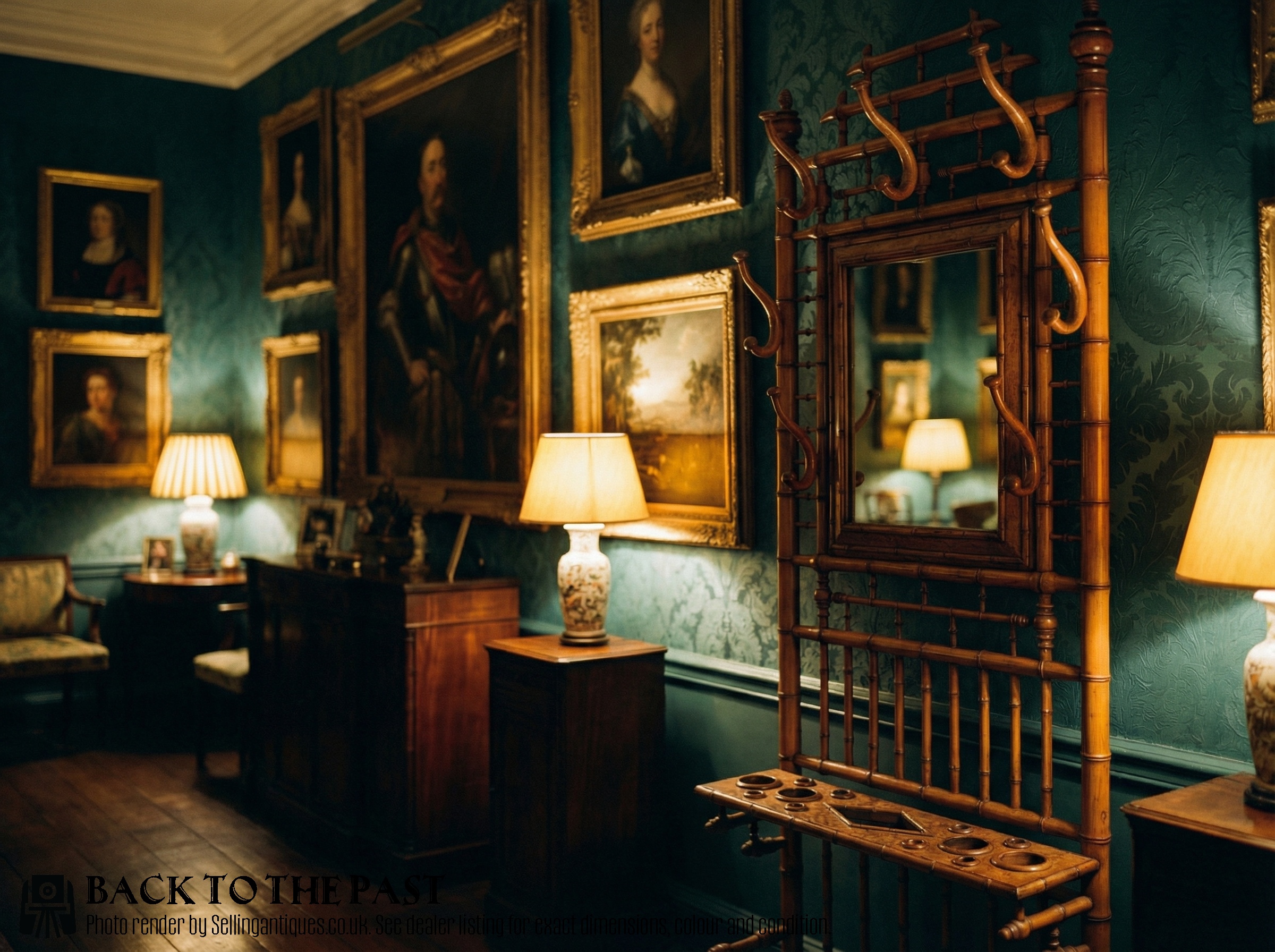
- A large piece of entrance furniture combining a mirror, coat hooks, glove boxes, and integrated umbrella stands. These multifunctional items dominated Victorian and Edwardian hallways.
- Arts and Crafts
- A design movement prioritising traditional craftsmanship and simple forms over mass production. Pieces from this style often display honest oak construction and subtle handmade details.
Wooden Stick Stand: Frequently Asked Questions
Where were wooden stick stands placed?
These stands stood immediately inside the front door of houses and public buildings. They provided an accessible drop-off point for visitors entering from the rain.
In larger properties, they formed part of a grander hall arrangement alongside coat racks and mirrors. In modest homes, a compact barrel or corner stand saved valuable floor space.
How do I protect the floor from wet umbrellas?
Most period stands feature an original metal or cast iron tray slotted into the base. This catches any water running down the umbrella shafts.
If a piece lacks its original tray, modern discreet liners can sit inside the base to protect antique wood from prolonged moisture exposure.
Are these stands suitable for modern hallways?
Their narrow footprints make them ideal for contemporary urban hallways and porches. They occupy minimal floor space while offering practical storage for daily walking gear.
The warm tones of oak and mahogany also add immediate character to neutral modern interiors.
What is a coopered barrel stand?
A coopered barrel stand uses vertical wooden staves fitted tightly together and secured by metal hoops. This construction mimics traditional cask-making techniques.
They appear frequently in oak with brass bounds, offering a robust nautical or rustic aesthetic.
How do I distinguish Edwardian from Victorian examples?
Victorian stands tend to feature heavier, darker timbers with rich carved details and imposing proportions. They reflect the ornate tastes of the nineteenth century.
Edwardian pieces often embrace lighter golden oak and cleaner lines, influenced by the burgeoning Arts and Crafts movement.