
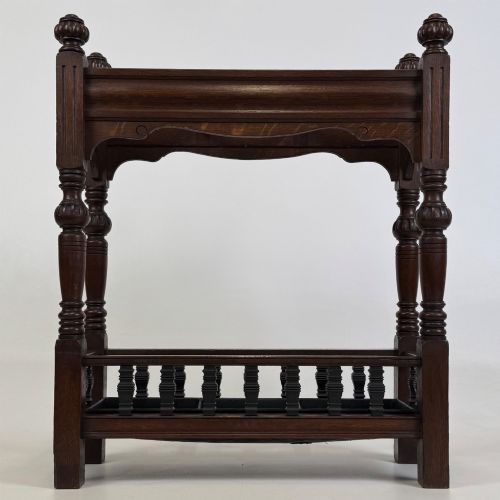
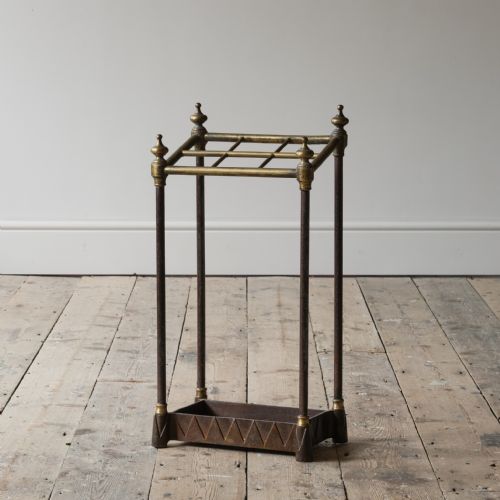
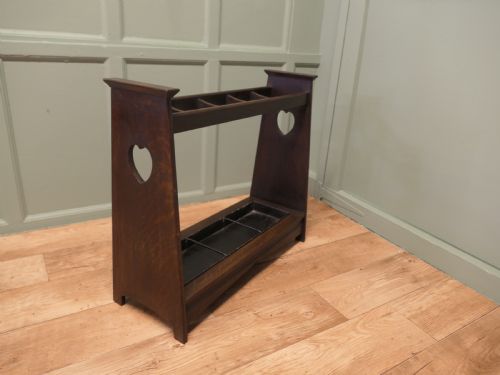

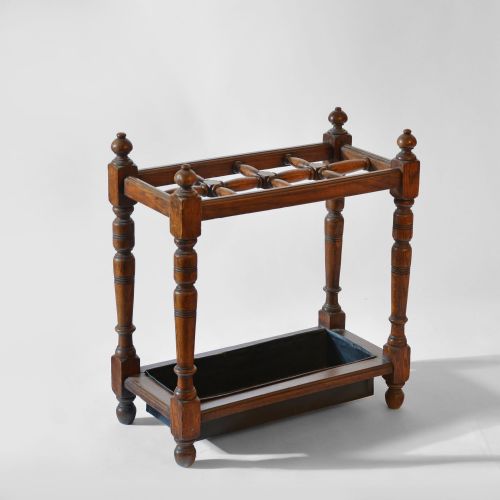
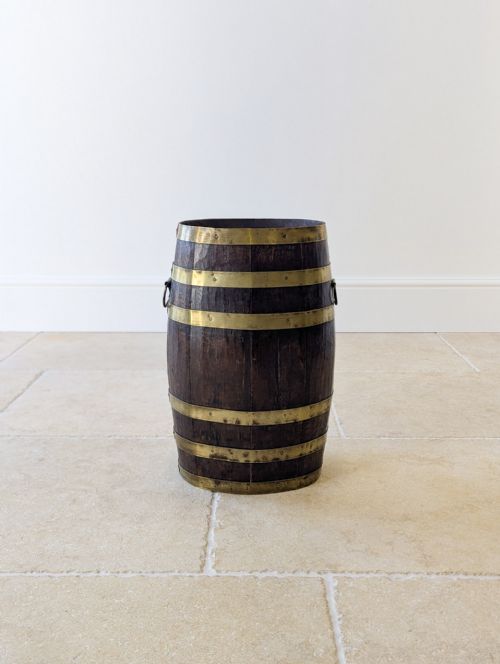
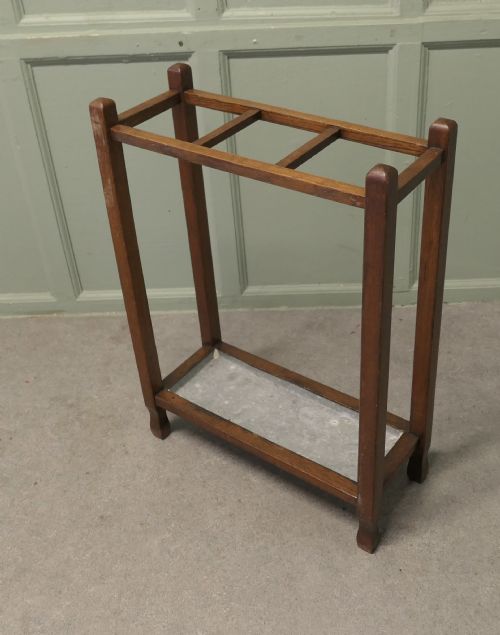
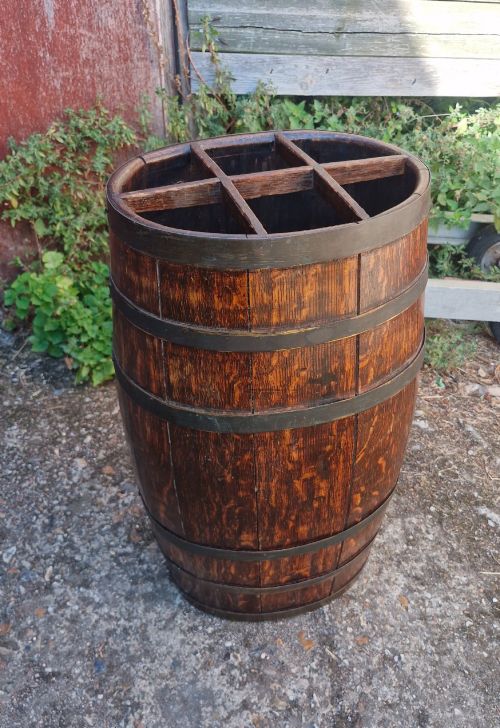
Hallway Cane Stand
A hallway cane stand organises daily walking aids and wet weather gear while bringing period presence right to your threshold.
What these pieces are
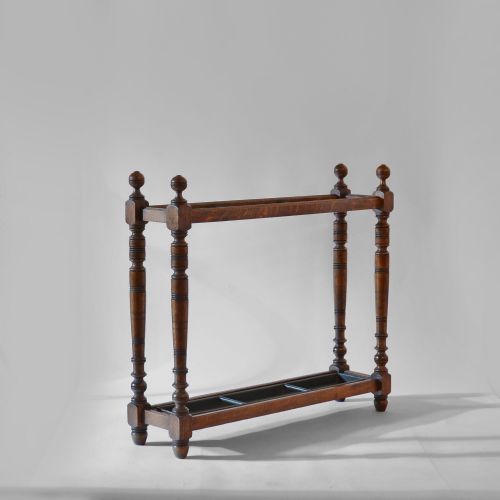
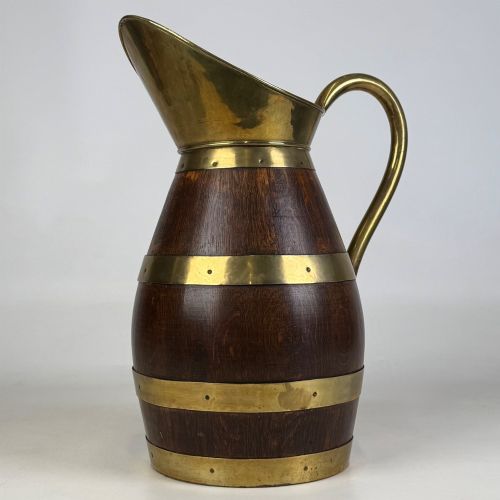
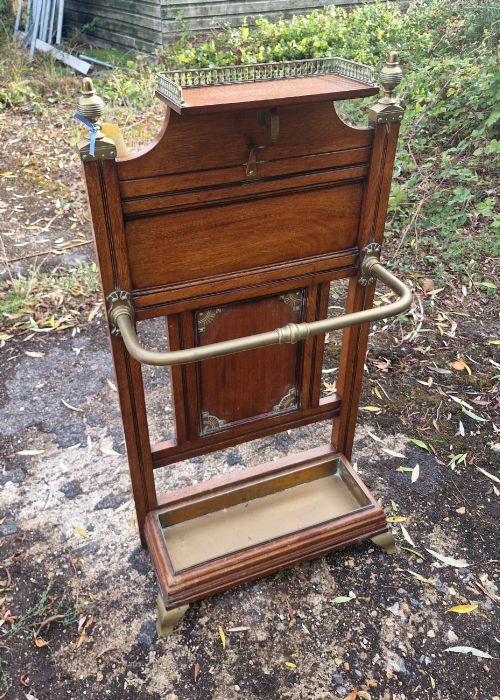
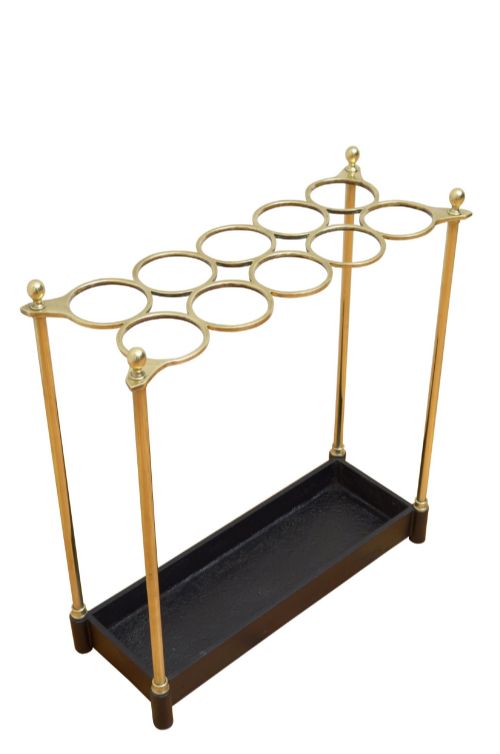
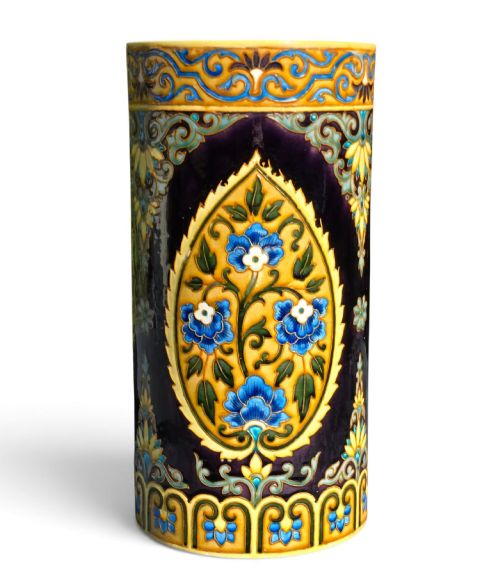
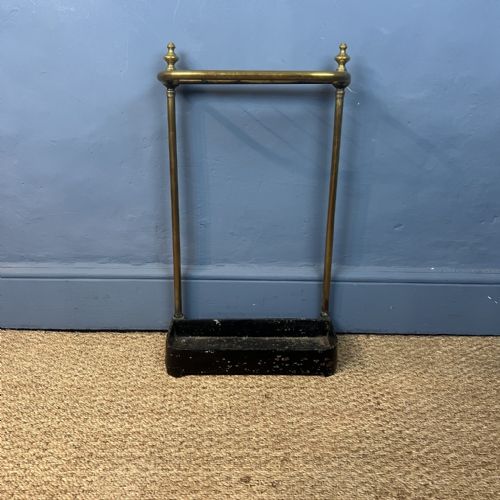
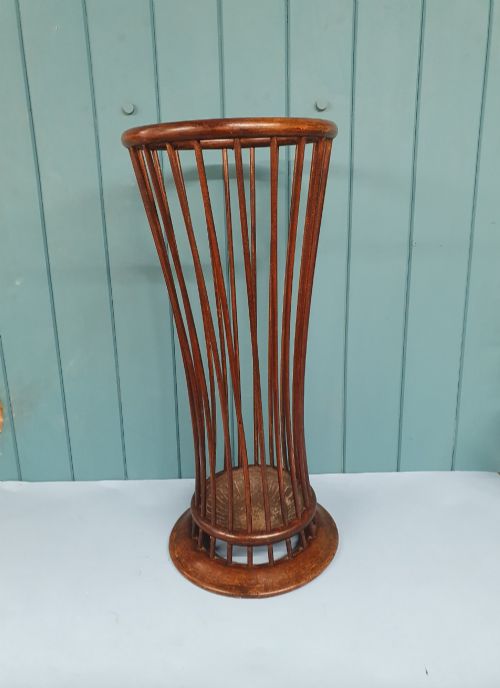
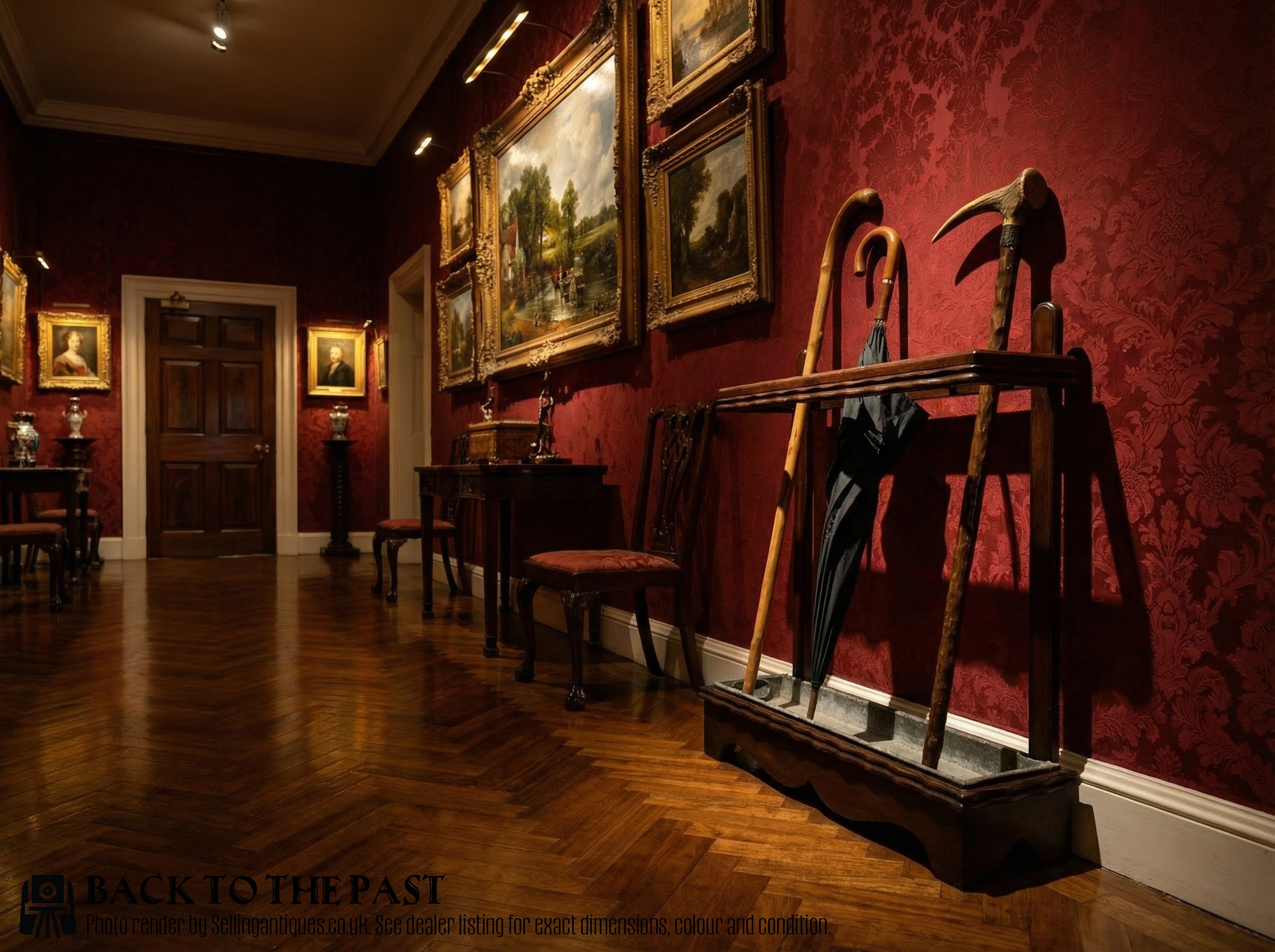
A hallway cane stand provides a dedicated spot for umbrellas, walking sticks and canes as soon as people step through the door. These furnishings appear as stick stands, umbrella stands and combined umbrella and stick stands.
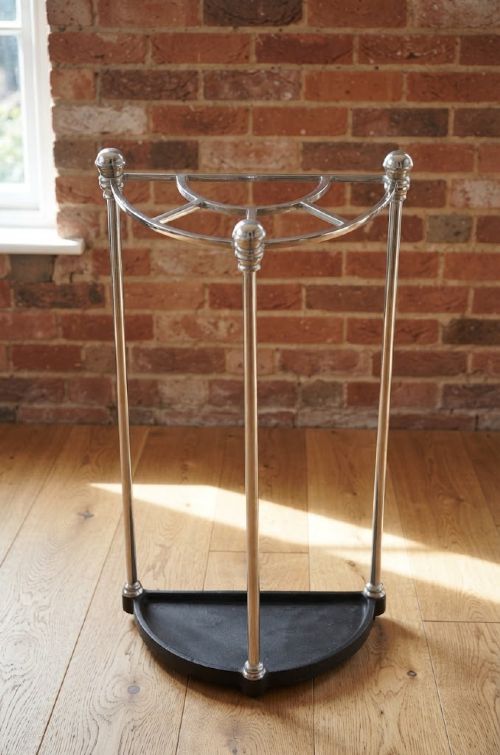
The selections available include compact demi lune designs alongside circular forms. Pieces span the Victorian era, the early twentieth century, and specific decades such as eighteen ninety, nineteen twenty, and nineteen thirty.
Examples frequently combine robust timber frames with metal reservoirs. Historic workshops produced them in forms that complement both modest vestibules and grand entrance halls.
How they were made
Makers utilised solid timbers including oak and walnut for the primary frames, constructing sturdy uprights and bases. Metal components such as brass, cast iron, cast metal, bronze and zinc formed the structural collars, frames and drip trays.
Artisans applied cast iron and brass casting techniques to shape intricate decorative frames, while joiners worked timber into panels and turnings. Some designs incorporated removable zinc or metal trays at the base to catch moisture from wet umbrellas.
Retail Price Guide 2026
Typical UK retail prices for hallway cane stand, calculated from the Sellingantiques database of over a million retail prices indexed since 2003. This retail price guide relies exclusively on Sellingantiques data; no external sources or auction records are used, so the figures do not describe the wider market.
Several stands feature original zinc liners that have quietly caught fifty years of rainy day drippings without complaint.
What varies in quality
Superior examples distinguish themselves through the substantial weight of their cast metal elements and the careful selection of figured walnut or solid oak. Lesser items rely on thinner gauge metals and simpler structural assembly.
The refinement of decorative detailing marks the upper tiers of production, particularly in Art Nouveau motifs and Jacobean Revival turnings. Quality rests in how securely the metal components integrate with the wooden frames.
The Hallway Cane Stand Glossary
- Demi-lune
- A half-moon shape designed to sit flat against a hallway wall and save floor space. This configuration appears frequently in brass stick stands.
- Cast iron
- An iron-carbon alloy poured into moulds to create rigid, heavy framework. This material provides stability at the base of heavy umbrella stands.
- Jacobean Revival
- A nineteenth and twentieth century design style reviving seventeenth century English motifs. Pieces in this style feature dark oak and heavy turnings.
- Art Nouveau
- An international style popular around nineteen hundred characterised by flowing, organic lines. This aesthetic appears on brass and bronze umbrella racks.
Frequently Asked Questions
Where should I place a hallway cane stand?
Position your stand directly inside the front entrance where wet umbrellas and walking sticks accumulate upon arrival.
Ensure there is enough clearance around the piece for guests to retrieve their items without crowding the hallway.
How do I protect my floors from wet umbrellas?
Many historic stands include original metal or zinc drip trays positioned at the base to catch rainwater.
Check that your tray is intact, and place a small absorbent mat beneath the stand if the floor is particularly sensitive to moisture.
How do I date a brass and oak stand?
Examine the construction methods, materials and stylistic clues such as Art Nouveau curves or Jacobean Revival turnings.
Victorian and early twentieth century pieces often display distinct casting marks and patination on the brass components.
Can these stands hold heavy walking canes?
Solidly constructed oak, walnut and cast iron stands are built to bear the weight of heavy wooden walking sticks.
Ensure the base frame and divider rails are rigid enough to keep tall, heavy items upright and stable.