

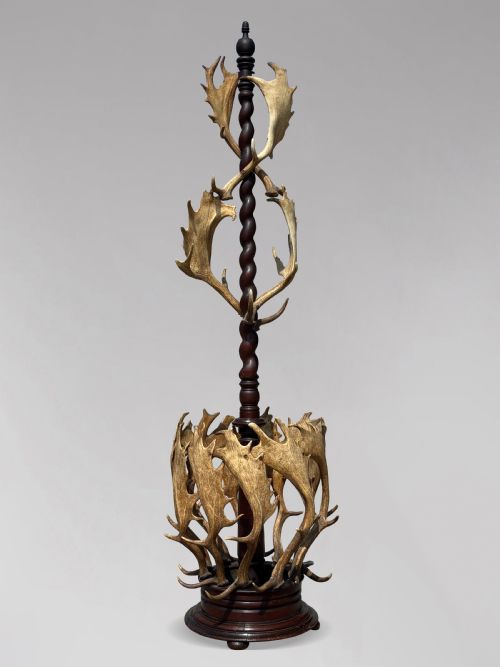
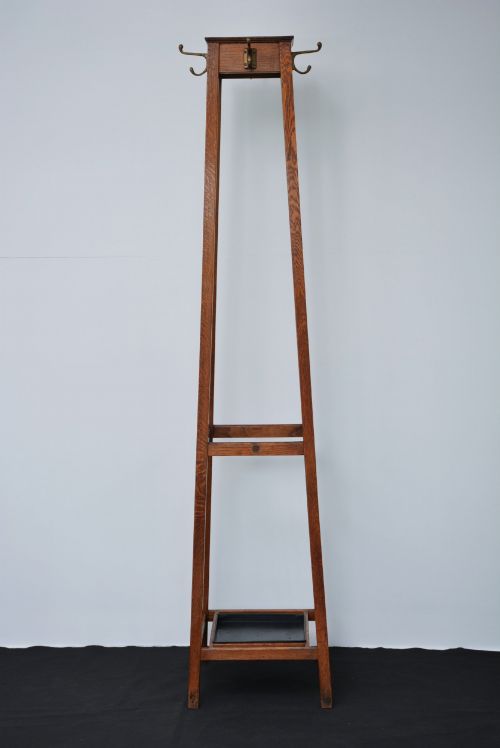
Antique Oak Hall Tree
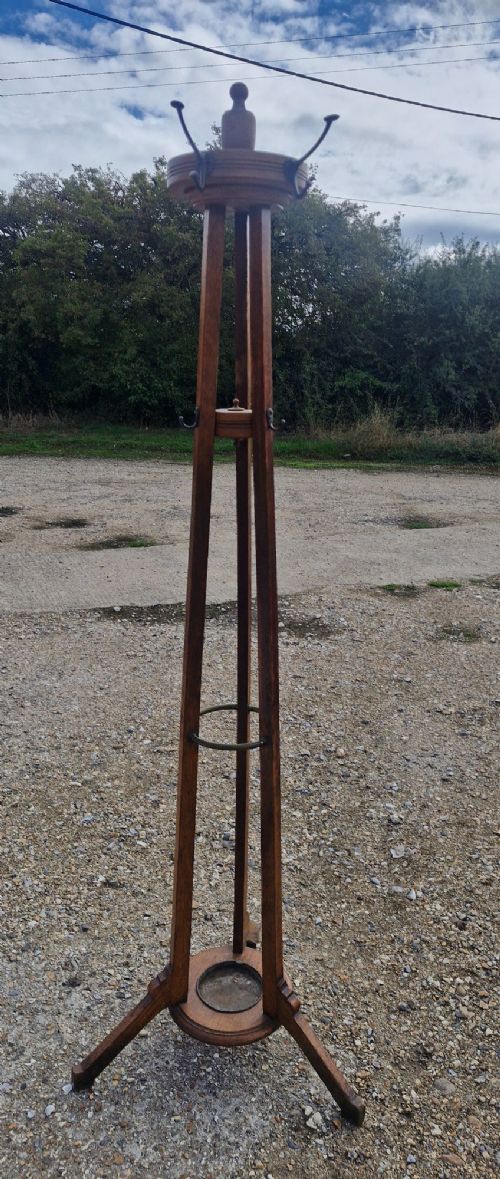
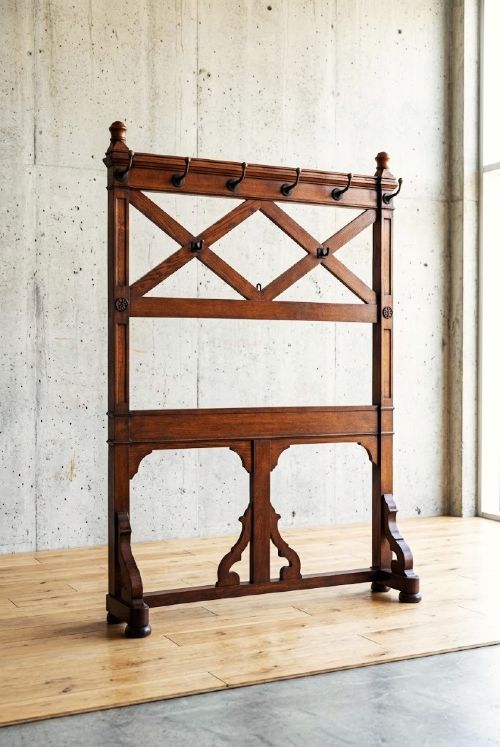
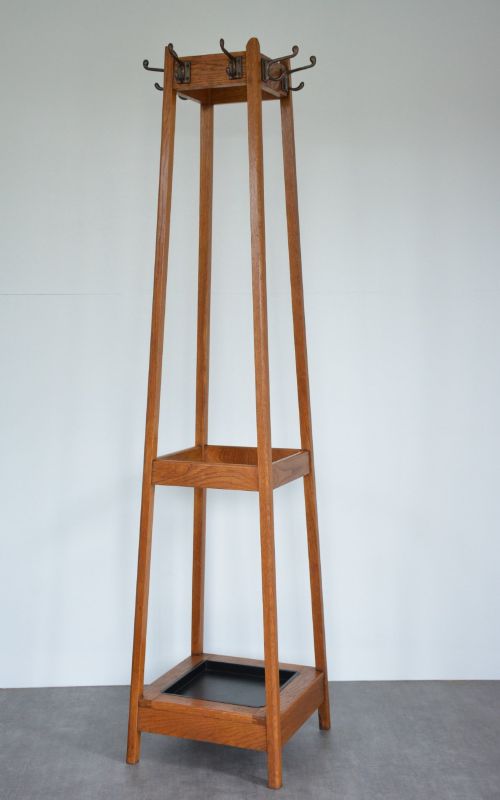
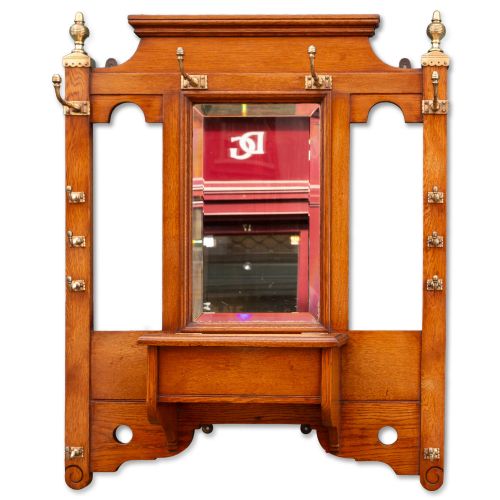
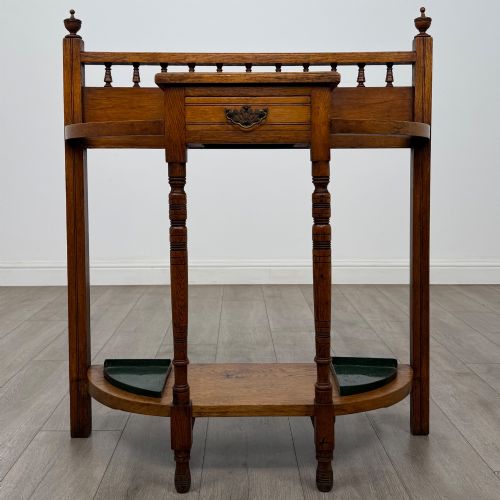
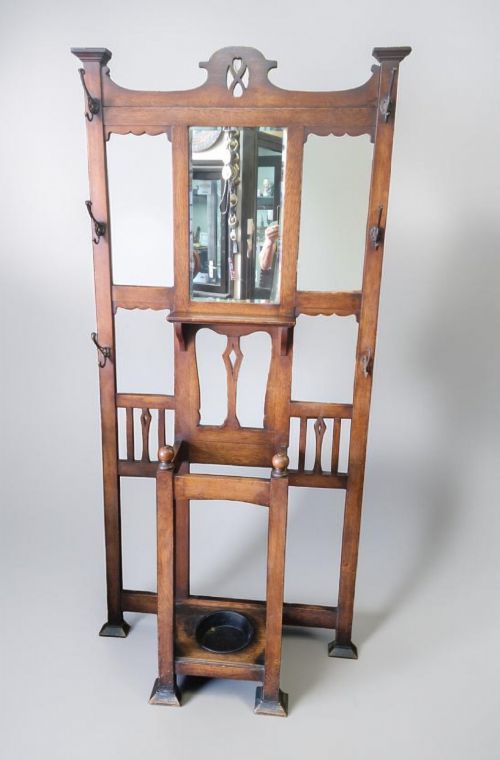
These antique oak hall trees are substantial hall stands crafted to welcome visitors and hold outerwear.

What these pieces are
An antique oak hall tree serves as a practical entryway furnishing designed to hold coats, hats and sticks. When you search for an antique oak hall tree, you encounter robust Victorian pieces made to anchor a grand hallway.
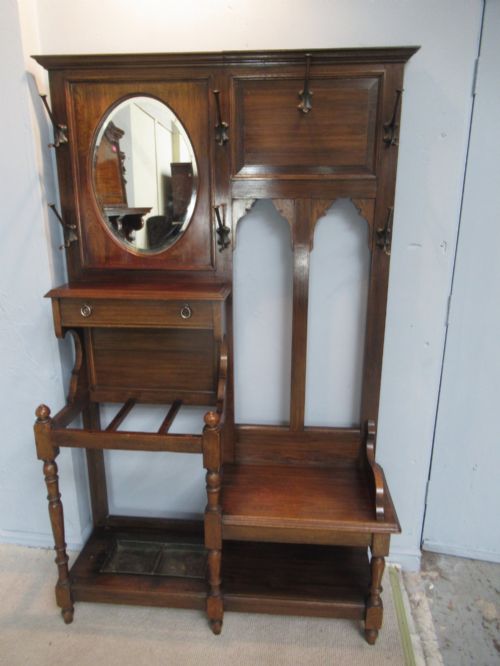
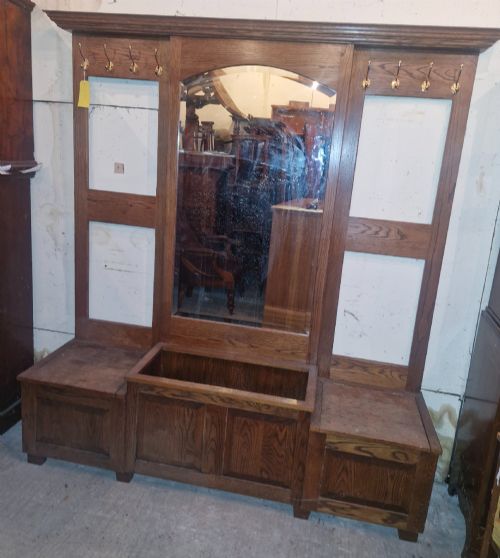
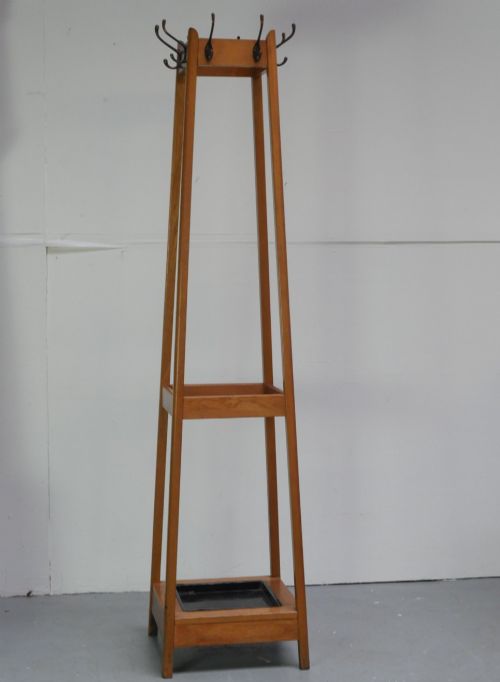
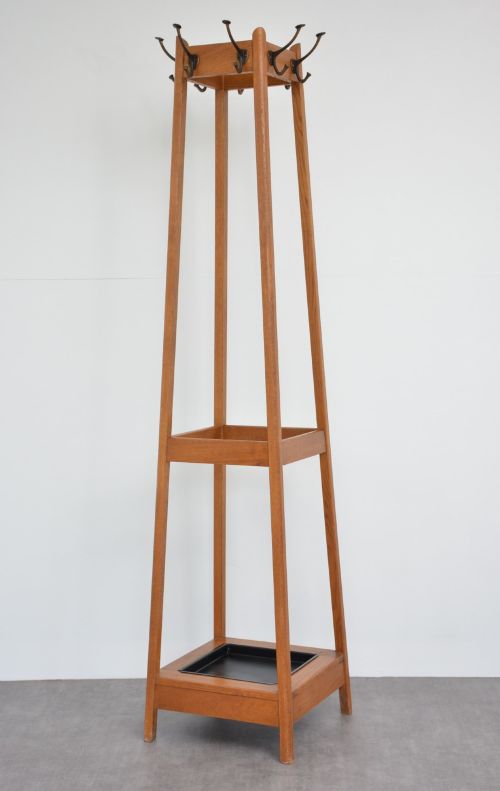
The selections span from the 1870s through to 1890, capturing the heavy revival tastes of the late nineteenth century. These forms typically combine upright wooden frames with integrated hooks, mirrors and umbrella compartments.
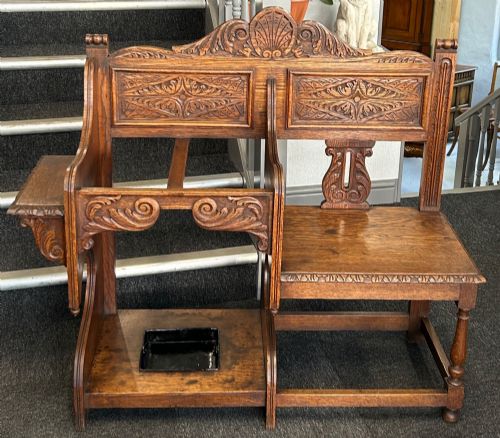
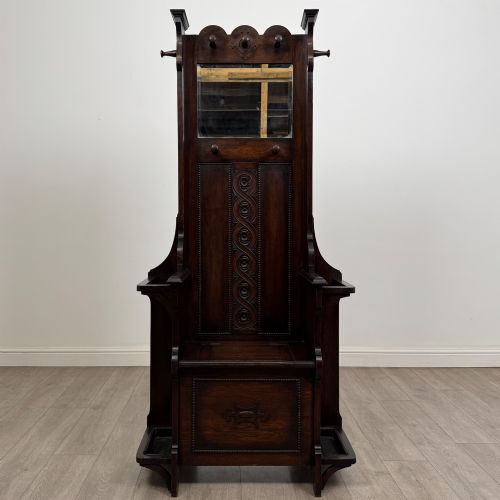
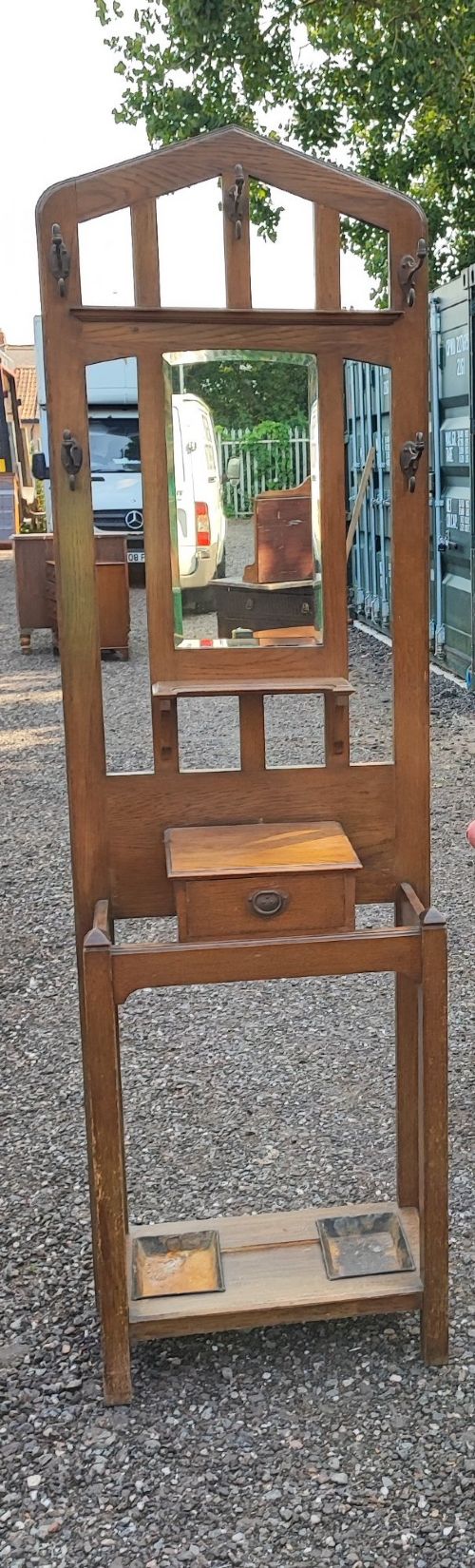
Victorian Gothic and Victorian Gothic Revival styles dominate the available stock, bringing architectural presence into domestic spaces. A buyer most frequently meets large, carved oak hall stands equipped with central mirrors.
How they were made
Workshops relied primarily on solid oak, frequently utilising figured timbers such as pollard oak to create striking grain patterns across the panels. Metal and brass hardware form the structural coat hooks and stick rings.
Carving defines the decoration, with intricate motifs such as the Green Man appearing in high relief across the crests and panels. Bevelled glass mirrors are fitted centrally, flanked by upright timber framing and sometimes underpinned by marble bases or drip trays.
Retail Price Guide 2026
Typical UK retail prices for oak hall tree, calculated from the Sellingantiques database of over a million retail prices indexed since 2003. This retail price guide relies exclusively on Sellingantiques data; no external sources or auction records are used, so the figures do not describe the wider market.
Keep an eye out for the leafy smirk of the Green Man keeping watch over your incoming post.
What varies in quality
The ambition of the carving separates standard joinery from exceptional craftsmanship, particularly where deep relief work like Green Man masks transforms plain timber into sculpture. Scale also dictates standing, with larger and more impressive proportions commanding greater visual authority in a hall.
Integration of secondary materials marks the upper tier of production, where heavy brass fittings, inset marble components and quality bevelled mirror glass elevate the piece. The selection of figured timber, such as pollard oak, distinguishes the finest examples from simpler utility stands.
The Antique Oak Hall Tree Glossary
- Hall stand
- A tall hallway furnishing combining coat hooks, a mirror, and umbrella storage into one unified architectural piece. These items formed the primary greeting point in Victorian vestibules.
- Pollard oak
- Timber taken from trees that have been pollarded, resulting in a dense, highly decorative swirling grain pattern. Cabinet makers valued this wood for prominent panels.
- Green Man
- A sculptural architectural motif depicting a human face disgorged from foliage, commonly found on nineteenth-century carved woodwork. This mythical symbol relates to rebirth and spring.
- Gothic Revival
- An architectural and decorative style drawing inspiration from medieval design, featuring pointed arches and heavy carved relief. This aesthetic heavily influenced Victorian hall furniture.
Frequently Asked Questions
Where should an antique oak hall tree go?
These tall stands suit large entrance halls and vestibules where their substantial height and depth balance open architectural spaces.
Position them against a solid wall near the primary entrance to utilise the integrated hooks and umbrella stands practically.
How do I maintain the oak finish?
Keep the timber clean using a soft, dry cloth to remove dust from deep carvings and mouldings without damaging the grain.
Apply traditional beeswax periodically to nourish the oak and preserve the natural sheen of the polished surface.
What periods do these hall stands date from?
The available pieces originate primarily from the Victorian era, spanning specific dates from the 1870s through to 1890.
Late nineteenth-century examples often display revival styles including Victorian Gothic ornamentation.
What materials are combined with the oak?
Craftsmen incorporated glass mirrors centrally within the wooden framework to allow a final check of attire before leaving the house.
Metal and brass components provide sturdy coat hooks and umbrella rings, while occasional examples feature marble elements.