

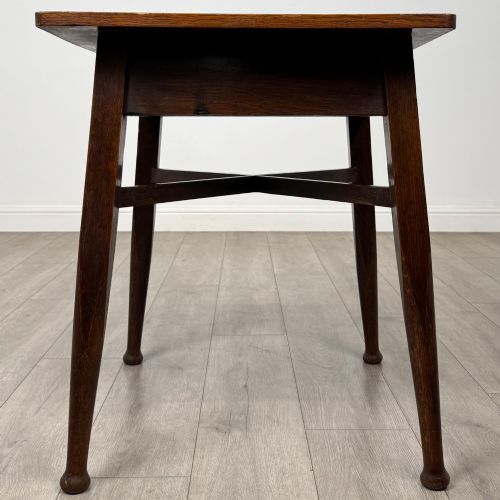
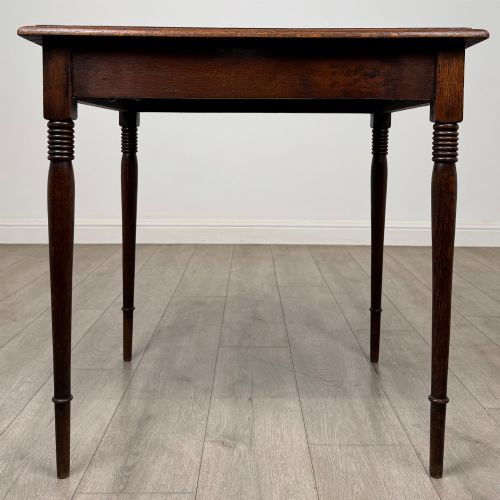
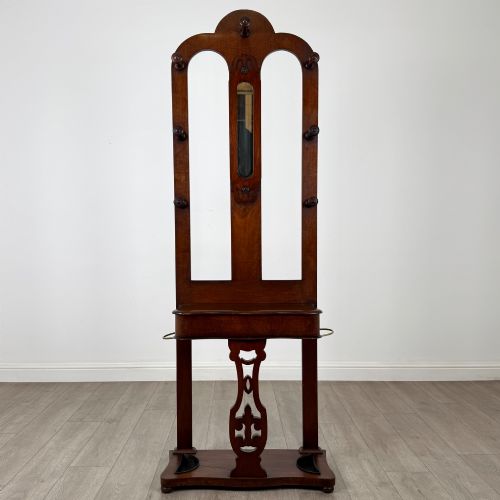
Dark Wood Hall Stand
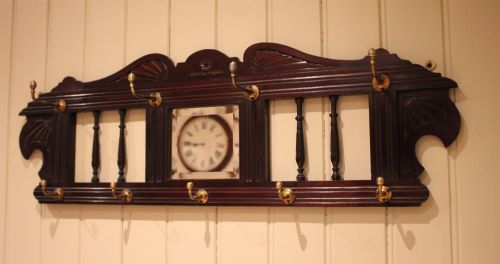
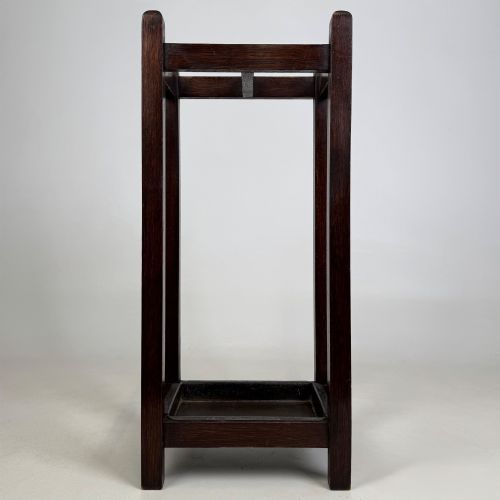
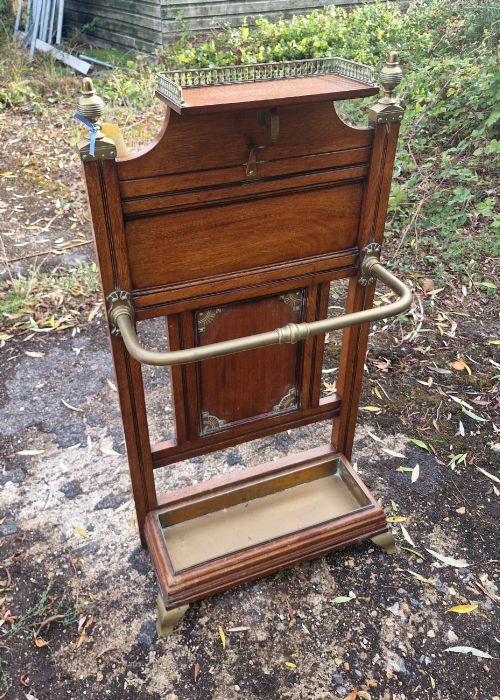
These dark wood hall stand pieces are sturdy hallway furniture designed for coats, hats, and umbrellas, offering period charm for an entranceway.

What a dark wood hall stand is
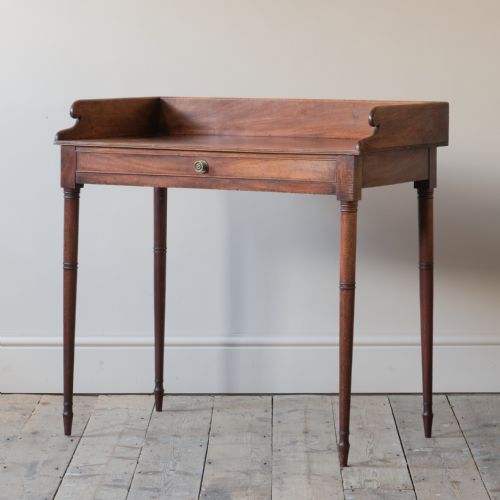
A dark wood hall stand is a practical entranceway fixture designed to organise outdoor garments, walking sticks, and umbrellas. The selections here span the Victorian, Edwardian, and Regency periods, alongside pieces from the 1880s through to the 1920s.
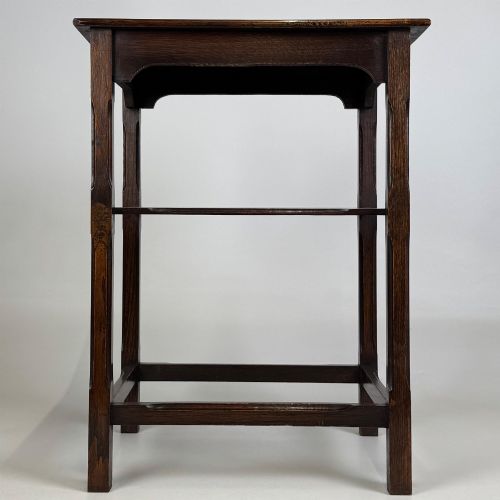
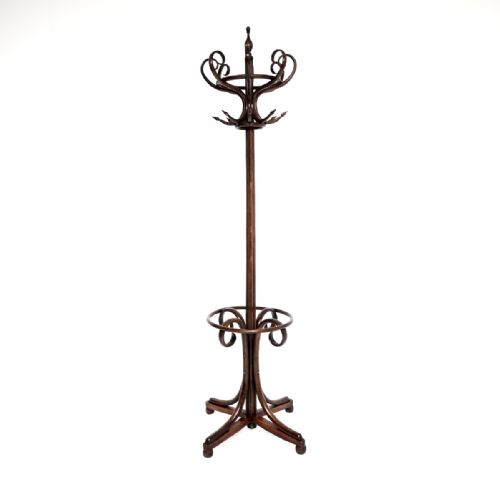
The primary forms found in this category include traditional hall stands, umbrella stands, stick stands, boot racks, coat stands, and occasionally hall wardrobes. Common timber choices dictate the dark appearance, with mahogany, oak, and beech appearing frequently.
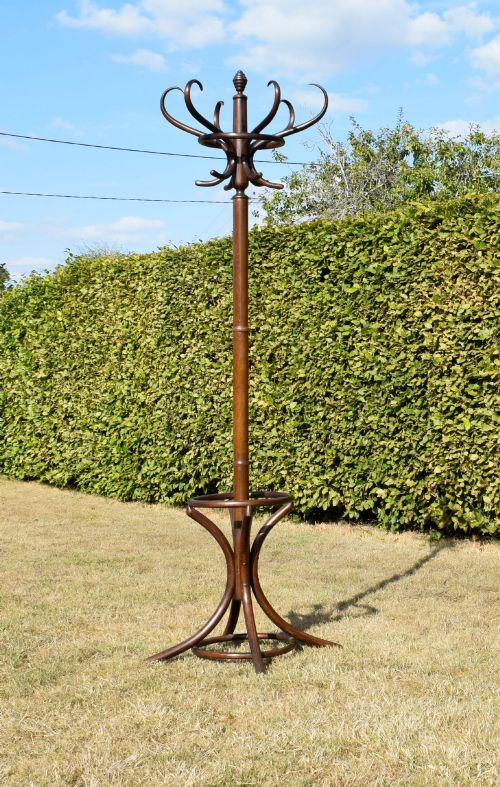
Buyers most commonly encounter Victorian and Edwardian examples featuring carved detailing or bentwood construction. Styles range from Victorian Gothic and Arts and Crafts to Black Forest and Jacobean Revival.
How they were made
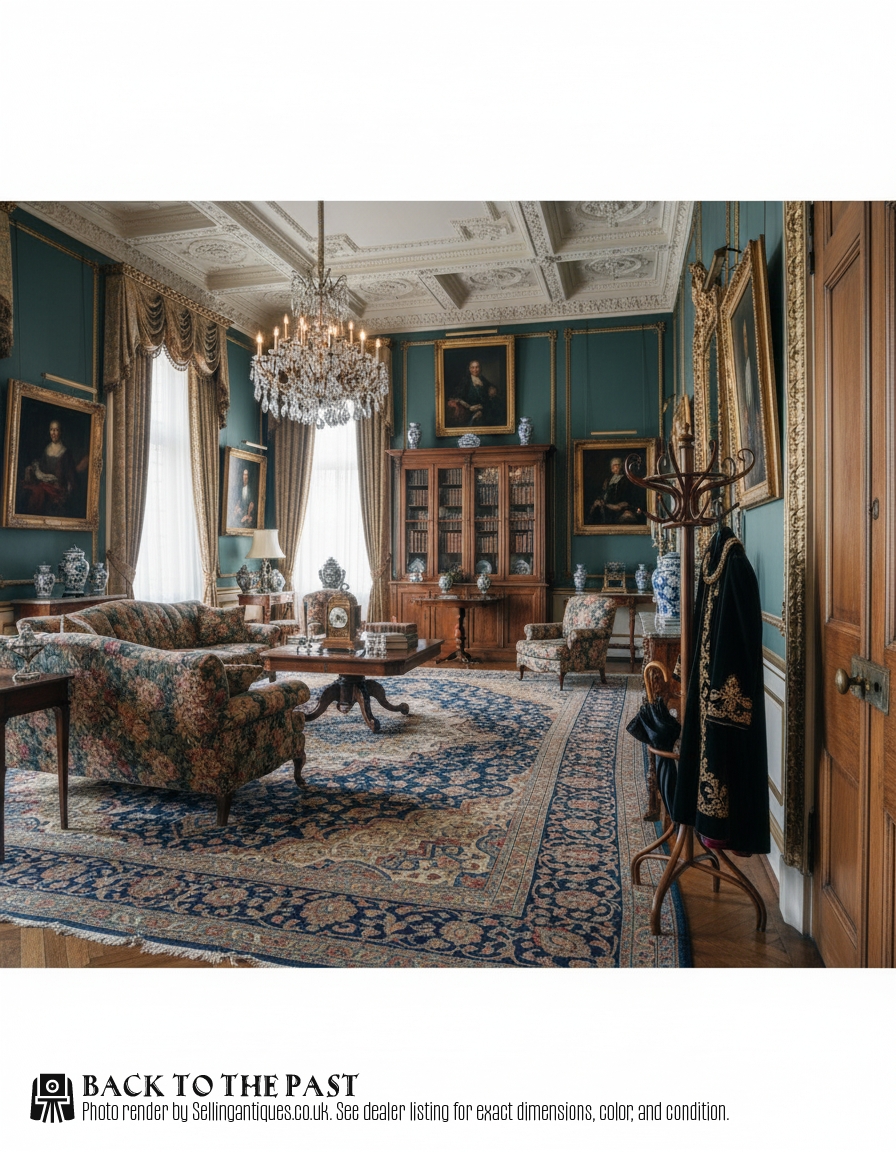
Construction relies heavily on solid hardwoods like oak, mahogany, and beech, chosen for their structural strength and deep natural tones. Artisans shaped these timbers using traditional joinery and steam-bending techniques, particularly visible in bentwood coat and hall stands.
Metal components such as brass hooks, cast iron drip pans, and mirrors with glass plates integrate directly into the wooden frames. Surface ornamentation often includes detailed hand carving, turning, and polished finishes that accentuate the grain of the wood.
Retail Price Guide 2026
Typical UK retail prices for dark wood hall stand, calculated from the Sellingantiques database of over a million retail prices indexed since 2003. This retail price guide relies exclusively on Sellingantiques data; no external sources or auction records are used, so the figures do not describe the wider market.
Listings here feature oak, mahogany, and beech timbers combined with brass and cast iron fittings.
What varies in quality
Quality in a dark wood hall stand rests on the depth of timber selection and the integration of hardware. Superior examples display substantial carved detailing and robust structural joinery using dense oak or figured mahogany.
The distinction between standard utility items and finer pieces lies in decorative ambition, such as Black Forest animal carvings or designated provenance like country house collections. Original brass fittings and intact glass or cast iron elements elevate the integrity of the piece.
The Dark Wood Hall Stand Glossary
- Bentwood
- A technique of steaming wood until pliable and bending it into curved shapes. This method created lightweight yet resilient frames for coats and hats.
- Drip pan
- A removable metal tray placed at the base of stick and umbrella stands. It caught water from wet umbrellas to protect the wooden floor below.
- Jacobean Revival
- A nineteenth and twentieth century architectural and furniture style reviving seventeenth century motifs. It is characterised by dark, heavy oak, geometric paneling, and turned woodwork.
- Hall wardrobe
- A closed storage piece for outerwear positioned in an entrance hall. It combines wardrobe hanging space with the utility of a traditional stand.
Frequently Asked Questions
How do I clean a dark wood hall stand?
Dust the wooden surfaces regularly with a soft, dry cloth to prevent dirt accumulation. Apply a quality beeswax periodically to nourish the timber and maintain its natural lustre.
Avoid using harsh chemical sprays or placing the stand in direct sunlight. Keep metal drip pans clean and dry to prevent moisture damage to the surrounding wood.
Were these stands used for boots?
Many entranceway pieces incorporate specific sections for footwear alongside coat hooks and umbrella rings. Dedicated whip and boot stands also exist for country house use.
Lower shelves and open compartments typically accommodated muddy boots after outdoor pursuits. Check the base configuration of a piece to confirm its footwear storage capacity.
What is Black Forest carving?
Black Forest carving refers to intricately detailed woodwork originating from Switzerland and Germany during the nineteenth century. These pieces frequently feature realistic animal figures such as bears integrated into the furniture design.
Such items represent a distinct stylistic departure from standard Victorian or Edwardian joinery. They are prized for their sculptural qualities and deep, dark carved finishes.
How do I date a hall stand?
Dating relies on examining construction methods, timber types, and stylistic influences across different eras. Victorian and Edwardian pieces often feature distinctive carving styles, mirrored panels, and cast iron hardware.
Reference points include Arts and Crafts simplicity from the 1890s or heavier Jacobean Revival motifs. Hardware fixings and the presence of original mirrors also provide clues to the manufacturing decade.