

Edwardian Oak Stick Stand
When choosing an Edwardian oak stick stand, you select a practical piece of hallway furniture designed to keep walking canes and umbrellas tidy.
Edwardian Oak Stick Stand
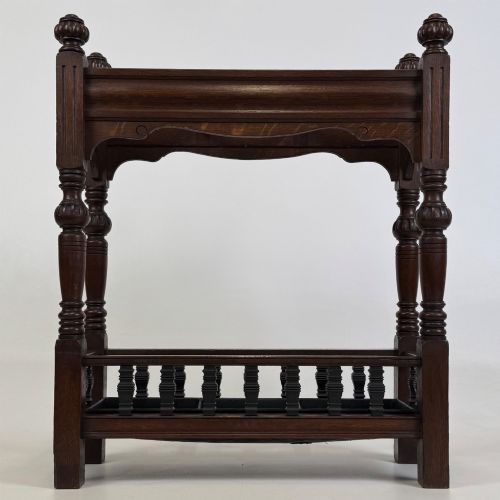
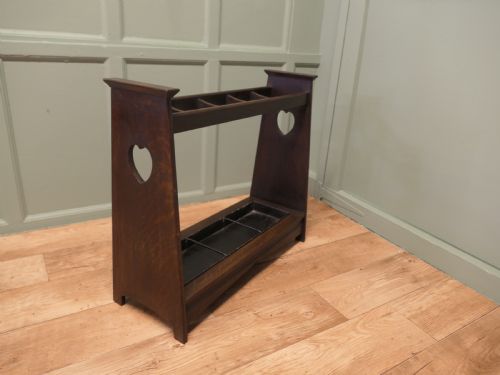
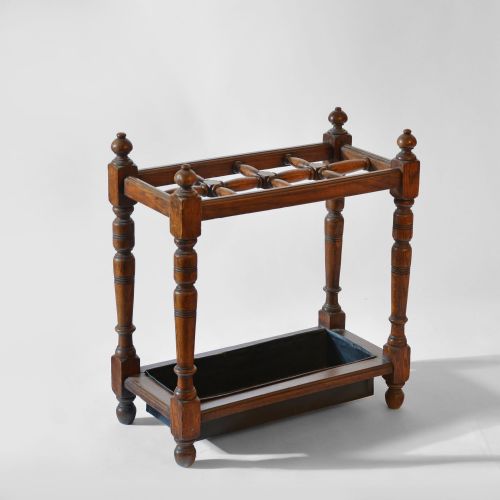
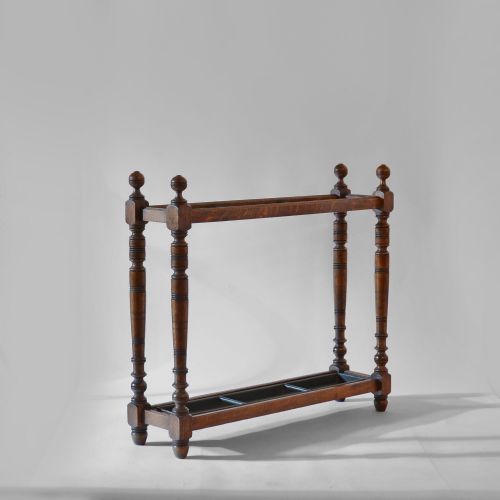
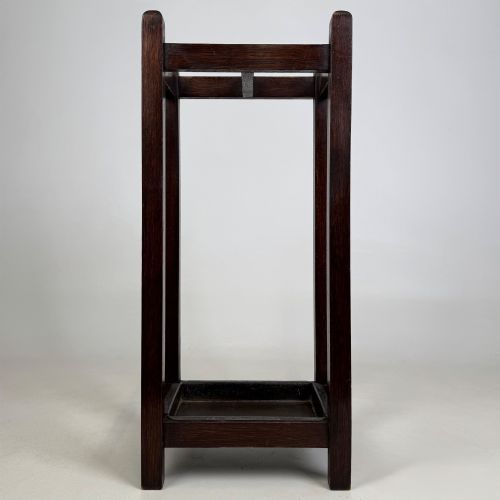
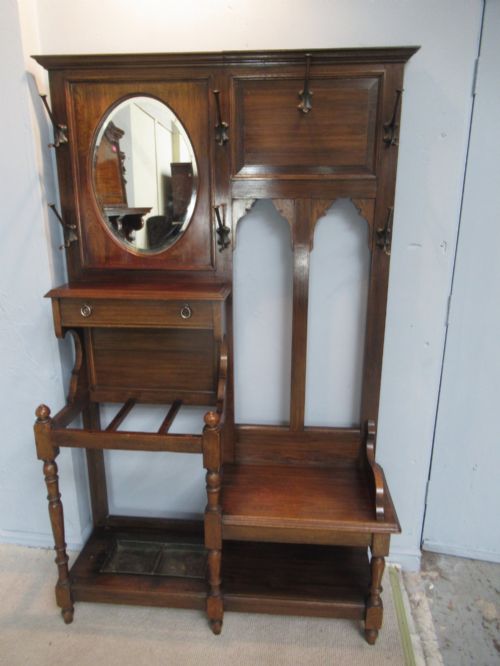
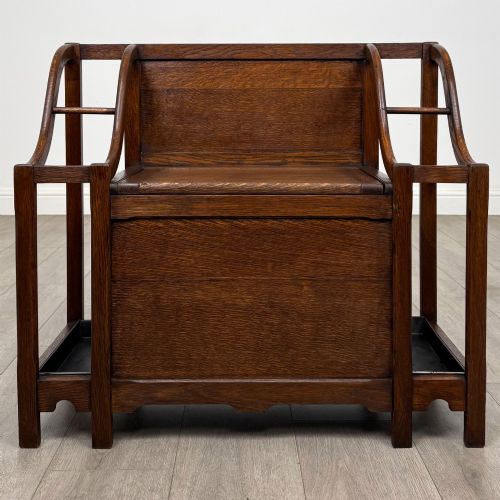
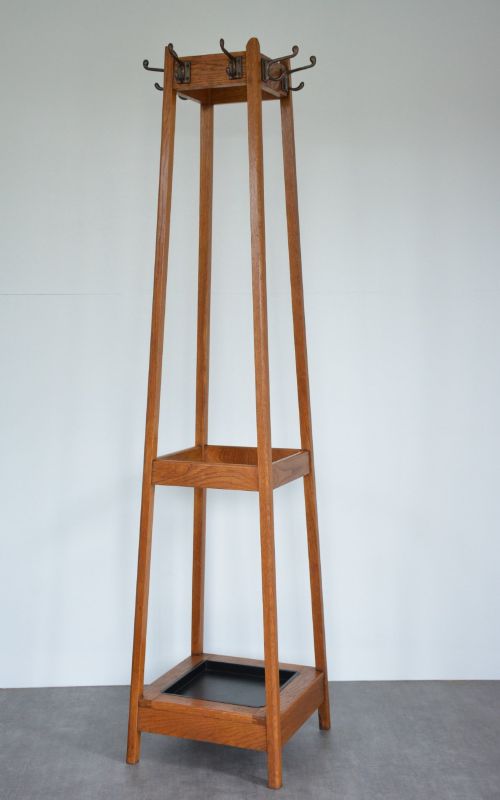
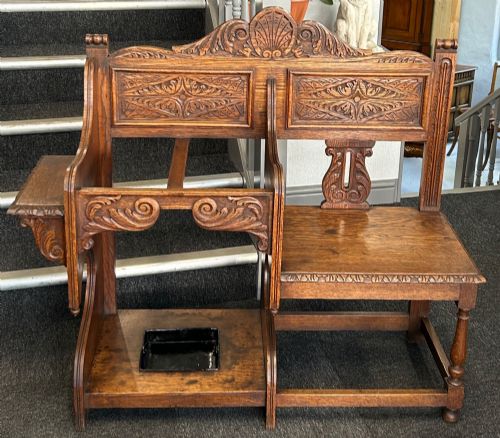
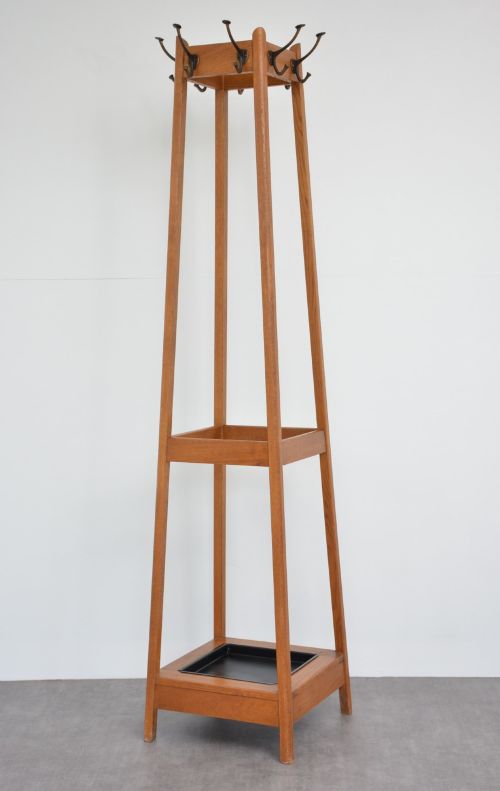
An edwardian oak stick stand serves as a functional piece of entrance hall furniture designed to organise walking sticks, canes, and umbrellas. The pieces available here draw primarily from the Edwardian period and the late nineteenth century, often appearing alongside broader hall furniture such as coat racks and seats.
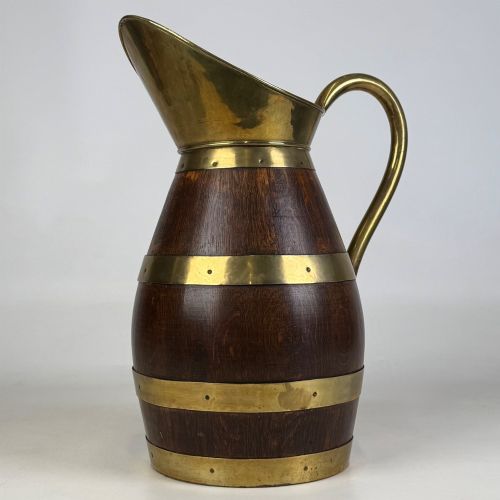
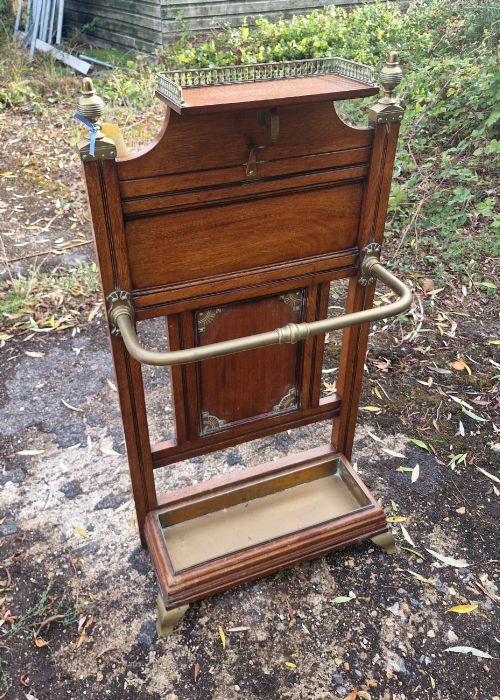
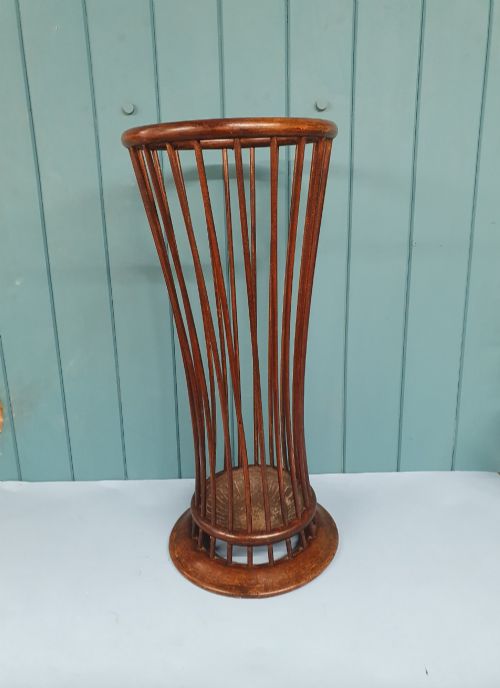
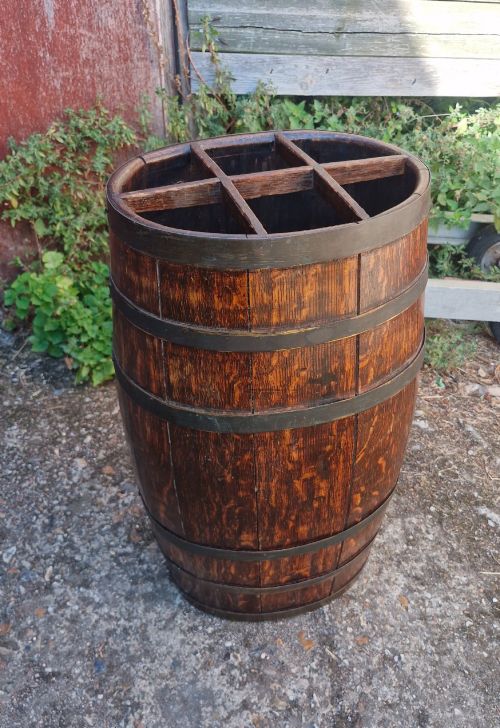
Makers utilised durable timbers to construct items ranging from simple cylindrical coopered barrels to elaborate revolving hall stands with integrated brass rails and mirrors. These items reflect the domestic requirements of period homes, combining storage capacity with decorative woodwork appropriate for a primary entrance.
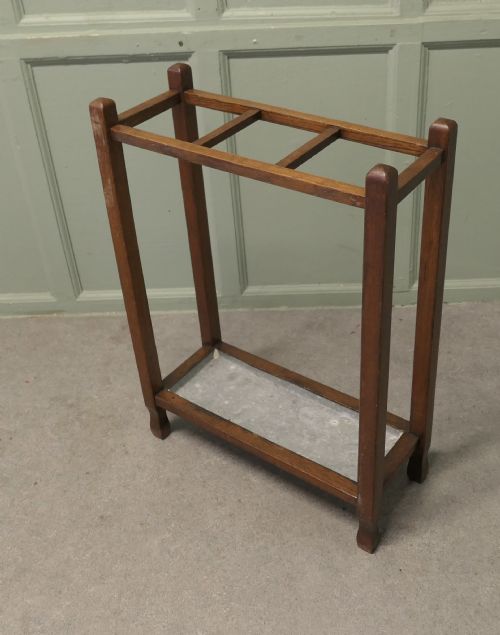
The selection encompasses dedicated umbrella holders alongside multi-functional hall stands that incorporate hat hooks, mirrors, and benches. Buyers will encounter rectilinear forms, demi-lune designs suited for corners, and barrel-shaped vessels bound with metal bands.
Materials and Construction
Craftsmen built these items predominantly using solid oak, frequently finished to highlight the natural grain or produced in golden oak variations. Metal components appear extensively in structural or functional elements, including brass rails, copper bands, iron hooks, and cast iron or zinc drip trays.
Coopered construction methods appear frequently in cylindrical and barrel-shaped examples, where wooden staves are bound together with metal hoops. Other pieces utilise traditional joinery, turned wooden spindles, and carved decoration characteristic of the Arts and Crafts and Gothic Revival styles.
Edwardian Oak Stick Stand Retail Price Guide 2026
Typical asking prices for edwardian oak stick stand among the pieces listed under this phrase on Sellingantiques today, from the lower quarter to the upper quarter. They describe what is for sale here now, not the wider market.
Listings feature oak combined with brass, copper, and cast iron across Edwardian, Victorian, and Arts and Crafts styles.
Distinctions in Quality
Quality in these hall furnishings rests upon the weight of the timber, the integrity of the joinery, and the presence of original functional components such as metal drip trays. Heavier specimens constructed with thick oak boards and substantial brass fittings represent superior manufacture compared to lighter, plain alternatives.
Artisanal detail distinguishes finer examples, visible in hand-carved motifs, well-turned finials, and secure coopered staves that withstand daily moisture from wet umbrellas. The retention of original hardware, including castors, hooks, and divided stick loops, elevates the standard of a piece.
Liberty Design·Heals of London·GW Evans·J Parker of Woodstock·W Richardson of Leeds·RA Lister and Co
The Edwardian Oak Stick Stand Glossary
- Coopered
- Constructed from wooden staves bound together with metal hoops, similar to barrel-making techniques. This method provides robust containment for wet walking sticks and umbrellas.
- Drip tray
- A removable metal basin placed at the base of the stand to catch water from umbrellas. These trays protect wooden flooring from moisture damage.
- Demi-lune
- Half-moon shape designed to fit flat against a hallway wall. This configuration optimises floor space in narrow corridors.
- Arts and Crafts
- A design movement favouring honest construction, simple forms, and visible handcraftsmanship. Pieces in this style often display exposed joinery and minimal ornamentation.
- Finial
- A decorative terminal ornament, typically turned from wood, situated atop upright posts or posts flanking the stick compartments.
Edwardian Oak Stick Stand: Frequently Asked Questions
How do you use a stick stand?
Stick stands hold umbrellas and walking canes upright within internal dividers or metal-bound loops. The integrated drip tray at the base collects moisture, preventing water from damaging the surrounding floor.
In modern interiors, they function similarly in entranceways or boot rooms, keeping long items orderly and easily accessible.
Are these stands made from solid oak?
Most examples utilise solid oak, often selected for its durability and prominent grain patterns. Some pieces feature golden oak finishes or incorporate complementary metals like brass and copper.
Construction methods vary from stave-built coopered barrels to panelled frames joined with traditional woodworking techniques.
How do I identify an edwardian piece?
Edwardian items typically display characteristics from the early twentieth century, blending traditional woodwork with influences from the Arts and Crafts movement. They often feature clean lines, quarter-sawn oak, and functional brass hardware.
Construction details, such as the style of the metal drip trays and the specific turning on wooden uprights, help distinguish them from Victorian or later reproductions.