



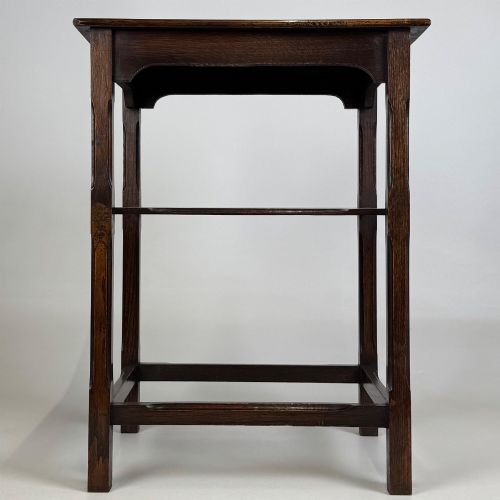
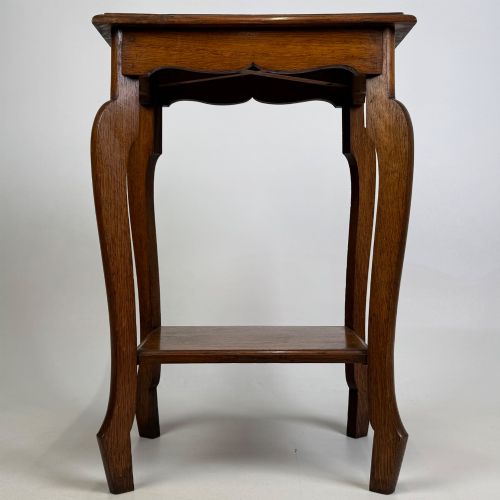
Oak Hall Stand
When choosing an oak hall stand, look for pieces that combine practical storage for hats and coats with traditional craftsmanship from the Victorian and Edwardian periods.
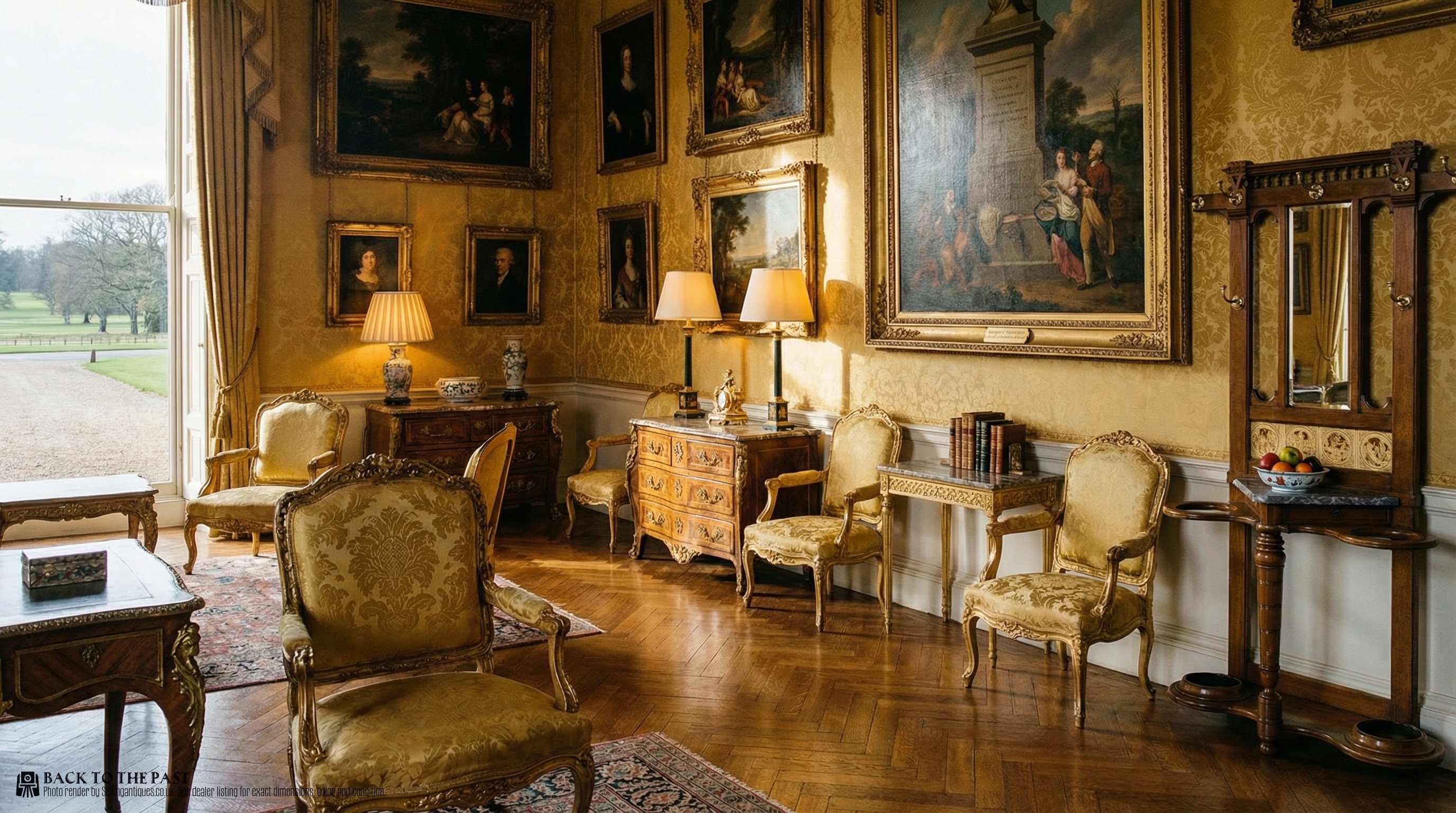
Oak Hall Stand
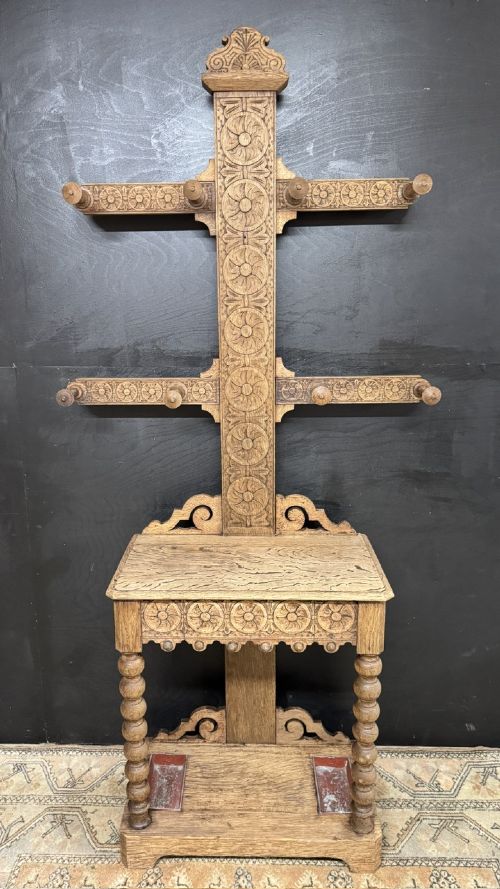
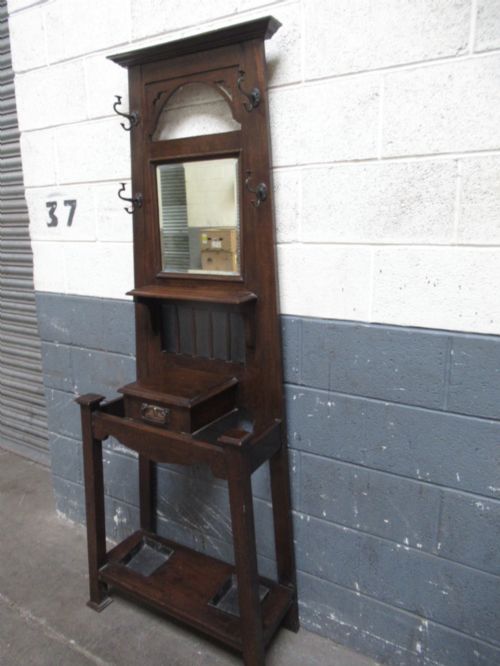
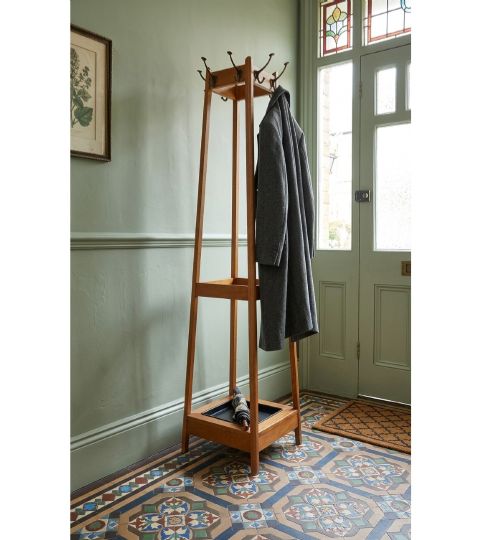
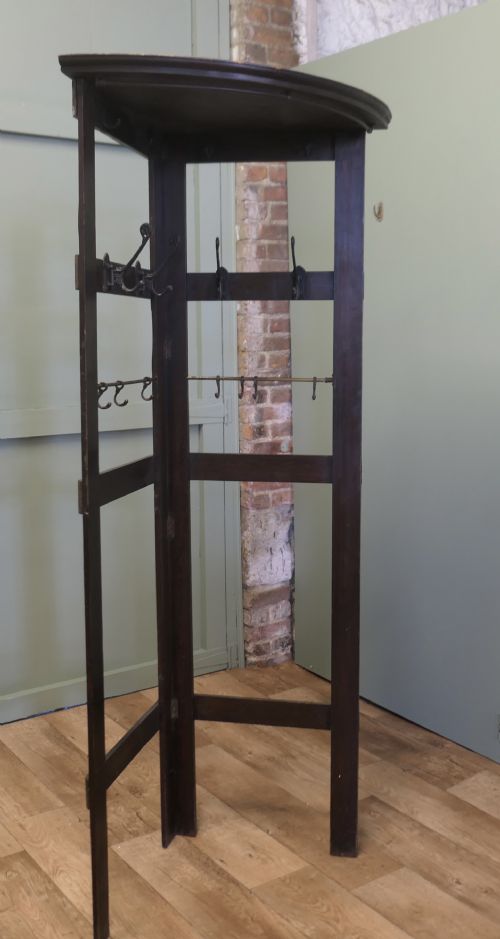
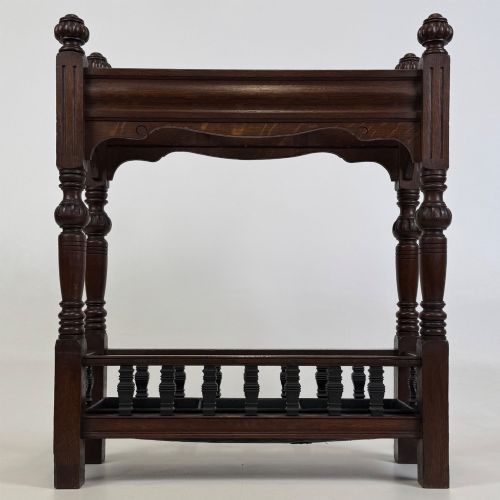
An oak hall stand serves as a central piece of furniture for an entranceway, combining hooks for garments, surfaces for hats, and lower sections designed to hold walking sticks and umbrellas. The pieces available range from compact domestic versions to substantial architectural hall seats featuring integrated mirrors and carved details.
The selection on this page relies heavily on Edwardian and Victorian designs, alongside significant examples from the Arts and Crafts movement. Buyers will find that standard upright coat racks sit alongside multi-functional hall seats with storage and dedicated stick stands.
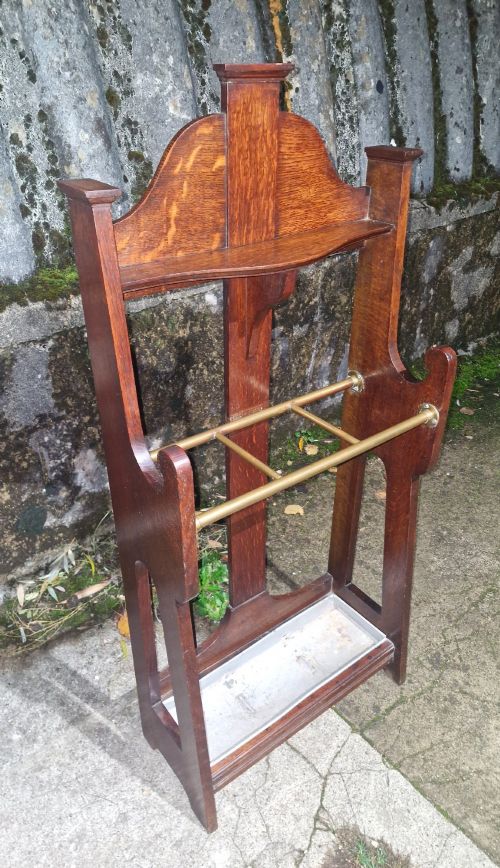
Many items incorporate functional hardware such as brass hooks, metal drip trays, and zinc liners to handle wet weather gear. The primary material across nearly all examples is solid oak, often finished in warm golden tones or deeper antique patinas.

What Varies in Quality
Quality in an oak hall stand rests upon the depth of the timber selection and the integrity of the original hardware. Pieces featuring heavy solid oak, hand-carved detailing, and intact brass or cast iron drip trays represent a higher standard of manufacture than lighter, later iterations.
The sophistication of the design dictates distinction, moving from utilitarian hat and coat racks to elaborate Arts and Crafts or Gothic Revival pieces with integrated seating and mirrors. Preservation of original finishes and functional elements like structural hooks and removable trays elevates the standing of individual examples.
Oak Hall Stand Retail Price Guide 2026
Typical asking prices for oak hall stand among the pieces listed under this phrase on Sellingantiques today, from the lower quarter to the upper quarter. They describe what is for sale here now, not the wider market.
Country house entrances occasionally welcomed visitors with stags horn hall stands, combining rustic natural forms with traditional coat storage.
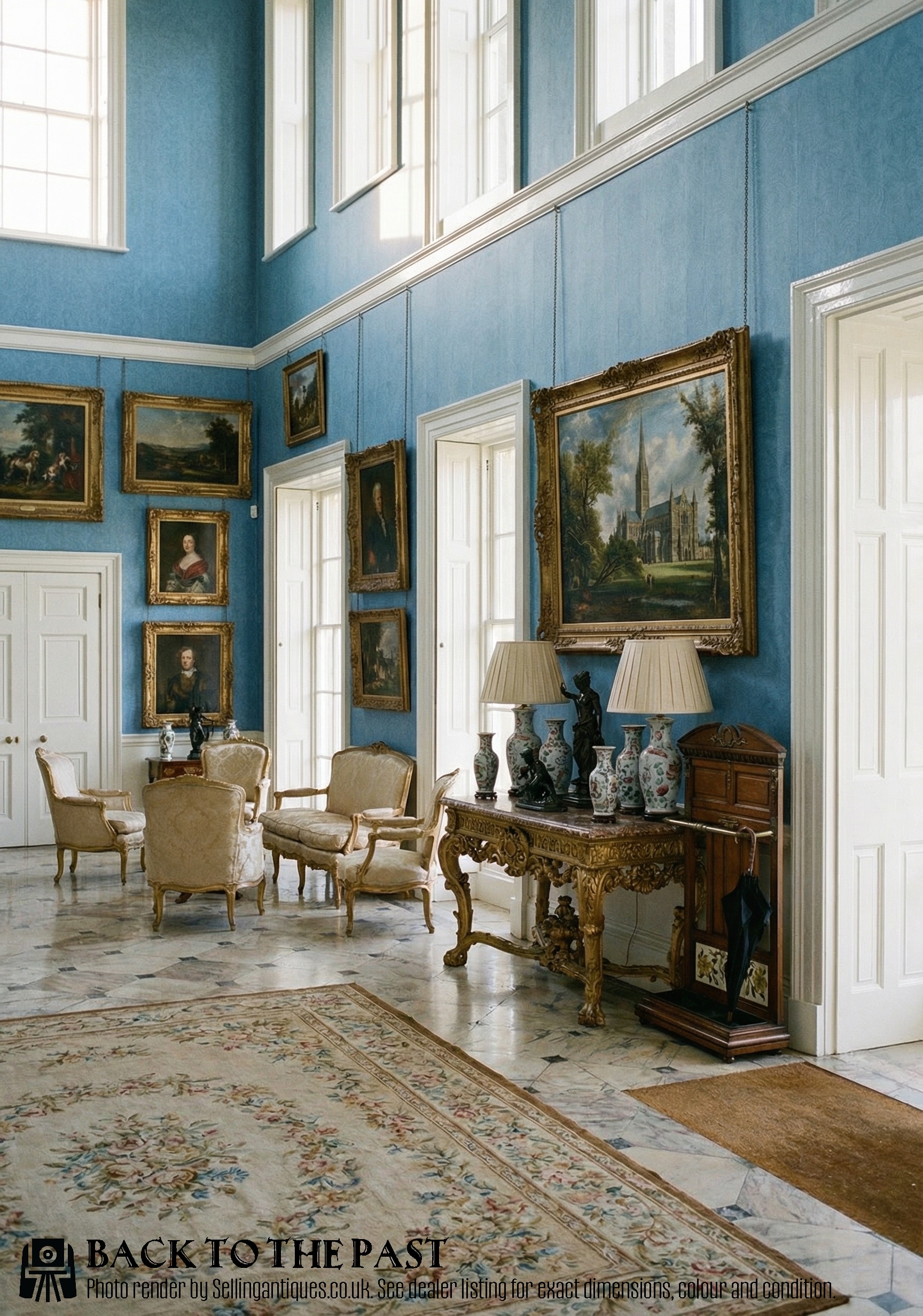
Liberty of London·William Birch
The Oak Hall Stand Glossary
- Drip tray
- A removable metal basin positioned at the base of a stand to catch water from wet umbrellas and walking sticks. These are frequently fashioned from zinc or brass.
- Hall seat
- An entryway bench incorporating a back panel fitted with coat hooks and occasionally a hinged storage compartment beneath the seat. This form maximises utility in compact entrance spaces.
- Coopered
- A method of construction where vertical wooden staves are joined side by side and secured with metal bands, typically seen in cylindrical stick and umbrella stands.
- Arts and Crafts
- A design movement emphasising handcraftsmanship, simple forms, and natural materials. Pieces from this tradition often feature exposed joinery and subtle decorative carving.
- Gothic Revival
- An architectural and decorative style drawing inspiration from medieval forms. Furniture in this tradition displays pointed arches, tracery, and heavy carved mouldings.
Oak Hall Stand: Frequently Asked Questions
What is the difference between a hall stand and a coat rack?
A hall stand is a freestanding piece of furniture that typically combines coat hooks, a hat shelf, and a lower section for umbrellas and walking sticks. Many variations also incorporate mirrors or integrated seating.
A coat rack is generally a simpler, wall-mounted board fitted with hooks for garments. While both serve entranceways, the hall stand functions as a complete architectural unit for the hallway.
How do I identify an Arts and Crafts oak hall stand?
Arts and Crafts pieces emphasise honest construction and natural materials, often displaying exposed joinery, hand-beaten copper or brass hardware, and simple geometric lines. They frequently avoid excessive ornamentation in favour of solid golden oak construction.
Look for functional details like built-in benches, coat hooks mounted on plain timber panels, and simple upright framing without classical revival motifs.
Were umbrella stands always part of hall stands?
Many traditional hall stands integrated umbrella and stick holders into their lower framework, often accompanied by a removable metal drip tray to protect the floor. However, standalone umbrella and stick stands were also produced as separate items.
The inclusion depended on the scale of the piece and the requirements of the entrance hall it was built to furnish.
What woods were used besides oak?
While oak is the dominant timber found across these listings in both solid and golden varieties, other materials occasionally appear in supporting roles. Metal components such as brass, cast iron, and zinc are standard for hooks and drip trays.
Structural elements remain firmly anchored in sturdy hardwoods suitable for bearing the weight of heavy garments and wet gear.