

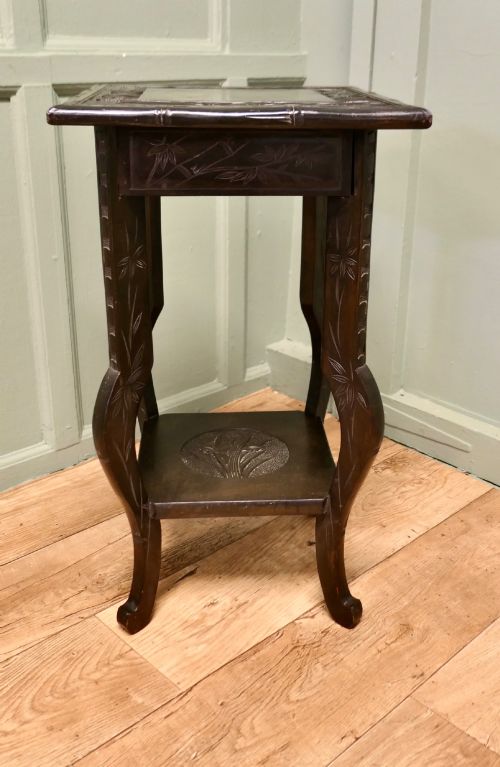
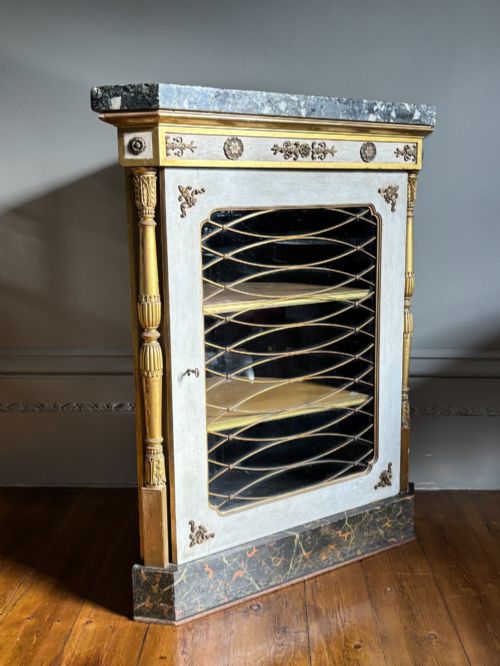


Antique Corner Stand
An antique corner stand turns unused room angles into display space, offering Georgian washstands, Victorian cupboards and Edwardian shelving.
Antique Corner Stand
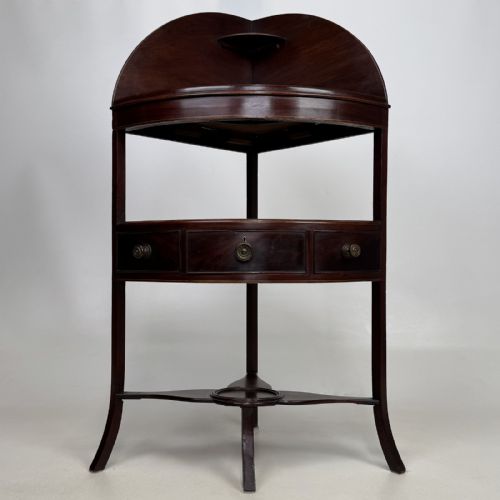
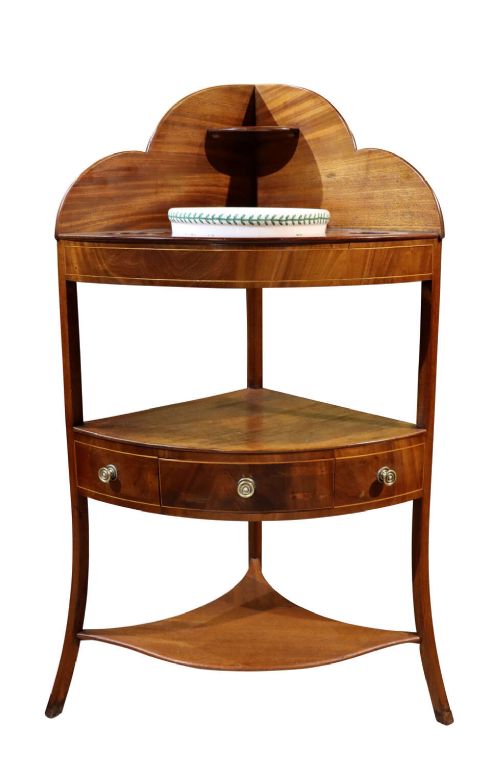
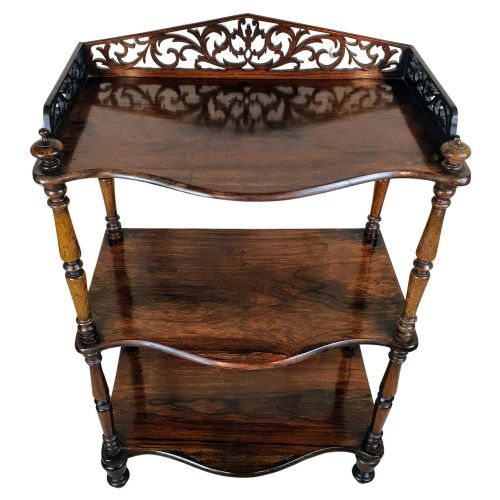
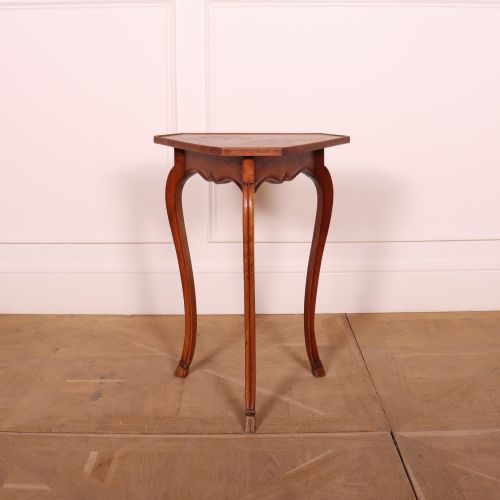
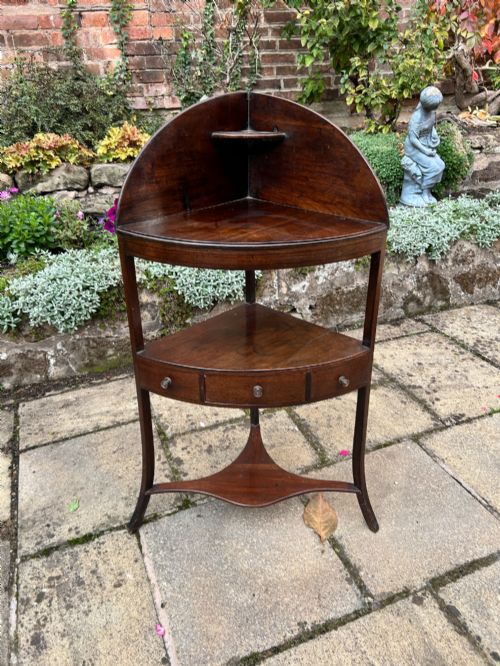
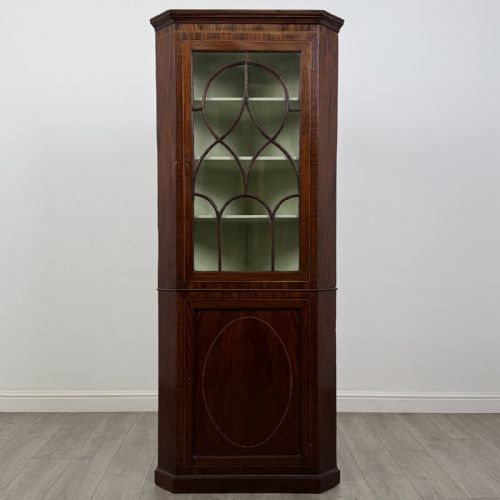
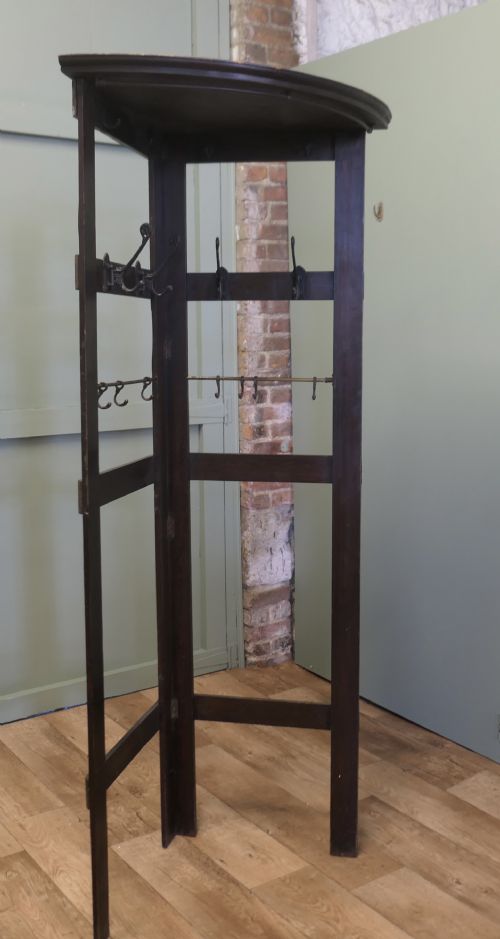
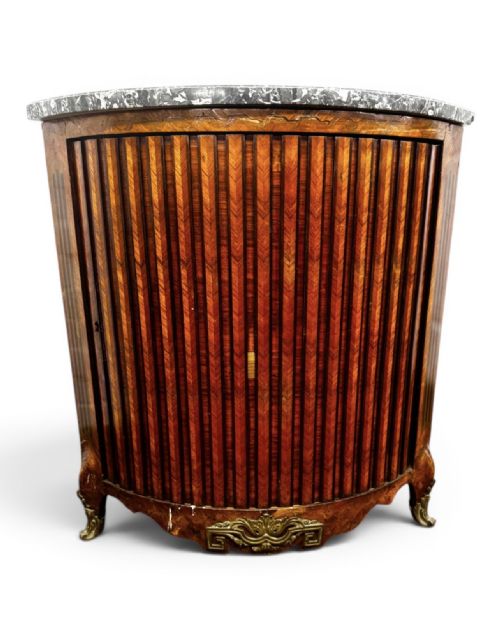
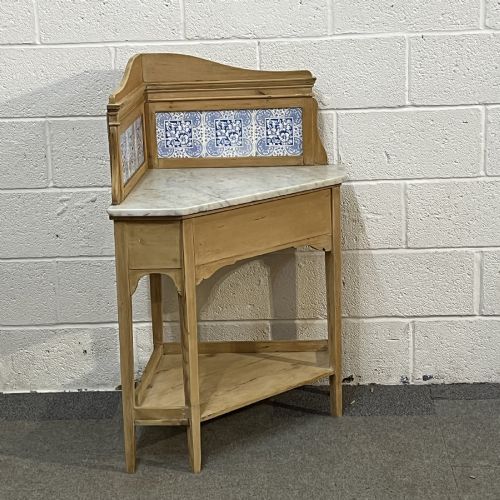
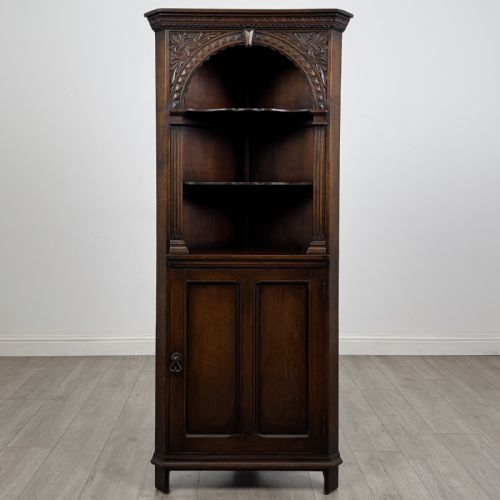
An antique corner stand is a functional piece designed specifically to fit into the ninety-degree junction of two walls, making economical use of difficult room angles. When searching for this phrase, buyers encounter a variety of forms including floor-standing cupboards, washstands with basin recesses, tiered what-nots, and display cabinets.
The pieces appearing on this page span several distinct eras, featuring Georgian, Regency, and Victorian iterations alongside later twentieth-century examples. Washstands and floor-standing corner cupboards dominate the available forms, reflecting how previous generations utilised awkward interior spaces for storage and personal grooming.
Materials and construction
Cabinetmakers predominantly selected mahogany and oak for these items, frequently incorporating secondary woods like boxwood and satinwood for stringing and decorative inlay. Brass hardware, including handles and hinges, provides functional contrast, while occasional pieces utilise walnut, cast iron, or hardwood.
Construction methods varied from simple pegged oak carcases to sophisticated curved mahogany framing and delicate bow-front designs. Joinery had to be precisely angled to ensure flush contact with both walls, often requiring specialised dovetail joints and fitted internal shelving.
Antique Corner Stand Retail Price Guide 2026
Typical asking prices for corner stand among the pieces listed under this phrase on Sellingantiques today, from the lower quarter to the upper quarter. They describe what is for sale here now, not the wider market.
Washstands once housed midnight porcelain, yet now happily support trailing houseplants and reading lamps.
Distinctions in quality
The division between standard utility pieces and superior examples rests upon timber selection and decorative restraint. Finely figured mahogany grain, intricate boxwood stringing, and well-executed marquetry elevate a simple storage unit into a polished focal point.
Structural integrity also dictates worth, as poorly fitted joints lead to instability when the unit meets two walls at an imperfect right angle. Original brassware, uncompromised glazing, and clean interior surfaces separate workshop masterpieces from utilitarian survivors.
Maple & Co
The Antique Corner Stand Glossary
- Washstand
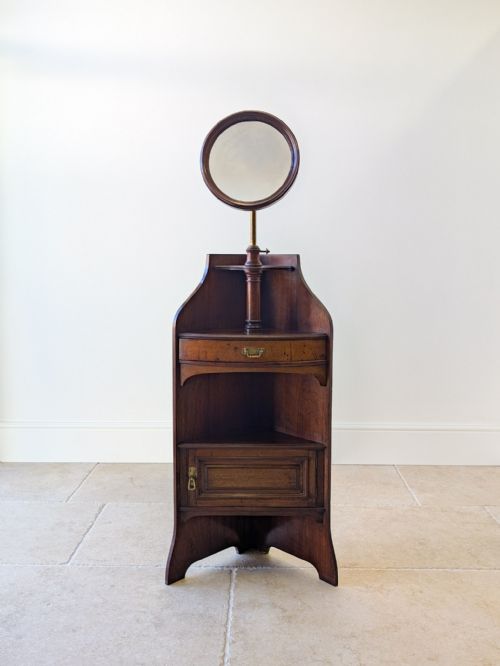
- A specialist item designed for personal hygiene, typically featuring a recessed top to hold a basin and jug. Many surviving examples have been adapted as lamp or plant tables.
- Whatnot
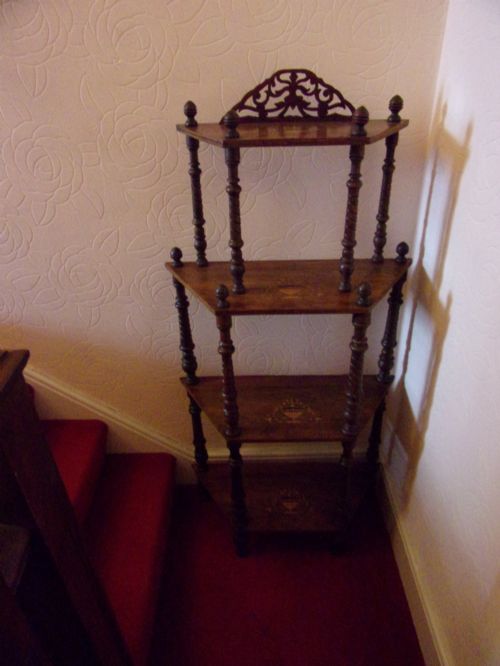
- A set of open shelves arranged in tiers, designed for displaying ornaments or books. They often incorporate turned supports and delicate spindle galleries.
- Bow front
- A convex, outwardly curved front facade that softens the stark angles of a room. This shape demands advanced woodworking skill to bend and shape the timber.
- Stringing
- Thin inlay lines of a contrasting wood, such as boxwood, set flush into the primary timber. It creates a neat border around drawer fronts and cabinet doors.
Antique Corner Stand: Frequently Asked Questions
What is an antique corner stand used for?
These pieces served multiple domestic purposes depending on their internal layout. Washstands accommodated basins for morning routines, while cupboards stored china, spirits, or linens.
Today, homeowners repurpose them to display collections, hold table lamps, or simply utilise dead space in hallways and living rooms.
How do I tell Georgian from Victorian stands?
Georgian pieces generally favour clean architectural lines, solid mahogany construction, and subtle bracket feet. They emphasise proportion and practical storage.
Victorian iterations frequently introduce darker walnut timbers, extensive marquetry inlay, glazed doors, and turned barley-twist supports that reflect evolving interior fashions.
Will a corner stand fit a modern room?
Most antique stands are designed for standard ninety-degree wall angles, making them remarkably adaptable to contemporary homes. Their compact footprint allows them to occupy neglected corners without obstructing walkways.
Buyers should measure wall clearance carefully, particularly with bow-front or large floor-standing cupboard variations.
Are washstands still functional today?
While original basins and ceramic jugs are often missing, the timber frameworks remain entirely viable for modern interiors. The top recesses make them well-suited as plant stands or occasional display ledges.
Their underlying structural versatility allows them to function naturally as lamp tables or corner storage units.