

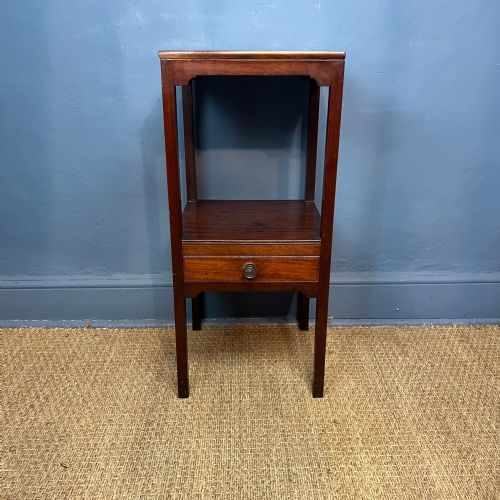
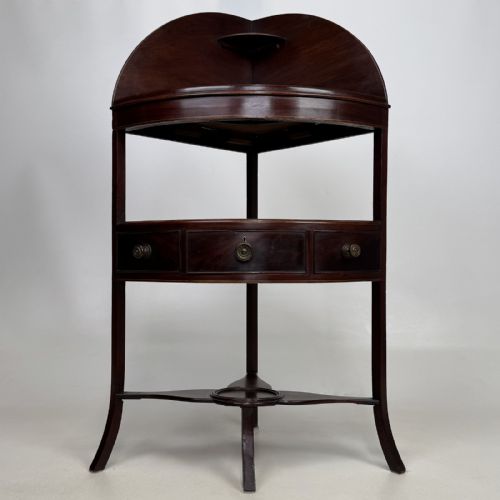
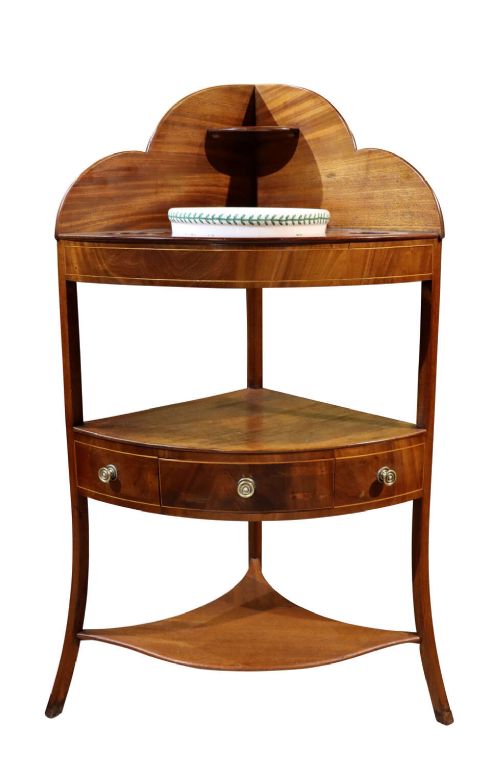
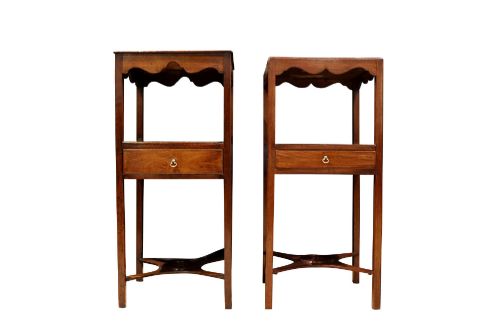

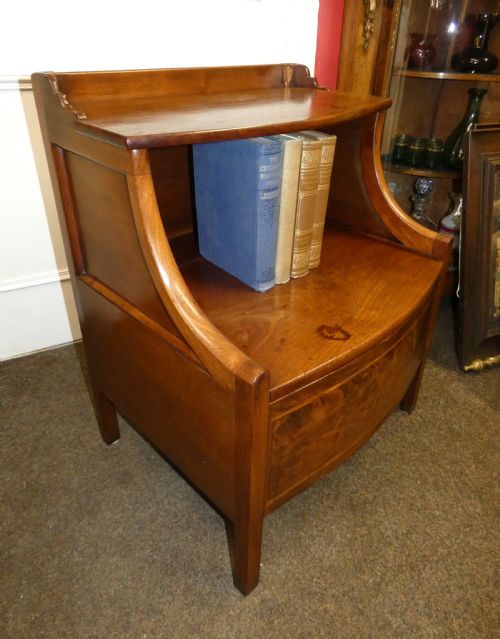
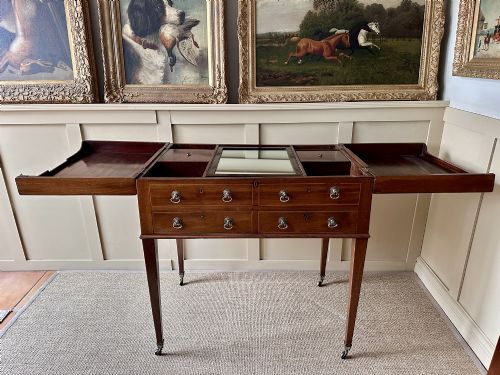
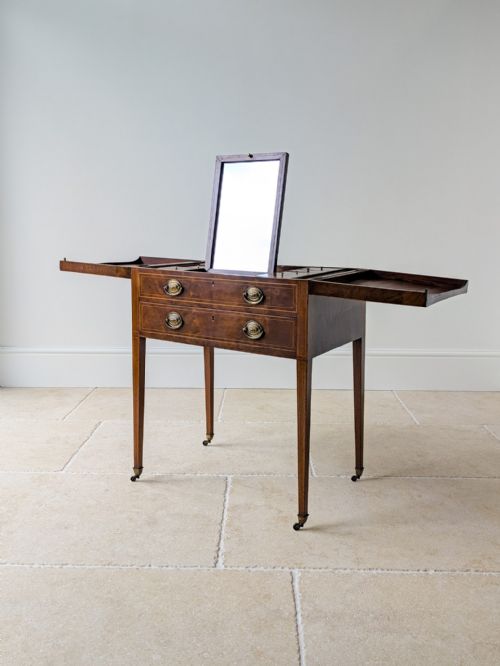
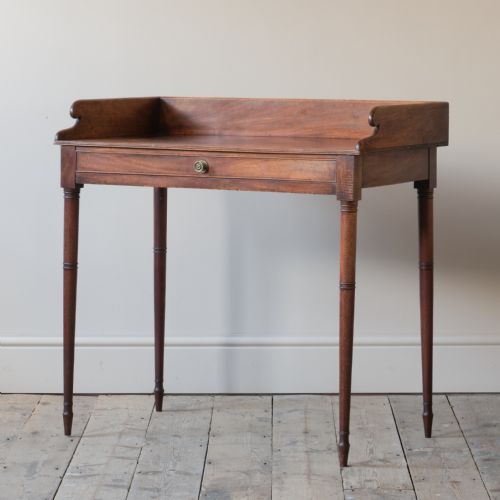
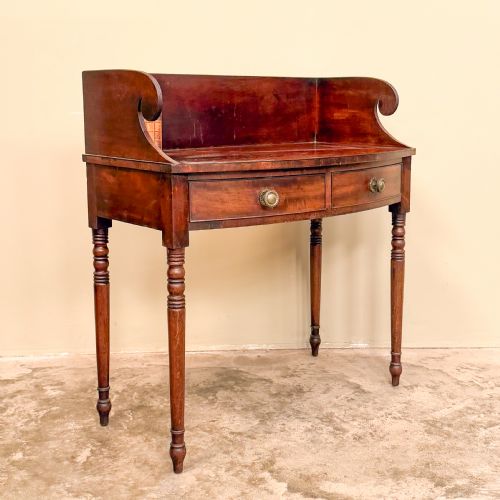
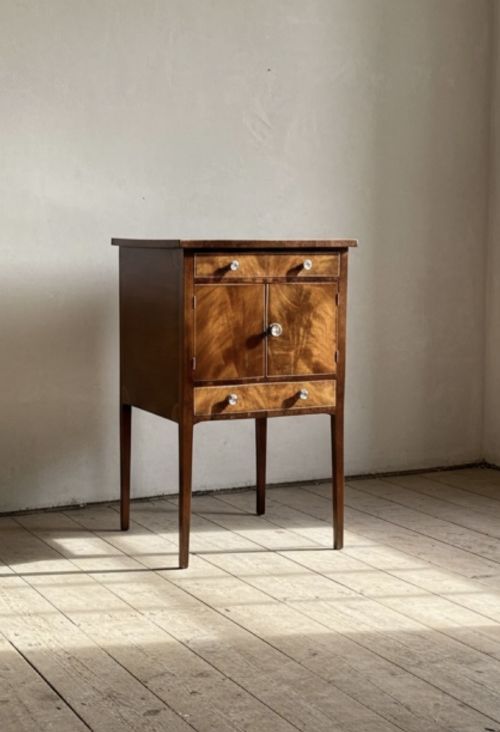
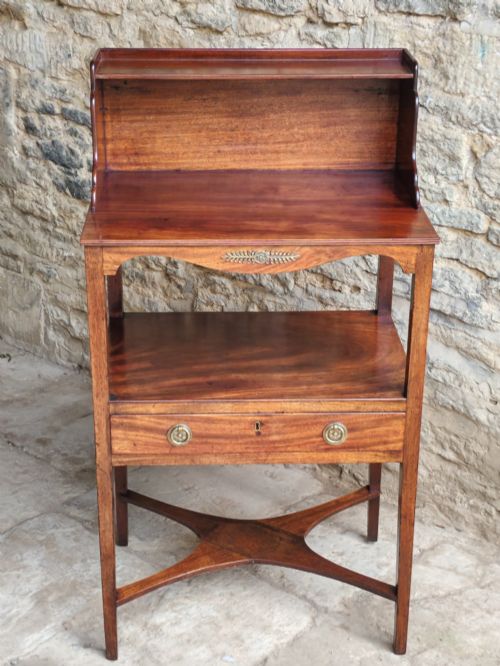
Georgian Mahogany Washstand
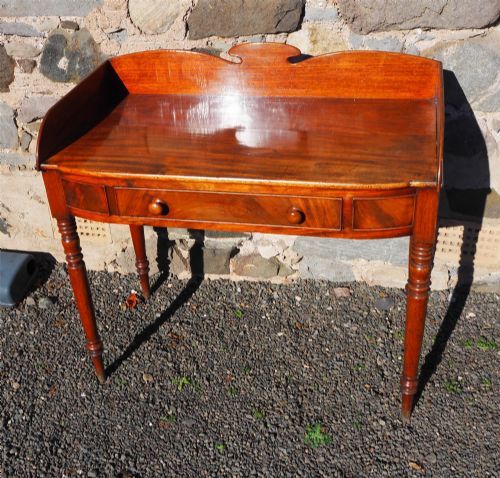
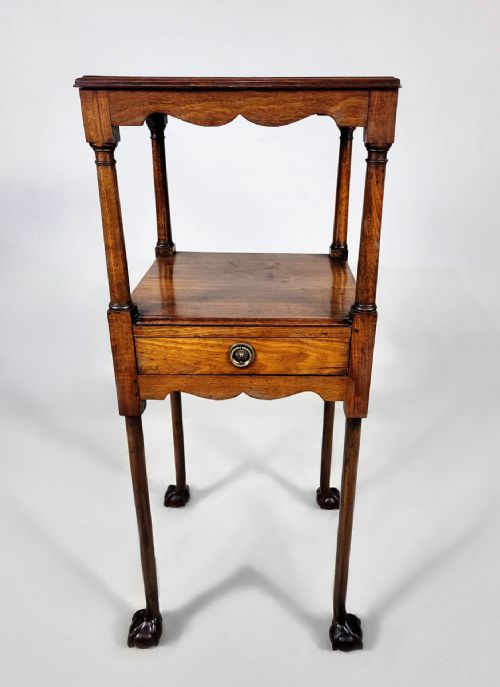
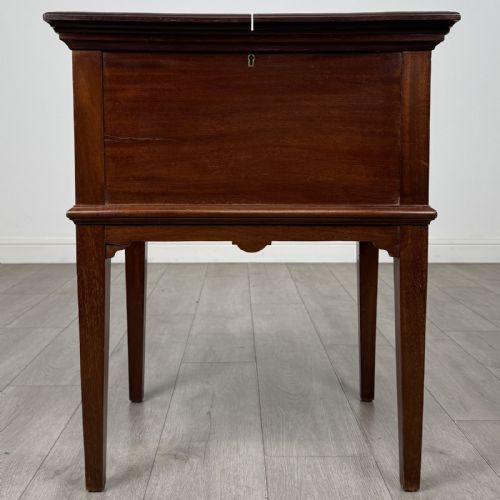
These pieces are a georgian mahogany washstand, offering sturdy timber and practical basins for daily hygiene.

Georgian Mahogany Washstand
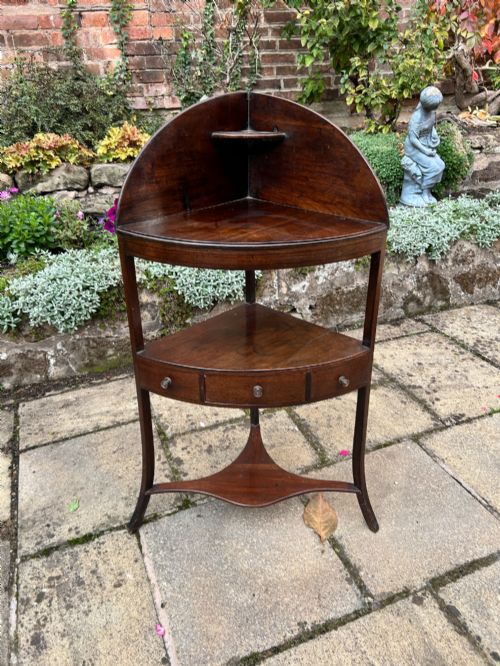
A georgian mahogany washstand combines functional daily utility with the rich tones of solid timber, spanning periods from the 18th century through to the Victorian era. Buyers searching for a georgian mahogany washstand will frequently encounter corner designs, tray-top variants, and freestanding bedside cabinets designed for personal grooming. These items appear alongside related forms such as dressing tables, night stands, and pot cupboards.
The material record shows a strong preference for mahogany, complemented by occasional details in satinwood, boxwood inlay, and brass. Pieces range from simple utilitarian basin stands to more elaborate fold-away units and tiered corner tables originating in Georgian, Regency, and later workshops.
Materials and Construction
Makers utilised solid mahogany and Cuban mahogany, valued for their durability and deep grain, often incorporating secondary timbers for interior drawer linings and backing boards. Detail work frequently involved boxwood inlay and contrasting satinwood veneers to create subtle linear decoration along borders and cabinet doors.
Hardware additions relied on brass for handles, hinges, and occasional campaign-style mounts, while functional surfaces occasionally accommodated ceramic washbowls and glass components. Construction methods balanced rigid joinery for freestanding tables with clever folding mechanisms in compact fold-away washstands.
Georgian Mahogany Washstand Retail Price Guide 2026
Typical asking prices for georgian mahogany washstand among the pieces listed under this phrase on Sellingantiques today, from the lower quarter to the upper quarter. They describe what is for sale here now, not the wider market.
Listings feature mahogany, boxwood inlay, satinwood, and brass across Georgian, Regency, and Victorian periods.
Evaluating the Pieces
Quality rests upon the selection of timber grain, the crispness of boxwood inlay, and the retention of original brass hardware. Pieces featuring dense Cuban mahogany or balanced figures show greater care in workshop selection.
Structural integrity and the survival of original interior fittings, such as basin rings, shelves, and cabinet doors, distinguish standard examples from superior survivals. Retaining proper proportions and uncompromised joinery determines the standing of each washstand.
Gillows Lancaster
The Georgian Mahogany Washstand Glossary
- Cuban mahogany
- A dense, dark timber harvested in the Caribbean, known for its rich grain and heavy weight. It was frequently utilised in high-status cabinet making during the Georgian period.
- Washstand
- A specialised piece of furniture designed to hold a basin, pitcher, and related toiletries for washing. These items often include tiered shelves or enclosed cupboards beneath the top surface.
- Campaign washstand
- A portable version designed for travel, typically featuring folding frames and modular parts for ease of transport. These units often incorporate brass corners and recessed handles.
- Tray top
- A raised rim surrounding the upper surface of a table or washstand to prevent water or small items from rolling off. This feature is commonly found on bedside tables and basin stands.
- Corner washstand
- A triangular unit shaped to fit directly into the corner of a room to save floor space. They often feature multiple tiers for holding water jugs and washing accessories.
Georgian Mahogany Washstand: Frequently Asked Questions
What is a georgian mahogany washstand used for?
These pieces served as dedicated bedroom furniture for holding basins, ewers, and personal grooming equipment before plumbed bathrooms became common.
Today, buyers repurpose them as bedside tables, plant stands, or corner display units in modern homes.
How do I identify a genuine period piece?
Look for traditional joinery methods, honest timber shrinkage, and appropriate hardware corresponding to 18th or 19th-century construction standards.
Examine the secondary woods inside drawers and cupboards to confirm the age and origin of the piece.
Are corner washstands practical for small spaces?
Their triangular footprint allows them to fit snugly into unused room corners while providing multiple tiers of surface area.
This intelligent historical design makes them exceptionally useful in compact modern interiors.
What is the difference between a washstand and a bedside table?
Washstands typically feature cut-out basin rings on the top surface or raised tray edges designed to contain water jugs.
Bedside tables usually have flat wooden tops intended for holding lamps, books, and night-time accessories.