


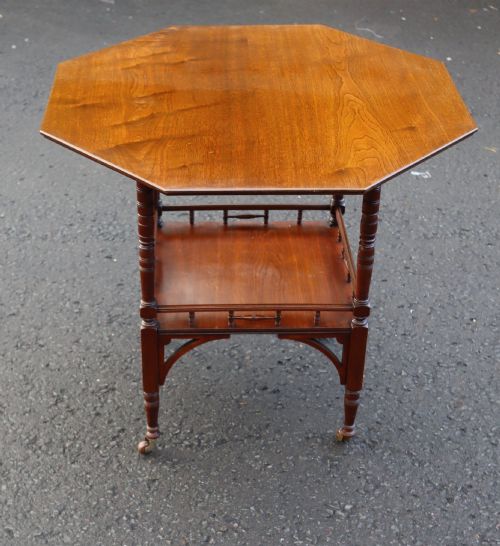
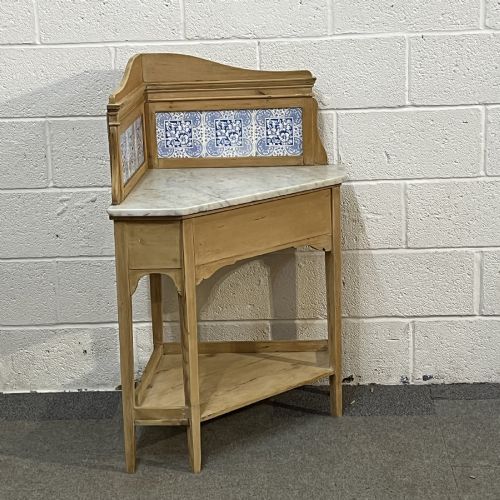
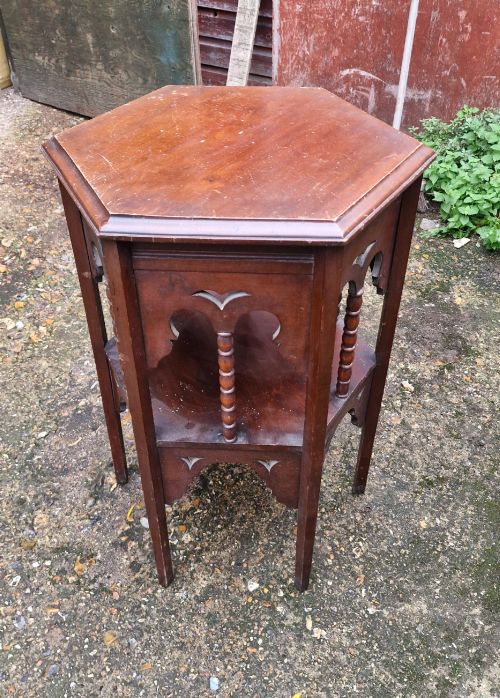
Antique Corner Table
When you search for an antique corner table, you find pieces designed to utilise awkward spaces through Georgian, Victorian and Edwardian periods.
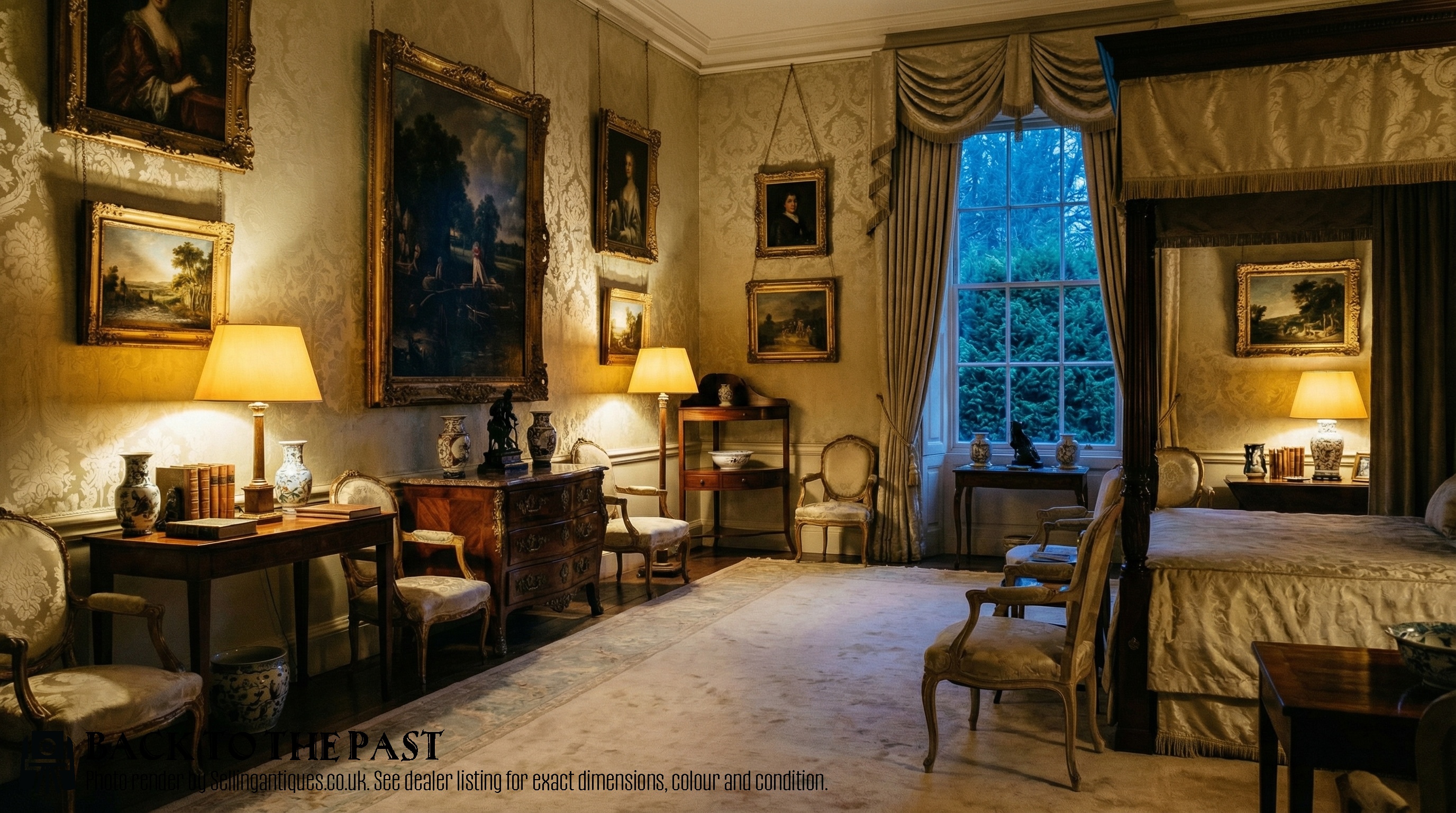
Antique Corner Table
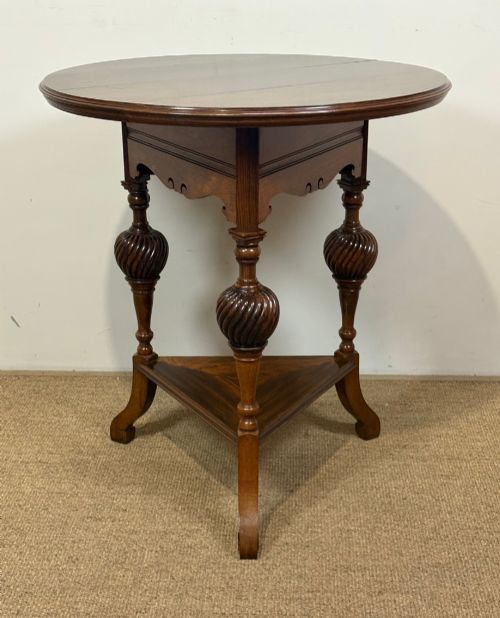
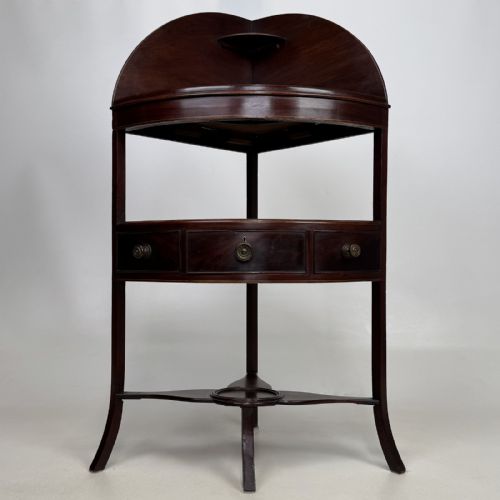
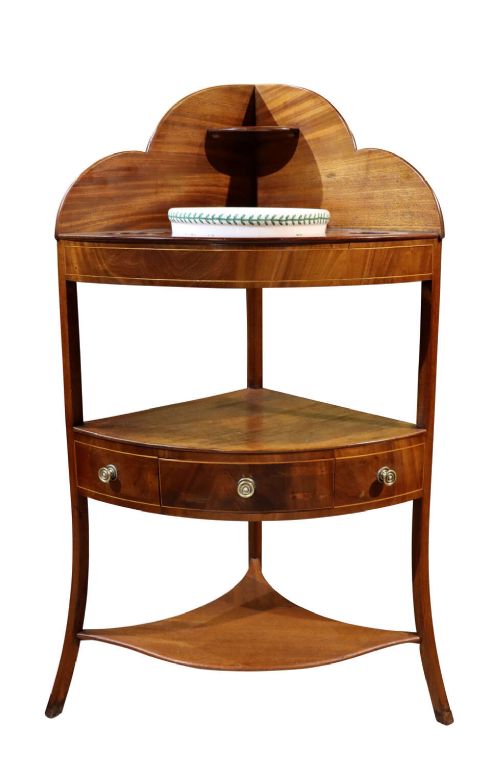
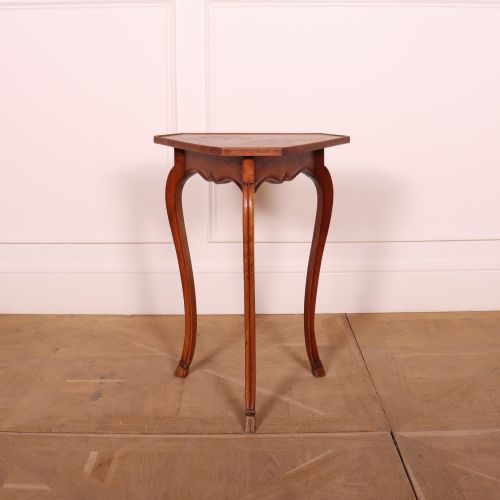
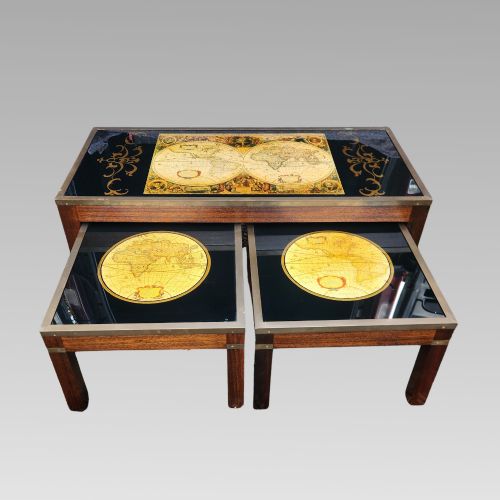
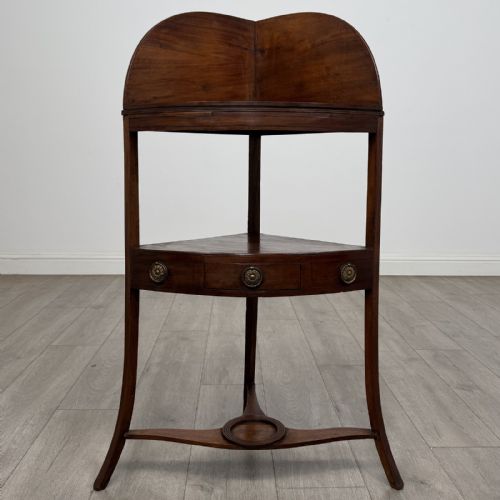
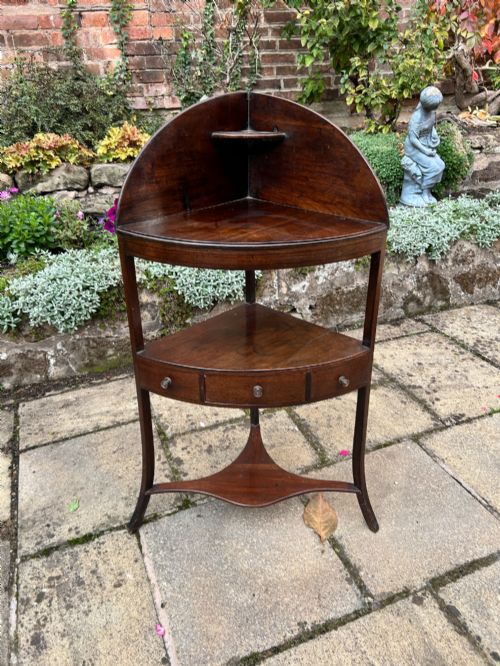
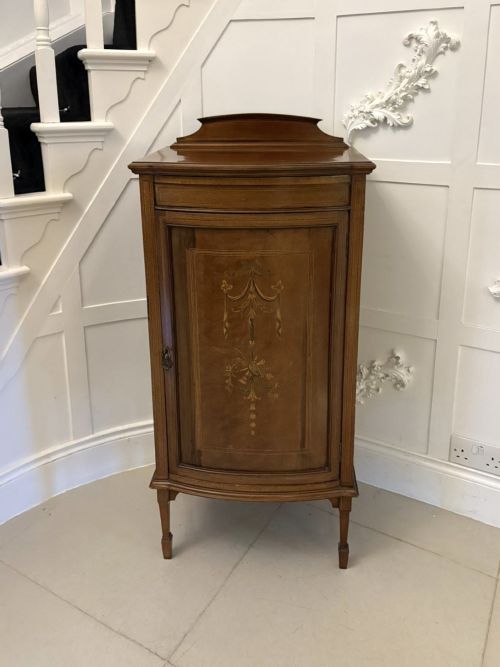
An antique corner table uses tight domestic spaces effectively, appearing in forms such as washstands, drop-leaf tables, lamp tables and cabinet variants.
The surviving examples stretch from the eighteenth century through the nineteenth century and into the early twentieth century, spanning Georgian, Victorian and Edwardian periods.
Mahogany dominates the material record, accompanied by rosewood, oak, amboyna and walnut, often shaped to fit right angles in a room.
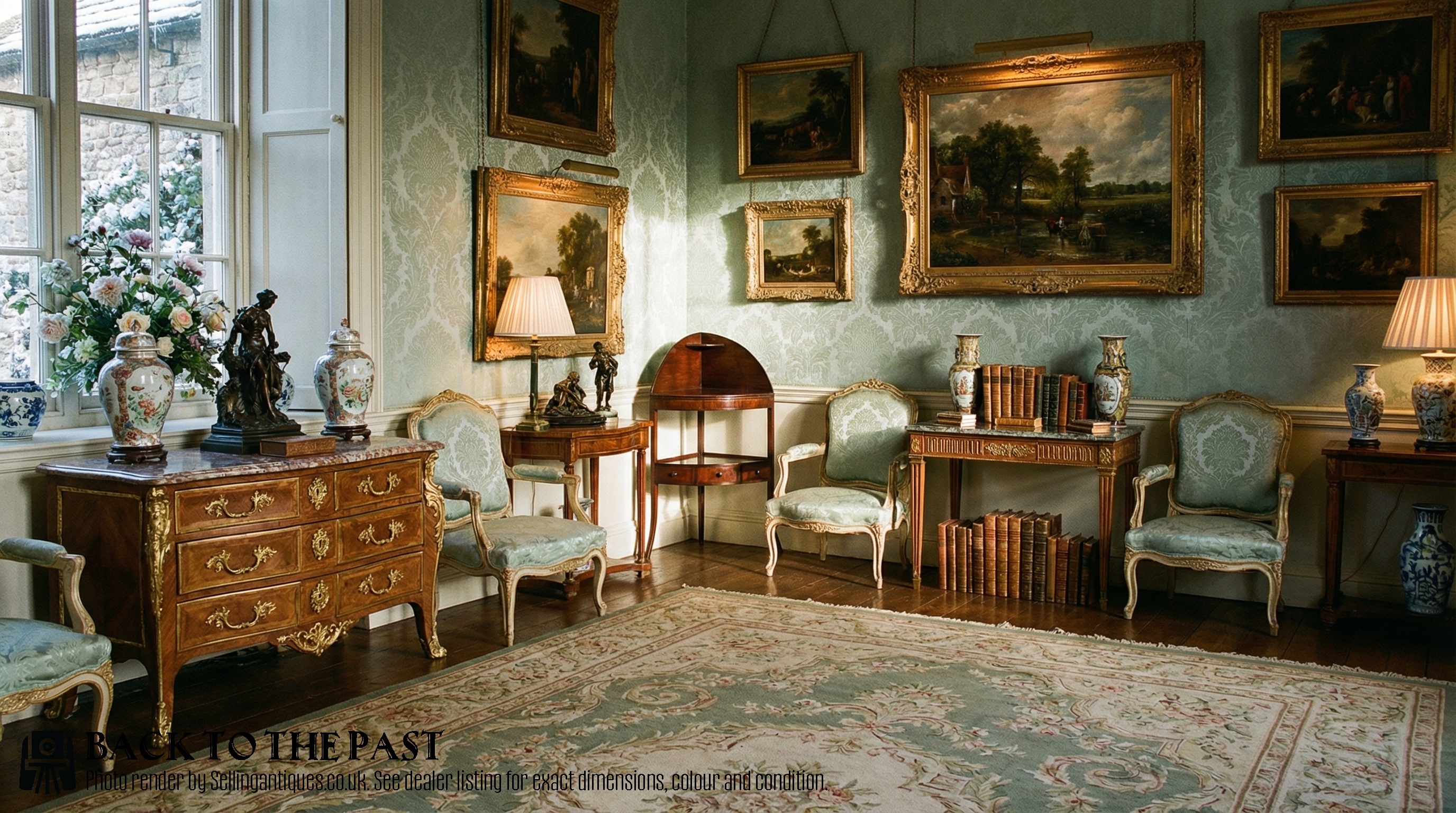
Materials and Construction
Cabinetmakers utilised solid and veneered timbers including mahogany, oak and rosewood, sometimes adding boxwood inlay or marquetry details.
Surface treatments range from natural polished wood grains to ebonised finishes, original paint and brass galleries or hardware.
Antique Corner Table Retail Price Guide 2026
Typical asking prices for corner table among the pieces listed under this phrase on Sellingantiques today, from the lower quarter to the upper quarter. They describe what is for sale here now, not the wider market.
Listings span the 18th, 19th and early 20th centuries, recording woods from mahogany and oak to rosewood and amboyna.
Craftsmanship and Design
Quality rests upon timber selection, evident in figured mahogany or rich amboyna, alongside crispness in hand-carving and marquetry inlay.
Structural integrity, original hardware such as brass galleries, and thoughtful proportions distinguish standard utility pieces from finer parlour furniture.
Liberty & Co·Liberty of London·E.W Godwin
The Antique Corner Table Glossary
- Marquetry
- Decorative veneer patterns assembled from various woods to form intricate pictures or geometric designs on the surface.
- Washstand
- A functional furniture piece designed to hold a basin and pitcher, frequently built into a triangular corner format.
- Drop-leaf
- A table design featuring hinged flaps that fold down to save space or lift up to extend the surface area.
- Bow front
- A convex curved front section that softens the sharp angles of a corner-fitting piece of furniture.
- Ebonised
- Wood treated with a dark stain or finish to imitate expensive ebony.
Antique Corner Table: Frequently Asked Questions
Where should I place an antique corner table?
These tables fit naturally into empty room angles where standard rectangular furniture leaves wasted space.
They work well in hallways, living rooms and bedrooms as lamp stands or display surfaces.
Were all corner tables used for washing?
Many surviving corner tables functioned as washstands with cut-out tops for basins, but a significant number served as lamp tables, cupboards or drop-leaf occasional tables.
The specific interior layout of shelves or drawers usually reveals the original purpose.
What woods were commonly used?
Mahogany forms the majority of surviving examples across the eighteenth and nineteenth centuries.
Cabinetmakers also employed oak, walnut, rosewood and amboyna, frequently accented with boxwood stringing or marquetry.