

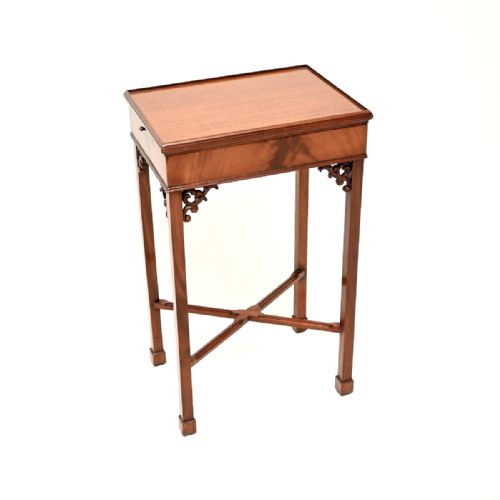
Georgian Corner Stand
A georgian corner stand makes clever use of neglected angles, offering architectural presence and discreet storage in traditional rooms.

Georgian Corner Stand
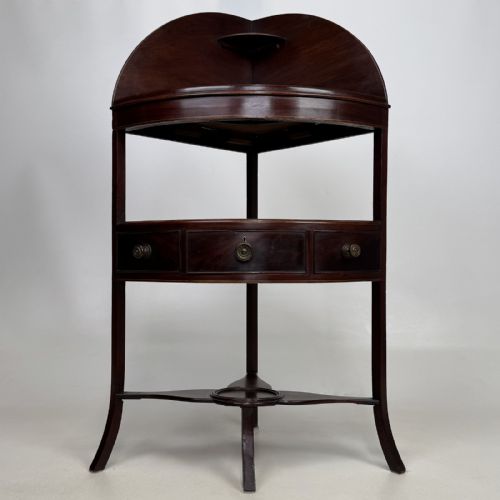
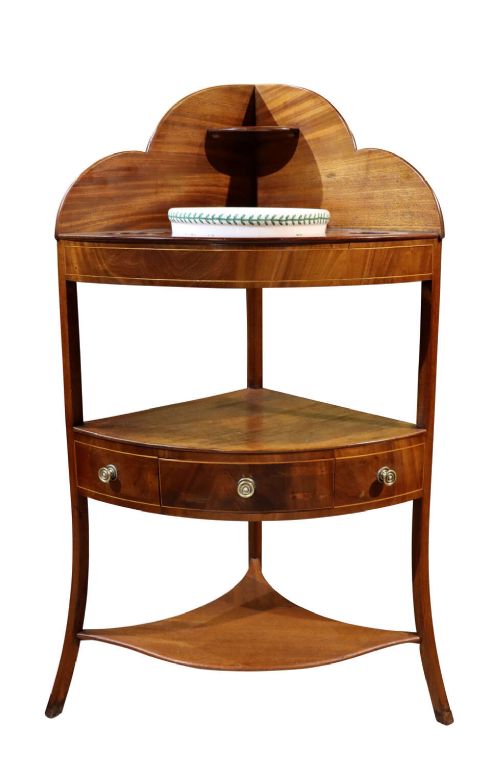
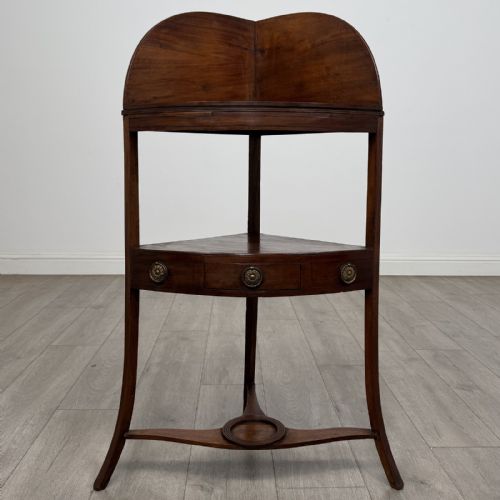
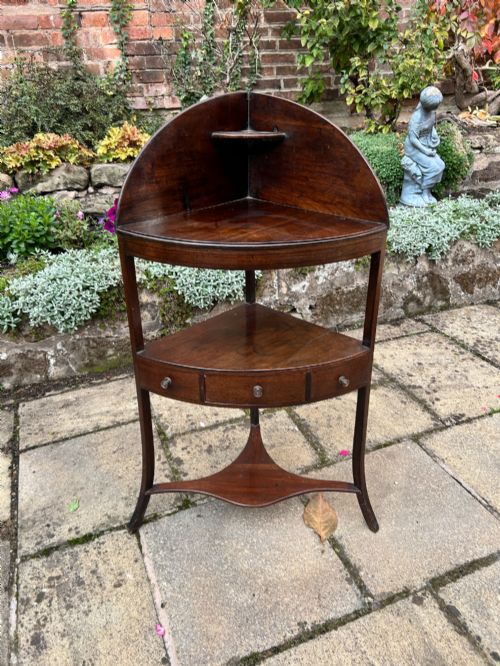
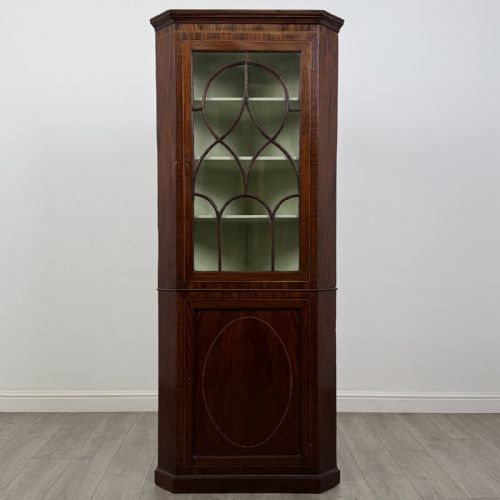
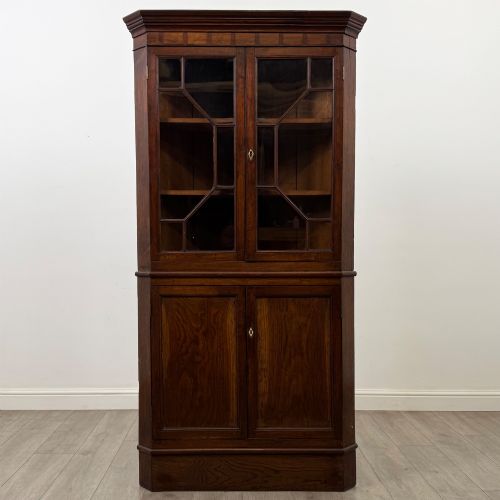
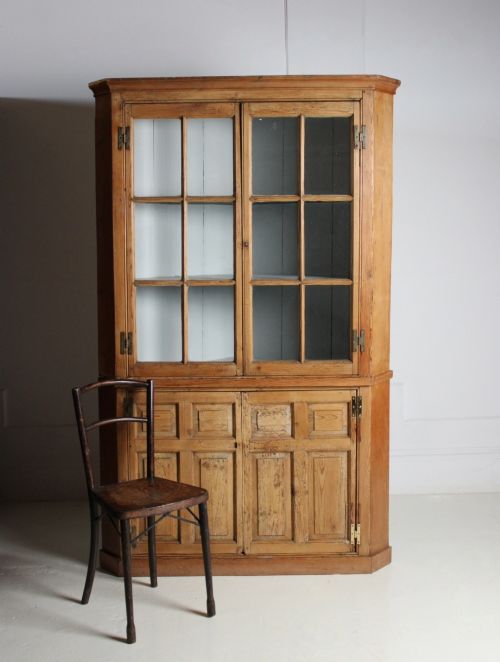
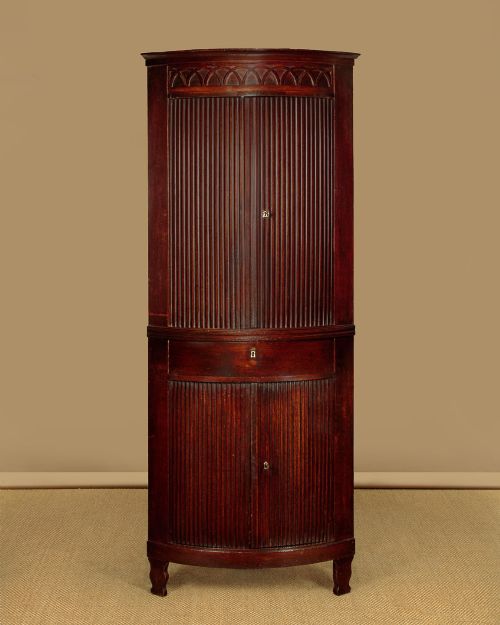
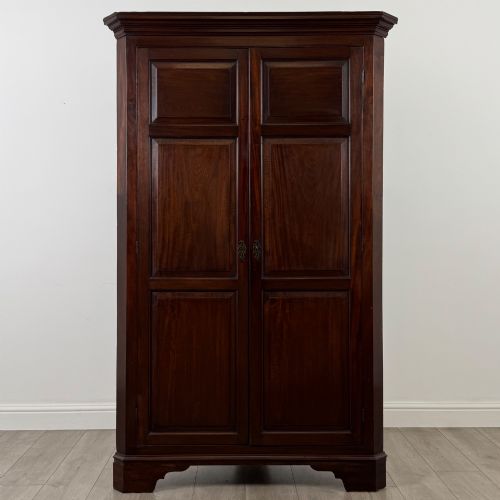
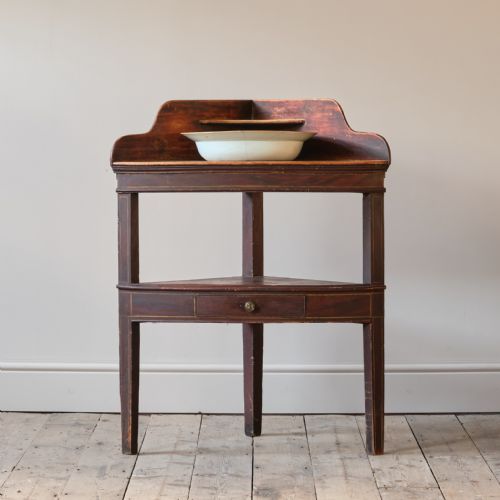
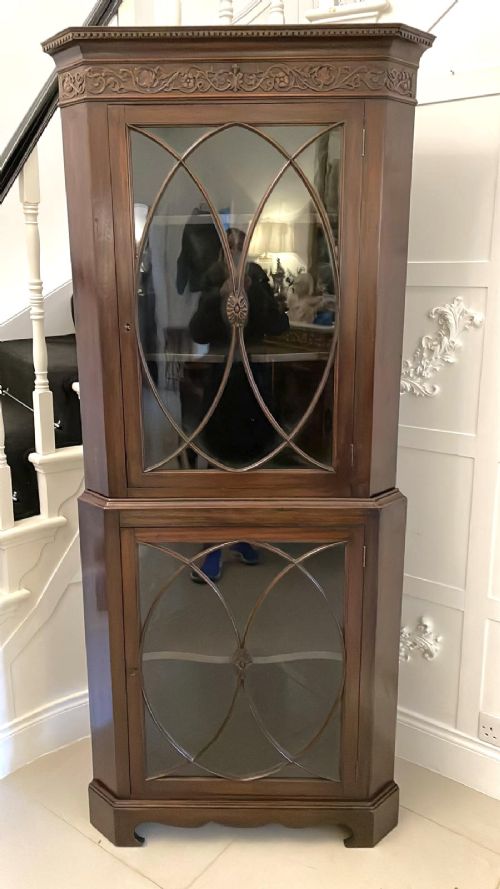
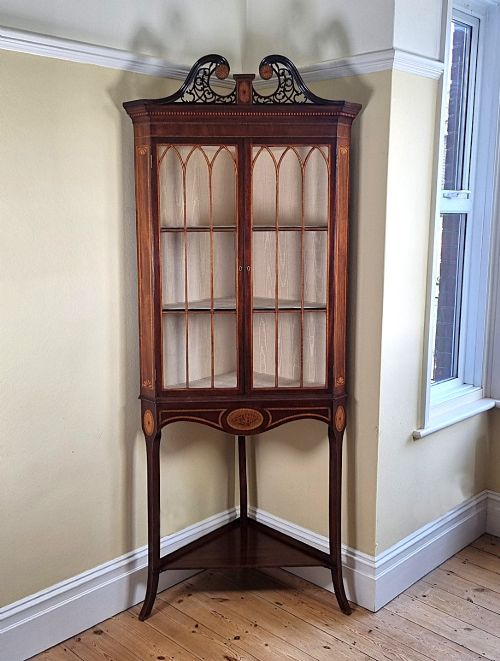
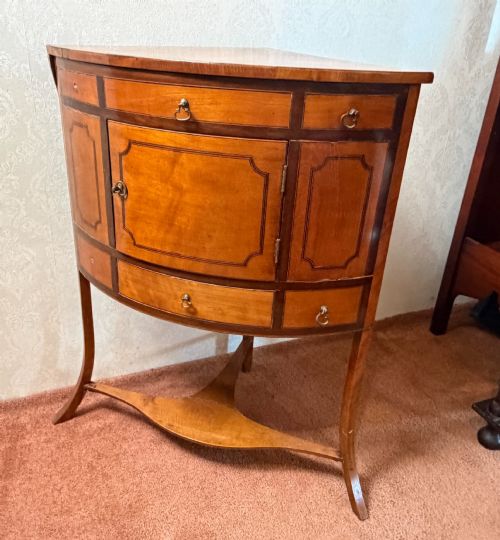
A georgian corner stand solves the spatial puzzle of domestic interiors by fitting neatly into room angles, most commonly appearing as mahogany or oak floor-standing cupboards, wall-hanging cabinets, and washstands. These pieces belong predominantly to the eighteenth and early nineteenth centuries, reflecting the period's taste for symmetrical room layouts and functional fitted furniture.
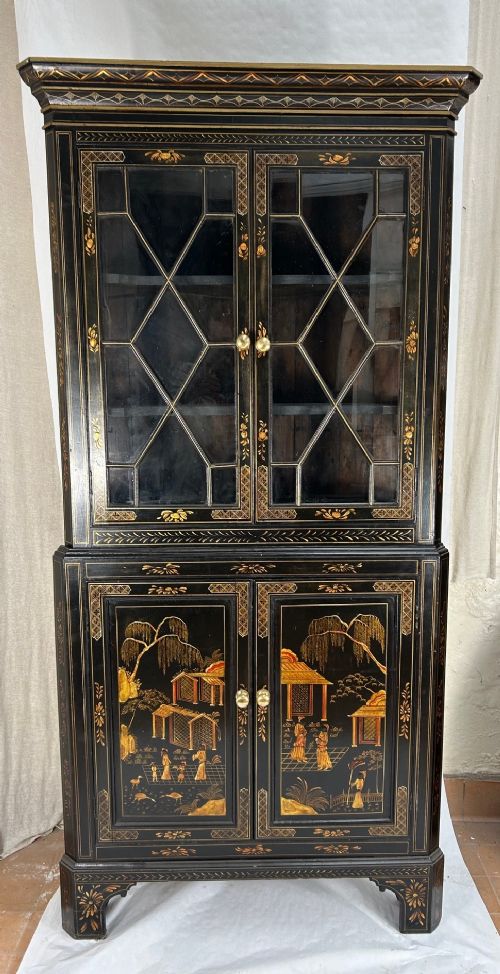
Makers designed these items with single or double doors, sometimes featuring glazed upper sections for the exhibition of glassware or porcelain. The baseline forms rely on solid timber carcases built to anchor the corner of a parlour, dining room, or bedroom.
How they were made
Cabinet makers built these pieces using solid timbers like mahogany, oak, and elm, often applying finer veneers such as satinwood or walnut to the principal surfaces. Construction methods relied on dovetailed joints for drawers and pegged mortise and tenon frames for the main body to withstand the shifts of domestic timber.
Surfaces received treatments ranging from clear wax polish over flame mahogany to hand-applied paint and intricate marquetry inlay. Brass hardware, including hinges, drop handles, and galleries, added functional contrast to the dark woods.
Georgian Corner Stand Retail Price Guide 2026
Typical asking prices for georgian corner stand among the pieces listed under this phrase on Sellingantiques today, from the lower quarter to the upper quarter. They describe what is for sale here now, not the wider market.
Some washstands hide secret cutouts originally sized precisely for Georgian shaving bowls.
What varies in quality
The distinction between standard and exceptional pieces rests upon the choice of timber and the precision of the cabinet work. Dense, richly figured mahogany or tightly grained quarter-sawn oak indicates a higher tier of production than plain utility pine.
Refined details such as astragal glazing bars, delicate stringing, and well-executed cockbeading around drawer fronts elevate a piece. Structural integrity depends on the original survival of internal shelving and feet without extensive timber replacement.
The Georgian Corner Stand Glossary
- Astragal glazing bar
- A slender wooden moulding used to hold individual panes of glass within a cabinet door. These bars form geometric grids across glazed corner cupboards.
- Bow front
- A convex curved cabinet face that projects forward from the corner walls. This curved profile requires skilled joinery to shape solid timber or bent veneers.
- Cockbeading
- A narrow projecting rounded moulding applied to the edges of drawer frames. It protects the drawer edges from impact and adds a decorative finish.
- Marquetry
- Decorative veneer work forming pictorial or geometric patterns using various coloured woods. Craftsmen cut contrasting veneers to fit flush within the surface.
- Washstand
- A specialised table or cabinet designed to hold basins, pitchers, and washing gear. Many examples feature upper tiers with circular cutouts for bowls.
Georgian Corner Stand: Frequently Asked Questions
How were corner stands used originally?
These items served specific domestic functions depending on their form, acting as washbasins in bedrooms or storage cupboards for provisions and dining china in reception rooms. Their angled design kept pathways clear in smaller Georgian floor plans.
Over decades, surviving examples transitioned from strict utility pieces to display cabinets for collections of ceramics and glassware.
Where should I place a corner stand?
They belong in unutilised ninety-degree room angles where flat furniture fails to fit comfortably. A tall standing cupboard anchors an empty dining room corner, while a smaller tripod version suits a hallway.
Ensure the wall angles match the squareness of the cabinet backboards to achieve a flush fit against the skirting boards.
How do I care for antique mahogany?
Maintain the timber by applying natural beeswax sparingly and buffing with a soft lint-free cloth to preserve the sheen. Avoid placing wooden furniture near direct heat sources or strong sunlight to prevent warping and fading.
Dust the intricate mouldings and glazed panels gently with a dry brush to prevent dirt accumulation in carved recesses.
Are these pieces usually original?
Most surviving items retain their primary timber carcases, though hardware like brass handles and internal shelves are frequently replaced over centuries of use. Paint finishes and patination develop naturally through age and handling.
Examining the secondary woods inside helps confirm the period authenticity of the construction.