


Antique Corner Washstand
An antique corner washstand turns awkward domestic geometry into a clever display of period craftsmanship.
Antique Corner Washstand
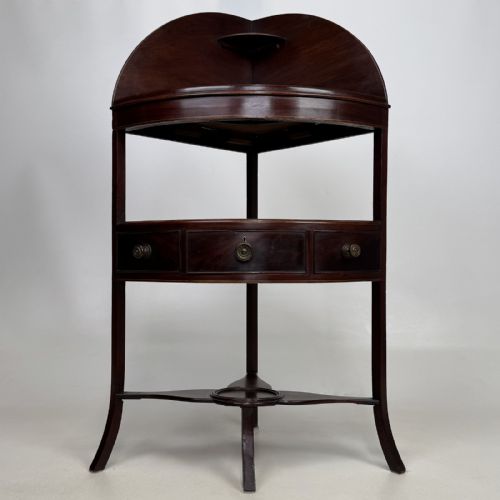
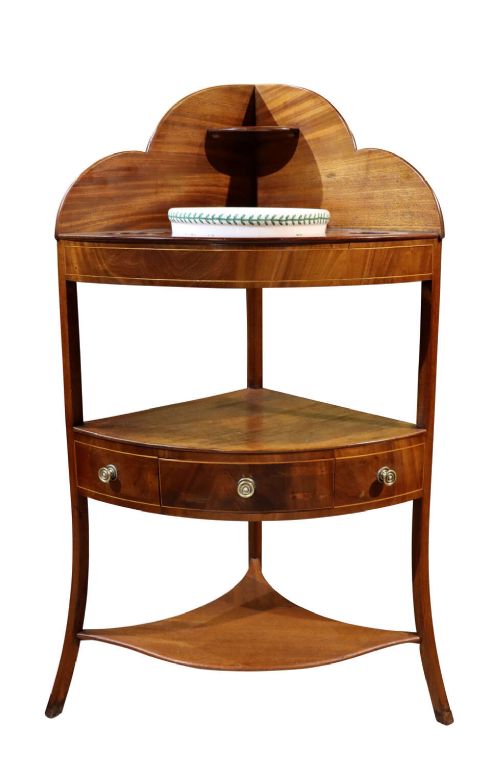
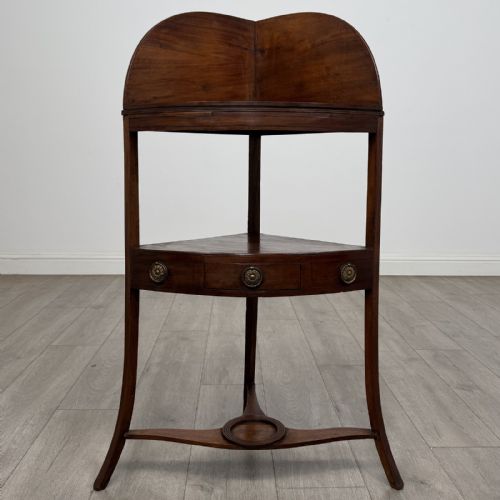
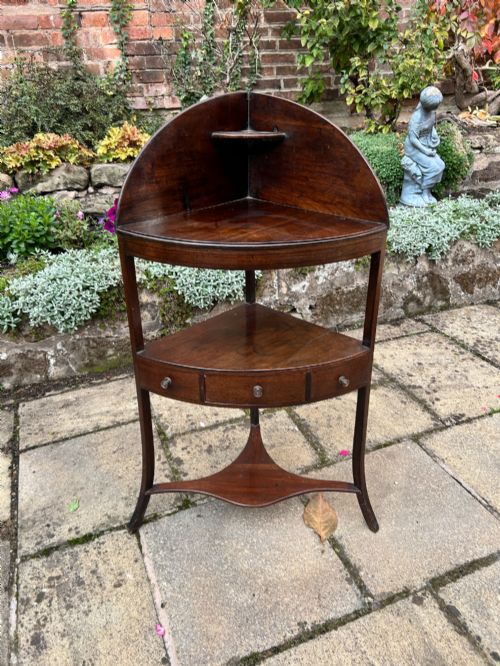
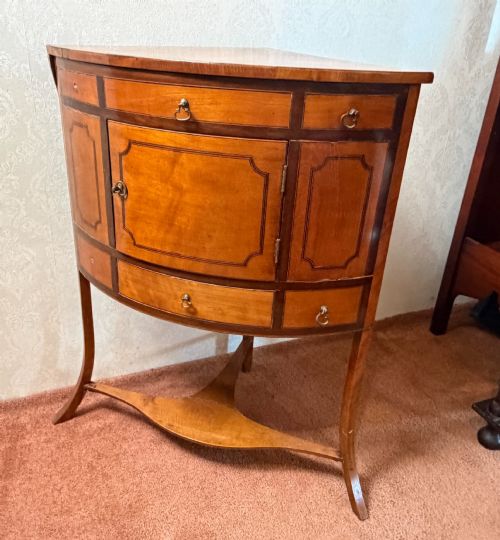
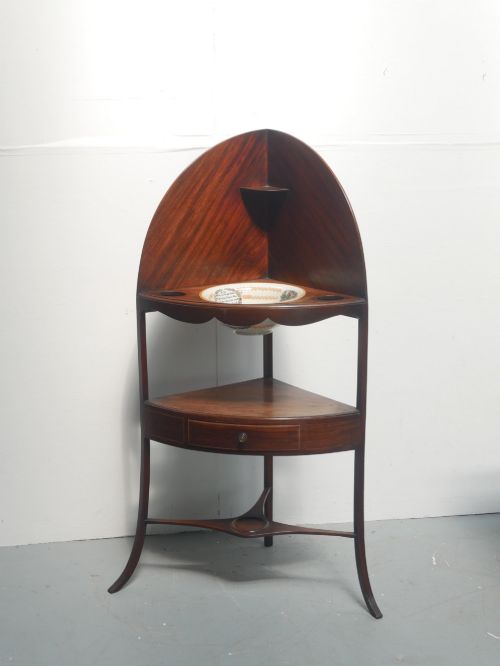
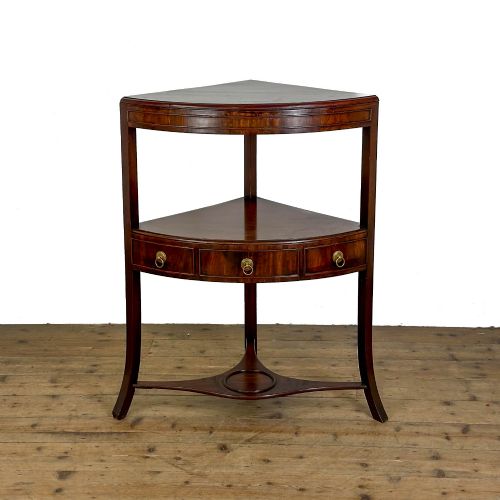
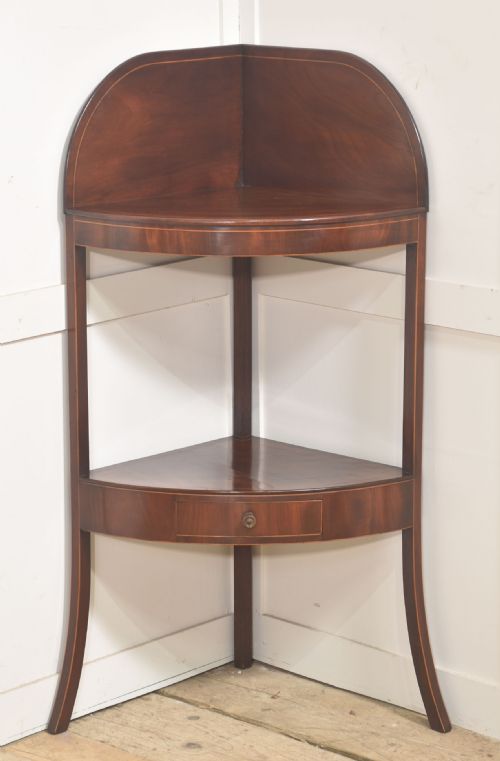
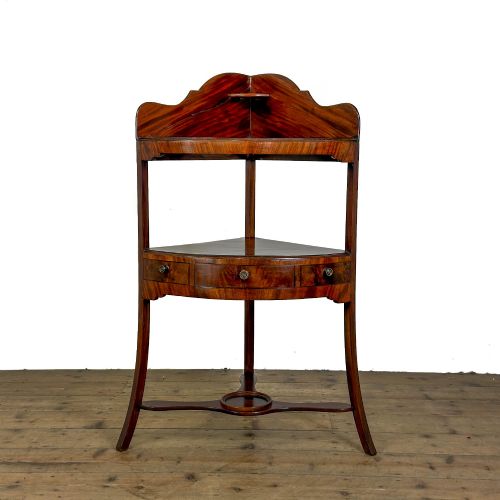
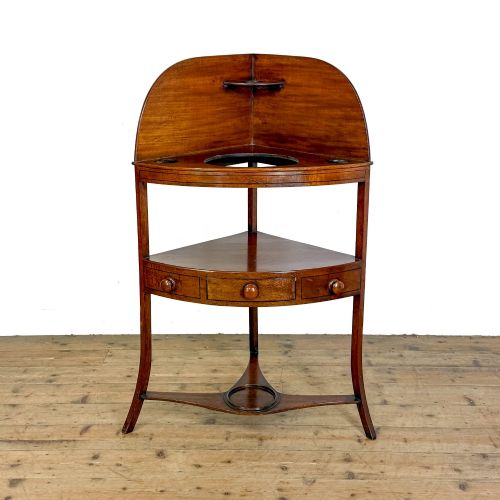
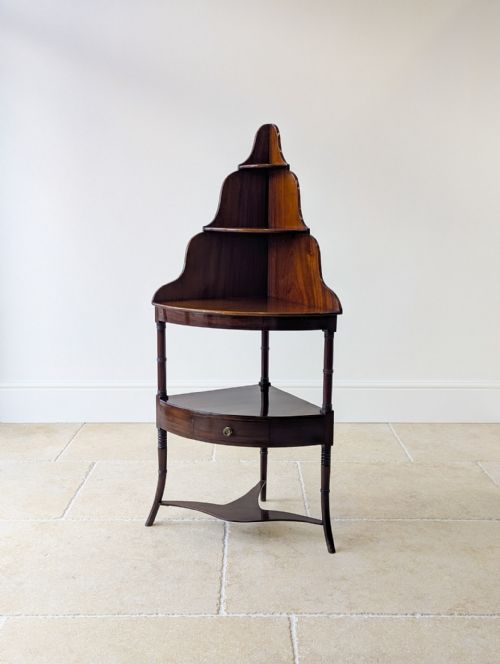
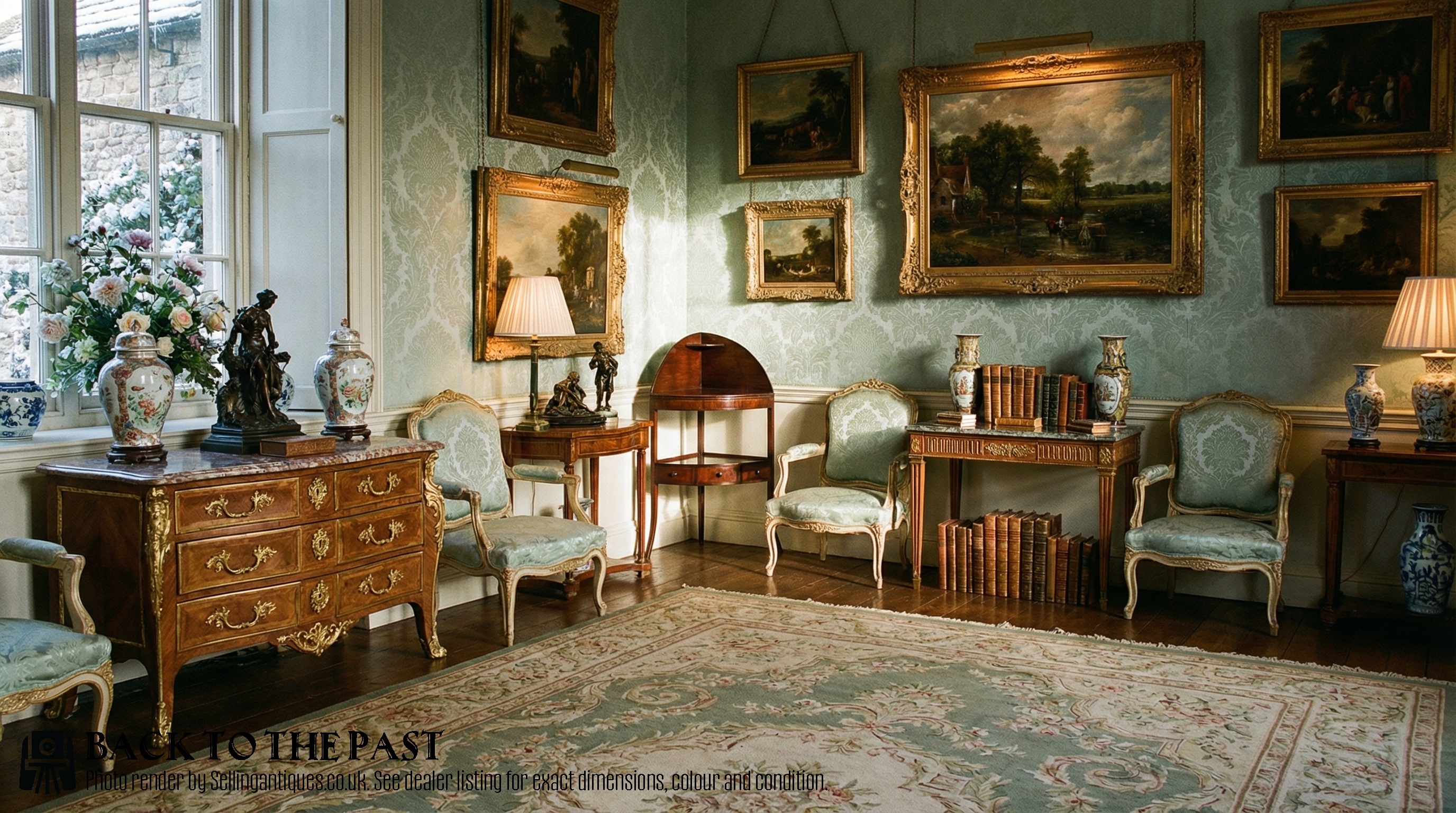
An antique corner washstand is a purpose-built piece designed to tuck neatly into the junction of two walls, making economical use of small rooms in Georgian and Regency houses. You will find that mahogany predominates across the selection, often shaped with a bow front to soften the triangular footprint.
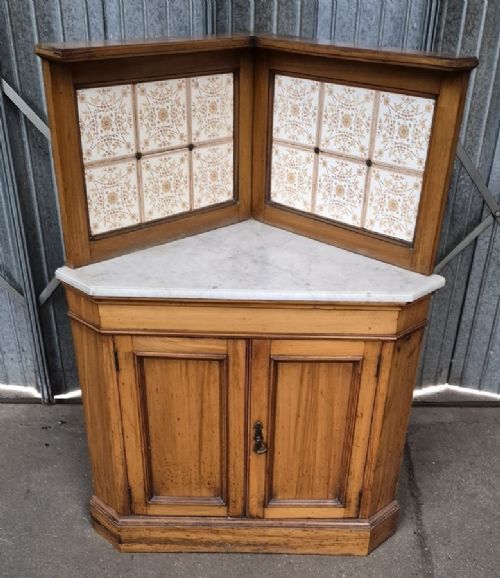
Most examples date from the Georgian and Regency eras, with later Victorian and Edwardian interpretations appearing alongside them. These items frequently feature tiered designs with circular cutouts on the top tier to hold washbasins, sometimes accompanied by lower shelves, small drawers, or enclosed cupboards.
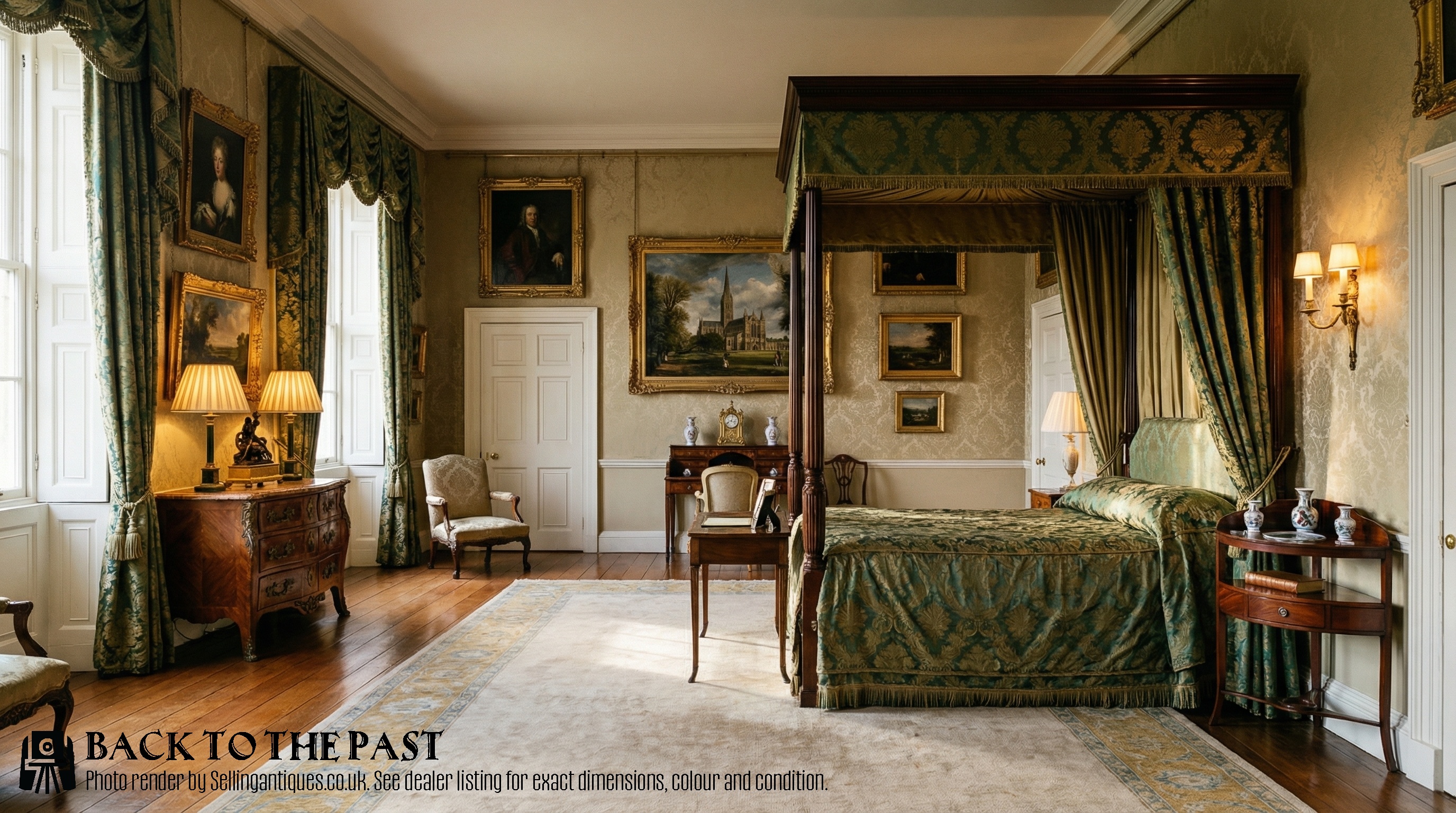
Beyond their original utilitarian purpose in bedrooms and dressing rooms, these stands adapt well to modern living as plant tables, lamp stands, or corner display units. The surviving pieces demonstrate the ingenuity of period cabinet makers in solving space limitations without sacrificing elegance.

Materials and Construction
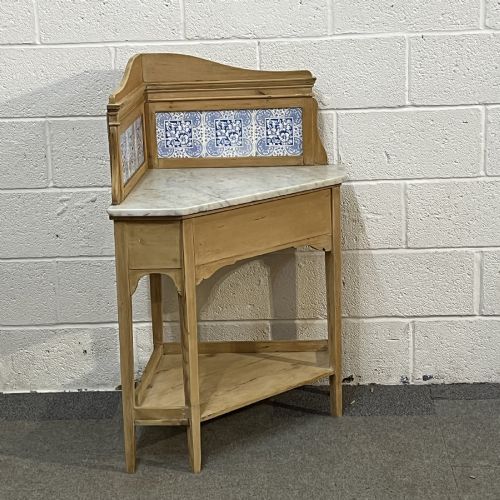
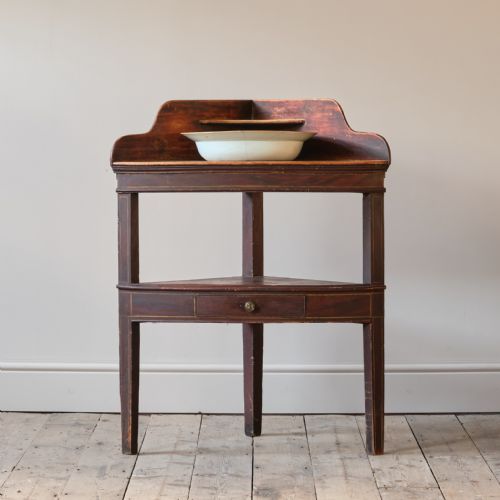
Cabinet makers relied heavily on solid mahogany and mahogany veneers, occasionally incorporating contrasting boxwood inlay or satinwood details to elevate the visual weight of the corner frame. Some pieces show walnut, pine in original paint, or marble tops paired with ceramic basins.
Construction techniques involve sturdy dovetail joints for small drawers and precise turning for supporting columns and legs. Tiered structures rely on carefully fitted braces to support the heavy earthenware bowls and pitchers used during the periods of their manufacture.
Antique Corner Washstand Retail Price Guide 2026
Typical asking prices for corner washstand among the pieces listed under this phrase on Sellingantiques today, from the lower quarter to the upper quarter. They describe what is for sale here now, not the wider market.
Listings feature mahogany, walnut, satinwood, and marble, spanning Georgian, Regency, Victorian, and Edwardian periods.
Assessing Quality
The distinction between standard utility items and finer examples lies in the selection of timber figures, such as flame mahogany, and the crispness of any boxwood stringing or inlay. Drawer construction and the integration of folding tops or cupboard doors also signal the ambition of the original workshop.
Proportion and stability define the better pieces, where the three or four supporting legs meet the tiered shelves with absolute rigidity. Alterations to the original basins or cutouts affect how closely a piece matches its initial domestic function.
Walker and Sons·Gillows Lancaster
The Antique Corner Washstand Glossary
- Bow front
- A convex curved cabinet front that projects outward, commonly seen on Georgian and Regency corner washstands to maximise internal storage while softening angular lines.
- Tiered corner stand
- A piece structured with multiple open shelves arranged vertically in a triangle, allowing for the display of basins, jugs, or decorative objects.
- Boxwood inlay
- Narrow strips of pale wood inserted into darker mahogany surfaces to create linear borders and geometric patterns.
- Pot cupboard
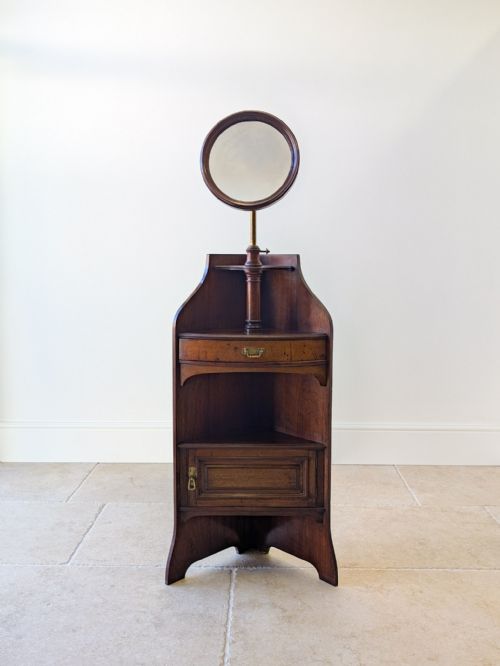
- A small enclosed cabinet built into the lower section of a washstand, originally designed to house a chamber pot out of sight.
Antique Corner Washstand: Frequently Asked Questions
What was a corner washstand used for?
These stands held washbasins, jugs, and soap dishes for morning ablutions in bedrooms before plumbed bathrooms became common.
Lower tiers and cupboards stored water pitchers and chamber pots safely out of the way.
How do I date a corner washstand?
Look to the timber, hardware, and leg style, as Georgian pieces favour straight tapered legs while Regency examples often feature reeded or turned supports.
Inlay details and the presence of bow fronts also help narrow down the decade of manufacture.
Can I use one in a modern bathroom?
Many buyers adapt them as corner plant stands, hallway lamp tables, or decorative display units in living spaces.
Original ceramic basins are sometimes present, though modern items can be placed on the top tier with care.
Are folding top washstands rare?
Some pieces include hinged split tops designed to conceal the washbasin aperture when not in use, creating a flat table surface.
This clever mechanism allowed the furniture to serve multiple functions throughout the day.