



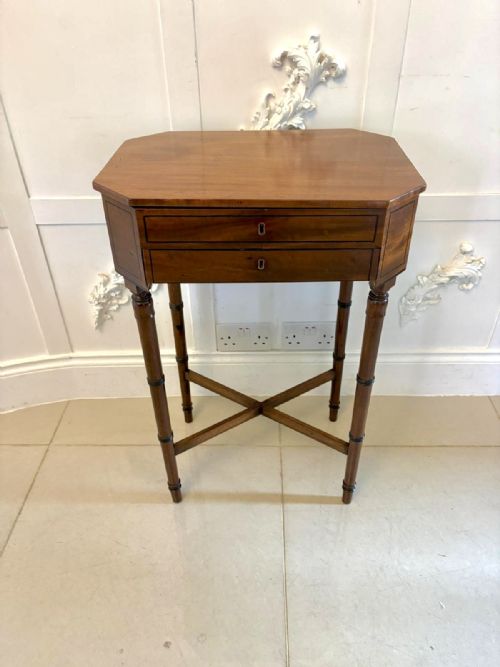


Regency Corner Table
A regency corner table brings architectural focus to a neglected room space, offering practical surface area through refined period joinery.
Regency Corner Table
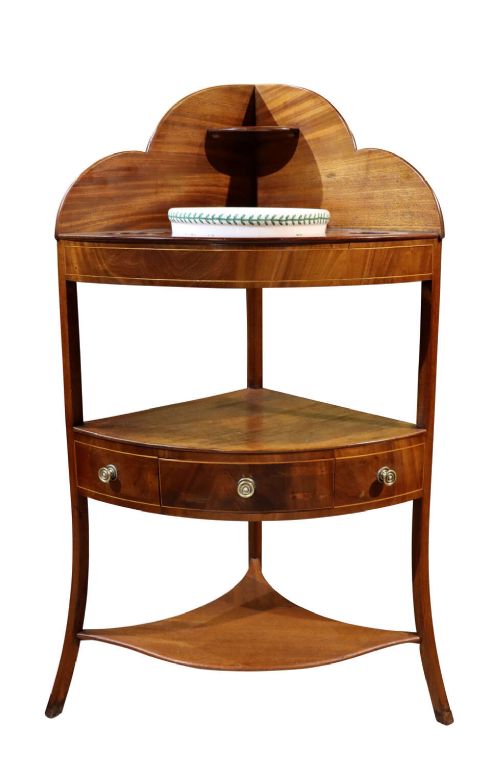
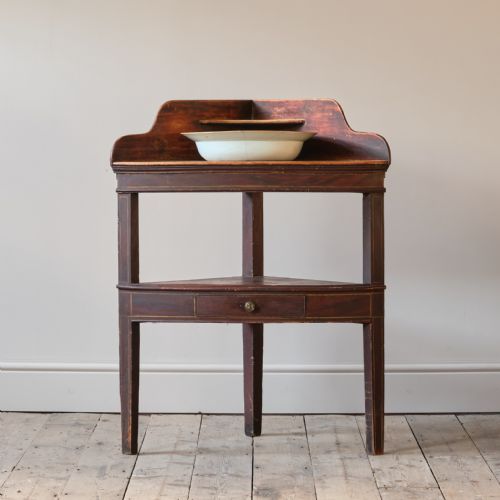
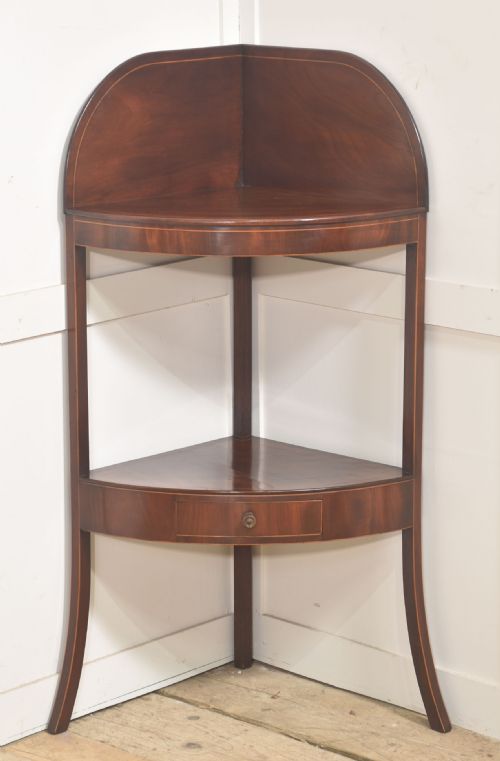
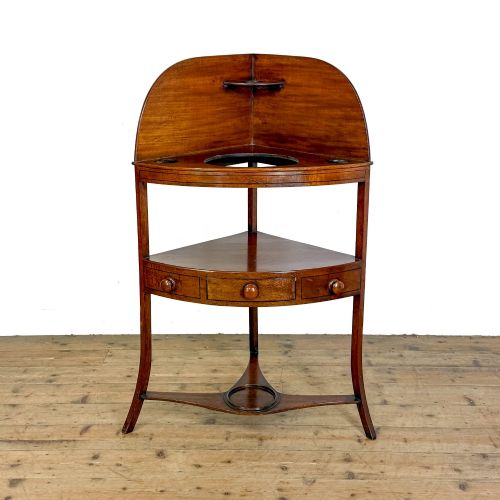
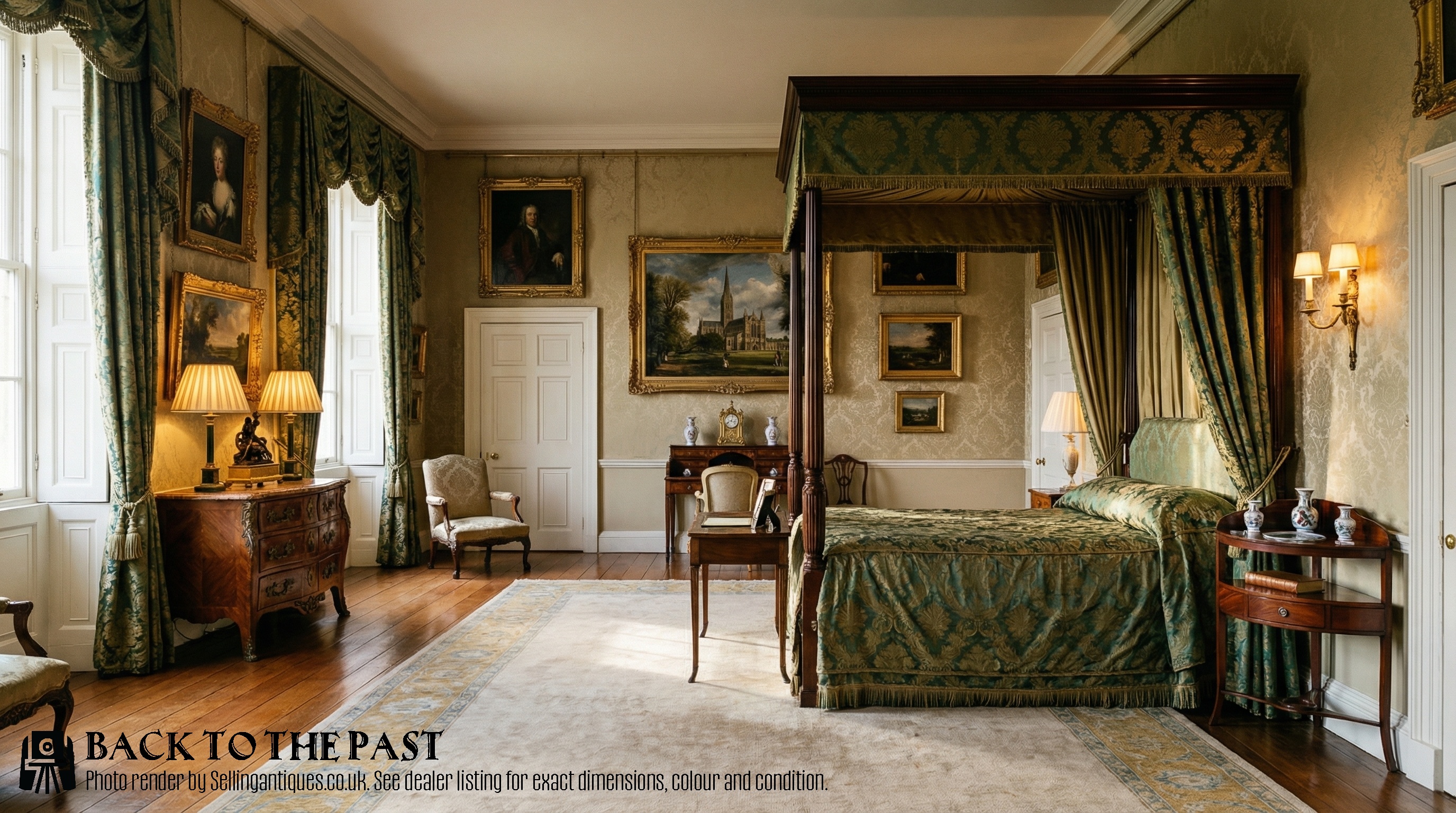
A regency corner table generally appears as a washstand or display surface designed to fit snugly into a room intersection. The evidence shows these pieces span the Georgian, Regency, and William IV periods, executed in forms ranging from simple tripod bases to bow front variations.
Buyers encountering this search phrase meet timber constructions intended for utility in corners, frequently incorporating inlaid details or tiered shelving. The surviving items demonstrate that these tables served functional domestic roles as washstands, lamp supports, or display stands.
Originating predominantly from the early nineteenth century and the wider nineteenth century, these tables reflect the prevailing cabinet-making standards of their respective decades. The forms maintain a compact footprint while utilising decorative veneers and figured timbers suited to domestic interiors.
Materials and construction
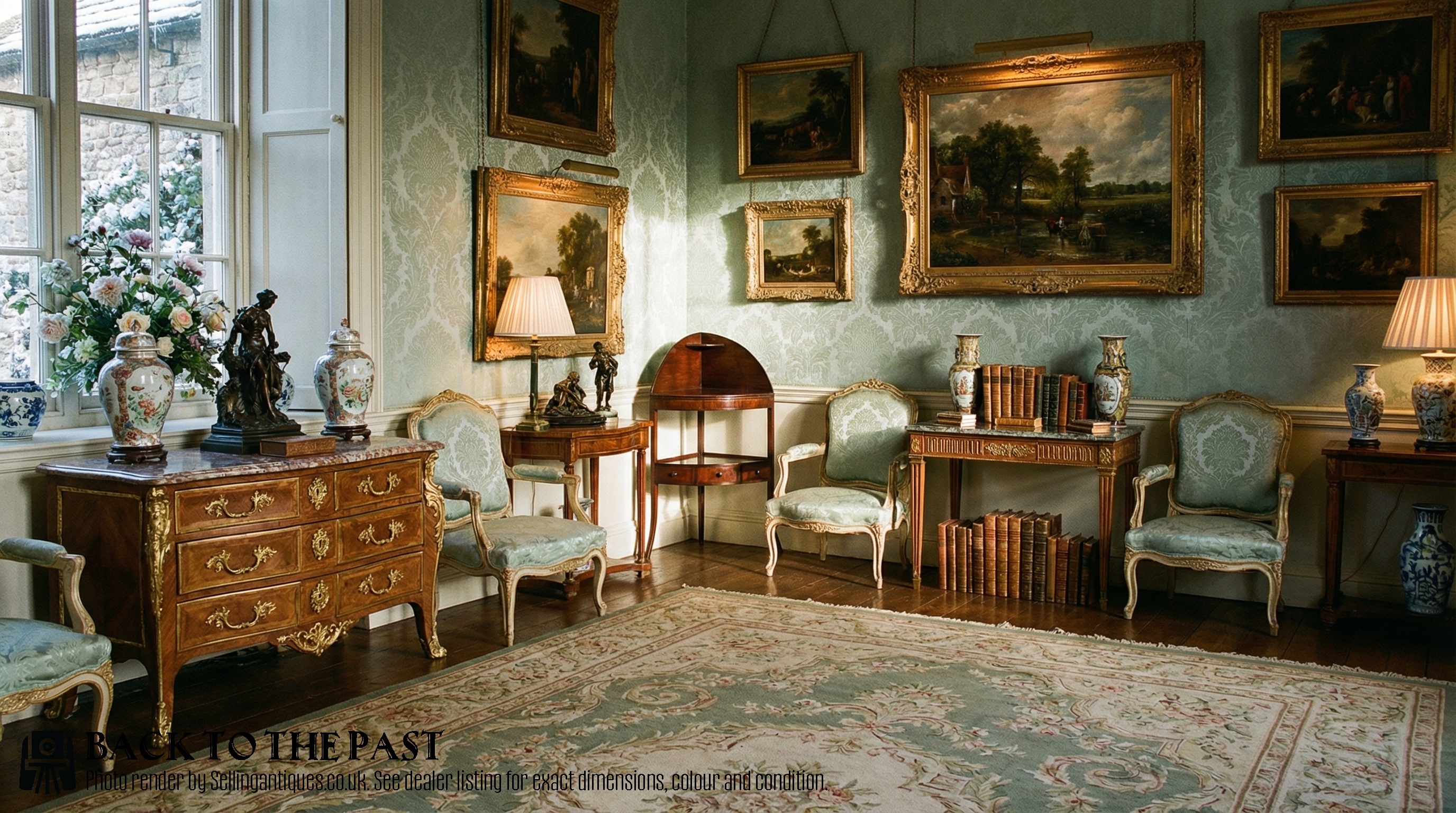
Cabinet-makers constructed these corner tables primarily using mahogany, often selected for its figured grain, alongside secondary woods like pine. Workshops incorporated decorative elements such as boxwood stringing, brass inlay, and rosewood or satinwood veneers to enhance the visual depth of the surfaces.
Construction techniques rely on traditional joinery suitable for corner placement, including dovetailed drawers and turned or reeded legs supporting shaped tiers. Surfaces occasionally feature original paint finishes or polished timber grains that highlight the natural figure of the wood.
Regency Corner Table Retail Price Guide 2026
Typical asking prices for regency corner table among the pieces listed under this phrase on Sellingantiques today, from the lower quarter to the upper quarter. They describe what is for sale here now, not the wider market.
Listings for this phrase include mahogany, rosewood, boxwood, burr yew, and satinwood across the Regency and Georgian periods.
Evaluating quality and execution
Quality in these tables rests upon the selection of timber veneers and the precision of the inlay work, such as boxwood and brass detailing. Superior examples exhibit tightly figured mahogany or exotic woods paired with balanced proportions and intact structural joinery.
The sophistication of the turning on the legs and the crispness of any carved or reeded elements distinguish finer pieces from standard utility items. Originality of surface finish and the retention of period hardware further elevate the standing of an individual table.
The Regency Corner Table Glossary
- Bow front
- A convex curved cabinet front that projects outward, commonly seen on corner washstands to soften angular room lines.
- Stringing
- A narrow inlay of contrasting wood, such as boxwood, used to create delicate linear borders on table tops and drawer fronts.
- Tripod base
- A support structure comprising three legs radiating from a central column, frequently utilised on small occasional and tilt-top tables.
- Etagere
- An open piece of furniture with multiple tiers or shelves for displaying small objects, appearing in square and octagonal formats.
- Tilt-top
- A tabletop hinged to the pedestal column, allowing the surface to fold vertical when not in active use.
Regency Corner Table: Frequently Asked Questions
What is a corner table?
A corner table is a specialised item of furniture built with an angled rear profile designed specifically to slot into the junction of two walls.
These pieces maximise spatial efficiency in smaller rooms while providing a functional surface for lamps, decorative objects, or washing equipment.
How old are these tables?
The pieces associated with this category date predominantly from the Georgian and Regency eras through to the mid nineteenth century.
Construction details, timber choices, and stylistic markers such as reeded legs help attribute them to specific decades between eighteen hundred and eighteen sixty.
Were they used for washing?
Many surviving examples function as corner washstands designed to hold basins, ewers, and associated toiletry items in bedchambers.
Over time, many of these washstands transitioned into general occasional tables or lamp stands as domestic plumbing habits changed.
How do I maintain the finish?
Maintenance requires gentle cleaning with a soft, dry cloth to remove dust without disturbing the polished timber or veneer surfaces.
Avoid placing these tables in direct sunlight or near heat sources to prevent the mahogany, rosewood, or inlay work from drying out.