

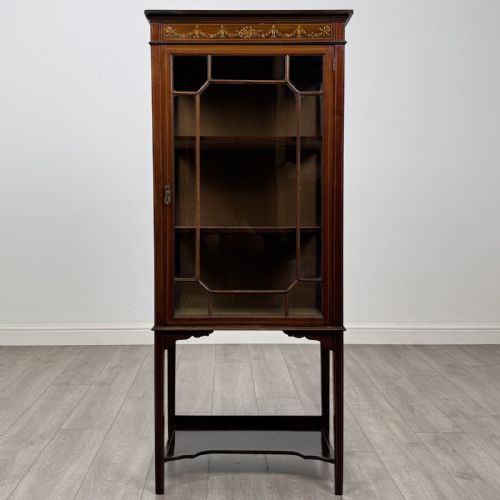
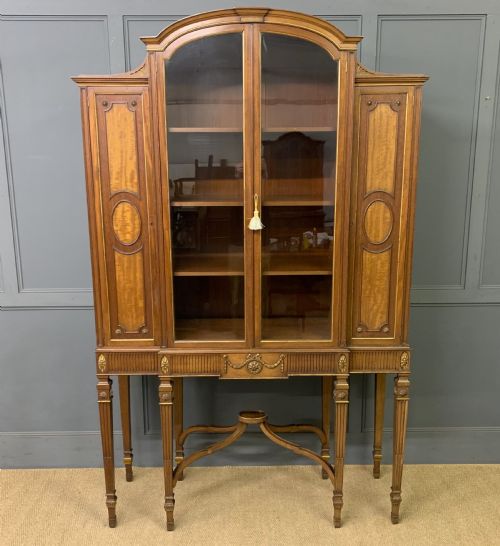
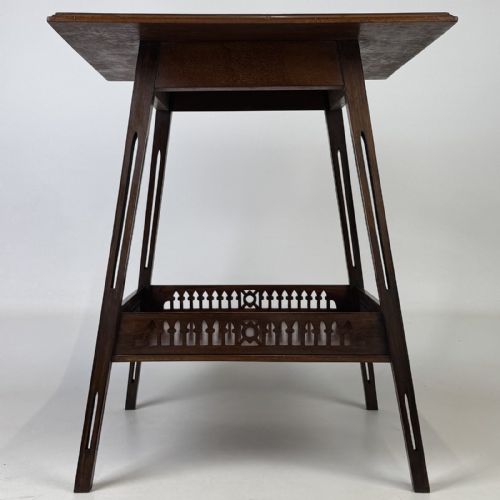
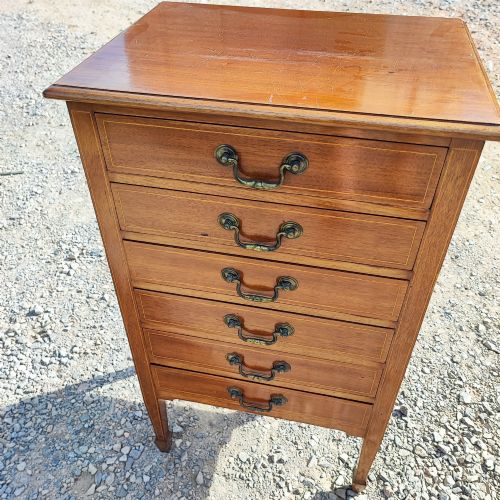
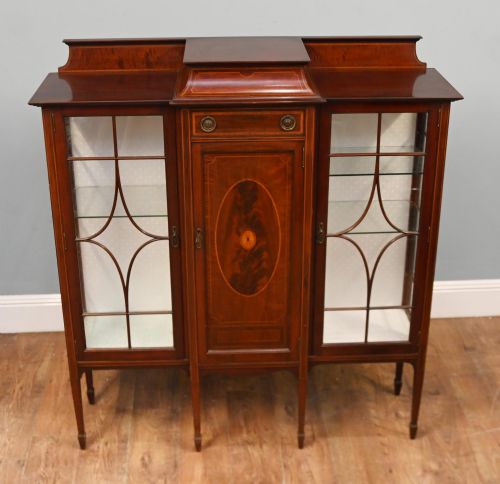
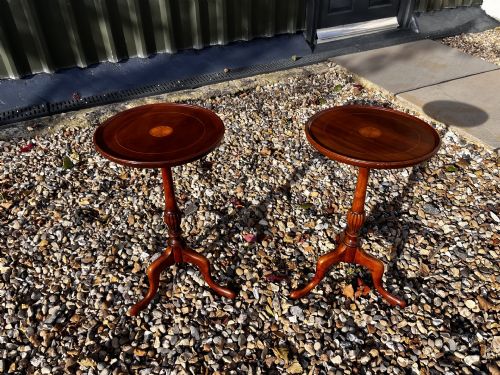
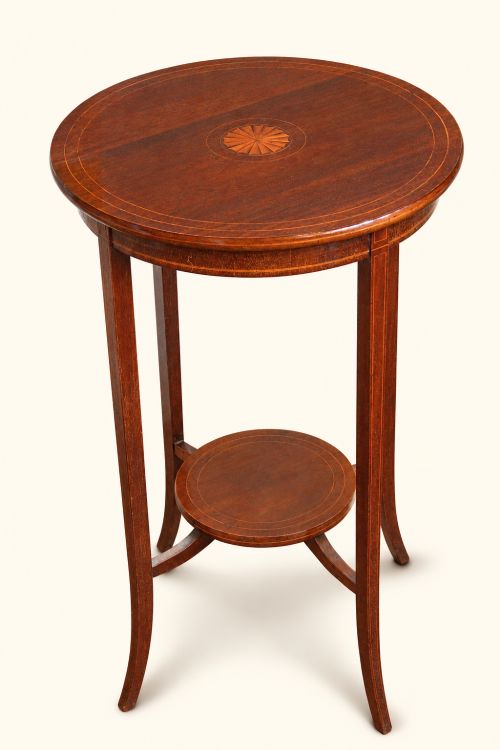
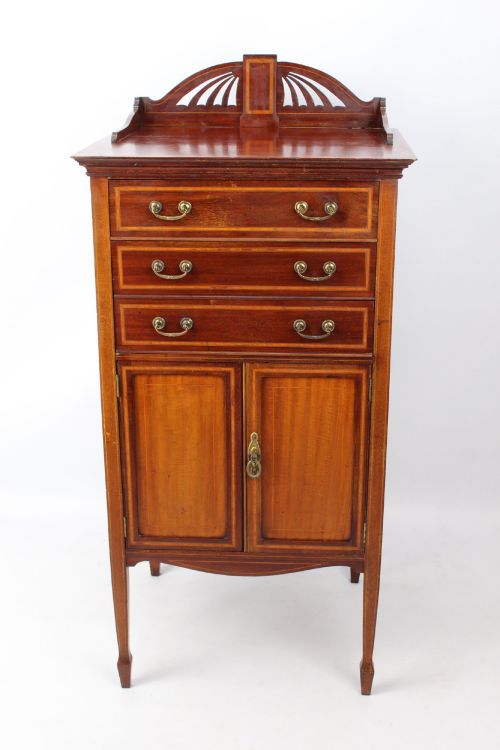
Inlaid Mahogany Stand
An inlaid mahogany stand offers a neat surface or structural support, combining rich timber with delicate contrasting decoration to elevate everyday household corners.
Inlaid Mahogany Stand
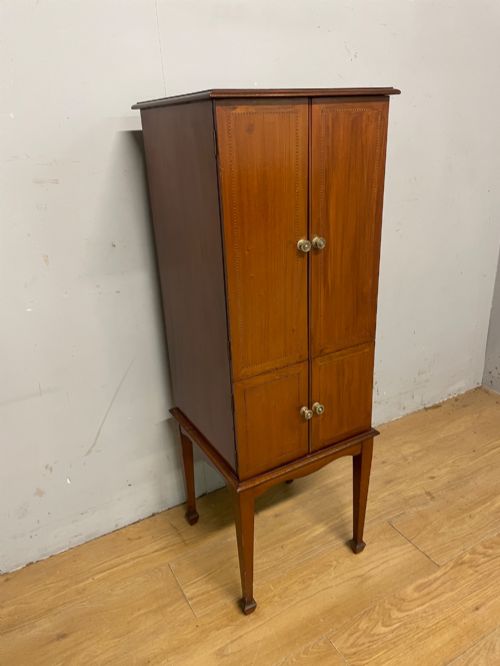
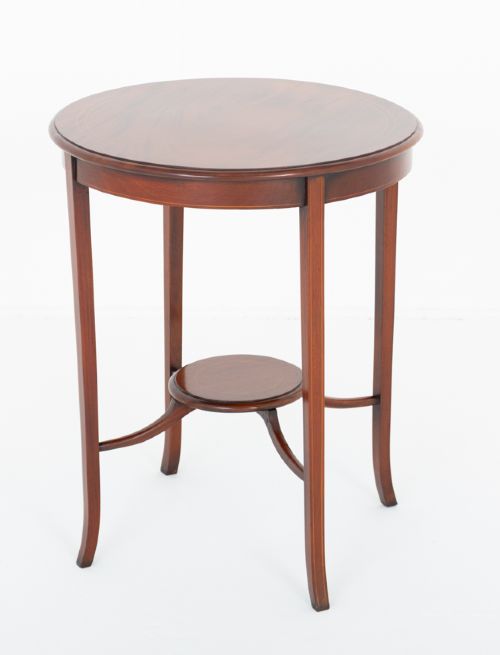
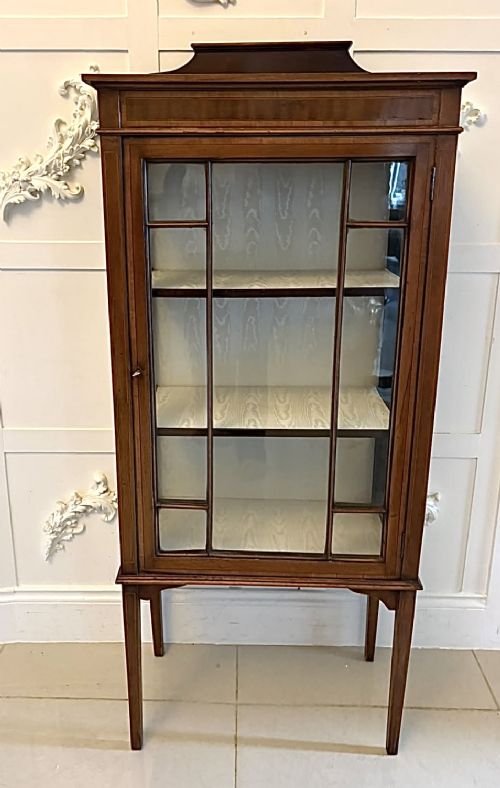
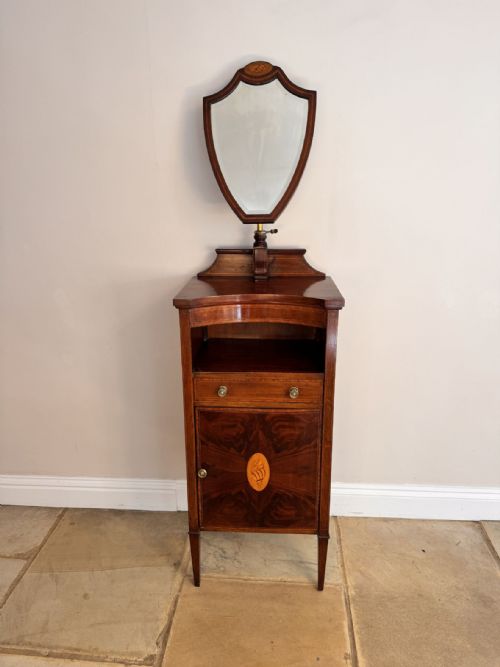
An inlaid mahogany stand covers a varied group of utilitarian and decorative furniture pieces designed to hold plants, lamps, reading materials, or wash equipment in domestic spaces.
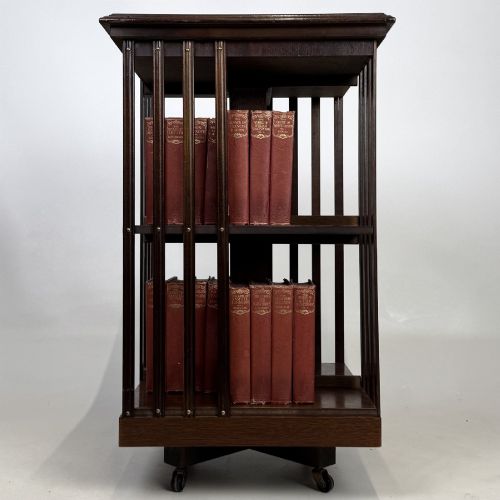
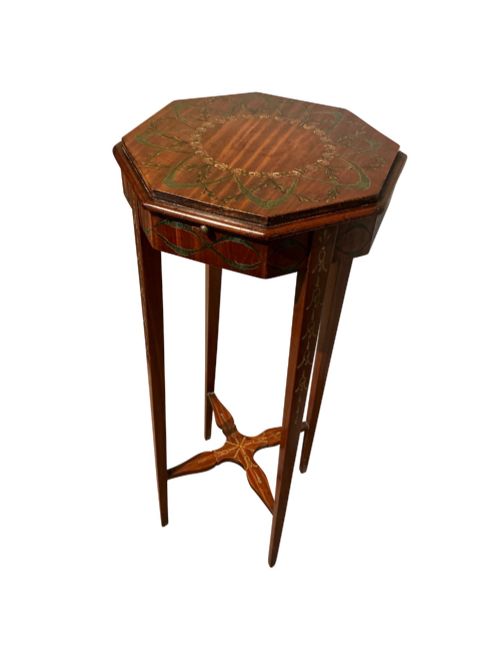
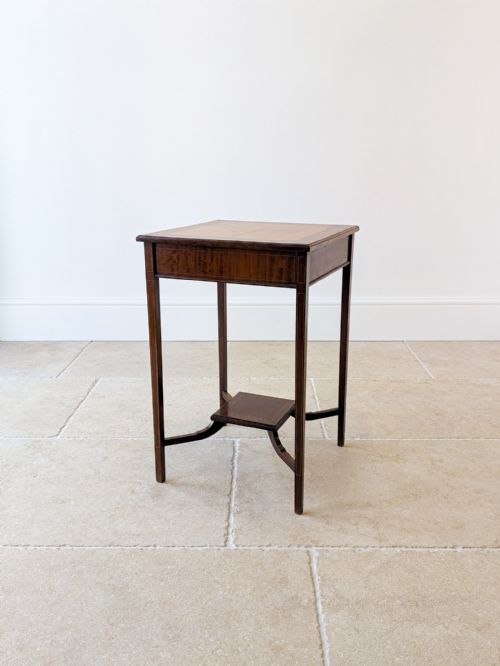
The version most commonly met on this page is the Edwardian occasional table or plant stand, though listings also encompass Georgian examples, plant holders, and revolving bookcases.
Makers utilised the rich reddish-brown grain of mahogany as a dark ground, setting it against lighter decorative woods to catch the eye in parlours and halls.
How They Were Made
Craftsmen built the main body utilising solid or veneered mahogany, frequently selecting stock with a deep, warm grain for the primary surfaces.
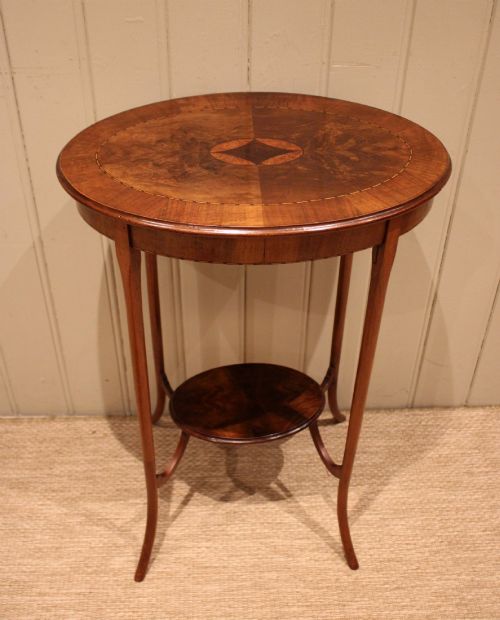
Surface enrichment relied on contrasting timbers such as satinwood and boxwood, cut into delicate lines and floral motifs and set flush into prepared channels within the mahogany.
Structural hardware such as brass castors appeared on larger items, allowing heavy floor-standing pieces to move smoothly across carpets.
Inlaid Mahogany Stand Retail Price Guide 2026
Typical asking prices for inlaid mahogany stand among the pieces listed under this phrase on Sellingantiques today, from the lower quarter to the upper quarter. They describe what is for sale here now, not the wider market.
Some nineteenth-century makers doubled down on domestic comfort by combining a wine table with a candle stand for evening refreshment.
What Varies in Quality
The precision of the timber inlay marks the division between standard utility items and finer workshop production, with tight, gap-free botanical lines indicating careful labour.
Proportion and wood selection dictate visual success, separating simply constructed household stands from balanced pieces utilising highly figured mahogany stock.
Trevor Page & Co·JS Henry·Maple & Co
The Inlaid Mahogany Stand Glossary
- Inlay
- A decorative technique where small pieces of contrasting timber are fitted flush into the surface of a primary wood. This method created crisp geometric or floral patterns.
- Satinwood
- A pale, yellowish timber from tropical regions valued for its bright lustre. Craftsmen utilised it for stringing and detailed panels to contrast against dark mahogany.
- Torchère
- A tall, slender stand designed specifically to support a lamp or candle. These pieces elevated light sources above floor level in period rooms.
- Jardiniere
- A decorative container or stand intended to hold indoor plants and flowers. They frequently featured waterproof liners or internal trays.
- Sheraton Revival
- A late nineteenth and early twentieth-century design movement inspired by late eighteenth-century neoclassical furniture forms. It favoured light proportions and delicate inlay.
Inlaid Mahogany Stand: Frequently Asked Questions
What is an inlaid mahogany stand used for?
These versatile pieces functioned primarily to support plants, wash basins, reading books, or small lamps within the home. Their compact footprints allowed them to occupy corners and narrow hallways without cluttering the floor space.
Over time, owners adapted them for various display purposes, using the elevated surfaces to showcase decorative ceramics and table clocks. Today they serve similar domestic roles while bringing period character to modern interiors.
How do I identify Edwardian examples?
Edwardian pieces typically date from the turn of the twentieth century and often show lighter construction with refined satinwood or boxwood stringing. They frequently reflect the Sheraton Revival style, echoing eighteenth-century neoclassical elegance.
Examining the construction methods, secondary timbers, and surface wear helps distinguish these early twentieth-century items from older Georgian originals and later reproductions.
Where should I place a plant stand?
Plant stands and jardiniere holders suit naturally lit corners, bay windows, or empty wall spaces where they can display greenery safely. Their sturdy tripod or pillar bases provide reliable support for heavy ceramic pots.
Care should be taken to protect the polished mahogany surface from moisture leaks by utilising proper saucers or liners beneath any living plants.
What is the difference between a torchere and a table?
A torchere is a tall, narrow floor-standing pillar designed exclusively to elevate a single light source or decorative object above eye level. In contrast, tables provide broader surfaces intended for general placement of books and tea services.
While both utilise mahogany and decorative inlay, their proportions reflect entirely different functional origins within historical room layouts.