




Afternoon Tea Stand
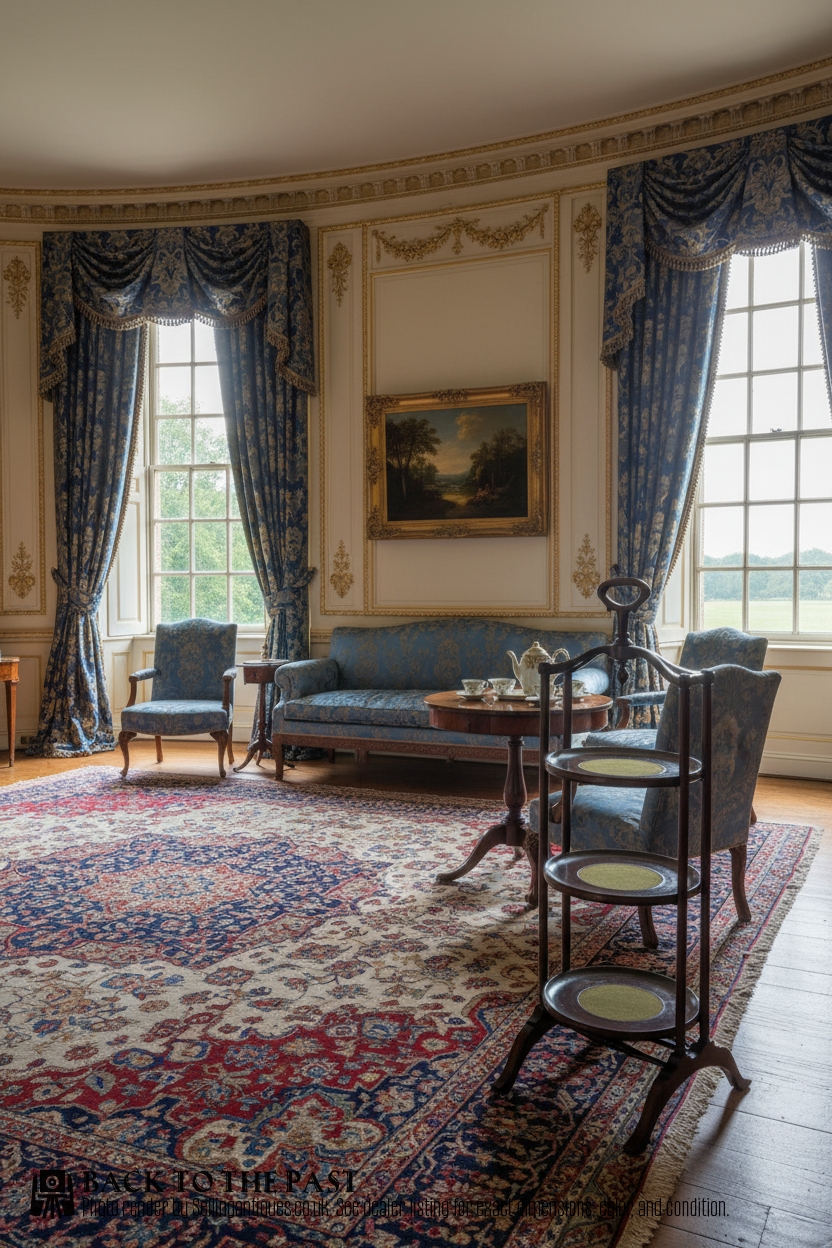
An afternoon tea stand serves cakes and pastries with tiered grace, bringing practical charm to any drawing room.
Afternoon Tea Stand
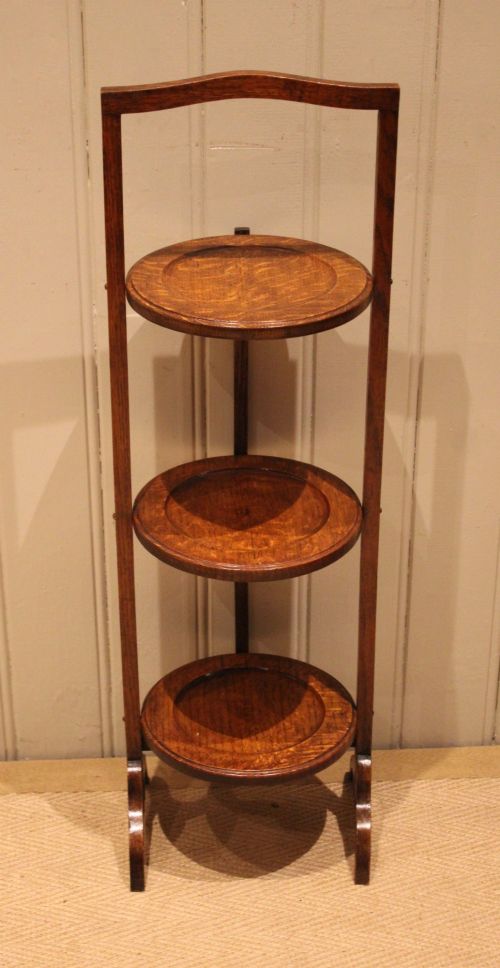
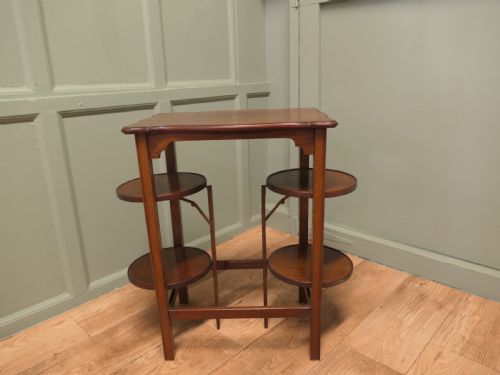
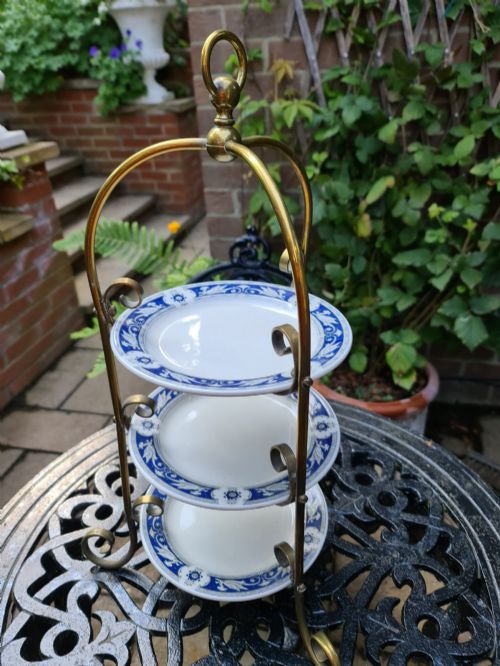
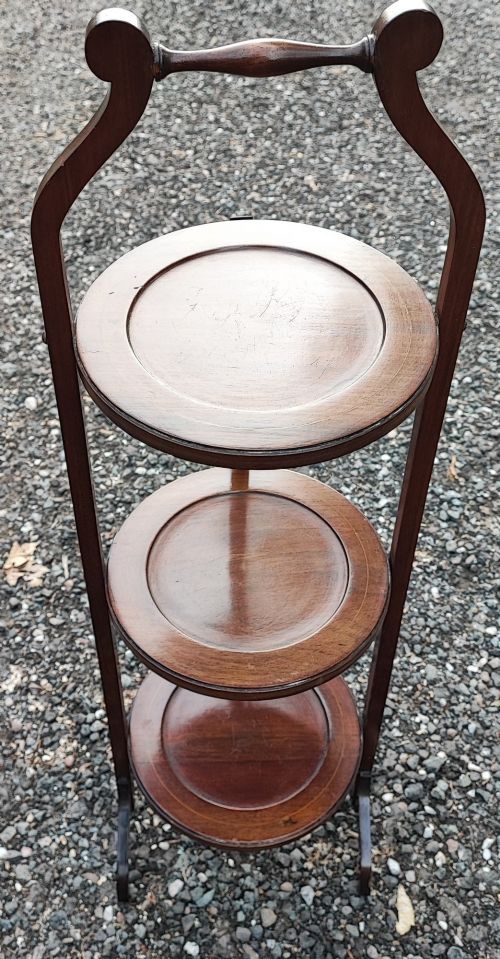
When you search for an afternoon tea stand, you encounter tiered serving furniture designed for social gatherings. These pieces range from folding wooden frames to fixed multi-level serving tables.
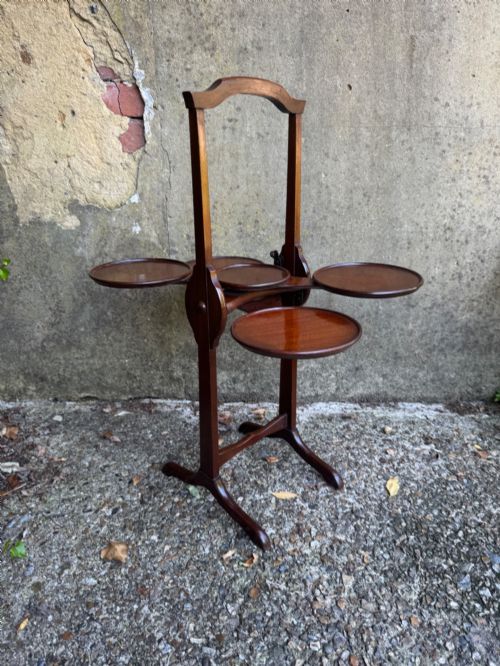
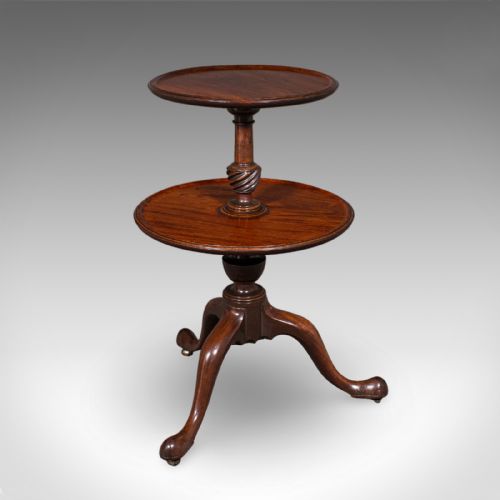
Edwardian mahogany examples dominate the selection, often featuring three tiers and clever folding mechanisms. Earlier Georgian and Regency models appear as substantial dumb waiters or two-tier serving stands.
The assortment includes occasional tables, side tables, and specialised cake stands in various woods. Buyers meet versatile designs that transition easily from antique display pieces to functional home furniture.
How they were made
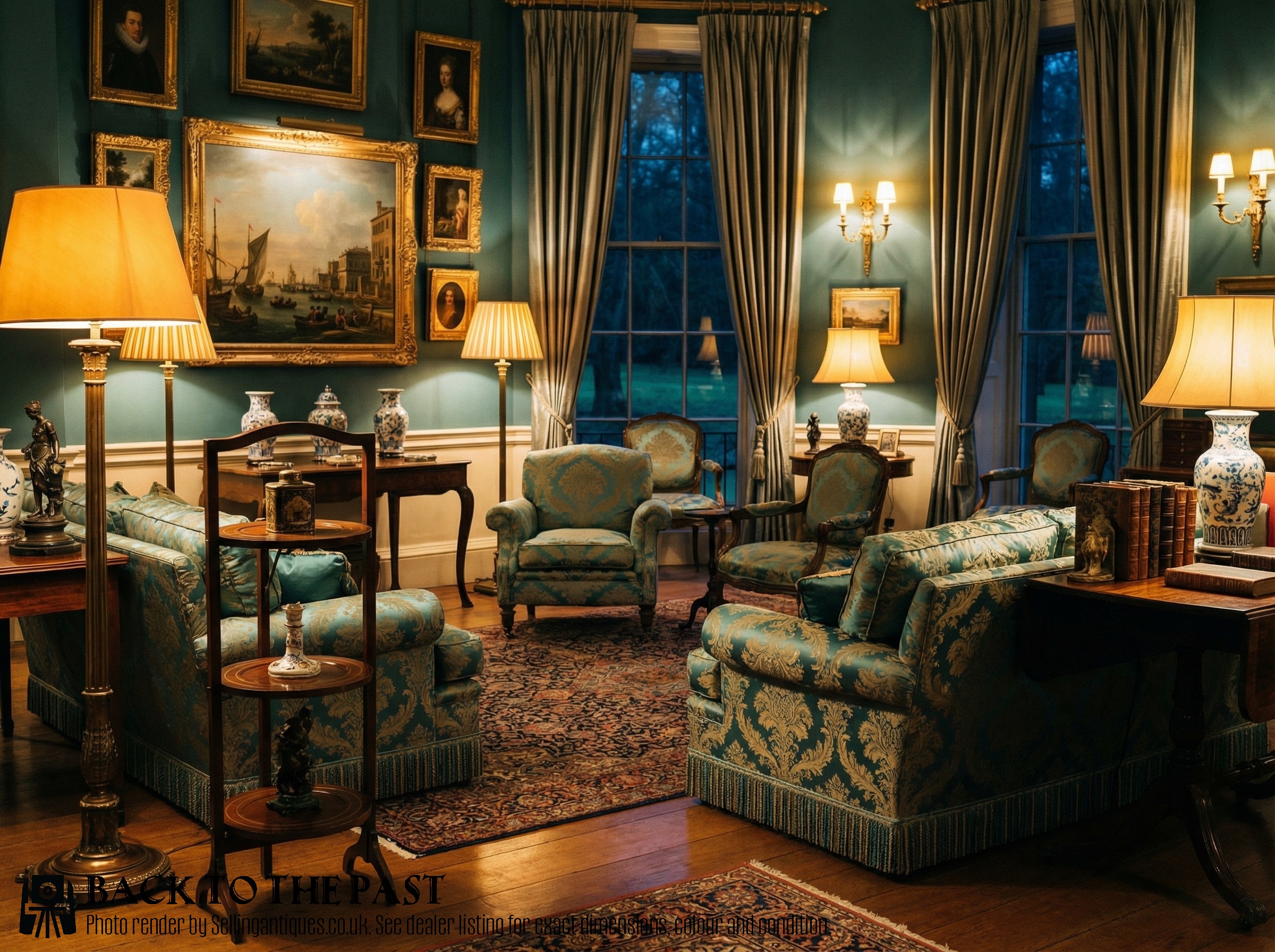
Cabinet makers utilised dense hardwoods like mahogany and oak for structural stability and durability. Satinwood and boxwood inlay frequently decorated the surfaces of Edwardian and Sheraton Revival pieces.
Folding mechanisms required precise carpentry to ensure the tiers remained level when open. Brass hardware added structural support and functional movement to joints and serving surfaces.
Afternoon Tea Stand Retail Price Guide 2026
Typical asking prices for afternoon tea stand among the pieces listed under this phrase on Sellingantiques today, from the lower quarter to the upper quarter. They describe what is for sale here now, not the wider market.
Mahogany and oak appear most frequently as the primary woods across Edwardian and Victorian tiered stands.
What varies in quality
The refinement of the timber grain and the crispness of inlaid details distinguish finer pieces from standard production items. Superior examples display carefully matched wood veneers and tight, reliable folding hinges.
Proportion and balance dictate the architectural success of a tiered stand. Pieces that maintain stability across all levels without excessive wobble represent superior craftsmanship.
The Afternoon Tea Stand Glossary
- Dumb waiter
- A multi-tiered serving stand used to hold food and drink without the need for constant servant attendance. These pieces often feature two or three graduating circular trays.
- Inlay
- A technique where pieces of contrasting timber or shell are inserted into the wood surface to form decorative patterns. Boxwood is frequently utilised for this purpose on Edwardian stands.
- Campaign style
- Furniture designed for easy transport and folding, often utilising brass corners and hinges. This practical approach appears in selected serving tables and stands.
Afternoon Tea Stand: Frequently Asked Questions
What is an afternoon tea stand?
An afternoon tea stand is a piece of furniture designed to hold cakes, pastries, and tea service items across multiple levels. These stands range from collapsible wooden frames to sturdy tiered tables.
Historically used in drawing rooms, they provided an efficient way to serve guests during afternoon gatherings. Today, they function as both decorative antiques and practical serving furniture in modern homes.
How do I date an Edwardian cake stand?
Dating an Edwardian cake stand involves examining the timber species, inlay techniques, and hardware construction. Edwardian pieces commonly feature mahogany or oak with subtle boxwood stringing.
Makers from this period often utilised clever folding mechanisms for easy storage. Comparing the joinery and finish to known early twentieth-century examples helps confirm the date.
Were these stands always used for tea?
While primarily designed for afternoon tea service, these tiered stands adapted to various domestic uses over time. Owners utilised them to display plants, books, and decorative objects.
Sturdier two-tier and three-tier designs served as occasional side tables in sitting rooms. Their versatile structure made them suitable for multiple rooms in the house.
How do I care for a wooden tea stand?
Caring for a wooden tea stand requires keeping it away from direct sunlight and sudden temperature changes. Natural wood finishes benefit from occasional gentle polishing with traditional wax.
Avoiding excessive moisture on the tiers preserves the antique polish and inlay work. Regular dusting maintains the timber surface without harsh chemical cleaners.