

Dark Wood Tier Stand
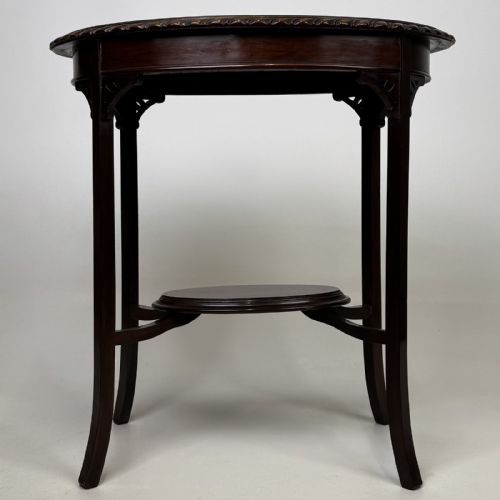
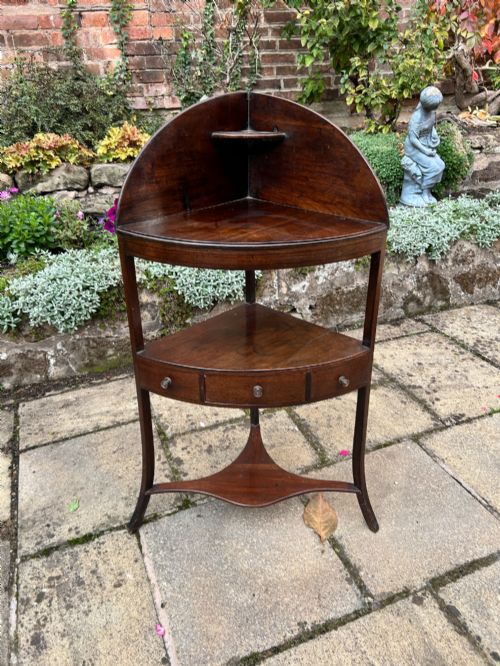
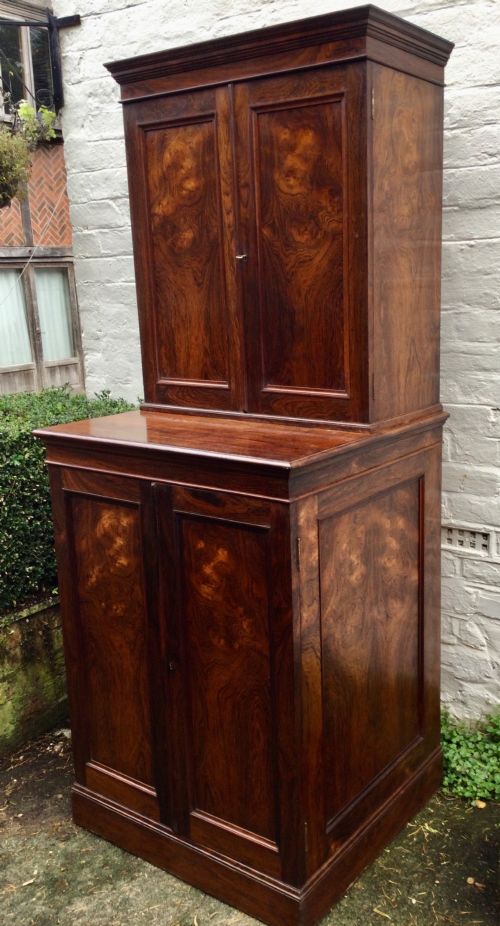
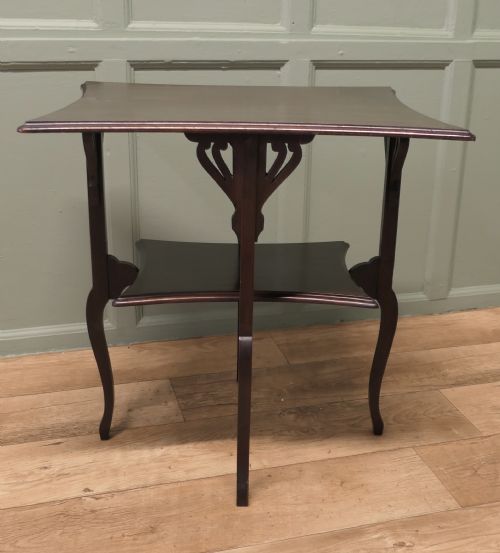
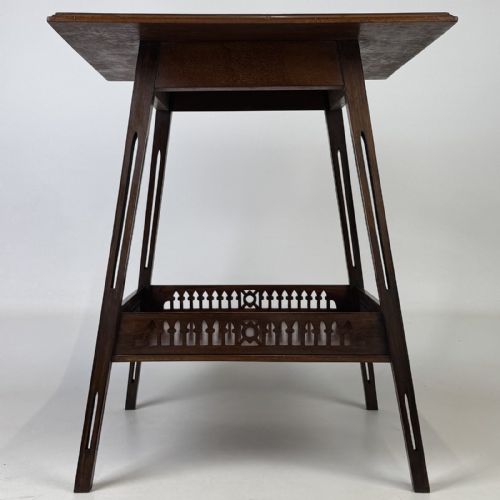
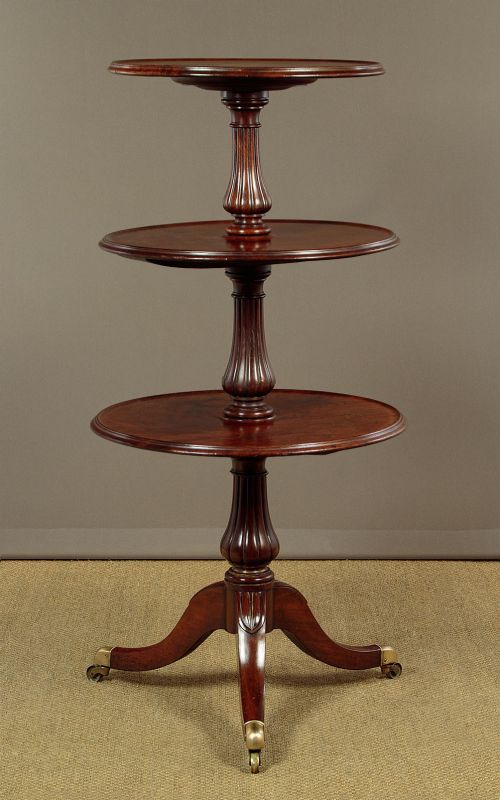
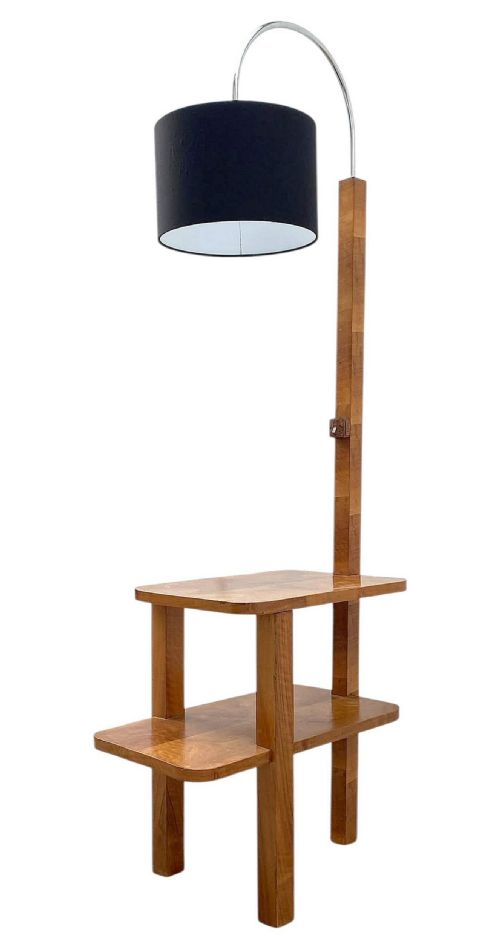
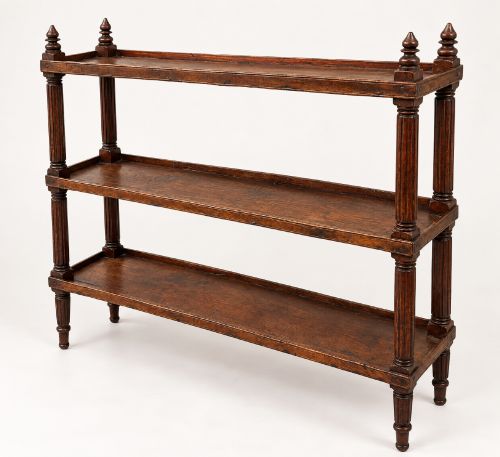
A dark wood tier stand brings vertical display space to a room, offering multiple levels of mahogany, walnut or rosewood to hold books and objects.

Dark Wood Tier Stand
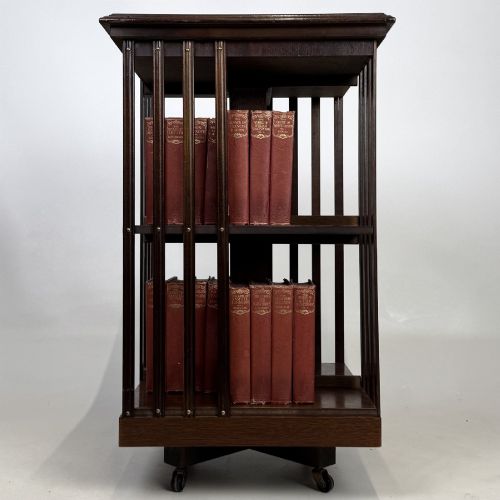
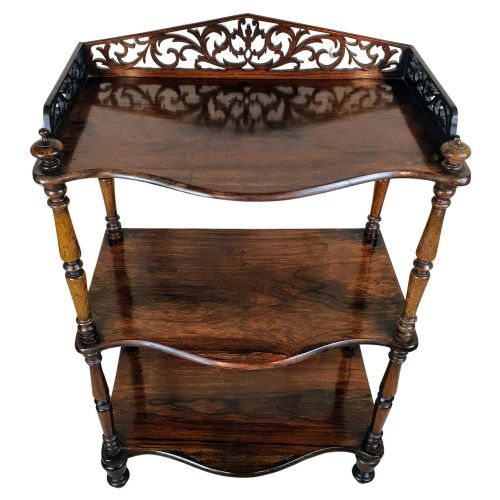
When you search for a dark wood tier stand, you encounter a variety of multi-level furniture pieces designed to display objects across multiple surfaces without occupying a large floor area. These pieces span several centuries, appearing in forms such as whatnots, dumb waiters, étagères, and revolving bookcases from Georgian, Victorian, and Edwardian eras.
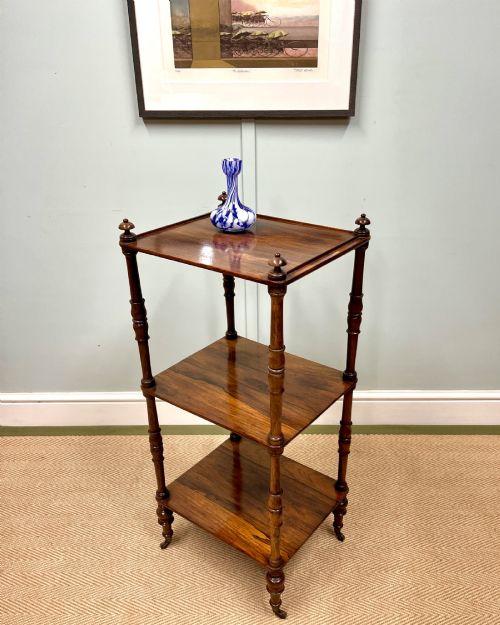
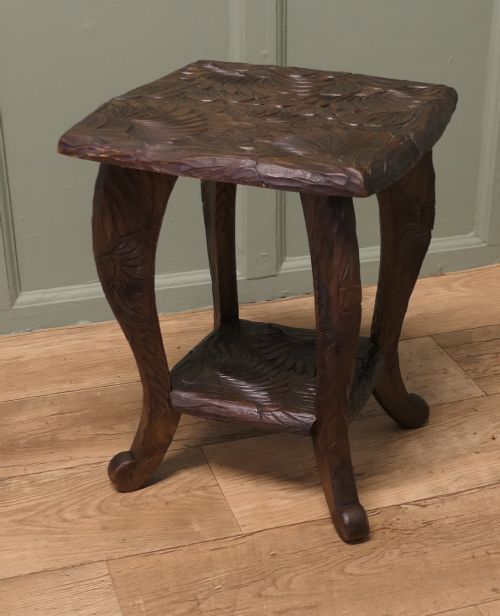
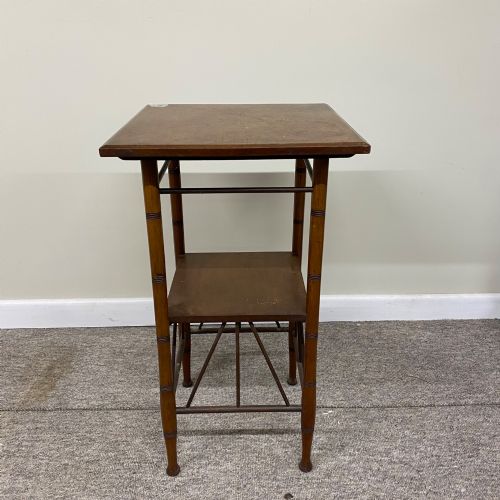
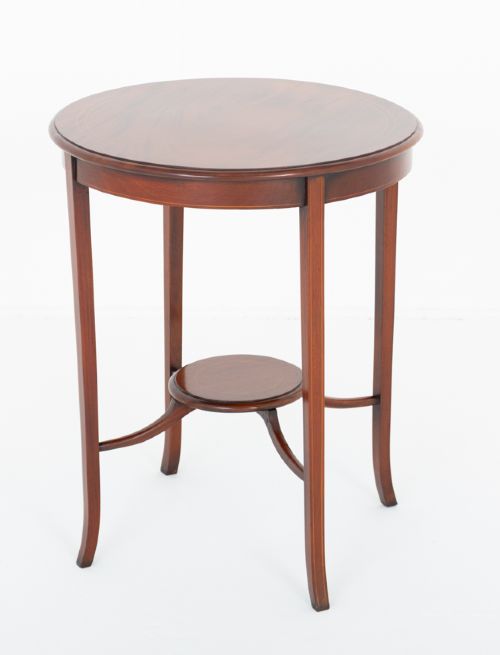
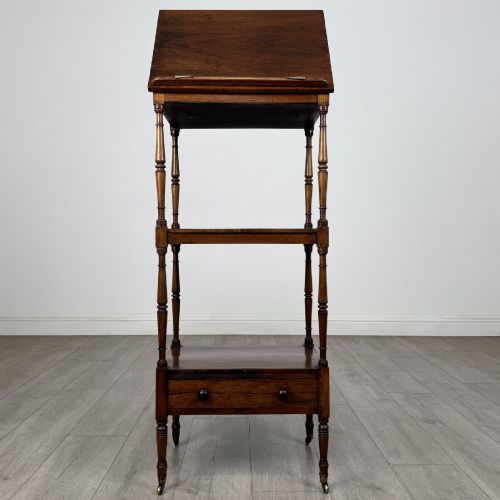
The most common examples on this page are mahogany whatnots and tiered occasional tables from the nineteenth and early twentieth centuries. These range from simple corner shelves and side tables to tall four-tier bookcase stands supported by turned or barley twist columns.
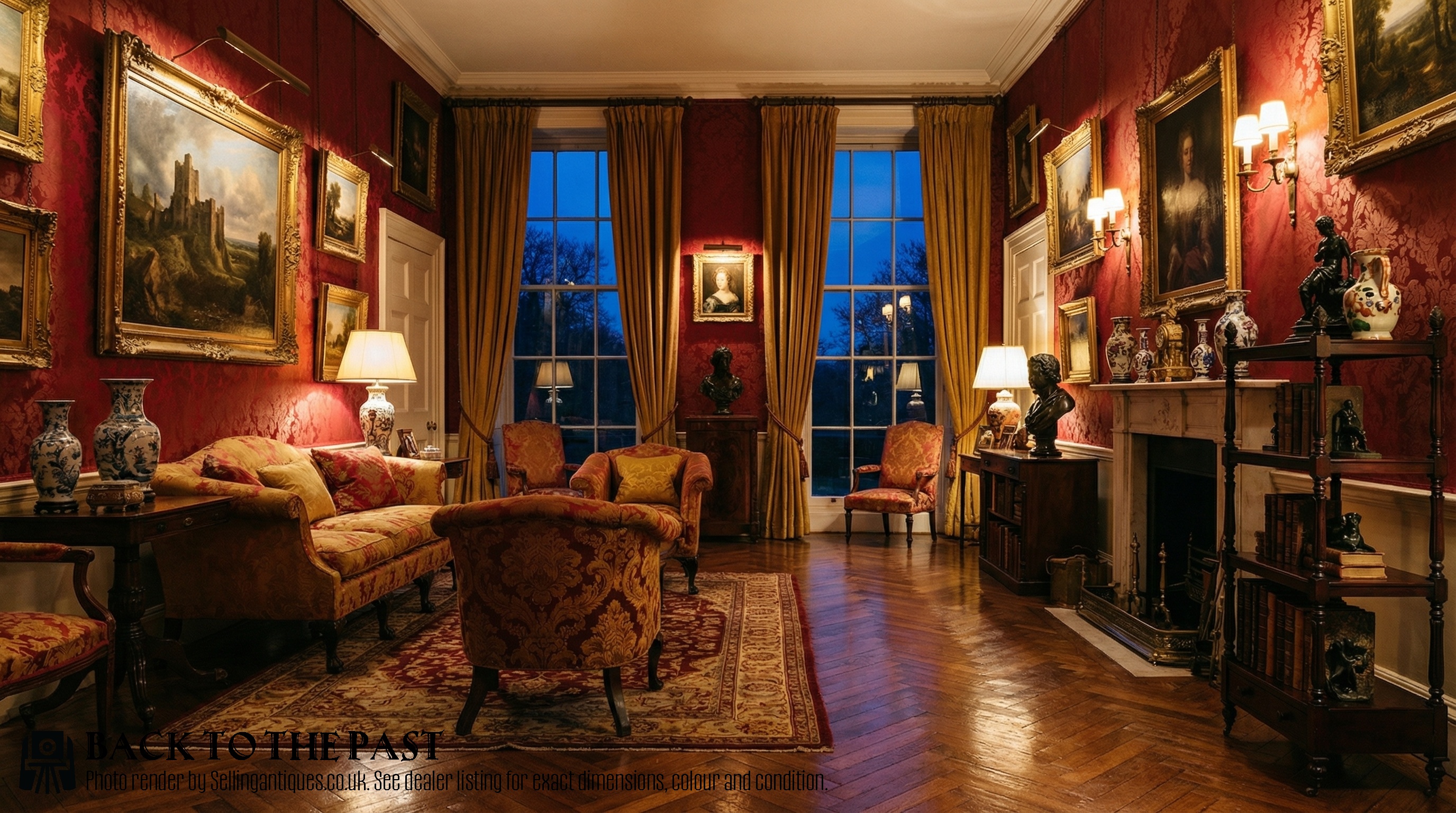
How they were made
Cabinet makers built these tiered structures predominantly using dense timbers like mahogany, walnut, and rosewood, frequently incorporating brass castors, hinges, or gallery rails to accent the darker woods. Turnery techniques shaped the upright supports, creating barley twist or column pillars that separate each platform securely.
Joinery methods relied on traditional mortise and tenon joints to anchor shelves and uprights together, ensuring stability across multiple suspended tiers. Finer pieces featured inlaid stringing, carved mouldings, or polished French polish finishes to highlight the natural grain of the timber.
Dark Wood Tier Stand Retail Price Guide 2026
Typical asking prices for dark wood tier stand among the pieces listed under this phrase on Sellingantiques today, from the lower quarter to the upper quarter. They describe what is for sale here now, not the wider market.
Listings feature mahogany, walnut, rosewood, and oak across periods spanning the eighteenth, nineteenth, and early twentieth centuries.
What varies in quality
The grade of timber and the precision of the turnery dictate the distinction between standard and superior tiers. Better examples utilise solid, well-figured mahogany or rosewood throughout rather than thin veneers applied to secondary woods, and their structural columns maintain rigid alignment across every level.
Refinement in secondary details such as brass fittings, hand-carved edges, and the tightness of the joinery elevate a piece. Superior stands display balanced proportions between the tiers and firm weight distribution that prevents swaying when loaded with books or porcelain.
LIBERTY of LONDON·WILLIAM BIRCH
The Dark Wood Tier Stand Glossary
- Whatnot
- A piece of furniture consisting of a set of open shelves for displaying small objects, popular in the nineteenth century. These often feature three or four tiers supported by slender corner posts.
- Étagère
- A French term for a piece of furniture with a sequence of open shelves for displaying ornaments. These lightweight stands frequently utilise rosewood or inlaid mahogany.
- Dumb waiter
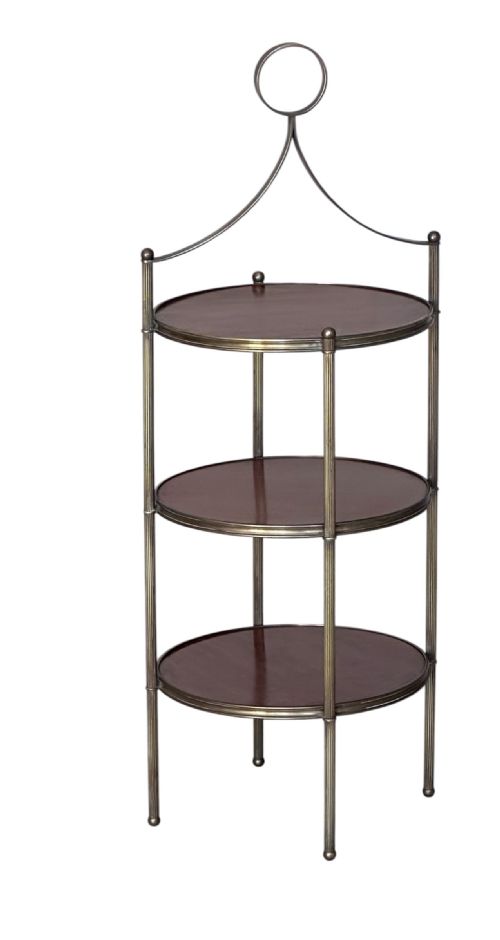
- A multi-tiered freestanding piece with revolving or stationary circular trays, traditionally used in dining rooms. Georgian versions often display robust mahogany construction with pedestal bases.
- Barley twist
- A type of turned column resembling a rope wound around a cylinder, common on Victorian furniture supports. This carving technique adds texture and visual weight to upright columns.
- Torchère
- A tall, slender stand designed to hold a lamp or candle, elevated on a single central pillar. Edwardian examples often incorporate inlaid mahogany and circular top surfaces.
Dark Wood Tier Stand: Frequently Asked Questions
What rooms suit a tier stand?
These multi-level pieces fit well in corners or beside seating areas where floor space is limited. Their vertical design provides practical display surfaces in living rooms, hallways, and studies.
They hold books, lamps, and decorative objects without crowding the room. Smaller versions serve effectively as bedside tables or plant stands.
Are revolving bookcases practical?
Revolving bookcase stands allow easy access to books from any angle in a seated position. Their rotating mechanisms sit atop stable low bases fitted with castors.
Victorian and Edwardian versions handle heavy reading material efficiently while maintaining a compact footprint. The rotating action requires smooth internal pivot hardware to function correctly.
How do I care for dark wood surfaces?
Maintain the finish by dusting regularly with a soft cloth and avoiding direct exposure to strong sunlight. Occasional application of appropriate wax polish preserves the sheen of the timber.
Keep these stands away from direct heat sources to prevent the wood from drying out or warping. Lift the stands rather than dragging them across floors to protect the lower joints.