

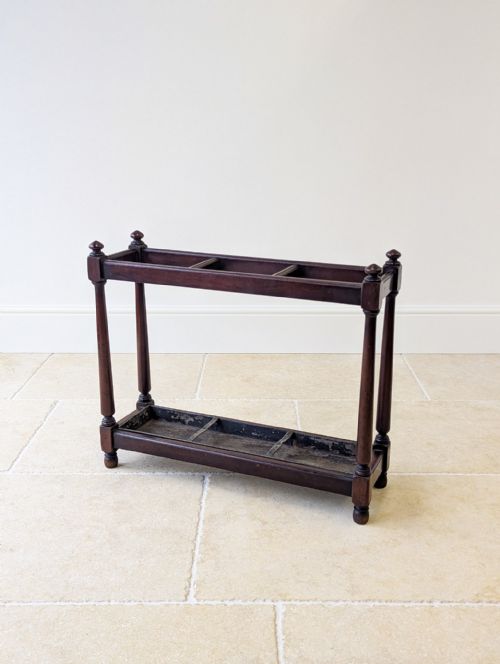
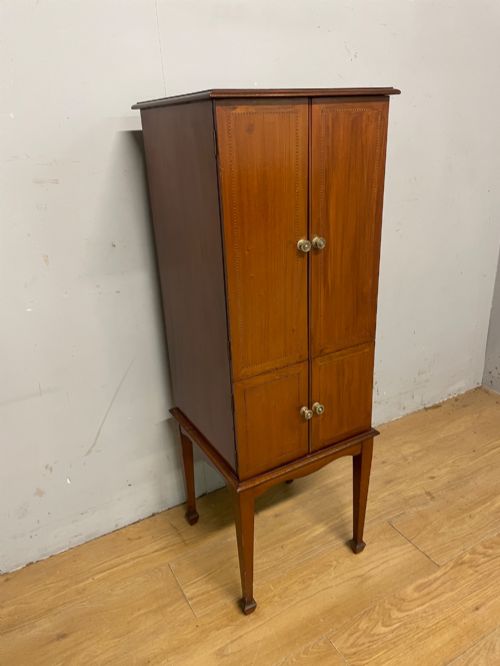
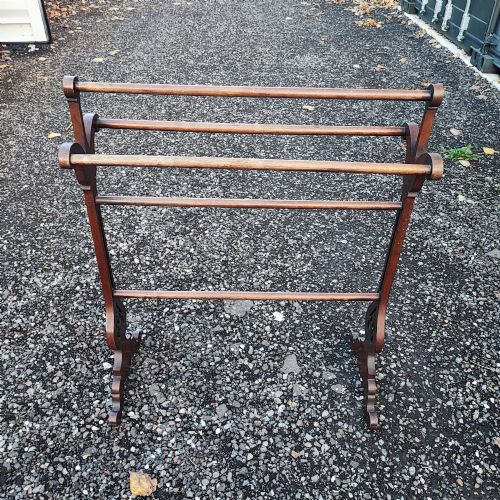
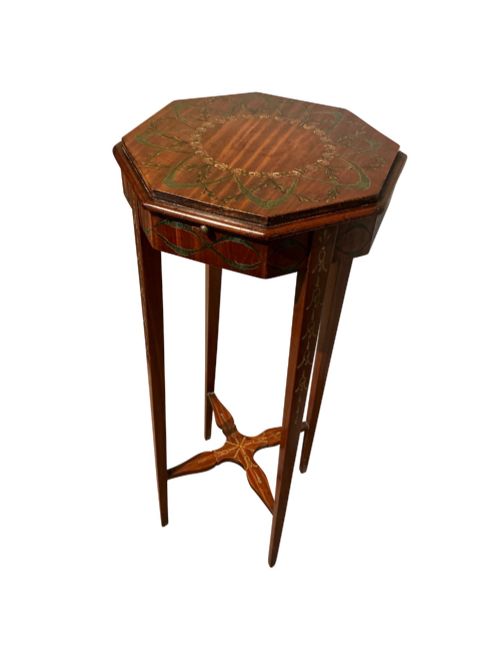
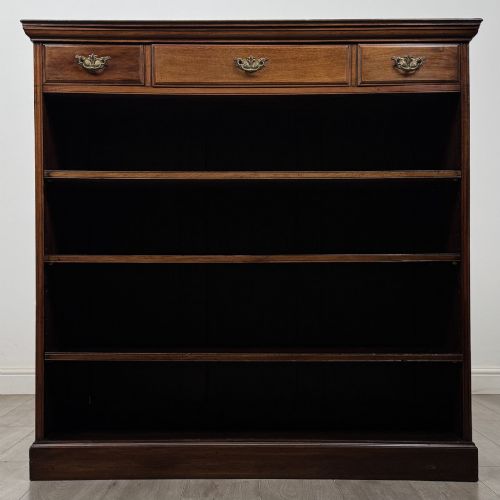
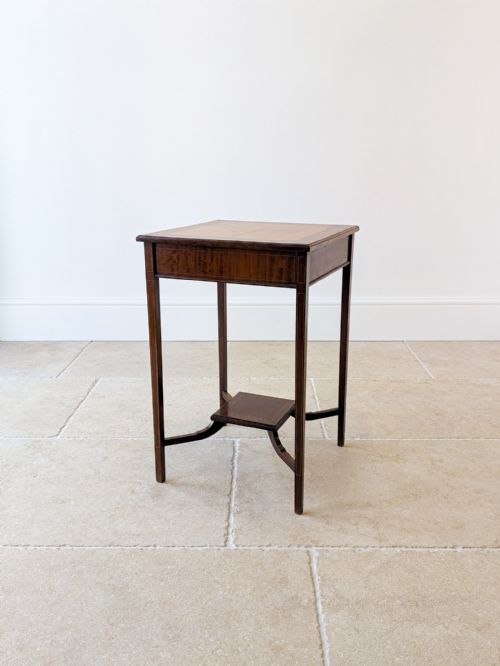

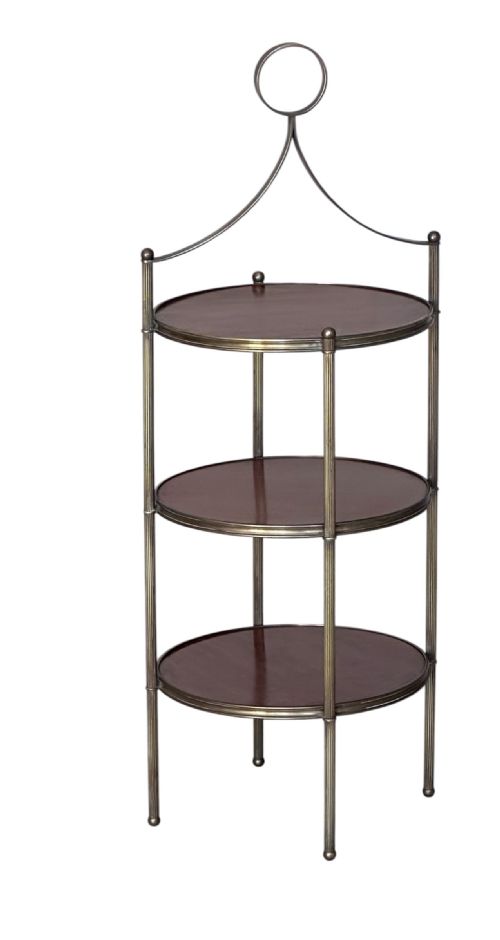
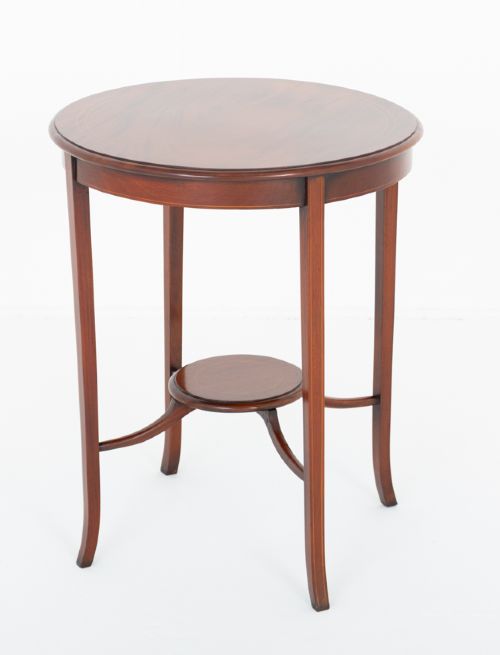
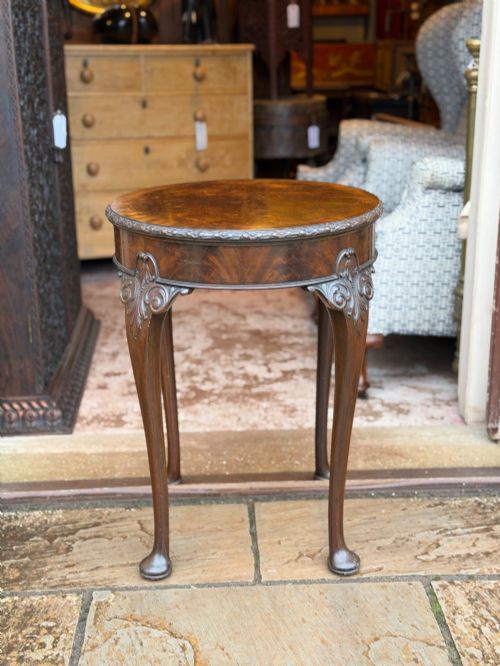
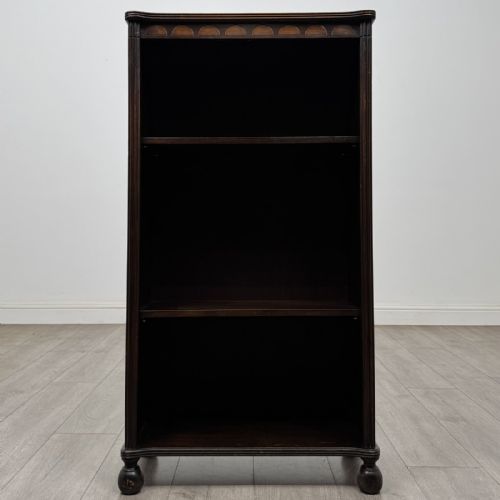
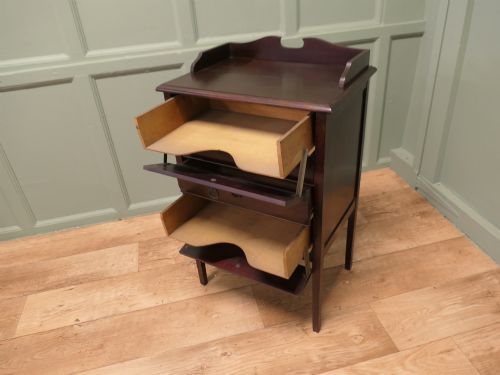
Edwardian Mahogany Stand
An edwardian mahogany stand offers practical utility and refined timber grain, bringing early twentieth-century British craftsmanship directly into your interior.
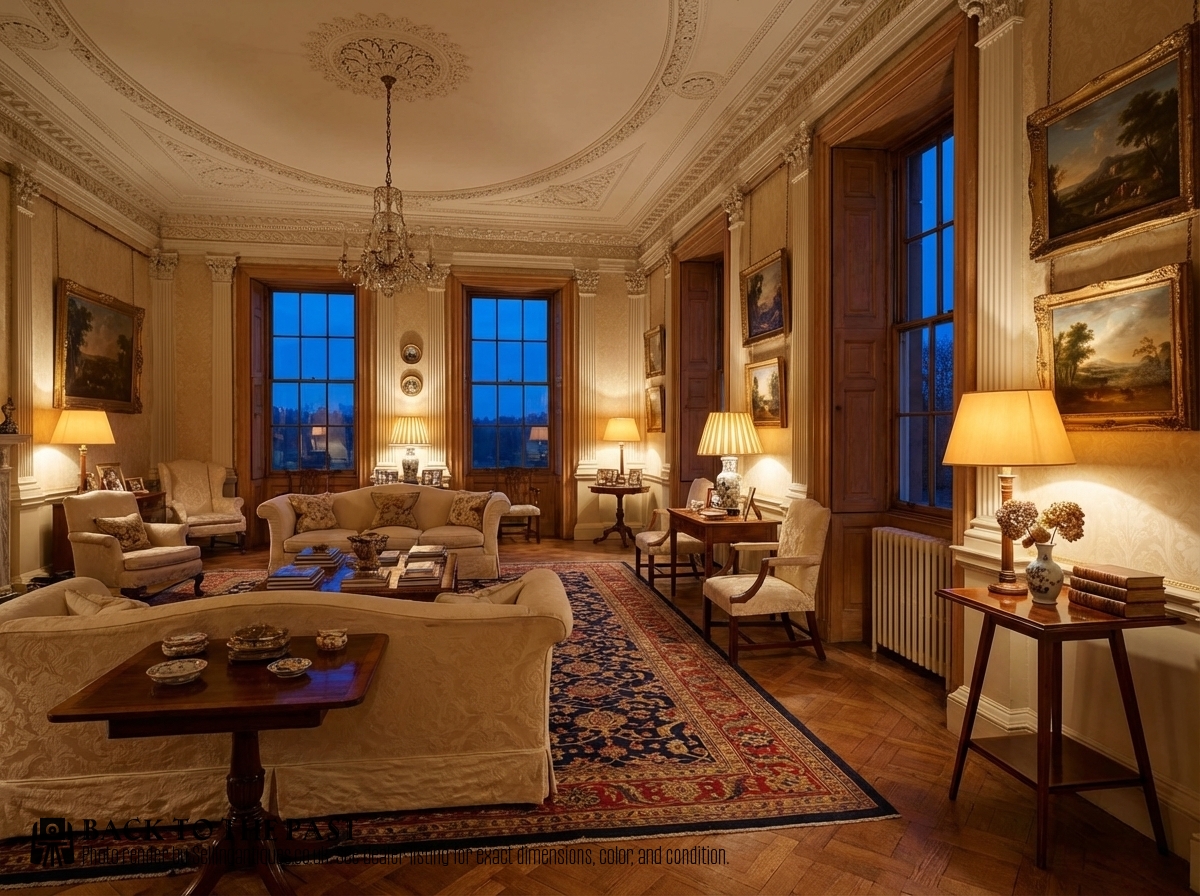
Edwardian Mahogany Stand
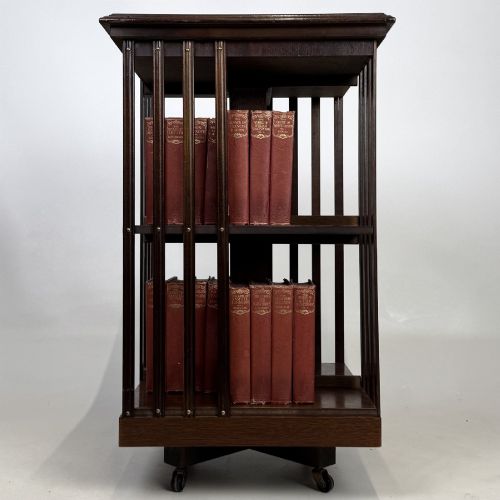
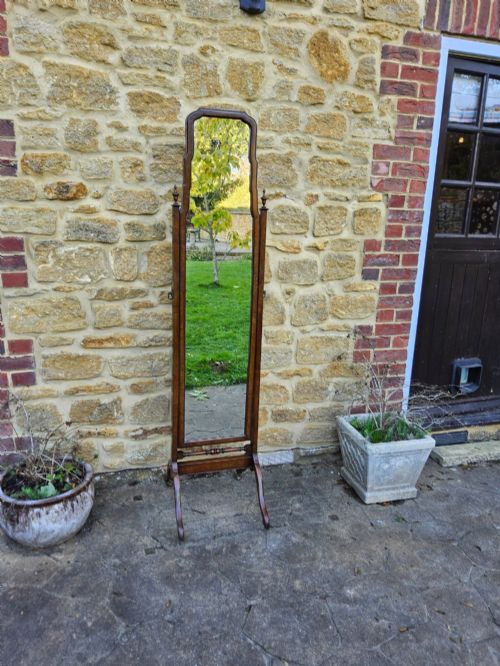
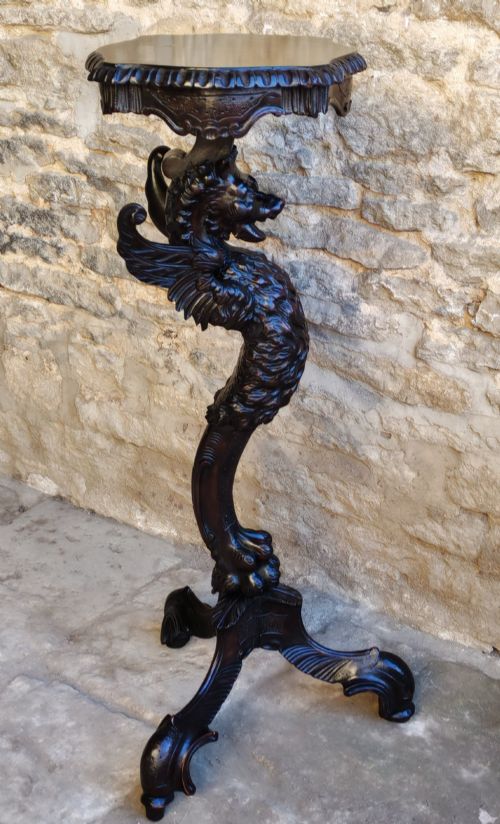
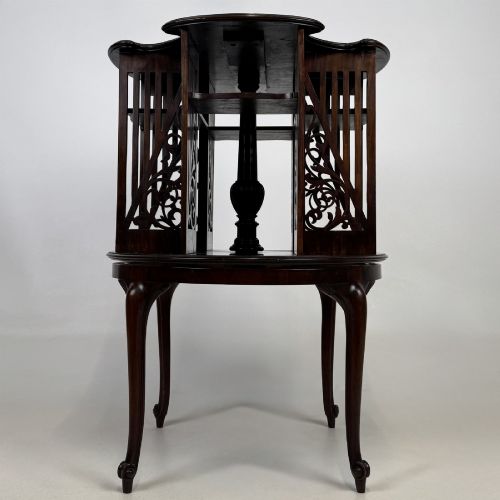
When searching for an edwardian mahogany stand, buyers encounter a diverse selection of occasional furniture designed for specific domestic tasks. The evidence shows forms ranging from folding cake stands and plant pedestals to torchères, jardinières, and reading tables.
Most examples date from the Edwardian era and the surrounding decades of the early twentieth century, though some pieces reflect earlier Victorian or revival influences. These furnishings served varied functions in period homes, functioning as display surfaces, smoking stands, or umbrella holders.
The material palette centres on mahogany, frequently accented with satinwood inlay, brass fittings, boxwood stringing, or ormolu mounts. This category brings together utilitarian objects and decorative focal points that suit contemporary rooms just as well as period settings.
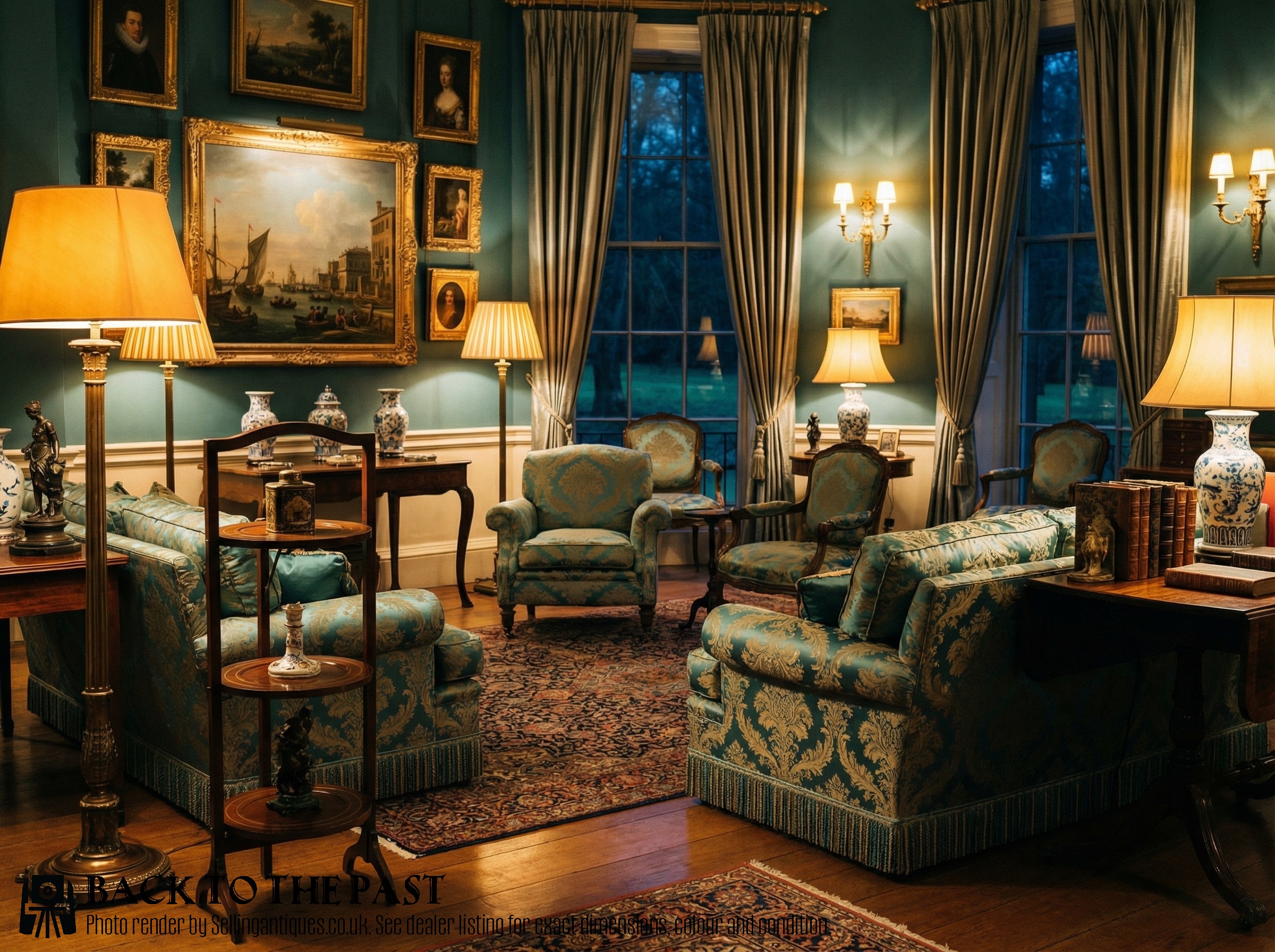
Timber selection and construction methods
Cabinet makers utilised solid and figured mahogany to build these stands, often selecting timber with distinct grain patterns for tabletops and display surfaces. Structural stability was balanced with decorative elegance through careful joinery and turned or tapered supports.
Surface enrichment involved precise satinwood inlay, boxwood stringing, and brass hardware such as liners, handles, and galleries. Metal elements like ormolu mounts and brass feet added structural contrast and visual weight to lighter frames.
Edwardian Mahogany Stand Retail Price Guide 2026
Typical asking prices for edwardian mahogany stand among the pieces listed under this phrase on Sellingantiques today, from the lower quarter to the upper quarter. They describe what is for sale here now, not the wider market.
The listings feature diverse specialised forms, including smoking stands, shaving stands, kettle stands, and plant pedestals.
Assessing craftsmanship and visual harmony
Quality in these pieces rests upon the crispness of the inlay work and the figuration of the mahogany timber itself. Finer examples display meticulous attention to detail in their brass mountings, turned columns, and gallery edges.
The overall balance of proportions separates standard utility items from masterworks of the period. Superior execution shows in the seamless integration of secondary woods, precise stringing, and enduring structural integrity.
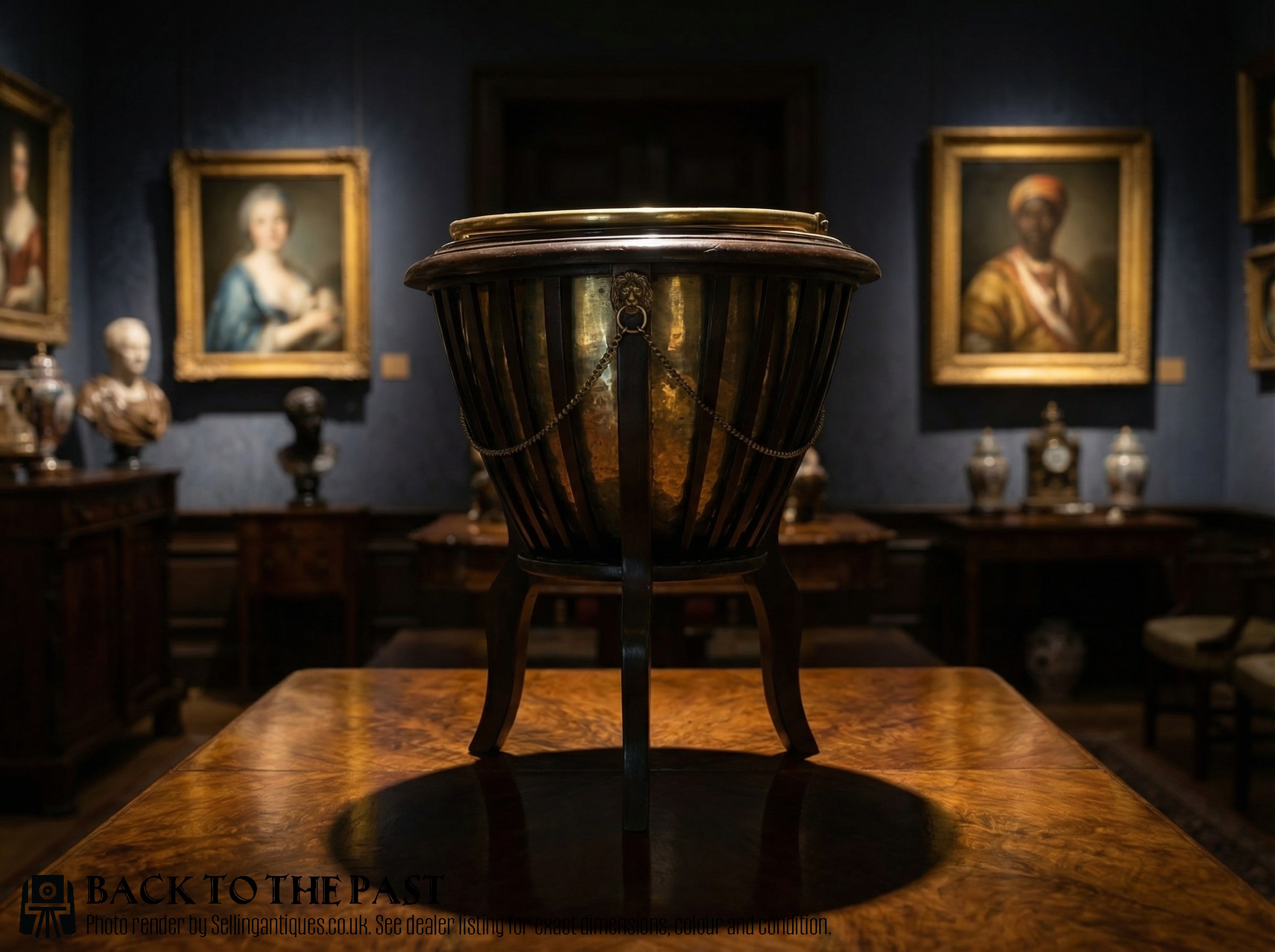
Muirhead Moffat Glasgow·Maple & Co. London
The Edwardian Mahogany Stand Glossary
- Torchère
- A tall, slender stand designed specifically to elevate a lamp, candle, or small decorative plant. These pieces feature single central shafts supported by tripod or weighted bases.
- Jardinière
- An ornamental stand or container built to hold indoor plants or floral arrangements, frequently lined with a removable metal insert. They often incorporate delicate satinwood inlay.
- Stringing
- A narrow line of contrasting veneer, often boxwood, inlaid into the surface of mahogany furniture to create geometric borders and panels. This technique defines Edwardian decorative detailing.
- Gallery
- A low decorative railing, usually made of brass or pierced wood, running along the perimeter of a tabletop or tray to prevent items from sliding off. This feature appears on select display stands.
- Cellarette
- A fitted container or stand originally manufactured to hold wine bottles and decanters. Examples combine mahogany framing with secure internal compartments and brass accents.
Edwardian Mahogany Stand: Frequently Asked Questions
What is a torchère stand?
A torchère is a tall, slender freestanding pillar designed to display a lamp, vase, or potted plant at an elevated level. These pieces maximise vertical space in smaller rooms.
In period interiors, they provided localized lighting or floral display points in corners and beside seating areas.
How do I identify Edwardian furniture?
Edwardian furniture spans the reign of King Edward VII from 1901 to 1910, though pieces from this broader stylistic period often date from 1900 to 1920. It is characterised by lighter proportions and revival styles.
Cabinet makers frequently utilised mahogany and satinwood inlay, drawing inspiration from earlier Sheraton and Chippendale designs while embracing practical modern utility.
Were cake stands used daily?
Folding cake stands served a practical purpose during afternoon tea, holding multiple tiers of plates for guests. Their folding mechanism allowed servants or homeowners to store them compactly when not in use.
Today, these tiered stands function well for displaying small plants, books, or decorative objects without occupying excessive floor space.
What is satinwood inlay?
Satinwood inlay involves setting contrasting pale yellow timber into darker mahogany surfaces to form decorative borders, medallions, or floral motifs. This technique brightened furniture fronts and tabletops.
Craftsmen used boxwood stringing alongside satinwood to accentuate the geometric lines characteristic of Edwardian cabinet making.