



Mahogany Urn Stand
A mahogany urn stand brings a compact, refined elegance to a corner, holding everything from silver vessels to modern lamps.
Mahogany Urn Stand
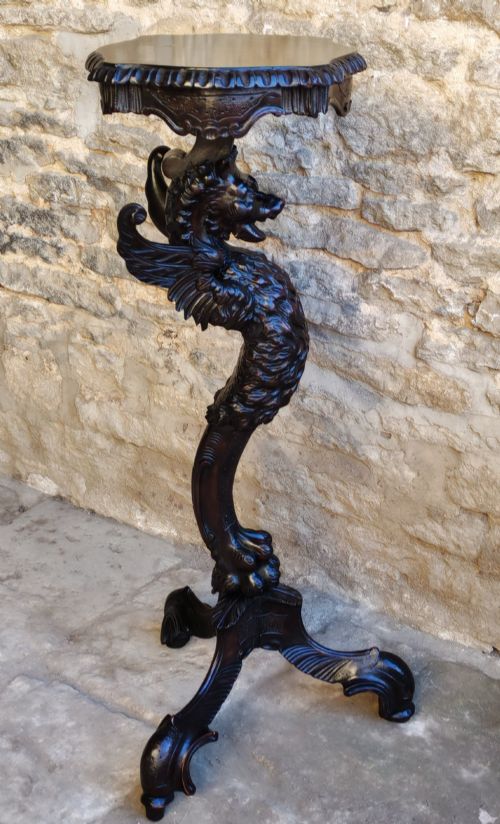
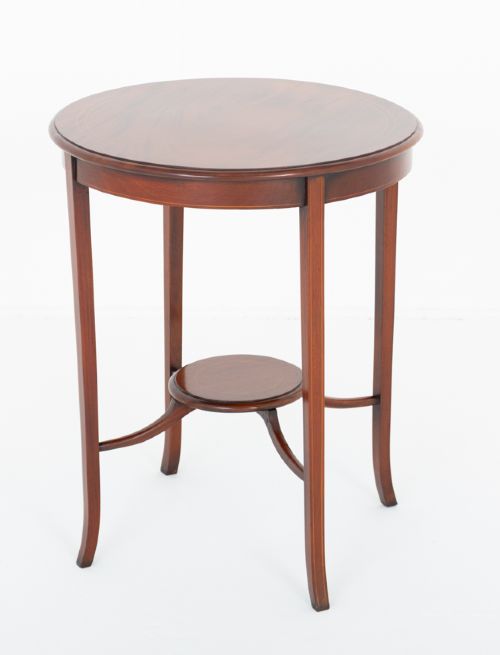
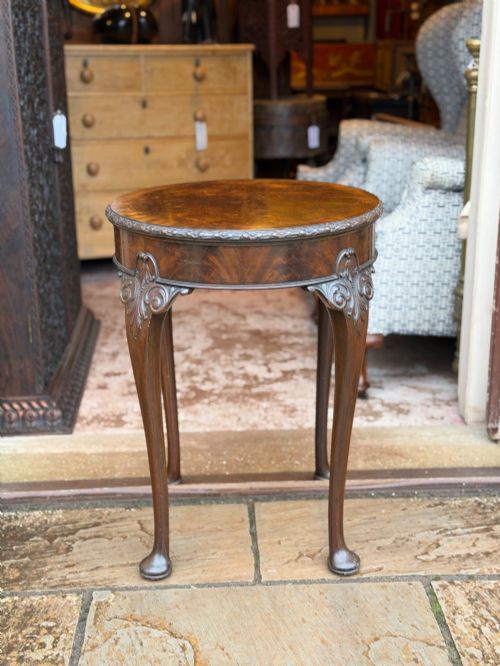
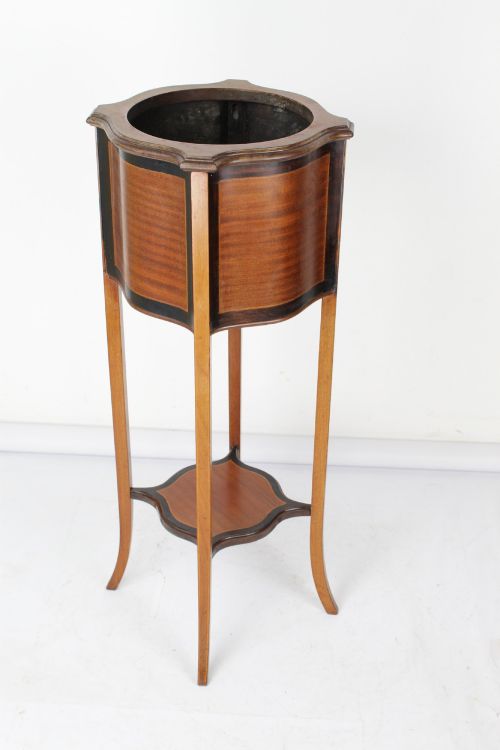
A mahogany urn stand serves as a tall, slender support designed originally for hot water urns or teapots during formal dining. The pieces seen on this page span the 18th century, the Georgian era, and the Edwardian period.
Buyers frequently encounter George III examples alongside later Edwardian and Victorian interpretations. These pieces often overlap in function with torchères, plant stands, and small lamp tables.
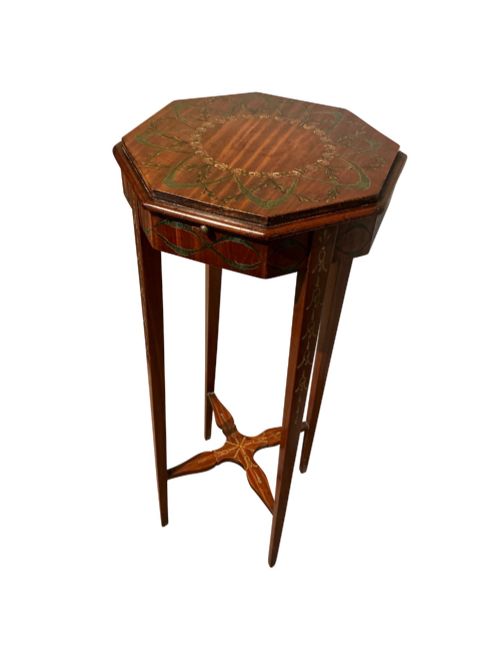
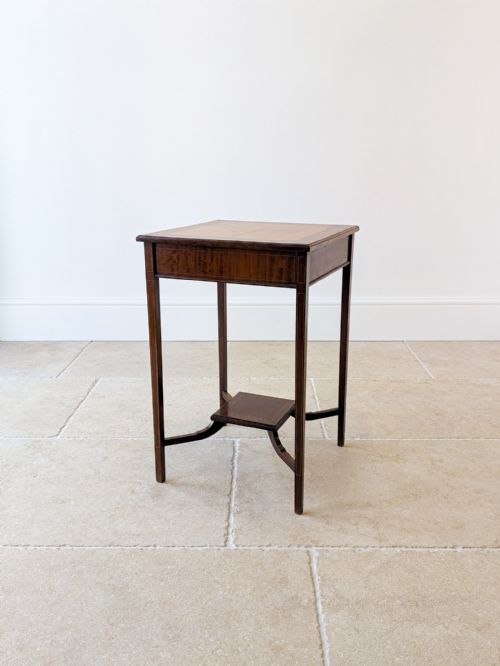
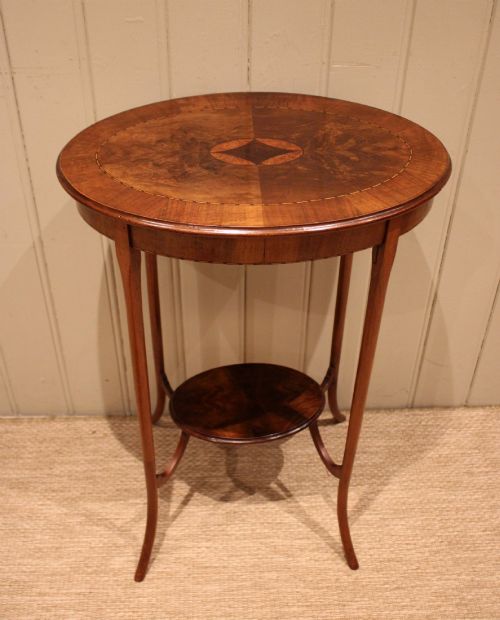
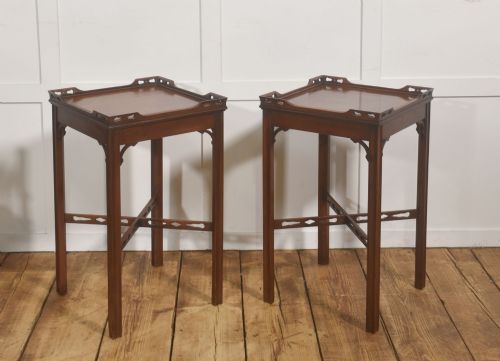
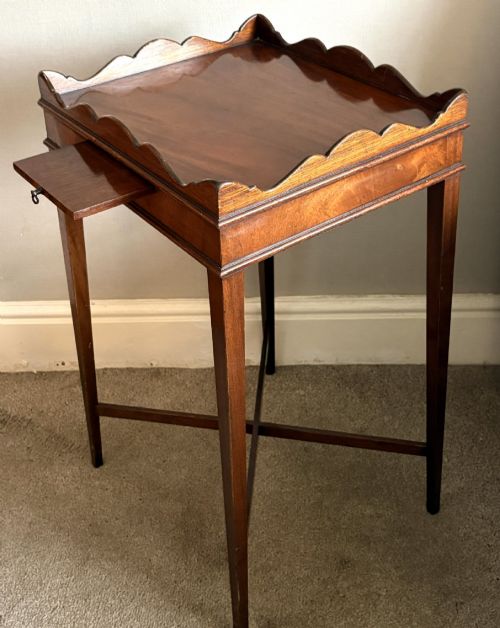
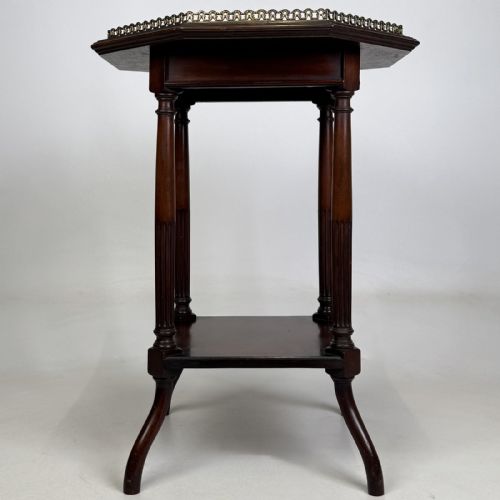
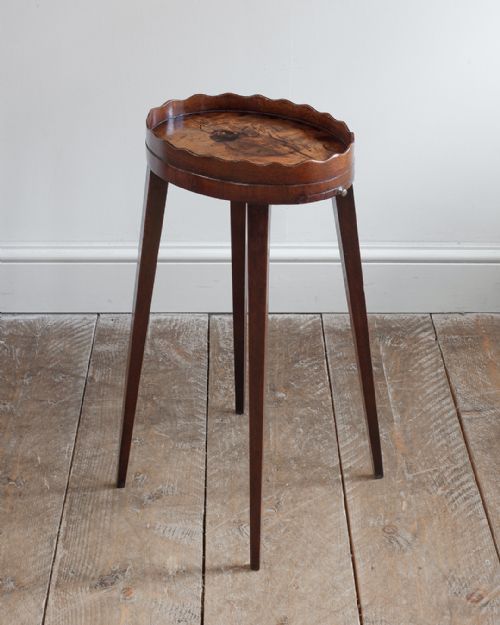
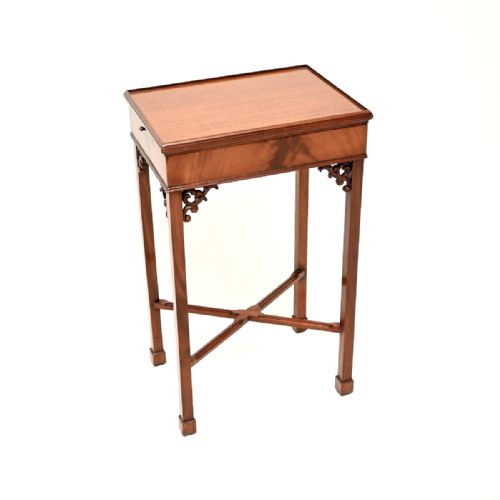
The prevailing shapes range from oval and octagonal tops to square surfaces, occasionally featuring sliding shelves or small pull-out candle slides beneath the main top.
Materials and Construction
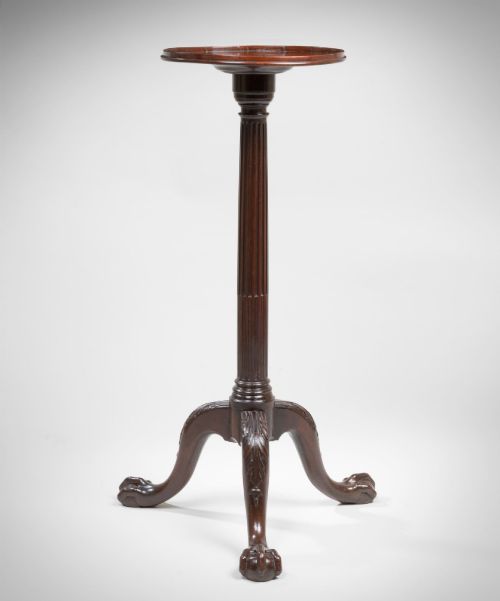
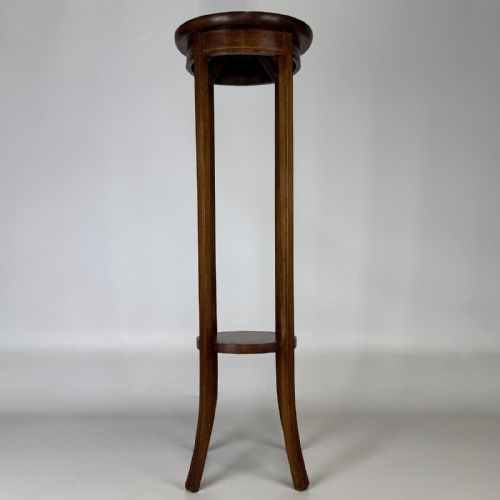
Makers relied primarily on solid mahogany and rich mahogany veneers, often selecting figured timber for the principal display surfaces. Hardwood bases support slender, turned or fluted columns terminating in tripod or four-legged bracket feet.
Decorative embellishments include delicate boxwood and satinwood inlay, contrasting stringing, and carved details inspired by Chippendale and Sheraton designs. Brass fittings and pull handles appear on variants equipped with small drawers or slides.
Mahogany Urn Stand Retail Price Guide 2026
Typical asking prices for mahogany urn stand among the pieces listed under this phrase on Sellingantiques today, from the lower quarter to the upper quarter. They describe what is for sale here now, not the wider market.
Listings feature mahogany alongside satinwood inlay, boxwood details, and brass mounts across Georgian and Edwardian forms.
Assessing Craftsmanship
Superior examples demonstrate crisp carving on the legs and column, tight joint construction, and carefully matched timber grains across the top. Lesser pieces rely on simpler turned stems with minimal detail and heavier, less refined timber selection.
The crispness of the inlay work and the presence of original brass hardware distinguish high workshops from mass-produced later revival items.
Druce & Co London
The Mahogany Urn Stand Glossary
- Urn Stand
- A small, tall table specifically created to hold a heated water urn during tea service. These pieces frequently feature raised galleries to prevent the vessel from sliding.
- Torchère
- A tall, slender stand used originally to support a candlestick or lamp. They share the vertical proportion typical of many small display tables.
- Slide
- A pull-out board positioned beneath the main tabletop. It provided extra surface area for cups or utensils during tea pouring.
- Stringing
- Fine inlay work utilising contrasting lighter woods such as boxwood. This technique creates delicate borders around table edges and legs.
- Tripod Base
- A three-legged support structure commonly found on tall stands and pedestals. It ensures stability on uneven floorboards.
Mahogany Urn Stand: Frequently Asked Questions
What were mahogany urn stands used for?
These compact tables held heavy metal urns filled with hot water for tea and coffee service in Georgian dining rooms. Their elevated height allowed servants to replenish pots easily without reaching across the main dining table.
Over time, owners repurposed them to display decorative ceramics, urns, or table lamps in drawing rooms and hallways.
How do I tell an 18th-century stand from a later revival?
Examine the timber shrinkage, hand-cut joinery, and the natural oxidation of the mahogany underneath. Older pieces exhibit subtle irregularities in turning and hand-finished surfaces that machinery in later centuries did not replicate.
Revival pieces from the Edwardian era often display sharper, uniform machine milling and brighter interior secondary woods.
Where should I place an urn stand at home?
Their small footprint makes them ideal for empty corners, beside armchairs, or framing a doorway where a standard table would obstruct passage. They provide a practical surface for a reading lamp or a small potted plant.
Avoid placing antique timber directly beside active radiators or in strong direct sunlight to protect the polish.
Did all urn stands include pull-out slides?
Not all examples feature a sliding shelf, though many Georgian models incorporate a small pull-out tray beneath the top. This slide held cups or extra vessels during tea preparation.
Stands designed primarily as torchères or decorative plant pedestals omitted this mechanism entirely in favour of fixed surfaces.