



Georgian Style Urn Stand
A georgian style urn stand is a slender, elevated support for displaying decorative vessels, offering elegance and height to traditional interiors.
Georgian Style Urn Stand
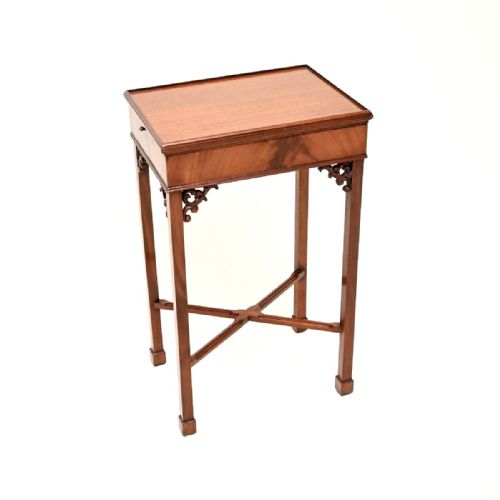
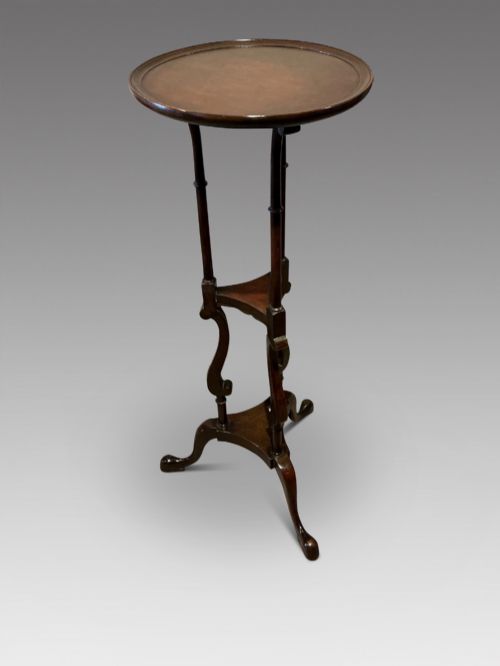
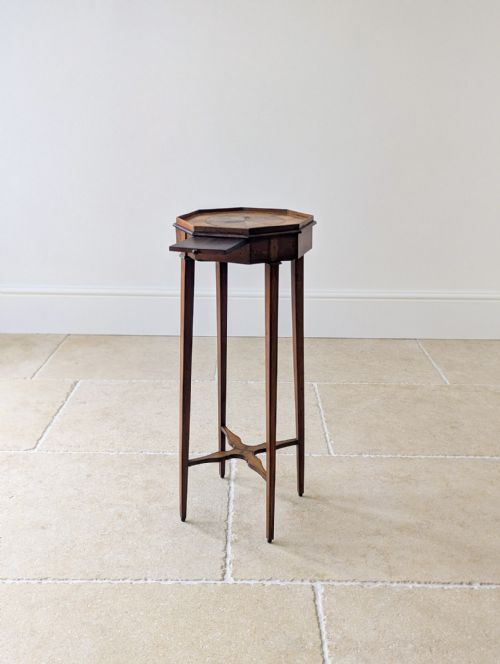
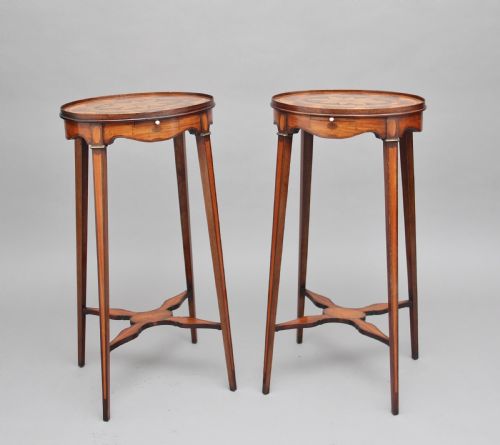
A georgian style urn stand encompasses tall, narrow tables and pedestals designed originally to hold heated urns, teapots, or decorative vases. On this page, you are most likely to meet mahogany and satinwood examples stemming from revival periods like the Edwardian era as well as the eighteenth and nineteenth centuries.
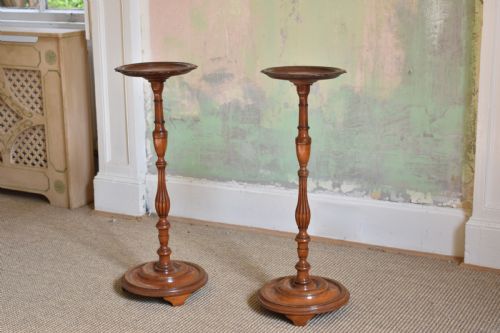
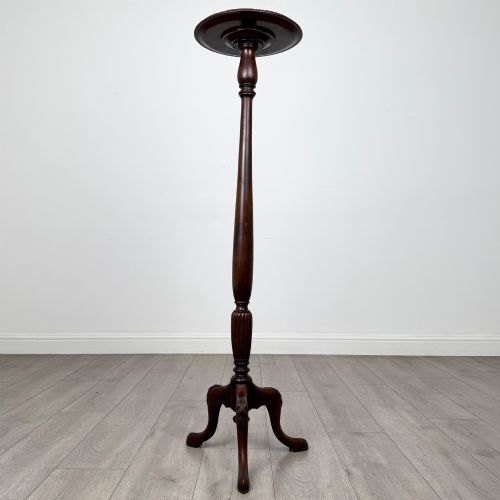
These stands frequently appear as torchere plant stands, lamp tables, or occasional tables sharing the slender proportions of the georgian style urn stand. Makers adopted classic forms such as octagonal tops, tray tops, and inlaid surfaces to suit drawing rooms and reception spaces.
What varies in quality
The degree of refinement in the timber selection and inlay work separates standard utility pieces from finer decorative stands. Crispness in the carving of legs and the tightness of joints distinguish superior workshop production.
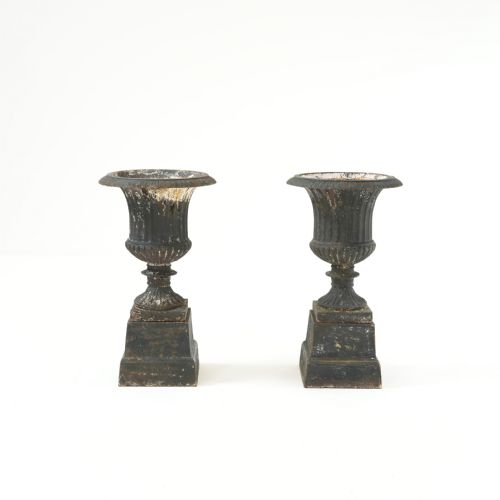
Listings feature items spanning the eighteenth century through to the early twentieth century, incorporating mahogany, satinwood, brass, and cast iron.
The Georgian Style Urn Stand Glossary
- Torchere
- A tall, slender stand designed to support a lamp, candle, or decorative plant. These pieces provide vertical interest in corners and flanking furniture.
- Satinwood
- A lustrous, yellowish timber imported from tropical regions and frequently used for fine cabinetmaking and decorative inlay. It brings a bright contrast to darker woods like mahogany.
- Campana
- A classical vase shape resembling an inverted bell with a flaring rim. These metal or stone vessels often sit upon dedicated plinths.
- Inlay
- A technique where pieces of contrasting wood or other materials are inserted into depressions within a solid timber base to create patterns. This ornament defines much of the revival cabinetwork.
- Tray-top
- A tabletop edged with a raised rim or gallery to prevent items from sliding off. This feature is common on small tables and stands meant for serving or holding vessels.
Georgian Style Urn Stand: Frequently Asked Questions
What was a georgian style urn stand used for?
These stands originally held heavy metal urns filled with hot water for tea service, keeping them safely elevated off wooden dining tables or sideboards.
Today, buyers utilise them to display plants, lamps, or decorative ceramic vessels in living spaces and hallways.
How do I date a georgian style urn stand?
Examining the timber, construction joints, and secondary woods helps distinguish eighteenth-century originals from nineteenth-century or Edwardian revivals.
Revival pieces often display machine-assisted turning or crisp modern veneers compared to the hand-cut joinery of earlier periods.
Where should I place a urn stand at home?
Their tall, narrow footprint makes them ideal for empty corners, tight hallway spaces, or flanking larger pieces of case furniture.
They function best when displaying a single object such as a trailing plant, a bronzed sculpture, or a ceramic bowl.
Are these stands sturdy enough for daily use?
While originally built to support heavy metal vessels, their slender legs and small top surfaces require careful placement away from high-traffic walkways.
Placing them on even flooring ensures stability for fragile ceramics or balanced lamps.