
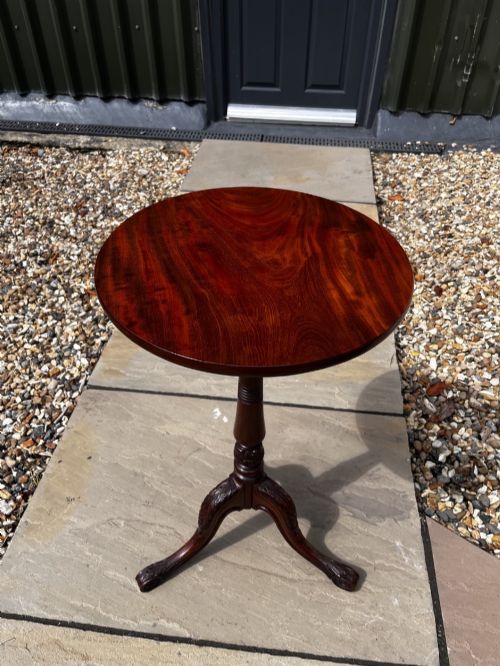
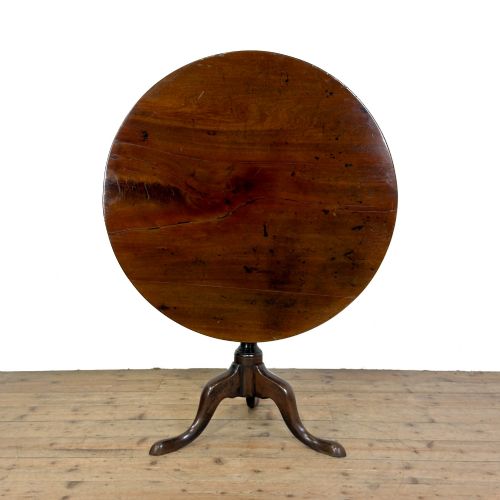
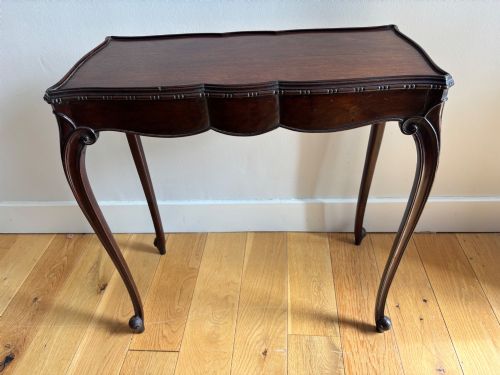

Vintage Mahogany Wine Table
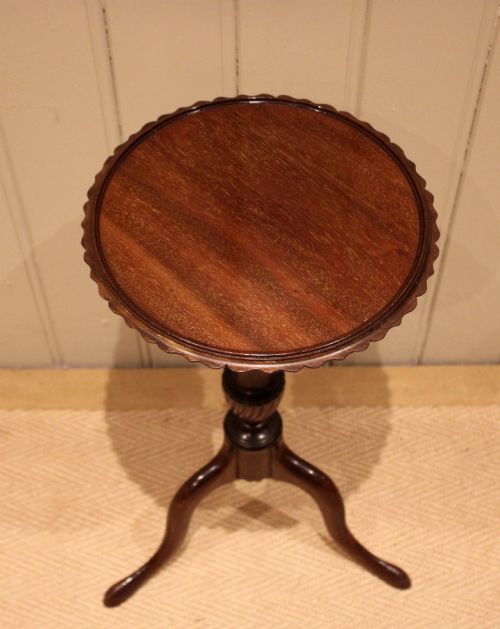
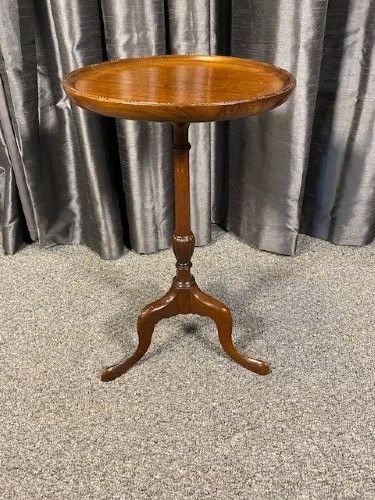
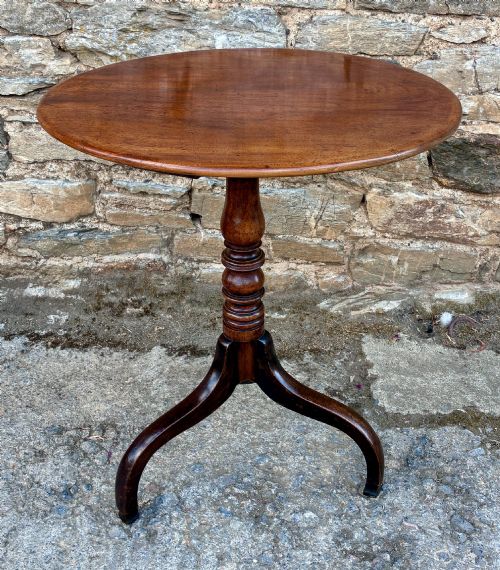
A vintage mahogany wine table brings compact utility and traditional timber warmth to a corner, most often seen as an Edwardian or Georgian tripod piece.
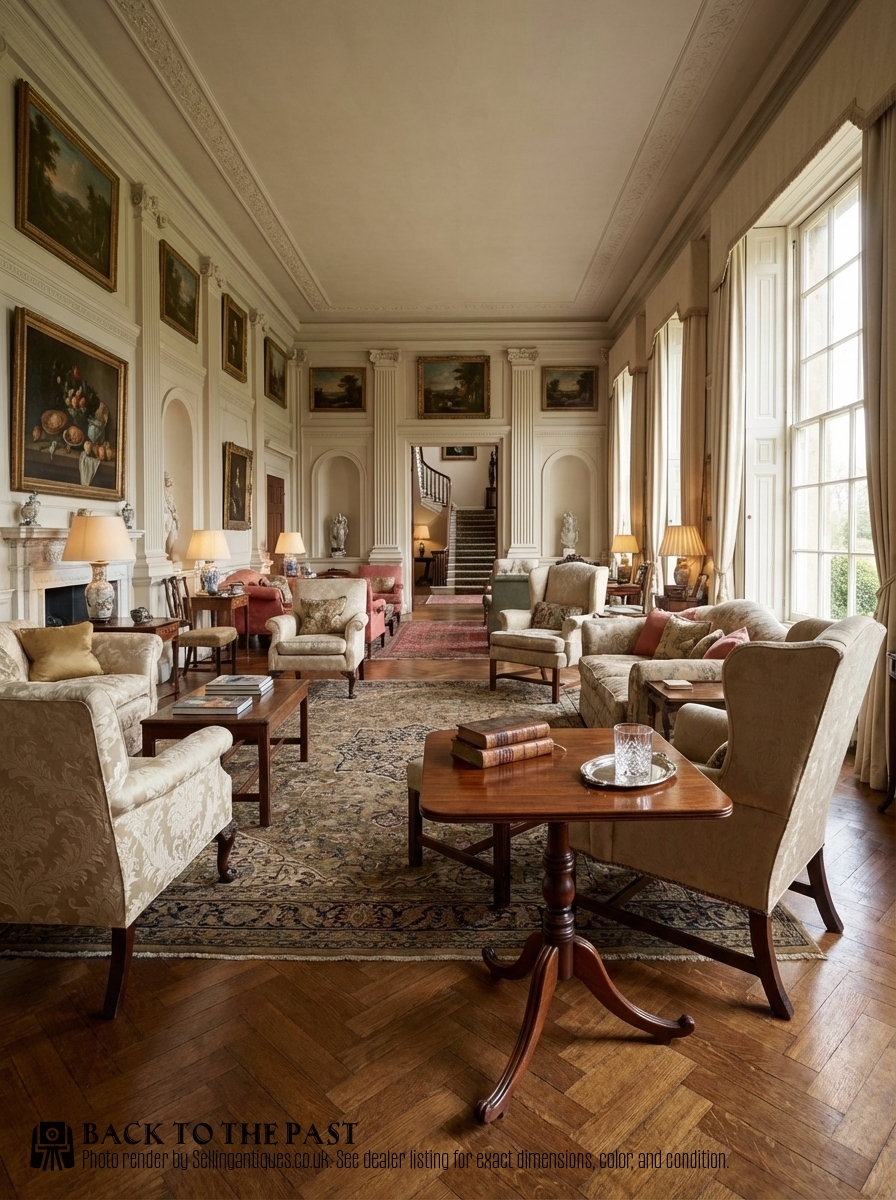
Vintage Mahogany Wine Table
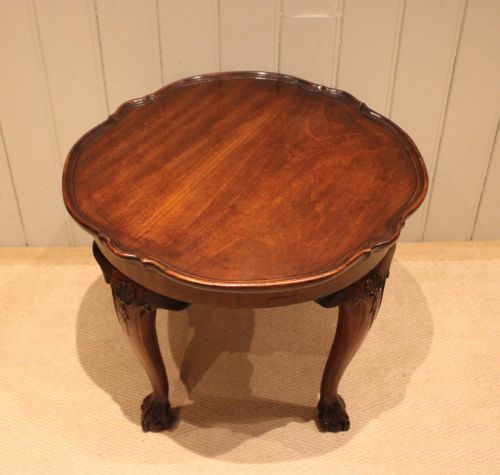
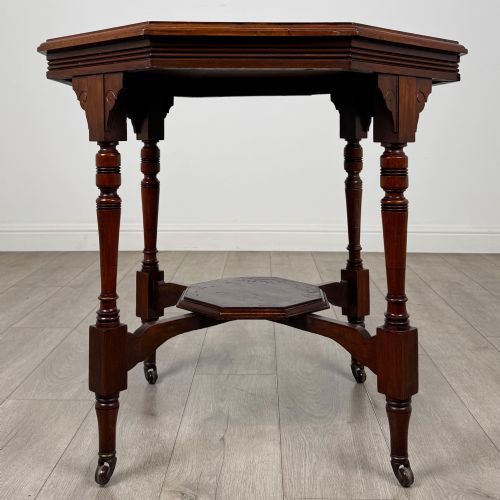
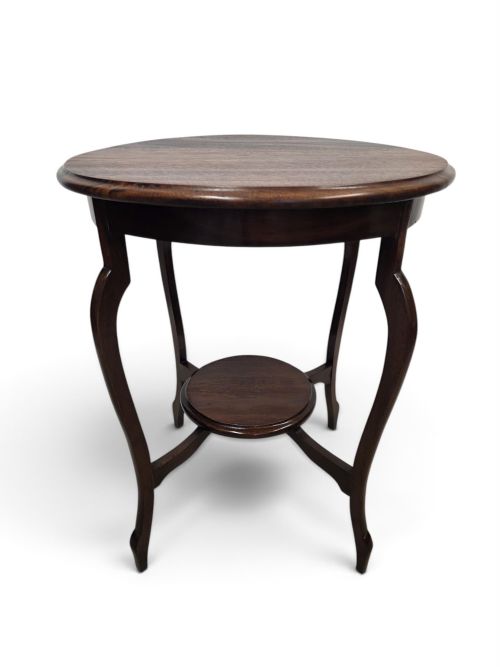
When you search for a vintage mahogany wine table, you encounter compact circular, octagonal, or heart-shaped occasional surfaces designed for drinks or lighting. These pieces span periods from the eighteenth century through the Edwardian era and the 1930s, reflecting shifts in domestic entertaining.
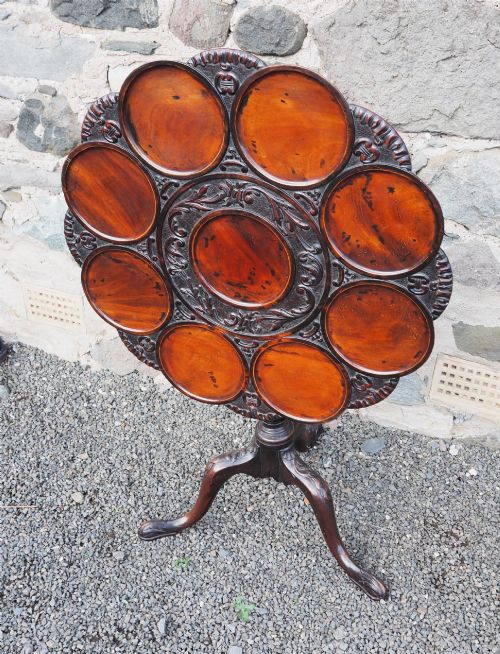
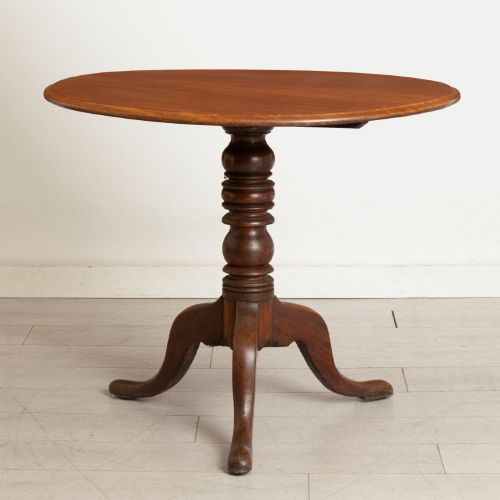
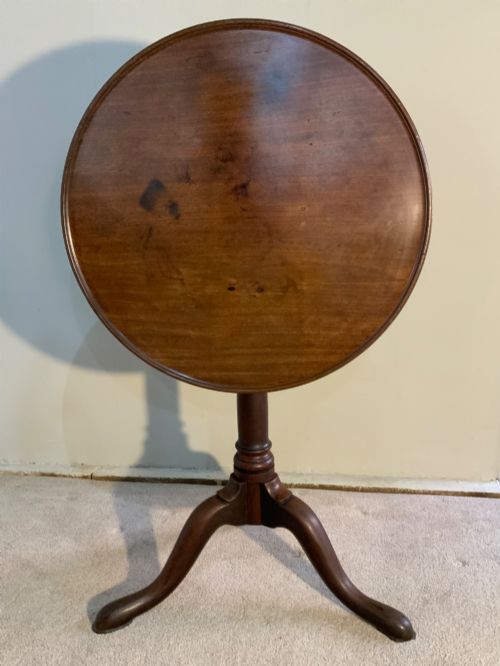
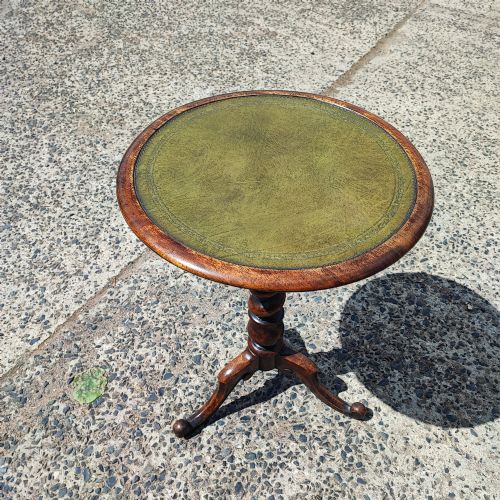
The version you are most likely to meet on this page is an Edwardian adaptation or a nineteenth-century example, frequently resting on a central pillar with three splayed legs. Makers also produced tilt-top mechanisms, tray tops, and birdcage actions that allowed the top to rotate and fold flat.
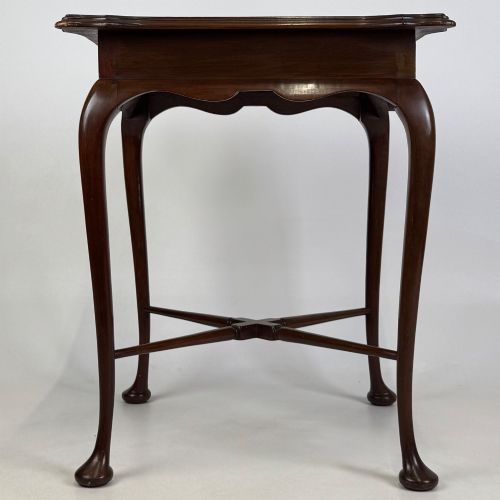
Alongside dedicated wine tables, the listings include related forms such as tripod supper tables, lamp tables, and occasional side tables in matching timbers. These share the characteristic small footprint and portable nature suited to domestic spaces.
Materials and Construction
Cabinetmakers built these tables primarily from mahogany, occasionally incorporating contrasting woods such as satinwood and boxwood for stringing or inlay. Timber selection dictated the weight and grain pattern, with dense dark mahogany providing a sturdy surface for daily use.
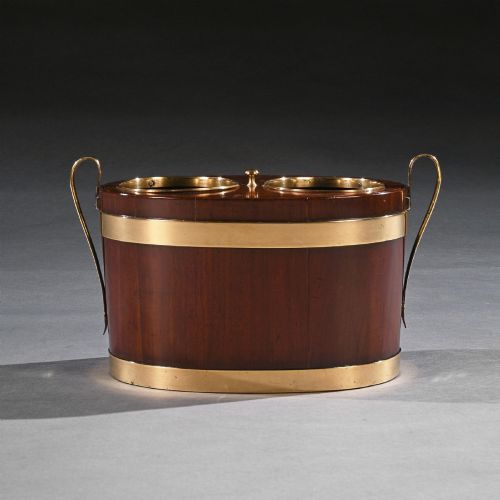
Support structures typically relied on a turned pillar fixed to three outward-curving legs, sometimes joined by a birdcage mechanism for pivoting tops. Brass castors, hinges, and bindings appeared on functional variants like wine coolers and certain tripod designs.
Surface finishes involved hand-applied polishes that enhanced the natural reddish-brown tones of the wood. Carpenters joined legs to pillars using robust traditional joints to withstand the pivot and tilt movements of the tabletop.
Materials documented across the inventory include solid mahogany, brass accents, boxwood inlay, and occasional white marble tops.
Distinctions in Quality
The standard of a vintage mahogany wine table rests on the crispness of the timber carving, particularly around the tripod base and pillar turnings. Superior examples display refined proportions and hand-carved details rather than mass-produced uniformity.
Mechanism precision separates standard pieces from finer ones, especially in tilt-top and birdcage designs where tight tolerances ensure the surface remains level when locked. The quality of the mahogany stock itself, showing rich grain and depth of colour, dictates the visual presence of the table.
Attribution to known workshops or adherence to specific historical styles such as Chippendale or Sheraton influences the standing of a piece. Original brass fittings and untouched patination further elevate the execution of the table.
Shapland and Petter·Waring and Gillow
The Vintage Mahogany Wine Table Glossary
- Tilt-top
- A tabletop hinged to the central pillar so it can pivot vertically for storage when not in use. This mechanism allowed tables to be tucked against walls in smaller rooms.
- Tripod base
- A support structure featuring three legs splaying from a central turned column. It provides stable footing on uneven floors.
- Birdcage
- A wooden framework beneath the tabletop that permits both rotation and tilting of the surface. This assembly is characteristic of mid-eighteenth-century design.
- Tray top
- A tabletop finished with a raised moulded rim to prevent items from sliding off. This feature appears on both Georgian and later revival pieces.
- Mahogany
- A durable tropical hardwood prized for its deep reddish-brown colour and stable grain. It became the dominant timber for British formal furniture from the eighteenth century onward.
Vintage Mahogany Wine Table: Frequently Asked Questions
What is a wine table used for?
These small tables were originally designed to hold glasses or bottles during social gatherings in the evening. Today, they function well as lamp tables or occasional surfaces beside a chair.
Their compact proportions allow them to fit into tight spaces where larger furniture cannot go.
How do I date a mahogany table?
Dating relies on observing construction methods, leg profiles, and timber characteristics. Eighteenth-century pieces often feature hand-turned pillars and distinct column joinery, while Edwardian versions show lighter framing.
Hardware styles and secondary woods hidden beneath the structure also provide clues to the exact decade of manufacture.
What does tilt-top mean?
A tilt-top table has a hinge mechanism beneath the surface that allows the top to swing into a vertical position. This enabled servants to store the tables flat against a dining room wall between courses.
Many surviving examples retain this working action today.
Are these tables sturdy enough for daily use?
Tripod tables are surprisingly stable on solid floors due to the three-point contact of their splayed legs. However, heavy downward pressure near the edge of a tilt-top mechanism requires some care.
Normal placement for lamps or small decorative items presents no structural difficulty.