




Square Tilt Top Table
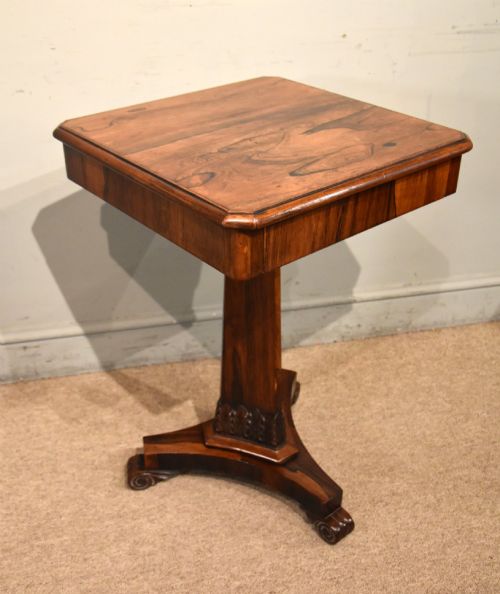
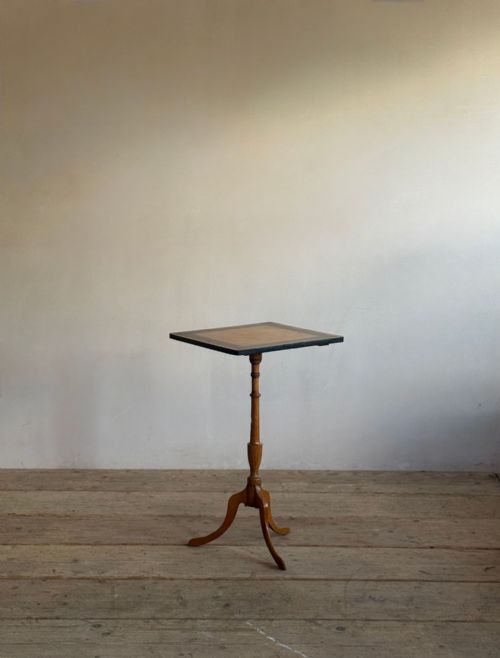
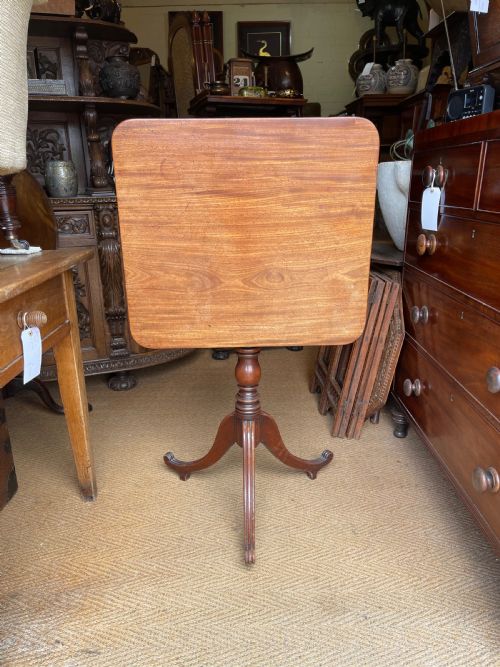
A square tilt top table balances clever folding mechanics with sturdy tripod geometry, offering versatile surfaces that stow flat against walls when not in use.
Square Tilt Top Table forms and periods
When you search for a square tilt top table, you encounter practical occasional and side furniture spanning the 18th century through the 19th century, including Georgian, Regency, and Victorian iterations. These pieces function primarily as compact tables that tip vertically via a clever catch mechanism, saving valuable floor space in historic interiors.
The selections on this page showcase notable regional and international diversity, ranging from Irish Georgian craftsmanship to Swedish country examples. Forms vary from intimate pedestal wine tables to larger breakfast and supper dining tables supported by robust tripod bases.
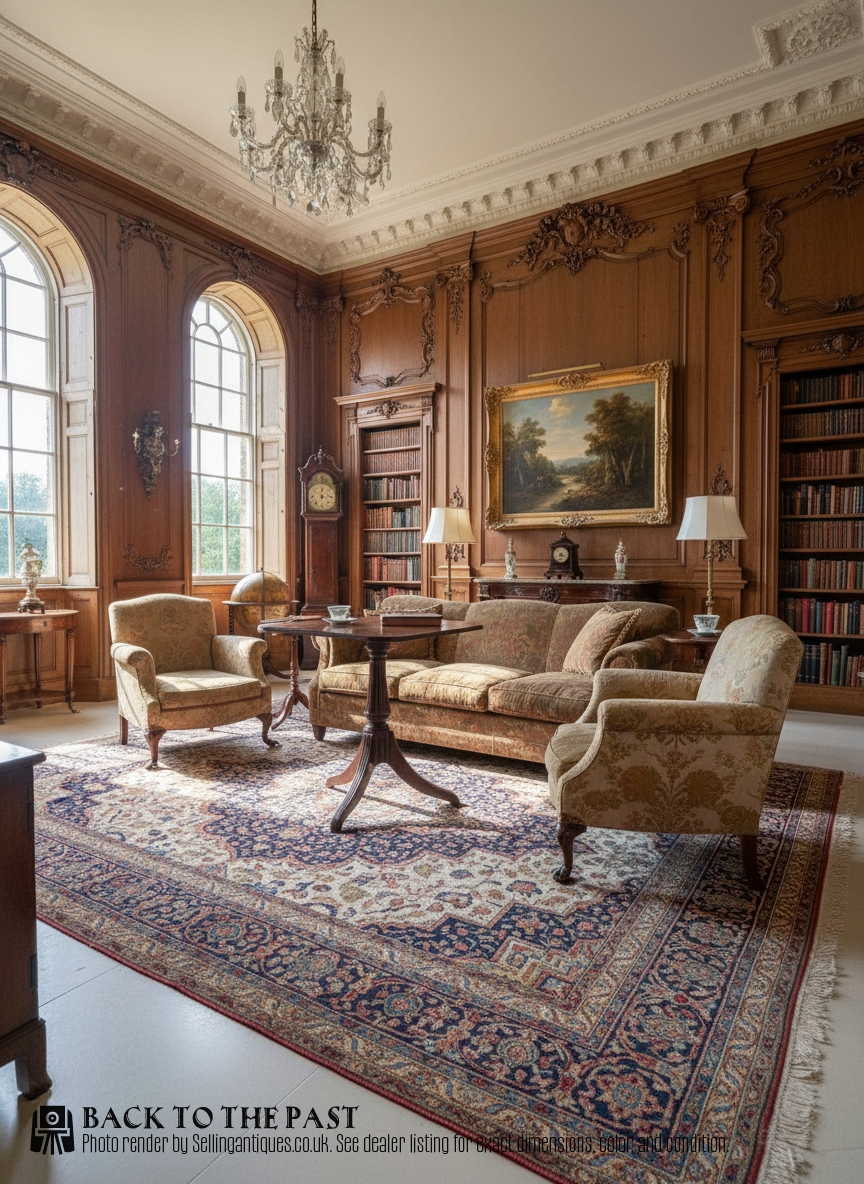
Materials and construction
Cabinet makers utilised a rich palette of timbers to construct these tables, dominated by mahogany alongside exotic padouk, palm wood, alder root, birch, and ebonised wood. Single plank square tops frequently demonstrate careful timber selection, paired with substantial pedestal supports and brass fittings.
The ingenious tilting mechanism relies on a birdcage or block catch arrangement that allows the square top to pivot smoothly and lock securely into position. Tripod legs provide stable ground contact while maintaining the characteristic light profile of the pedestal base.
Retail Price Guide 2026
Typical UK retail prices for square tilt top table, calculated from the Sellingantiques database of over a million retail prices indexed since 2003. This retail price guide relies exclusively on Sellingantiques data; no external sources or auction records are used, so the figures do not describe the wider market.
Some tables utilise palm wood and alder root, proving that historic makers loved experimenting with wildly eccentric textures.
Assessing quality in square tilt top tables
The distinction between standard examples and superior pieces rests on the choice of timber figure, such as richly patterned plum pudding mahogany or figured alder root. Grain continuity across a single plank top elevates a table significantly above those joined from multiple lesser boards.
Engineering precision in the tilt action defines the upper tier of manufacture, where the mechanism operates without lateral play and the top sits perfectly flat when lowered. The grace of the tripod leg sweep and the crispness of the turning on the central pedestal further separate workshop tiers.
The Square Tilt Top Table Glossary
- Tilt top
- A table design featuring a hinged mechanism that allows the surface to rotate vertically for storage. This clever adaptation preserves floor space in smaller rooms.
- Tripod base
- A three-legged support structure commonly found beneath pedestal tables. It ensures firm contact on uneven historic floors without rocking.
- Birdcage
- A revolving wooden framework beneath the table top that permits both rotation and tilting. It represents a more complex and desirable form of joining.
- Single plank top
- A table surface cut from one wide piece of timber rather than joined boards. This uninterrupted grain denotes higher material status.
- Padouk
- A dense tropical hardwood known for its deep reddish-brown colour and durability. Makers utilised it for exotic occasional furniture.
Frequently Asked Questions
How did people use square tilt top tables?
These tables served flexible roles in historic homes as tea tables, wine tables, or intimate dining surfaces. Between meals or gatherings, the tops tilted vertically to stand flat against the perimeter walls.
This space-saving capability made them essential furniture in parlours and drawing rooms where floor space shifted according to daily activities.
How do I spot a Georgian table?
Georgian examples typically exhibit rich mahogany timber, elegant tripod pedestals, and restrained proportions. The turning on the central pillar often displays classic ring or vase profiles.
Examining the underside reveals period construction methods, such as hand-cut dovetails and authentic wooden pegging within the mechanism.
Why choose an 18th century table?
Eighteenth-century examples embody the proportions and timber quality favoured by master cabinet makers of the Georgian era. The patination acquired over centuries gives the wood a deep, warm lustre.
Owning an earlier piece connects you directly to the domestic routines and social rituals of Georgian dining and entertaining.