

Vintage Wooden Accent Table
A vintage wooden accent table brings warmth and practicality to a room, offering a sturdy surface for lamps, books and daily use.
Vintage Wooden Accent Table
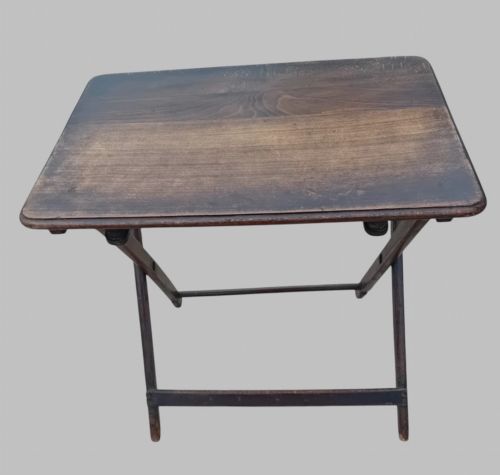
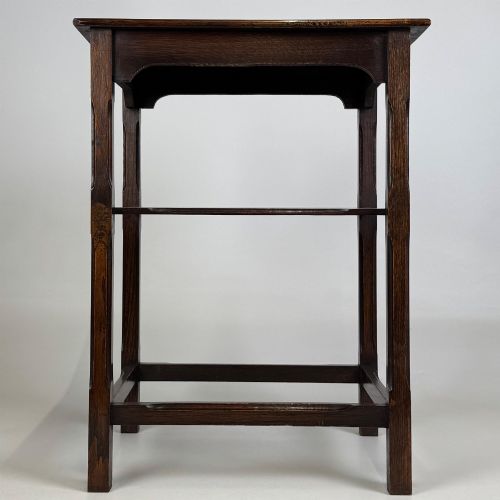
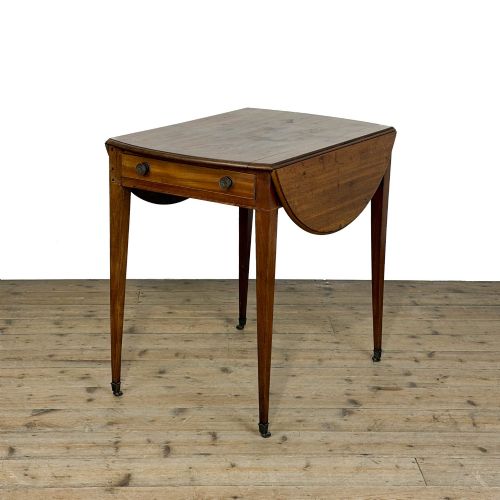
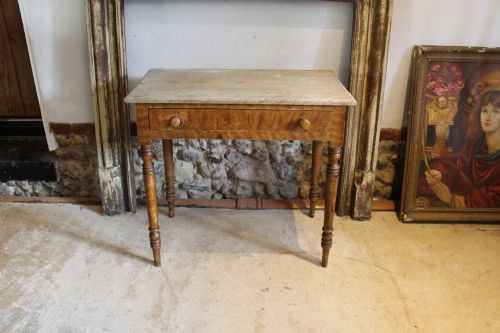
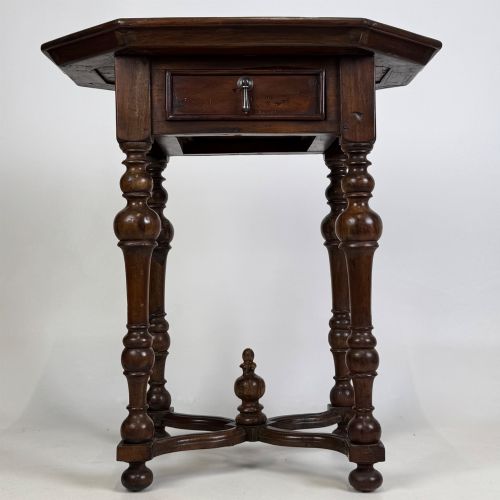
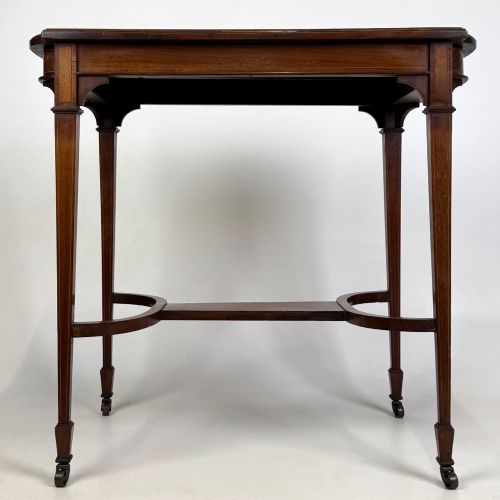
A vintage wooden accent table is a versatile piece of furniture designed for flexible placement around the home, serving as a side table, lamp table or occasional table. These items span periods from the eighteenth century through the Victorian and Edwardian eras up to the nineteen-thirties.
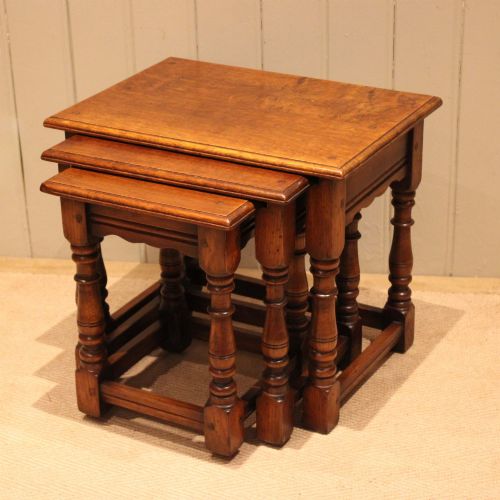
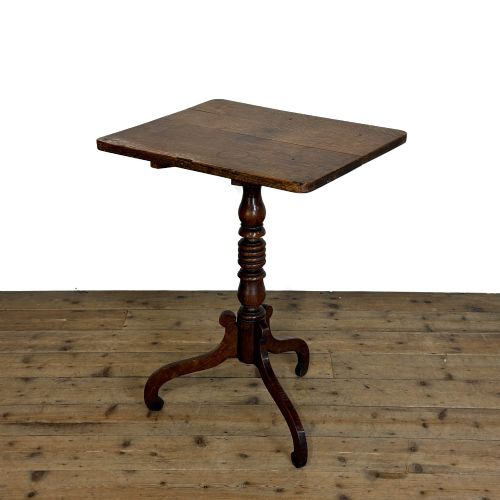
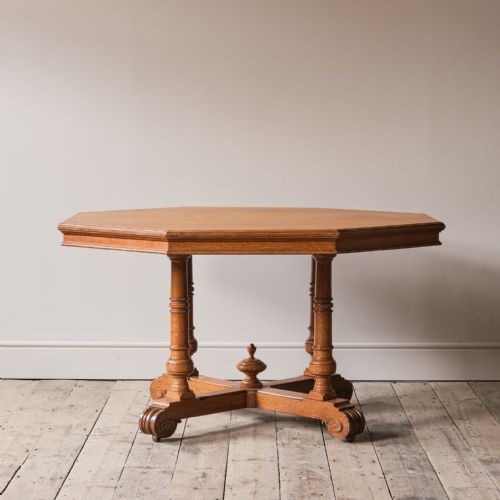
The selection here includes side tables, nests of tables, pembroke tables, and tilt top pedestal tables. Oak, walnut and mahogany appear frequently across these varied forms.
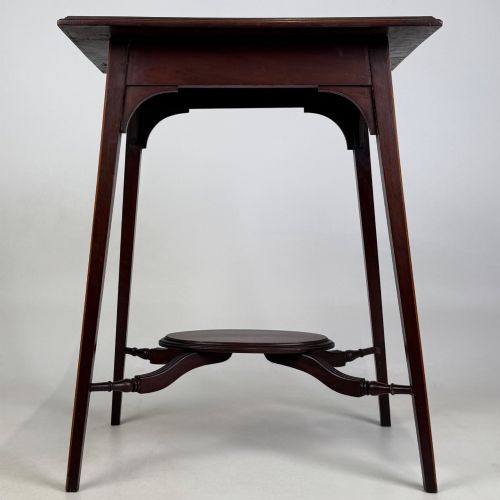
Buyers will encounter styles ranging from plain English country pieces and Arts and Crafts designs to French Provincial, Jacobean Revival and Anglo-Indian work. Edwardian oak and mahogany examples form a large portion of the available items.
What varies in quality
The standard of a vintage wooden accent table depends on the selection of timber and the precision of its construction. Well-chosen walnut or figured mahogany demonstrates superior material choice compared to basic utility hardwoods.
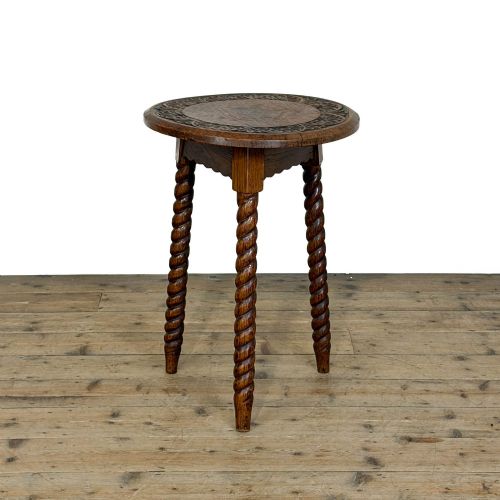
Finishing details distinguish finer pieces, such as crisp chip carving, balanced proportions in tripod bases, and neatly executed inlay work. Simpler country items rely on rustic charm rather than refined cabinetmaking.
Several tables feature barley twist legs that look remarkably like coiled wooden springs.
The Vintage Wooden Accent Table Glossary
- Pembroke table
- A small table with hinged drop leaves on two opposing sides, often fitted with a drawer. It was designed to be easily moved around a room.
- Tilt top table
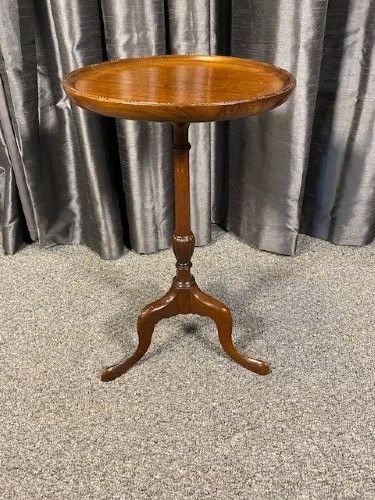
- A pedestal table with a mechanism that allows the wooden top to pivot vertically when not in use. This saved space in smaller rooms.
- Nest of tables
- A set of graduated tables designed to slide neatly underneath one another. They provide multiple surfaces while occupying the floor space of a single table.
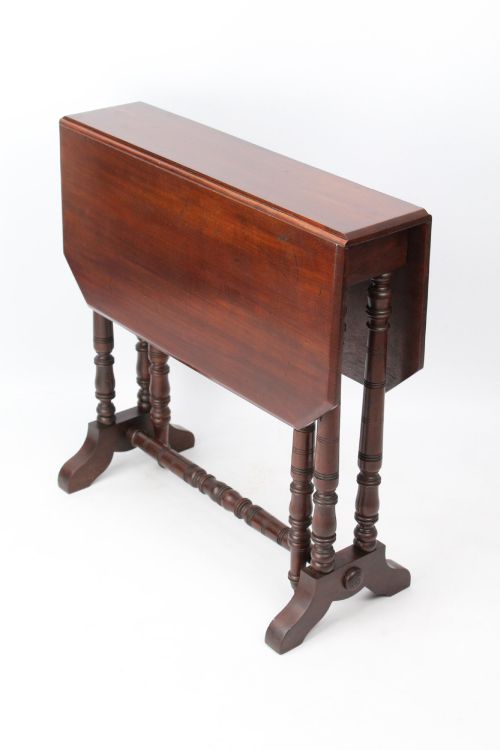
- Sutherland table
- A narrow drop-leaf table with exceptionally slender gate legs that support the leaves when raised. It folds flat for compact storage.
- Cricket table
- A small, lightweight occasional table traditionally featuring three legs and a circular wooden top. It derives its name from early vernacular usage.
Vintage Wooden Accent Table: Frequently Asked Questions
Where should I place a side table?
These tables fit easily beside armchairs, sofas, or beds to hold reading lamps and small objects. Their modest scale allows them to function in hallways and empty corners.
Matching the period style of the table to your existing furniture creates a cohesive look, though mixing eras can also add visual interest to a room.
How do I care for antique wood?
Keep wooden tables away from direct heat sources and strong sunlight to prevent the timber from drying out or warping. Regular dusting with a soft, dry cloth preserves the finish.
Applying a traditional beeswax polish occasionally helps nourish the surface and maintains the natural lustre of walnut, oak and mahogany.
What is a pembroke table used for?
Pembroke tables served as versatile breakfast, writing, or sewing tables in period homes. Raising the drop leaves created extra surface area when needed.
Dropping the leaves allowed the table to sit flat against a wall, making it practical for rooms with limited space.
How do I date an Edwardian table?
Edwardian furniture, made between nineteen hundred and nineteen ten, often draws inspiration from earlier Georgian and Sheraton designs. Lighter construction and satinwood or mahogany veneers frequently characterise this period.
Examining the underside, drawer linings, and screw types helps confirm the age and construction methods of the piece.