


Edwardian Carved Corner Table
An edwardian carved corner table brings useful surface space to awkward angles, using oak, walnut or mahogany to fit neatly into domestic interiors.
Edwardian Carved Corner Table
An edwardian carved corner table serves as a functional item designed to occupy the angles of a room while providing a stable surface for lamps, plants or small objects.
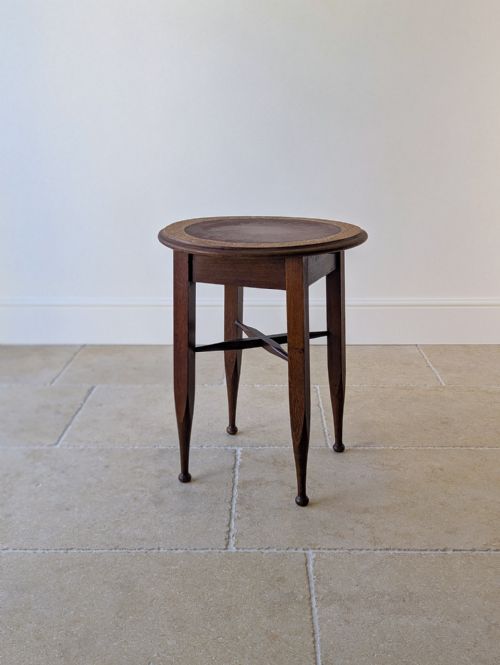
The pieces appearing under the edwardian carved corner table search phrase include items from the Edwardian period alongside examples linked to Arts and Crafts workshops and later twentieth-century iterations.
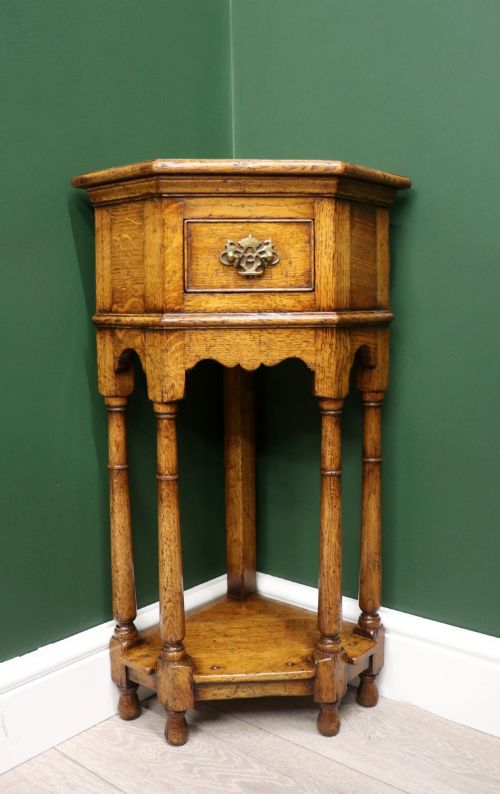
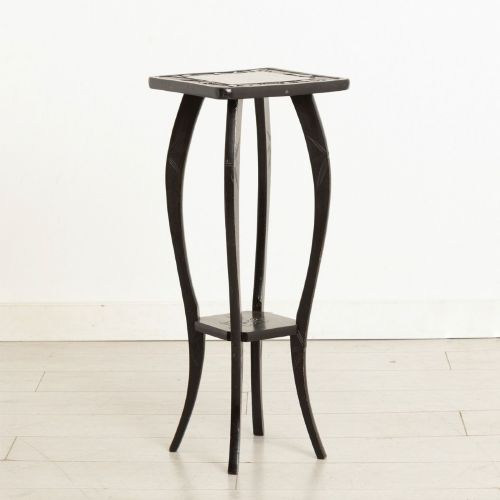
Buyers frequently encounter occasional tables, side tables and plant stands constructed to fit snug against walls, often featuring turned legs or detailed carved decoration.
How they were made
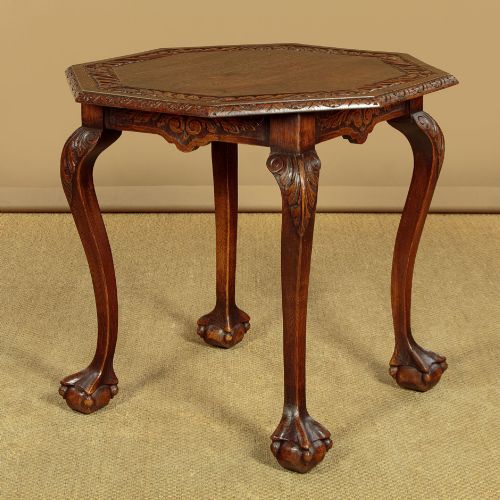
Cabinet makers utilised solid timbers including oak, walnut, mahogany and beech, shaping tops into circular, six-sided or trefoil forms.
Hand carving and brass fittings appear across the items, while some incorporate inlay work to decorate the wooden surfaces.
Structural framing relies on turned legs and drop-leaf mechanisms designed to support daily domestic use.
One versatile specimen includes a metamorphic drop leaf, ready to expand whenever extra surface space is required.
What varies in quality
The depth and execution of the hand carving separates standard production items from pieces bearing finer artistic intent.
Selection of timber grain and the precision of joinery in corners and turned legs dictate the overall refinement of the table.
Liberty of London
The Edwardian Carved Corner Table Glossary
- Occasional table
- A small movable table intended for specific, temporary uses rather than a permanent central position.
- Trefoil
- A three-lobed shape reminiscent of clover leaves, often seen in table top geometry.
- Drop leaf
- A hinged flap on a table top that can be raised to extend the surface area or lowered when space is restricted.
- Ebonised wood
- Timber treated with a finish to imitate expensive ebony wood.
- Satinwood
- A lustrous, yellowish timber utilised for decorative inlay and cabinet work.
Edwardian Carved Corner Table: Frequently Asked Questions
What is an edwardian carved corner table used for?
These tables provide a convenient platform for lamps, decorative objects or small plants in rooms where floor space is limited. They fit directly into room corners to utilise neglected areas.
Historically they served domestic functions as occasional or side tables, supporting everyday items within sitting rooms and hallways.
How do I identify the Edwardian period?
Edwardian furniture spans the reign of King Edward VII, typically showing lighter forms than heavy Victorian pieces. Makers often drew inspiration from earlier historical styles while employing simpler lines.
Common materials from this era include oak, walnut and mahogany, frequently enhanced with modest carving or inlay rather than heavy ornamentation.
Are these tables sturdy enough for daily use?
Solid timber construction in oak, beech or walnut provides robust support for everyday items like lamps and books. Turned legs and stable corner framing ensure they remain balanced.
Care should be taken with drop-leaf mechanisms on older examples to avoid straining the original hinges.
What distinguishes Arts and Crafts examples?
Arts and Crafts pieces emphasise honest construction and visible craftsmanship over mass-produced ornamentation. They frequently feature plain oak surfaces with subtle hand-carved details.
Such items align with a design movement that valued traditional hand skills and simple, functional forms.