
Edwardian Two Tier Table
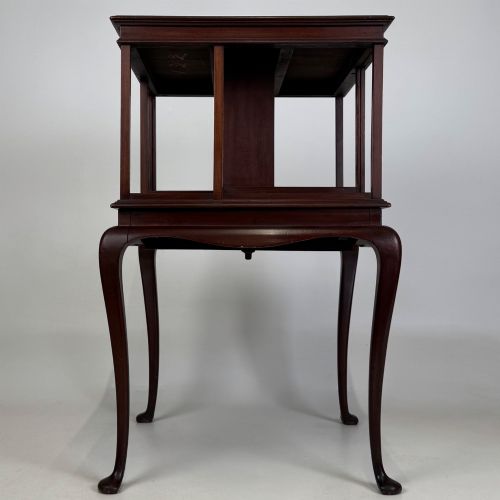
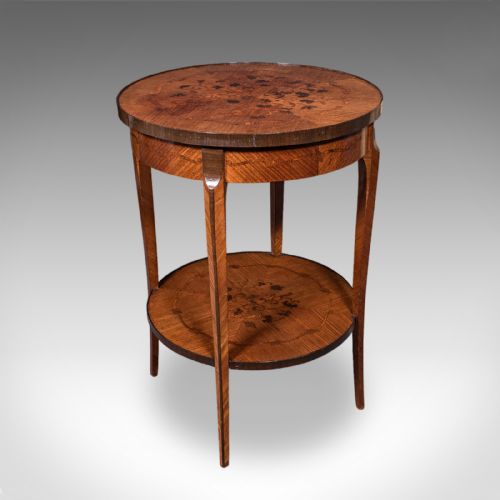
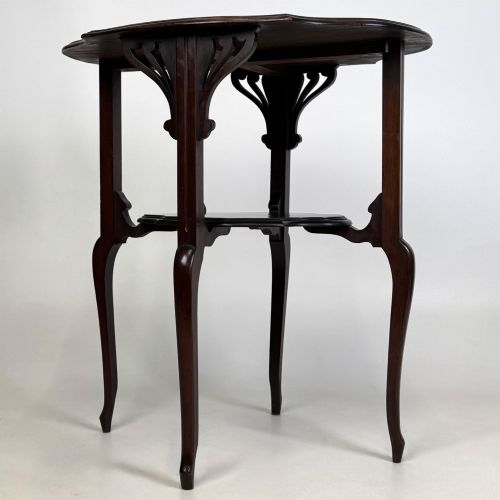
An edwardian two tier table offers doubled display space with light proportions, pairing practical shelving with the refined aesthetics of the early twentieth century.
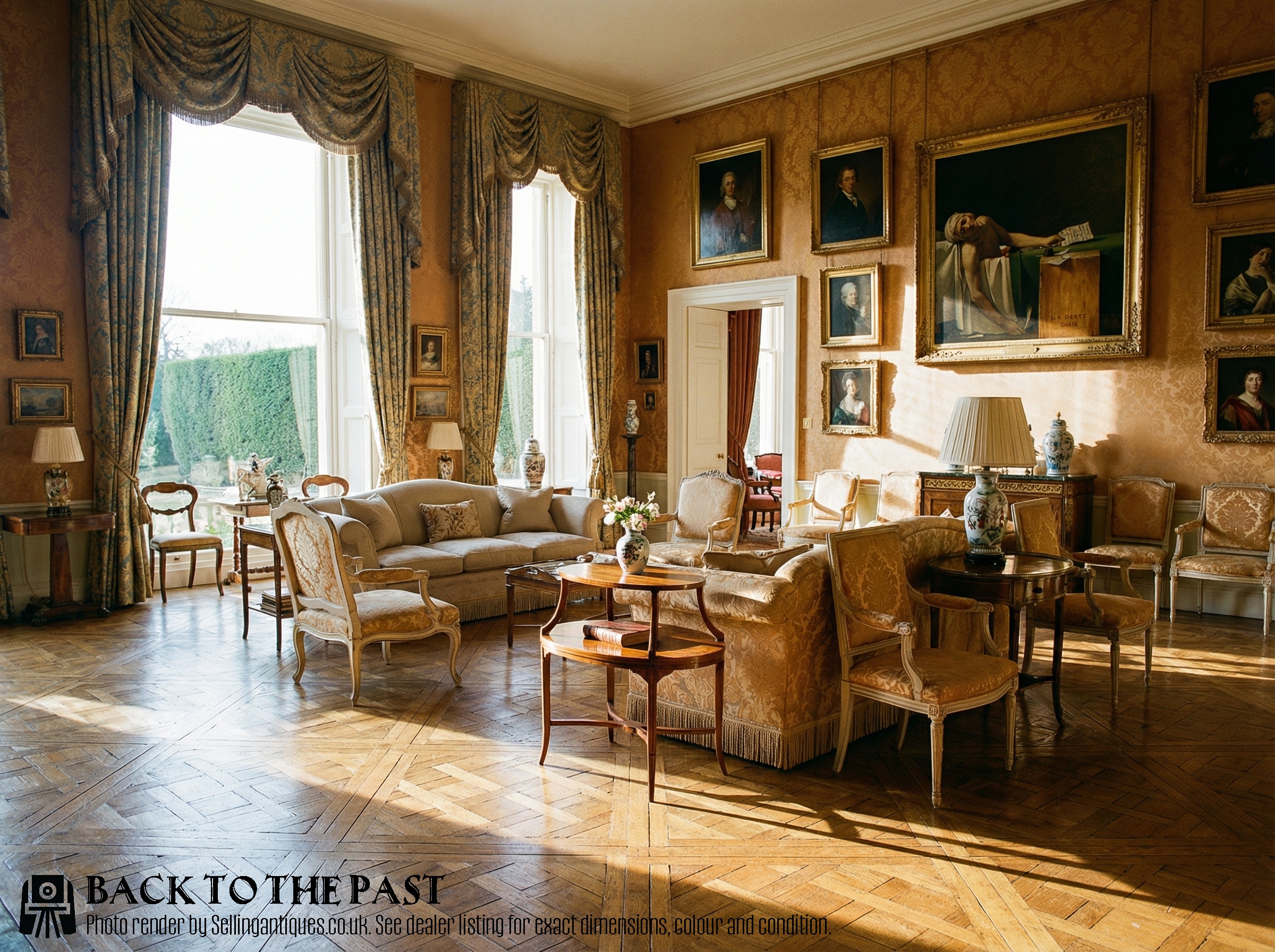
Edwardian Two Tier Table
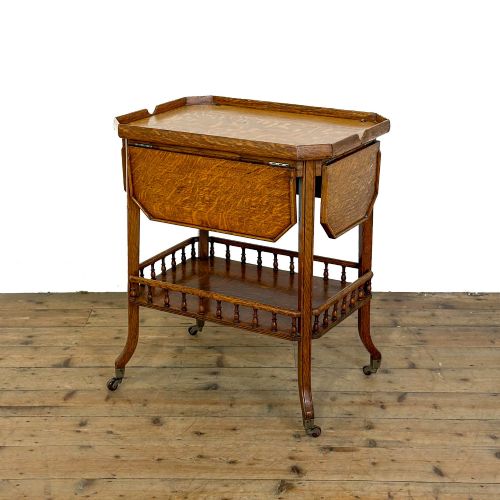
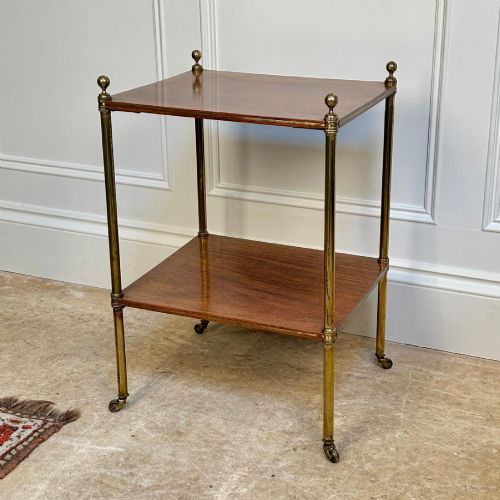
When searching for an edwardian two tier table, a buyer encounters versatile domestic furniture designed to hold lamps, books, or afternoon tea in formal reception rooms. The pieces recorded here span occasional tables, etageres, tea trolleys, and plant stands created during the Edwardian period and neighbouring late Victorian and early twentieth-century decades.
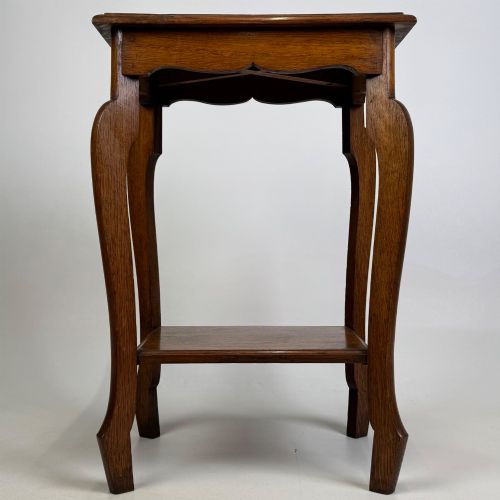
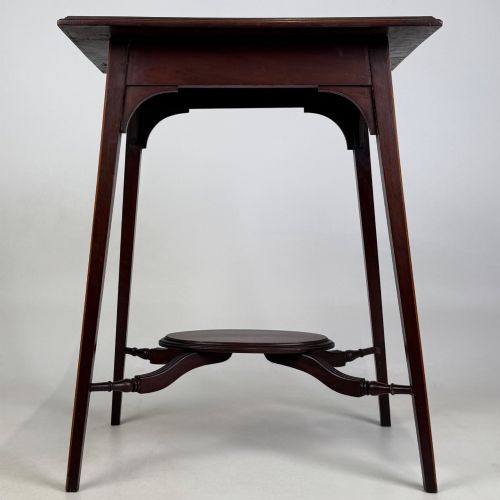
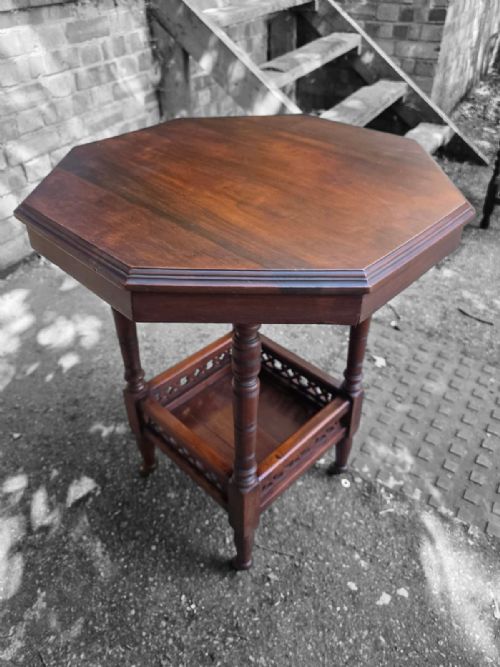
The version most commonly met on this page is the mahogany side table or occasional table featuring a lower shelf suspended between the legs. These designs frequently incorporate satinwood inlay, boxwood stringing, or shaped tops ranging from round and oval to octagonal forms.
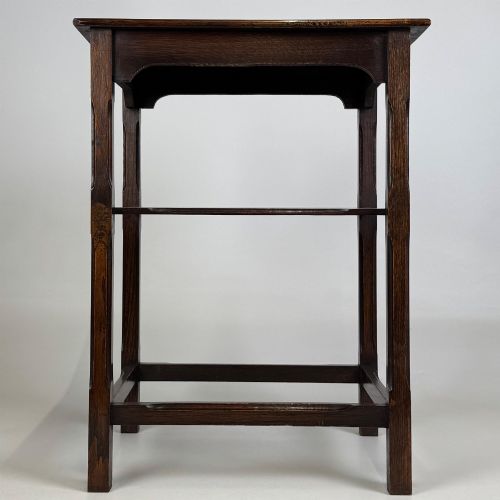
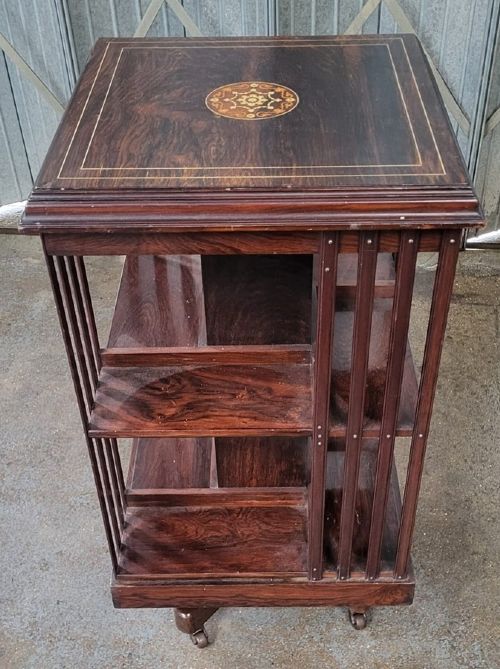
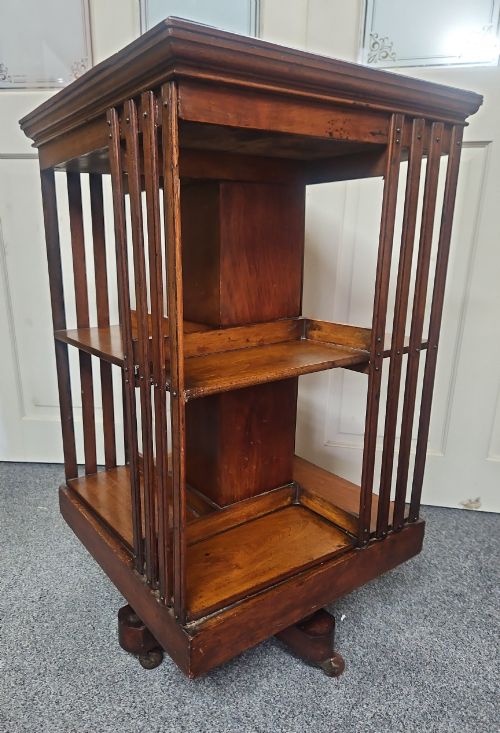
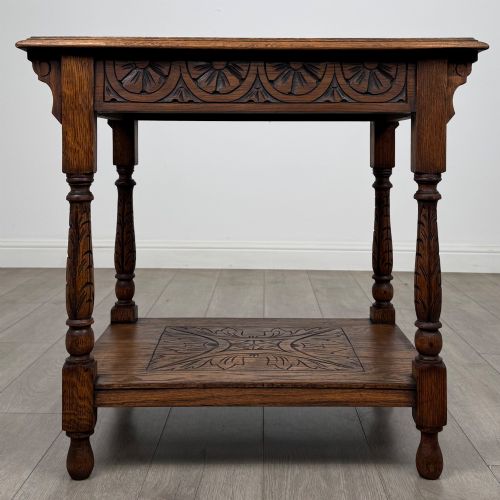
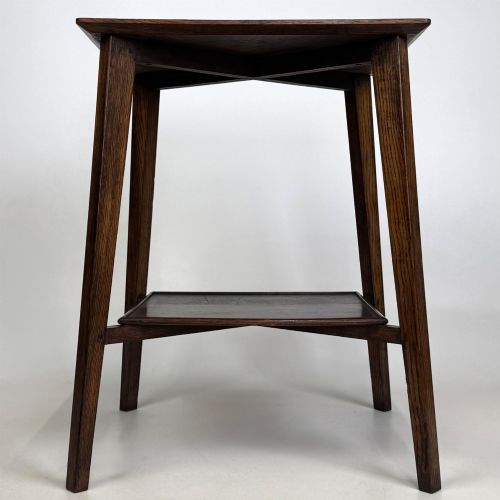
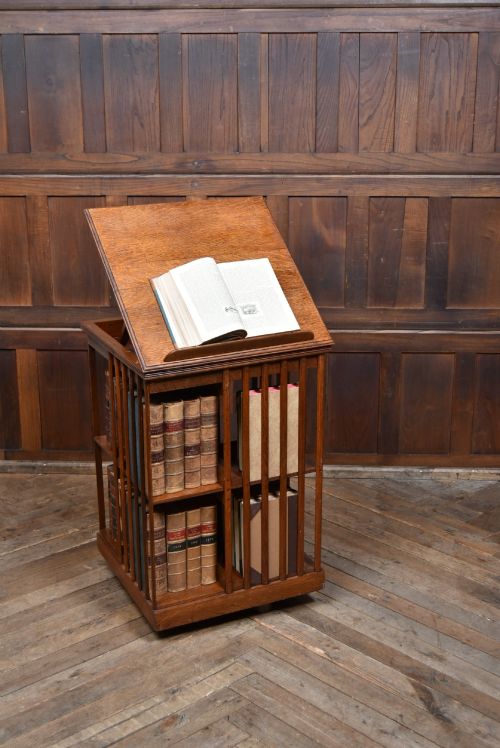
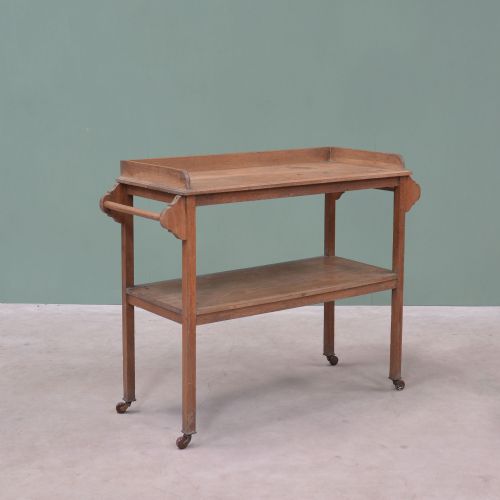
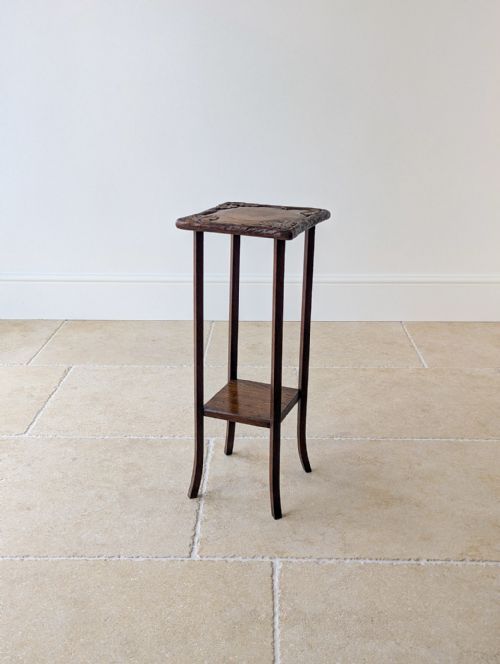
Beyond standard side tables, the evidence includes related multi-level formats such as revolving bookcases, serving trolleys, and bamboo or faux bamboo tripod variants. Oak and walnut examples also appear frequently, often aligning with robust Arts and Crafts sensibilities rather than polite parlour refinement.
Materials and construction
Cabinetmakers relied heavily on mahogany as a primary timber, frequently pairing it with contrasting boxwood and satinwood for delicate inlaid borders and marquetry motifs. Oak and walnut provide heavier structural alternatives, particularly in pieces displaying Arts and Crafts influences or utilitarian tea trolley functions.
Secondary materials such as brass castors, handles, and gallery rails appear across numerous examples to facilitate movement and protect surface edges. Joinery techniques balance slender, elegant leg profiles with rigid lower shelf stretchers necessary to stabilise the secondary tier.
Edwardian Two Tier Table Retail Price Guide 2026
Typical asking prices for edwardian two tier table among the pieces listed under this phrase on Sellingantiques today, from the lower quarter to the upper quarter. They describe what is for sale here now, not the wider market.
Surviving pieces occasionally incorporate faux bamboo turnings, satisfying Victorian and Edwardian fascination with exotic botanical aesthetics.
Qualities of execution
The distinction between standard utility items and finer examples rests upon the precision of the timber selection and the complexity of the enrichment. Flame mahogany veneers, intricate marquetry, and hand-carved details elevate certain tables above plain-timber counterparts.
Structural integrity also separates the grades of surviving pieces, where tight joinery at the lower shelf junction prevents the wobble common in lighter occasional furniture. Original hardware, such as stamped brass castors or maker labels, further distinguishes workshop output.
Liberty and Co
The Edwardian Two Tier Table Glossary
- Etagere
- A set of open shelves or tiers designed for displaying small ornaments or books. These light pieces move easily around a drawing room.
- Marquetry
- Decorative veneer work forming pictorial or geometric patterns using various woods. Craftsmen cut contrasting slips of timber to fit exact recesses in the primary surface.
- Stringing
- Thin lines of contrasting wood inlaid into furniture surfaces to create borders. This linear detail defines table edges and panel boundaries.
- Tripod table
- A small table supported by three legs radiating from a central pillar. This construction prevents rocking on uneven floors.
- Boxwood
- A dense, pale wood utilised for fine inlay work and stringing. Its uniform grain allows for precise cutting in delicate decorative motifs.
Edwardian Two Tier Table: Frequently Asked Questions
What was a two tier table used for?
These tables served multiple domestic purposes in Edwardian interiors, functioning primarily as surfaces for tea service, lamps, or reading materials. The lower shelf provided additional storage for books and decorative items while keeping the main surface clear.
Their light construction allowed servants or residents to move them easily around reception rooms as social needs shifted throughout the day.
How do I identify an Edwardian table?
Edwardian tables generally display lighter proportions and brighter timber finishes than their heavy Victorian predecessors. Look for slender tapered legs, satinwood stringing, and subtle neoclassical or Sheraton revival motifs.
Construction methods also help with dating, as machine-sawn internal timbers and specific brass hardware became standard during the early twentieth century.
Are oak and mahogany tables from the same period?
Both oak and mahogany appear frequently in furniture from the Edwardian era, though they served different aesthetic functions. Mahogany tables tended toward formal parlour display with polished veneers and inlay, while oak pieces often reflected the simpler, robust ideals of the Arts and Crafts movement.
Both timbers were utilised concurrently by workshops catering to different domestic tastes and interior styles.
How do I care for an inlaid wooden table?
Maintenance requires keeping wooden furniture away from direct sunlight and extreme temperature fluctuations to prevent veneer lifting and timber splitting. Regular dusting with a dry, soft cloth preserves the polish without building up residue.
Applying a quality wax polish occasionally nourishes the grain and protects delicate boxwood or satinwood stringing from drying out.