

Antique Serpentine Table
An antique serpentine table brings a fluid, undulating silhouette to a room, offering practical surface space shaped with subtle curves.
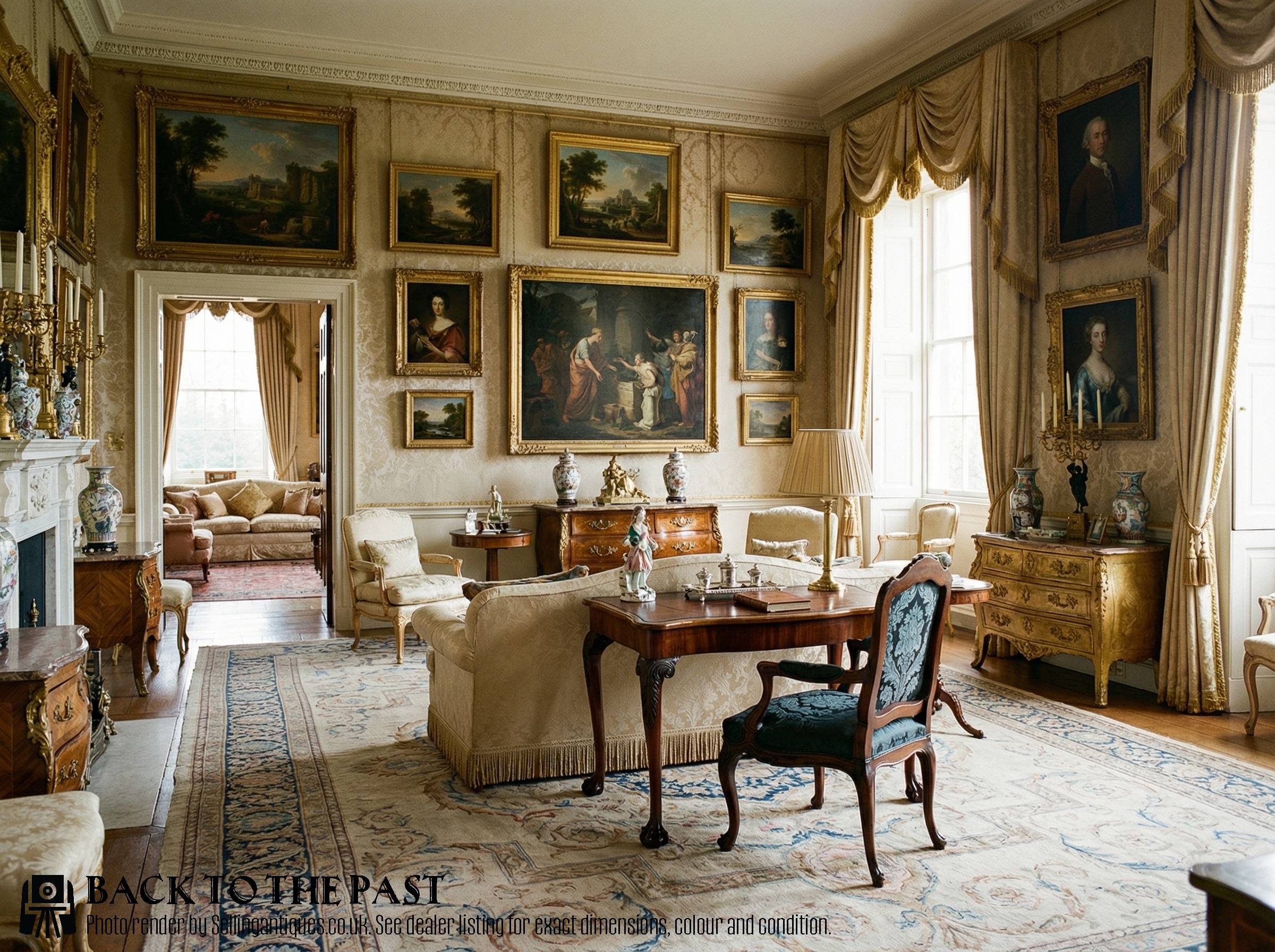
Antique Serpentine Table
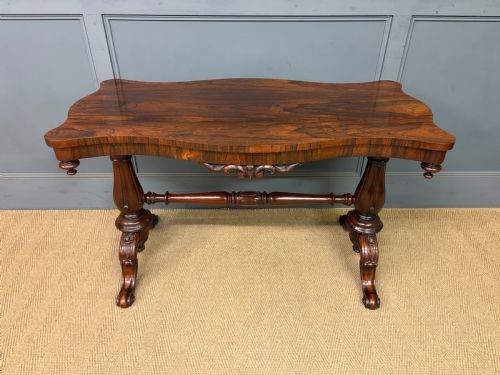
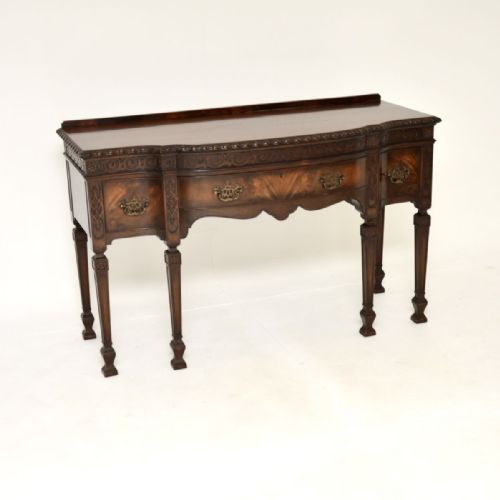
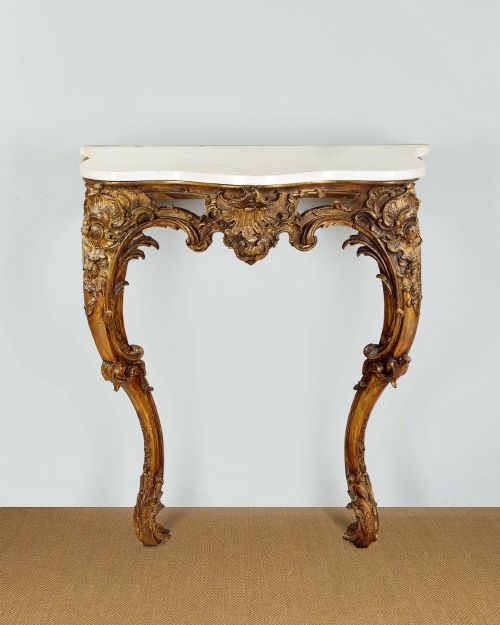
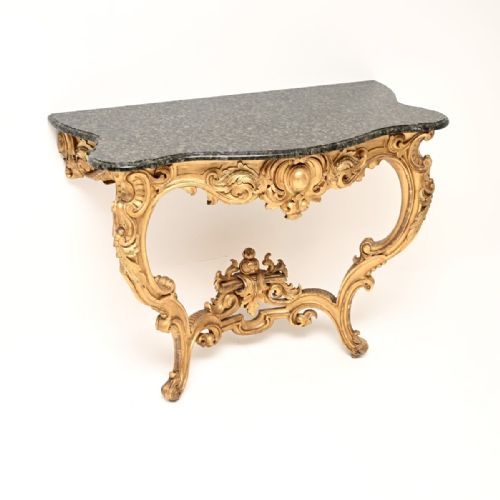
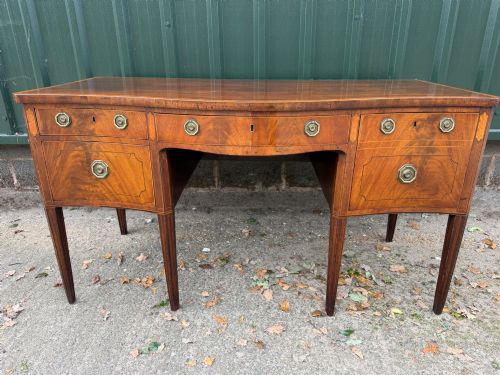
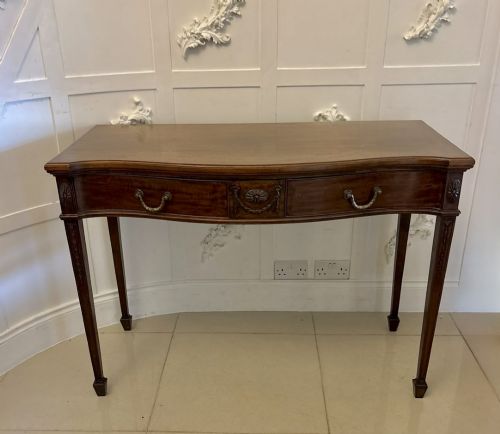
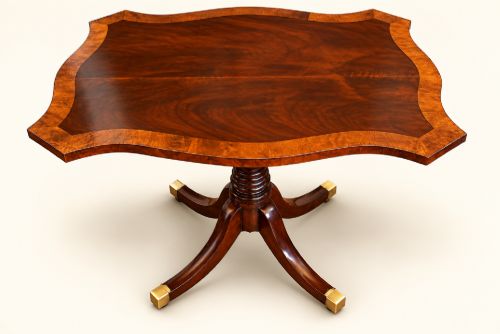
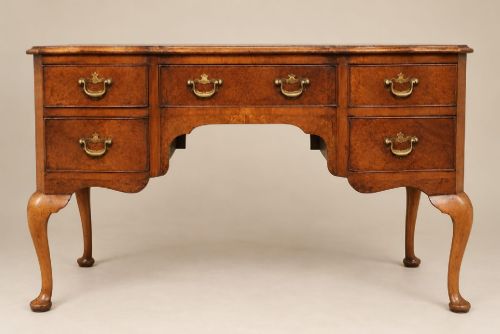
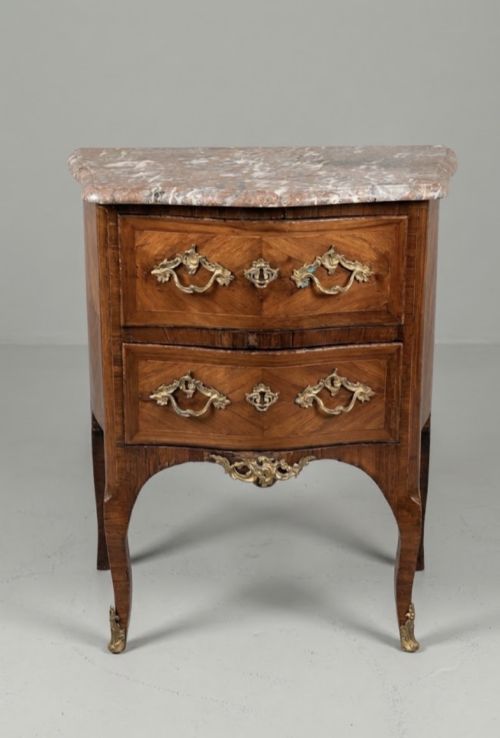
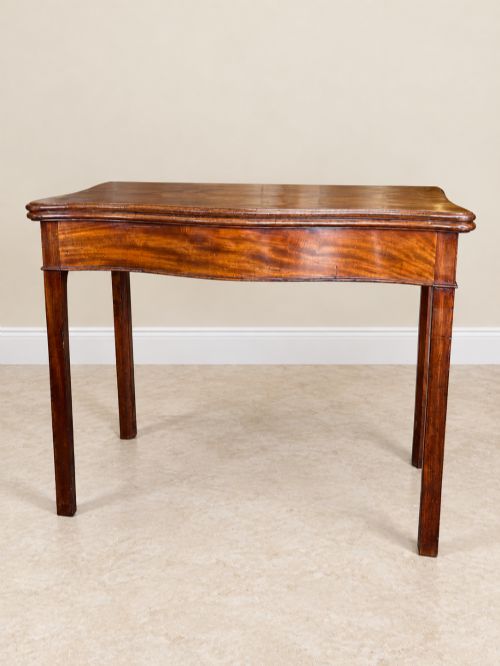
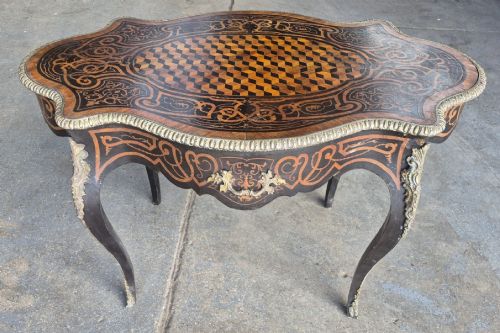
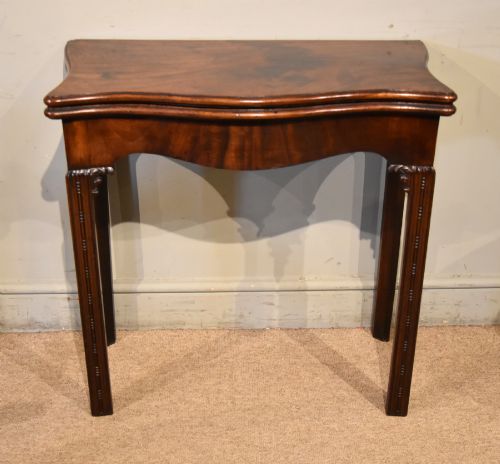
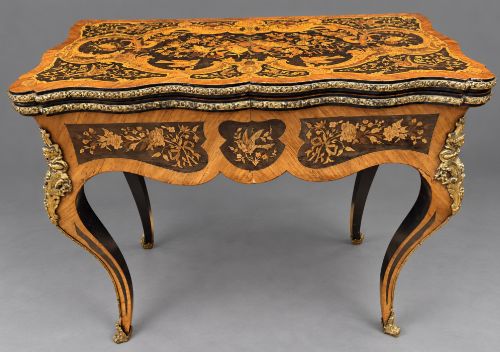
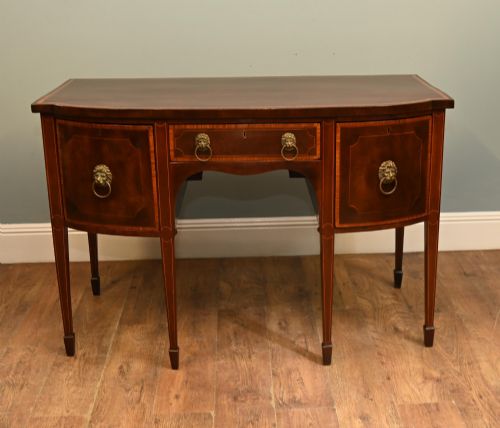
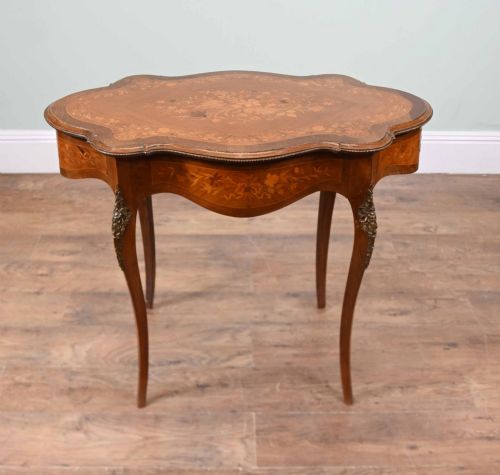
When you search for an antique serpentine table, you find pieces defined by their distinctively curved fronts, flowing inward and outward in a continuous wave. These forms appear across a range of domestic furniture, most frequently as writing tables, side tables, console tables, and tea tables. The selection spans several centuries and styles, taking in George III origins, Victorian and Edwardian iterations, and Louis XV revival pieces.
The materials and construction vary according to the period and region of manufacture. Mahogany and walnut dominate the inventory, accompanied by brass hardware and occasional leather inserts on writing surfaces. Simpler occasional and side tables sit alongside grander serving tables, card tables with fold-over tops, and étagères.
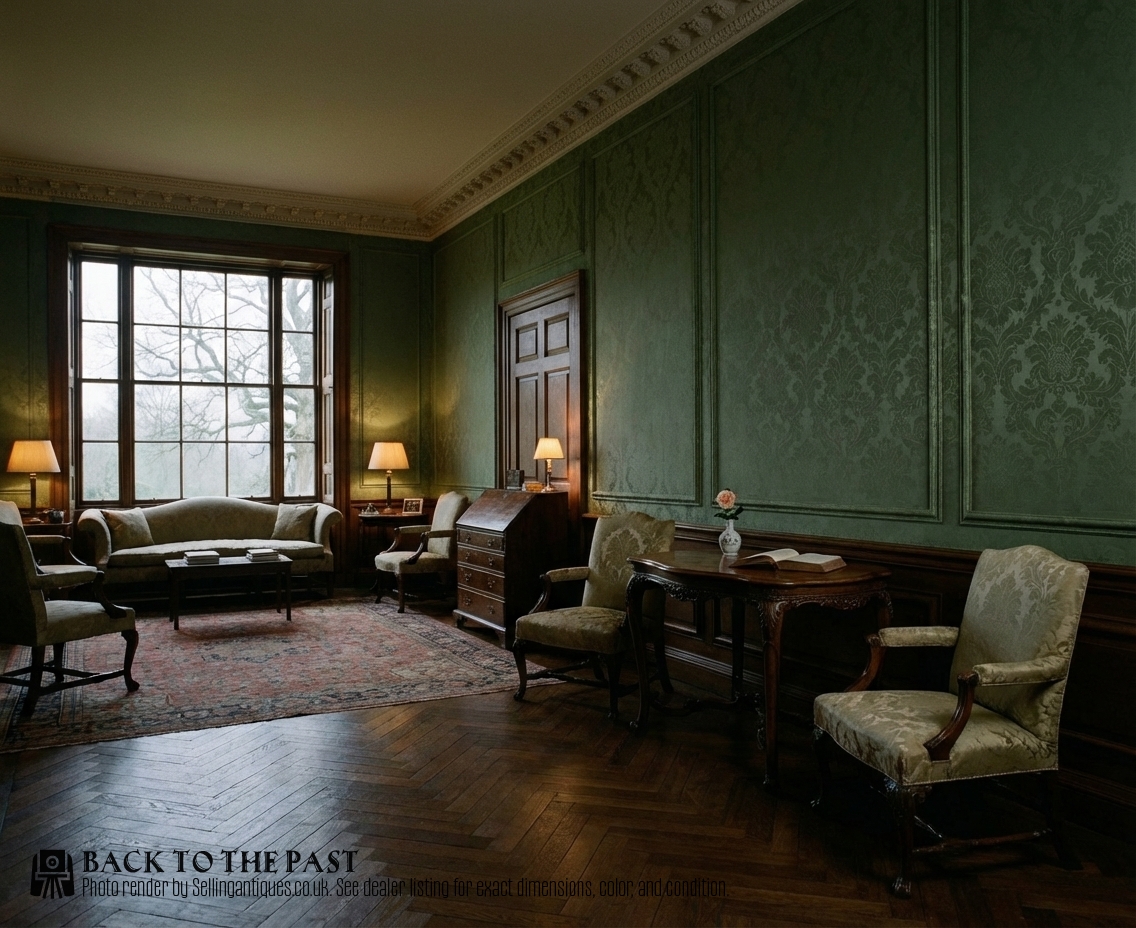
Materials and construction
Cabinetmakers constructed these pieces primarily using solid mahogany and walnut, frequently selecting figured burr walnut or rich mahogany veneers to accentuate the curving lines of the facade. Secondary woods support the internal framing of drawers and carcases, whilst brass provides handles, escutcheons, and occasional decorative mounts. Green baize lines the interiors of card and gaming tables.
Shaping the signature serpentine front required precise timber selection and advanced woodworking skill, as the wood had to be cut or steam-bent to follow the concave and convex contours without compromising structural integrity. Joinery techniques such as dovetailed drawer construction and mortise and tenon frames ensured the stability of these undulating surfaces over centuries of use.
Antique Serpentine Table Retail Price Guide 2026
Typical asking prices for serpentine table among the pieces listed under this phrase on Sellingantiques today, from the lower quarter to the upper quarter. They describe what is for sale here now, not the wider market.
Several tables include hidden drawers or clever fold-over mechanisms designed to conceal secrets from curious guests.
Distinctions in quality
The distinction between standard examples and the finest pieces lies in the choice of timber and the ambition of the carving. Superior tables utilise highly figured burr walnut or dense, richly grained mahogany, often enhanced by crisp neoclassical carving or delicate marquetry. The fluidity of the serpentine line itself dictates the level of craftsmanship, with top-tier pieces exhibiting harmonious proportions and seamless transitions along the curved facade.
Construction details further separate the categories. Master cabinetmakers ensured that drawers followed the complex curves precisely and that secondary timbers matched the quality of the primary show woods. Lesser examples might display stiffer lines, simpler secondary woods, or veneers selected with less regard for grain continuity across the undulating front.
The Antique Serpentine Table Glossary
- Serpentine
- A furniture front characterised by three curves, typically recessed in the centre and convex at the sides, creating a wave-like profile. This shape demands exceptional skill from the cabinetmaker to execute cleanly.
- Tea table
- A small occasional table designed to hold tea service equipment, often featuring a fold-over top or a raised edge. These pieces became essential domestic furniture during the eighteenth century.
- Console table
- A table designed to stand against a wall, frequently supported by brackets or legs rather than a full freestanding base. They often served decorative roles in formal reception rooms.
- Étagère
- A set of open shelves arranged in tiers for displaying small objects or books. They incorporate the characteristic curved serpentine outline in their framing.
- Boulle
- A form of marquetry using brass and tortoiseshell inlaid in intricate patterns, seen on French revival pieces. It adds a high-contrast metallic gleam to curved surfaces.
Antique Serpentine Table: Frequently Asked Questions
What is a serpentine table?
A serpentine table is a piece of furniture featuring a front edge curved in a distinct wave pattern, bending inward and outward.
Cabinetmakers applied this graceful silhouette to numerous forms including writing desks, side tables, and serving consoles.
How were they used?
These tables served various domestic purposes depending on their specific form, from writing letters to holding tea services.
Card tables provided surfaces for gaming with fold-over tops, whilst console and side tables displayed decorative objects in reception rooms.
How do I identify the period?
Period identification relies on observing the combination of timber, secondary woods, hardware, and prevailing design styles.
Georgian examples tend to feature solid mahogany and restrained carving, whereas Victorian and Edwardian pieces often showcase figured burr walnut and revival aesthetics.
Where should I place one?
A serpentine table works effectively against a hallway wall or as a focal point in a living room where its curves can be appreciated.
Smaller side and bedside variants fit easily into compact spaces while retaining a distinct architectural silhouette.