


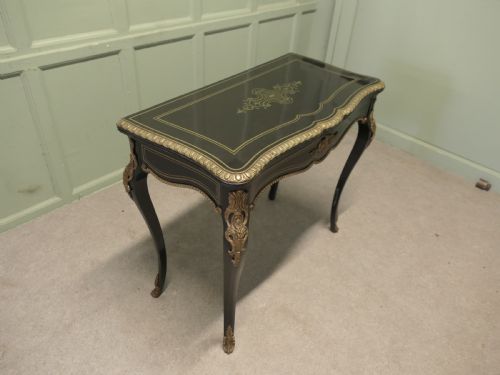
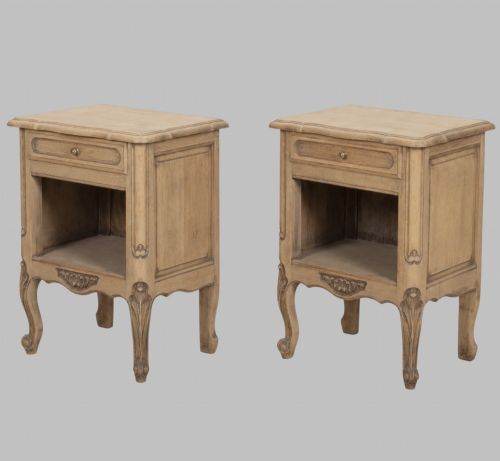
Rococo Style Side Table
A rococo style side table brings flowing asymmetric curves and decorative mounts into a room, offering both a functional surface and a piece of continental theatre.
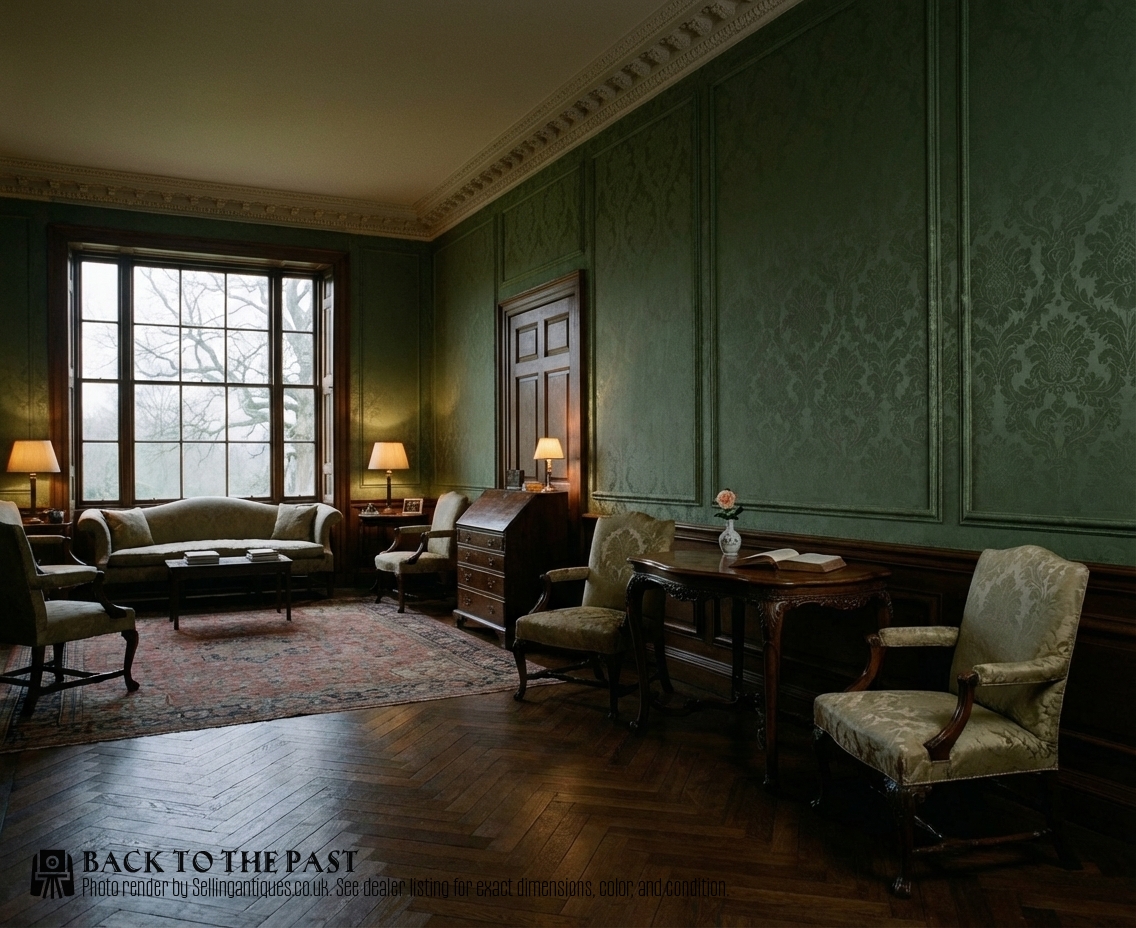
Rococo Style Side Table
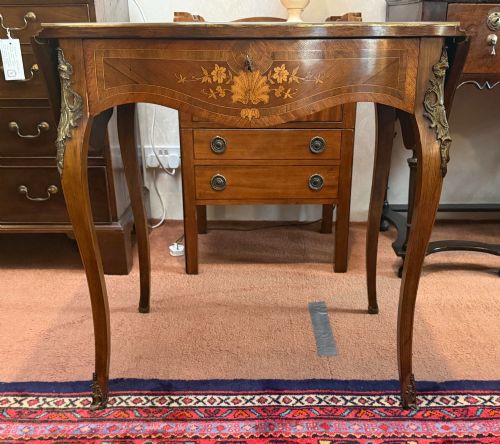
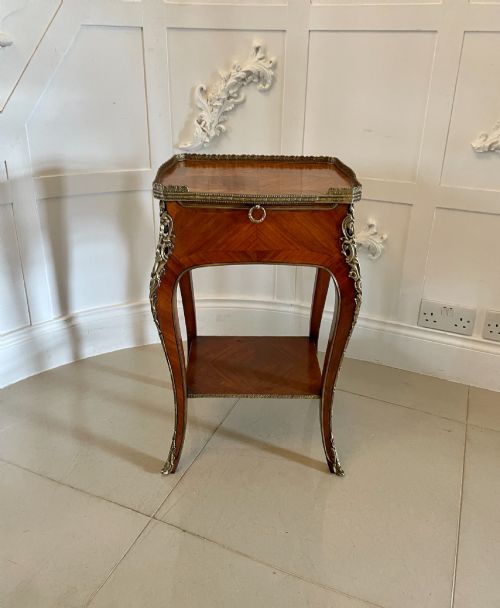
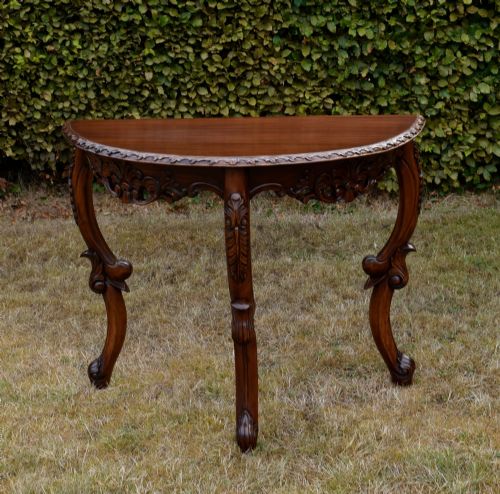
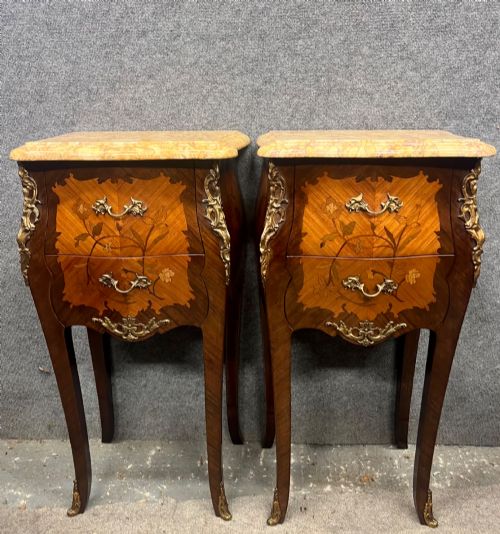
A rococo style side table encompasses console tables, occasional tables, centre tables, and bedside cabinets drawn from French and continental traditions. These pieces predominantly date from the nineteenth century through to the early decades of the twentieth century, reflecting revivals of Louis XV tastes.
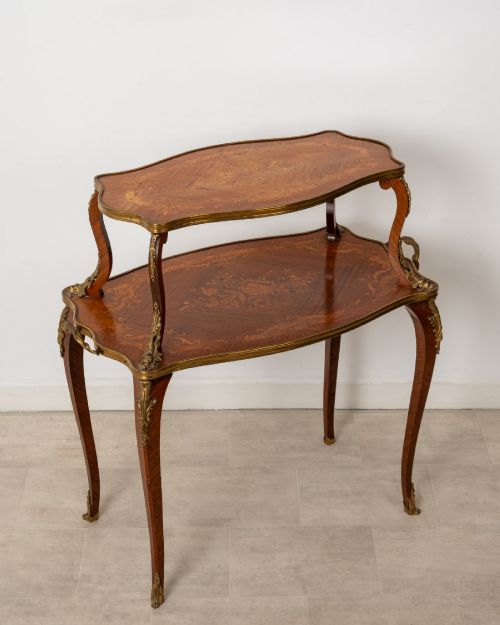
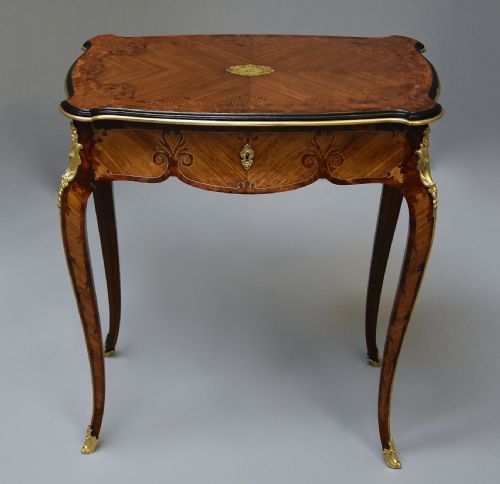
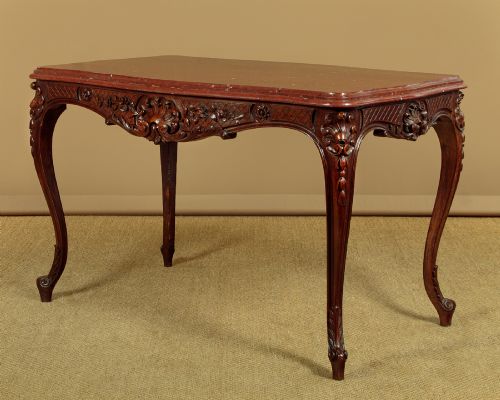
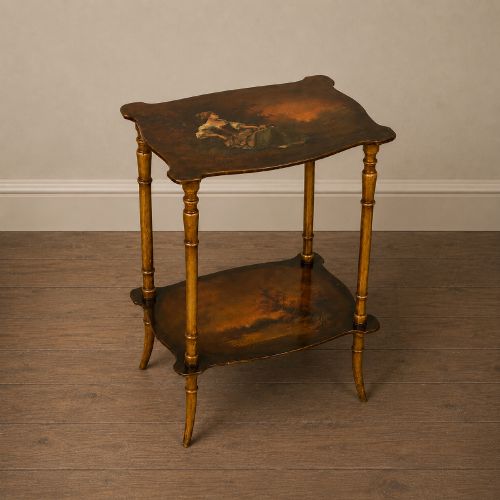
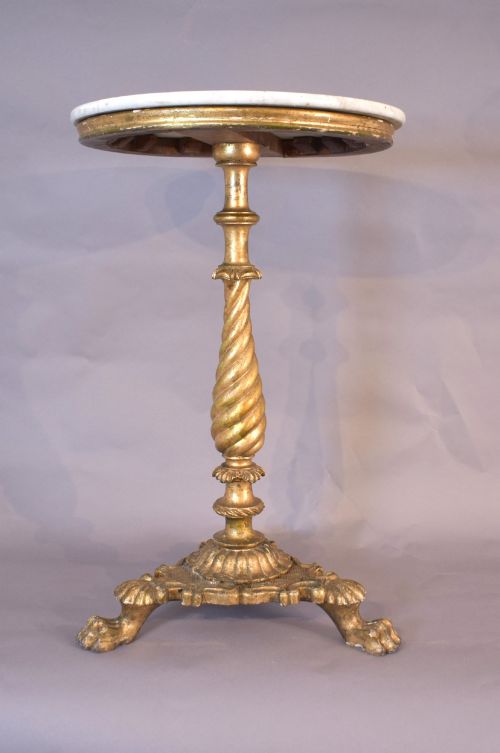
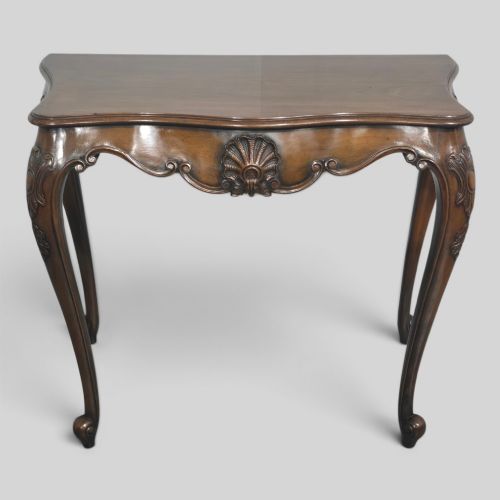
The buyer encounters varied configurations including two-tier étagères, marble-topped consoles, and freestanding tables designed for the centre of a room or tucked against a panelled wall. Many examples integrate serpentine forms, shaped aprons, and cabriole legs characteristic of the style.
The selection ranges from compact bedside chests to grand giltwood console tables paired with mirrors, showing how cabinet makers adapted eighteenth-century motifs for Victorian and Edwardian interiors.
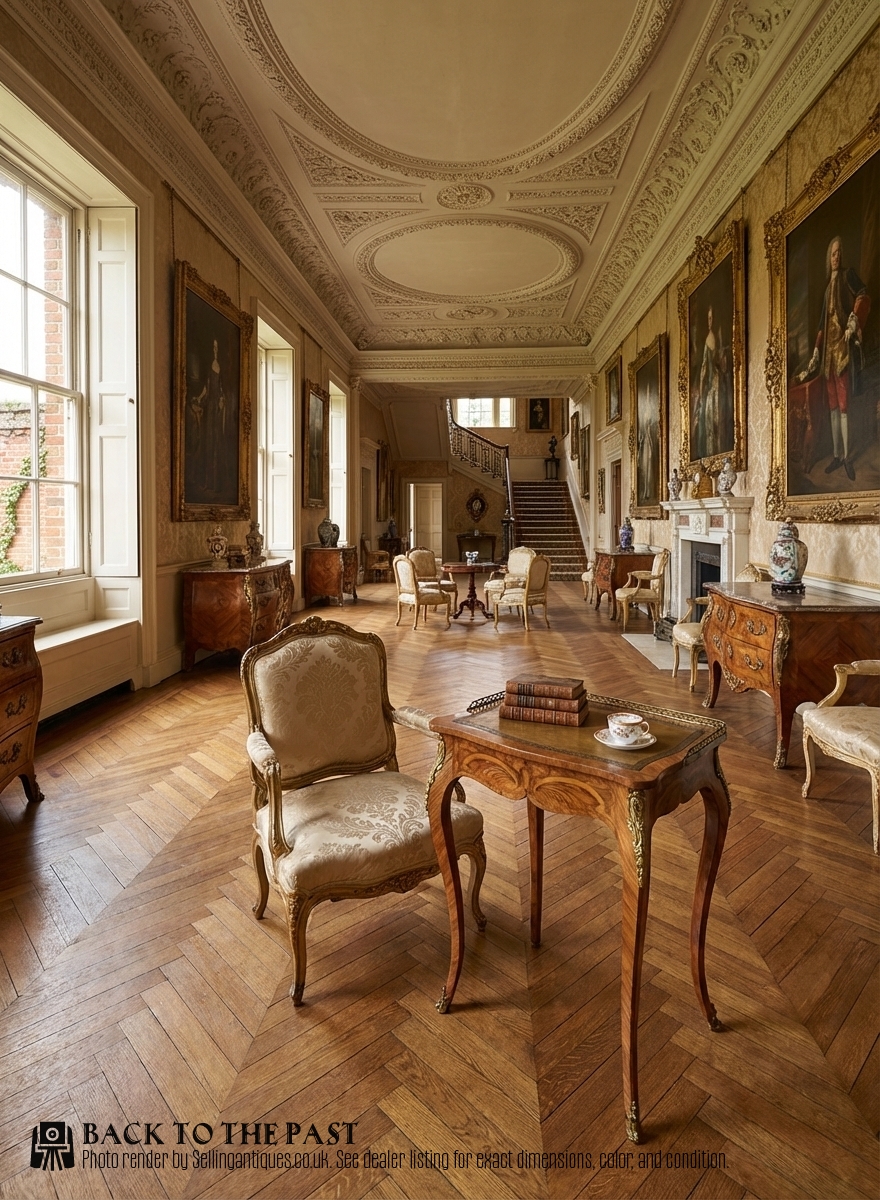
Materials and Technique
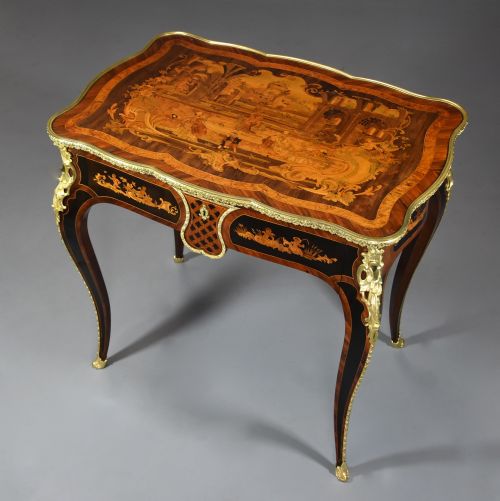
Construction relies heavily on timbers such as kingwood, walnut, and mahogany, frequently enhanced by intricate marquetry and inlaid satinwood or brass details. Carved giltwood and ebonised frames appear alongside pieces supported by chiseled or cast ormolu mounts.
Surface finishes include rouge marble tops, painted panels, and polished veneers that highlight the grain of the underlying wood. Cabinet makers utilised sophisticated mechanisms, drop-down desks, and multi-tier structures to combine utility with decorative complexity.
Rococo Style Side Table Retail Price Guide 2026
Typical asking prices for rococo style side table among the pieces listed under this phrase on Sellingantiques today, from the lower quarter to the upper quarter. They describe what is for sale here now, not the wider market.
Some tables hide secret mechanisms or drop-down writing surfaces, proving that nineteenth-century artisans enjoyed surprising their clients with clever engineering.
Assessing Craftsmanship
Quality rests upon the crispness of the wood carving, the precision of the marquetry, and the weight and chasing of the ormolu mounts. Finer examples display fluid, hand-carved details and seamless veneer work that follow the complex curves of the frame without distortion.
The integrity of the internal construction, the quality of the marble slabs, and the presence of signature plaques or attribution marks separate standard production pieces from workshop creations.
François Linke·L.Martin of Paris·Edwards & Roberts·Maison Millet
The Rococo Style Side Table Glossary
- Ormolu
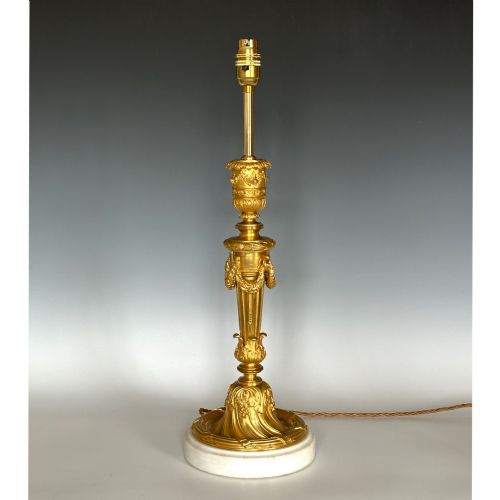
- Gilt bronze mounts cast and chased by hand to adorn furniture corners, aprons, and legs. This technique provides a metallic contrast to dark kingwood and walnut surfaces.
- Marquetry
- Decorative veneer work forming intricate pictorial patterns using various coloured woods. Craftsmen assemble these geometric or floral designs by hand before applying them to the table carcase.
- Étagère
- An open tiered stand designed for display or holding small objects. These pieces often feature two or three levels supported by slender uprights.
- Cabriole leg
- A furniture leg that curves outward at the knee and tapers inward toward the foot, mimicking animal limbs. It forms a defining structural element of rococo design.
- Console table
- A wall-mounted or freestanding table designed to stand against a vertical surface, frequently topped with marble. They often coordinate with matching wall mirrors.
Rococo Style Side Table: Frequently Asked Questions
Where do I put a rococo style side table?
These tables fit easily into hallways as console surfaces, beside a sofa as an occasional table, or against a bedroom wall.
Freestanding centre tables require open floor space to allow views from every angle.
How do I clean marble top tables?
Wipe the stone surface using a soft cloth dampened with warm water and mild neutral soap. Avoid acidic cleaners that etch polished marble.
Dry the stone thoroughly after washing to prevent water marks.
Are these tables genuinely old?
The listings on this page originate primarily from the nineteenth and early twentieth centuries. These periods saw major revivals of eighteenth-century French cabinet making.
Construction methods, timber types, and wear patterns help confirm the period of each piece.
How do I care for ormolu mounts?
Dust the gilt bronze gently with a dry microfibre cloth to prevent dirt accumulation. Avoid metal polishes which can strip the original fire gilding.
Keeping the room humidity stable protects both the metal and the underlying timber.