


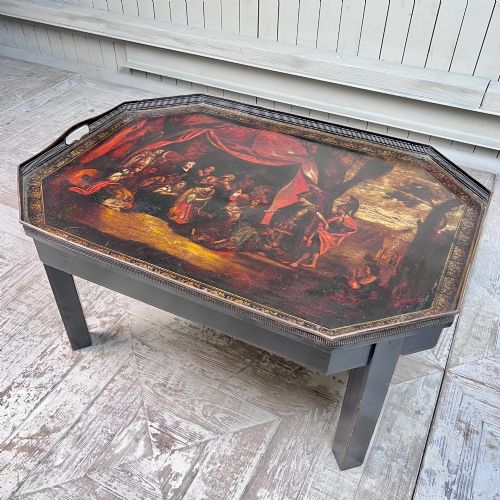
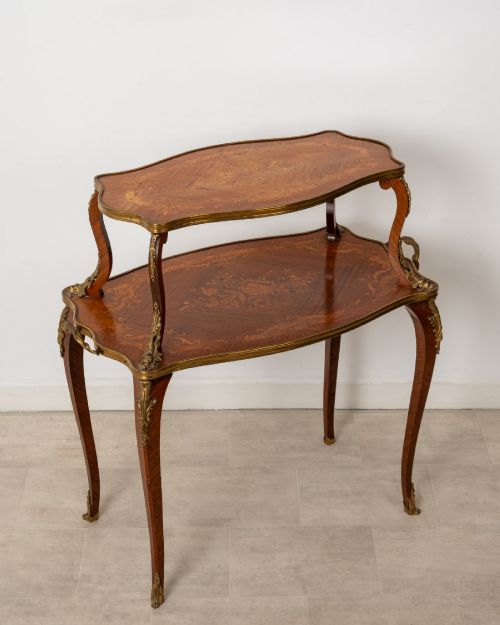
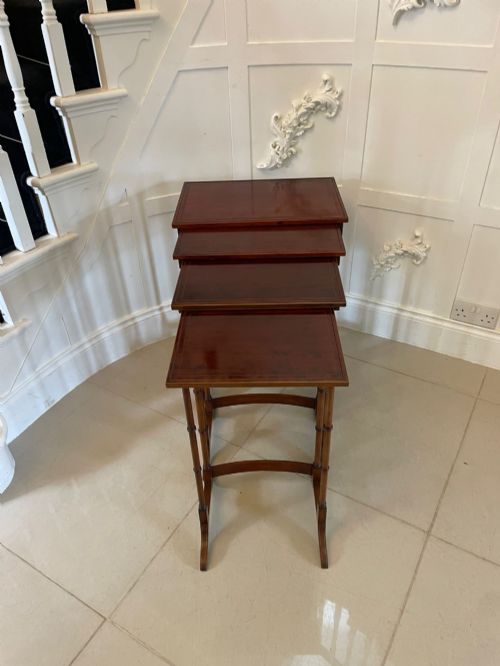
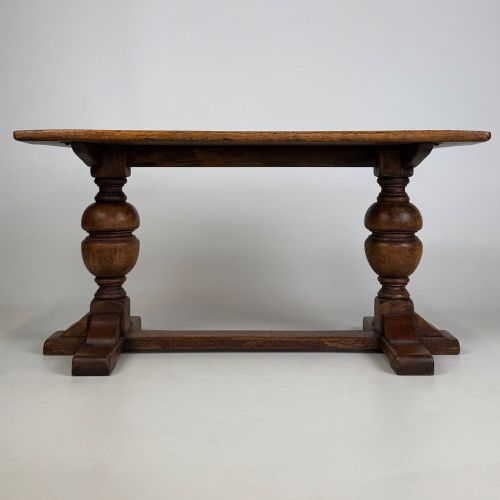
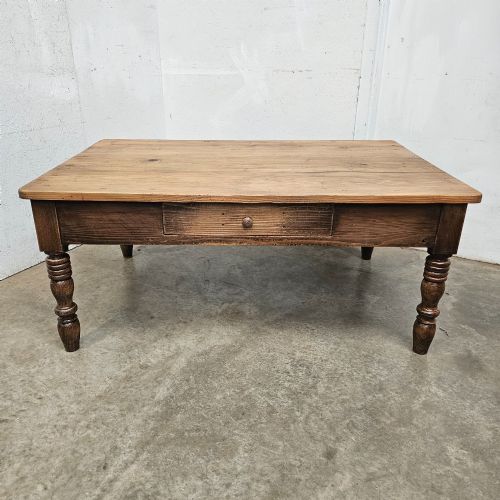
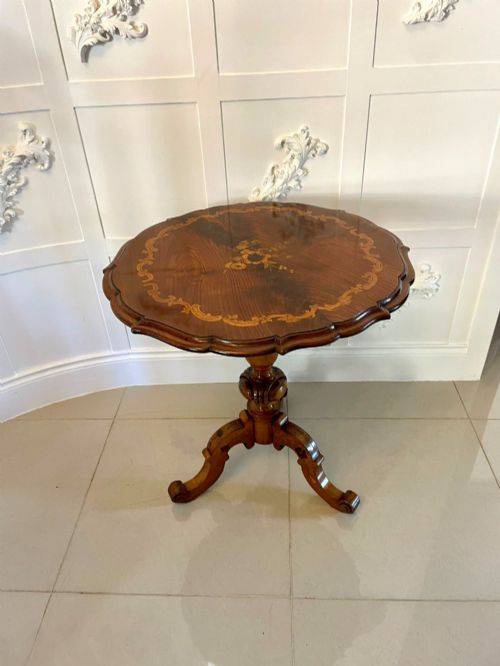
Vintage Tea Table
These vintage tea table pieces bring character and practical surface space to a room, spanning Edwardian elegance through to Art Deco utility.
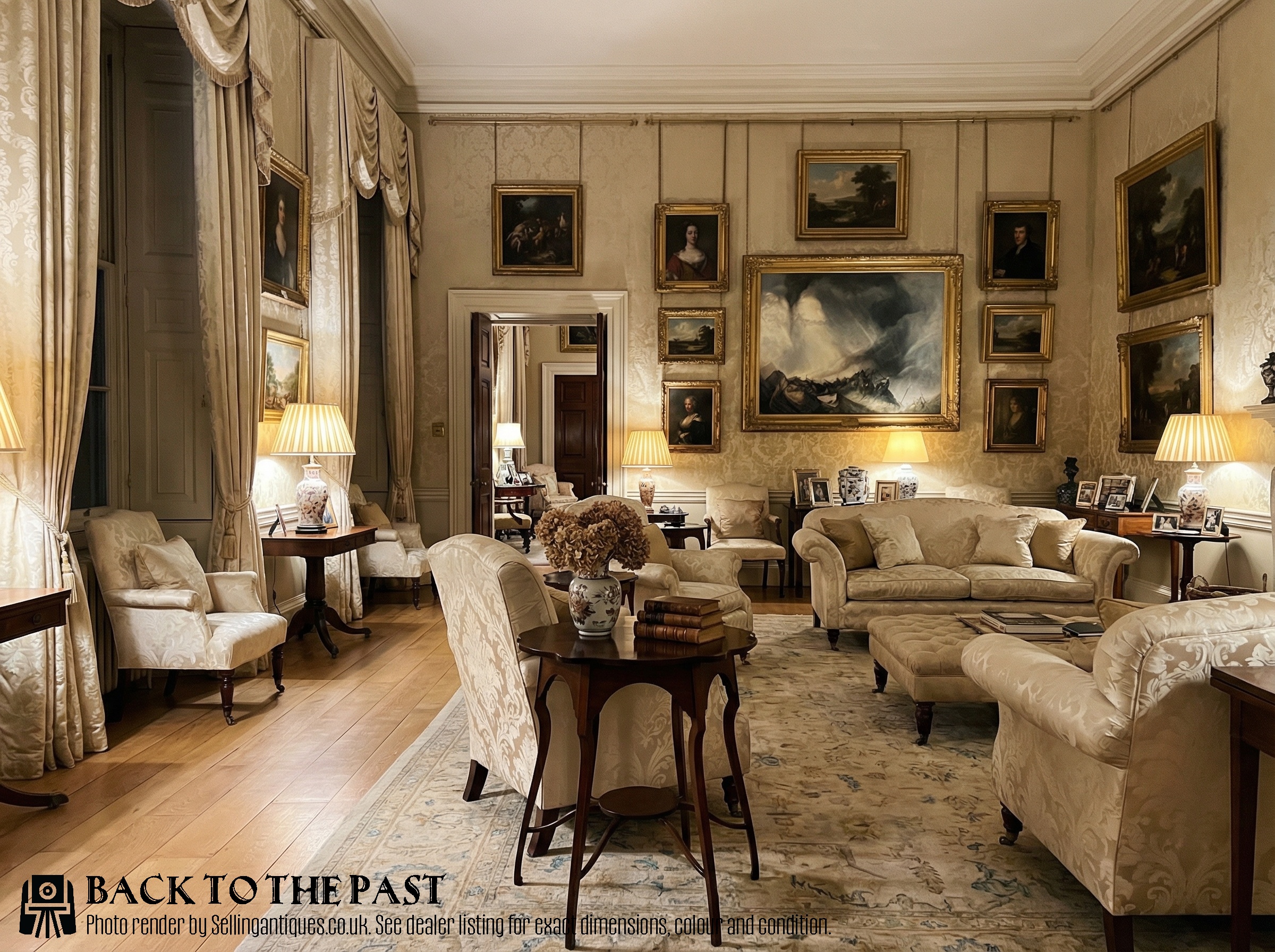
What these pieces are
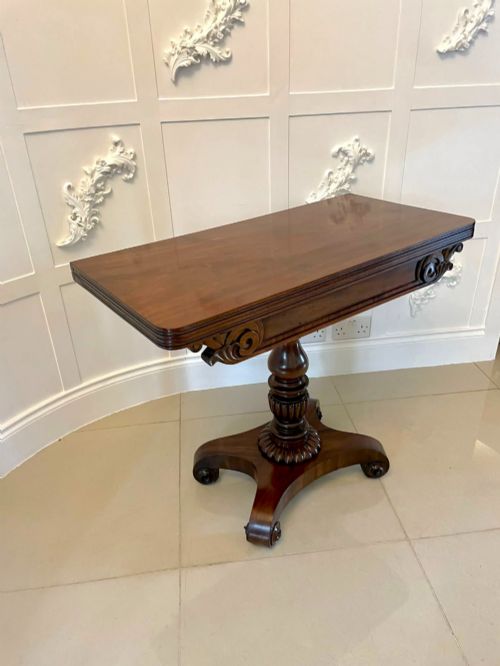
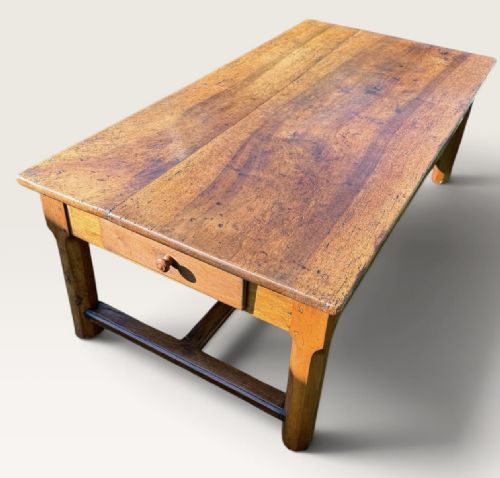
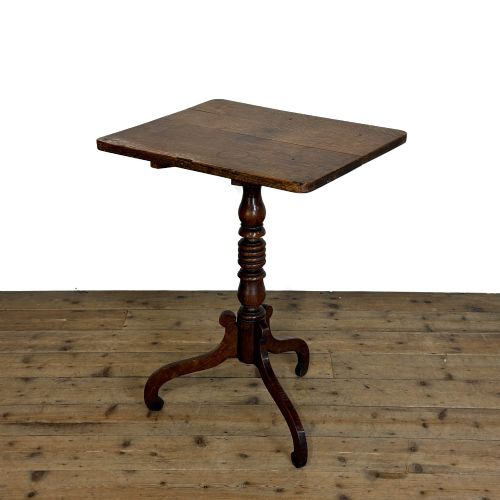
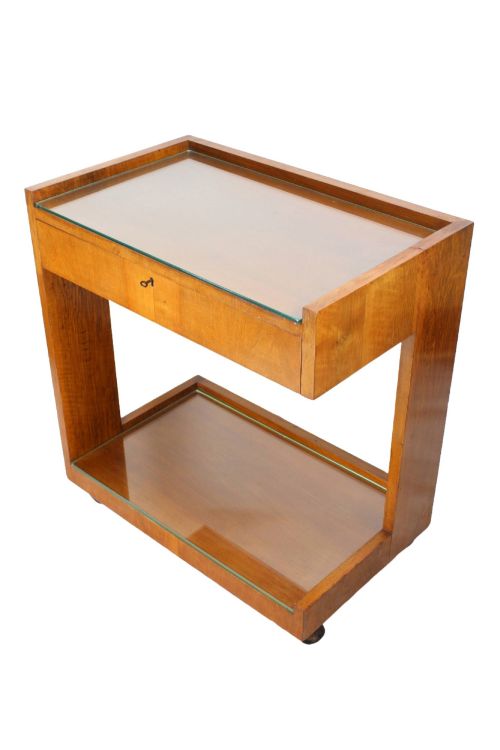
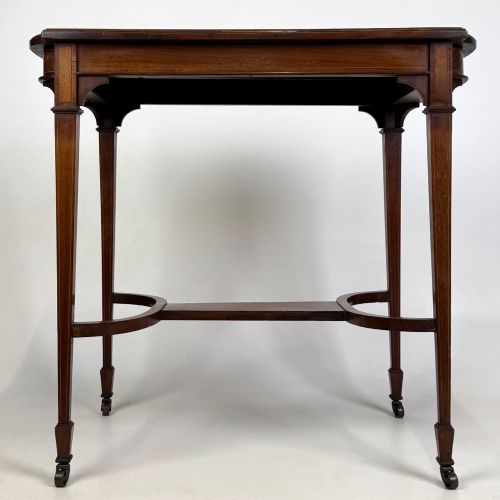
A vintage tea table covers an array of occasional surfaces, folding garden pieces, and low coffee variants designed for serving or display. You are likely to encounter Edwardian occasional designs alongside walnut forms and folding tables.
The material palette ranges from rich mahogany and figured walnut to oak and brass mounts. These tables appear in styles that stretch from Queen Anne revival and Georgian influences to Arts and Crafts and Art Deco.
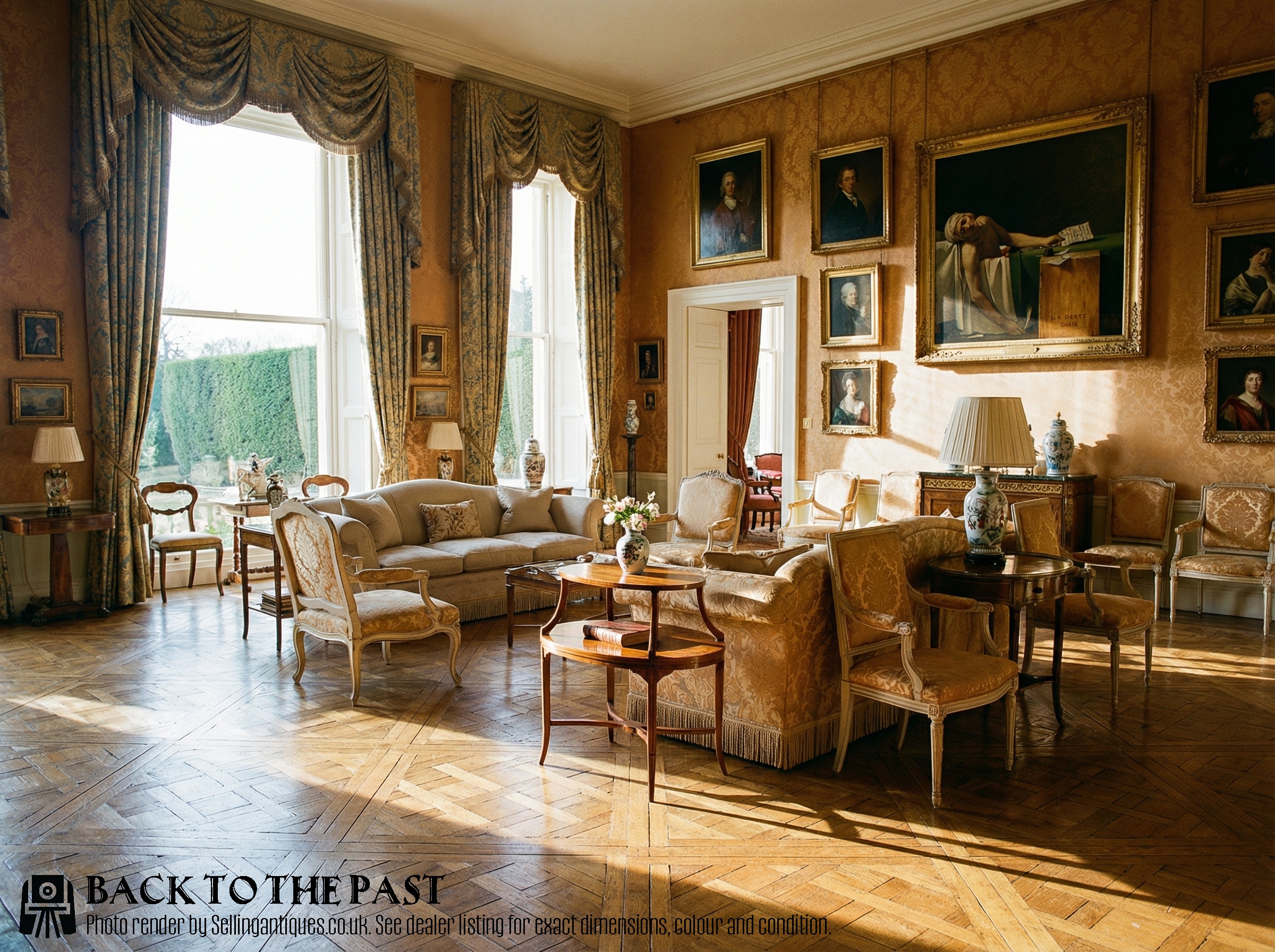
How they were made
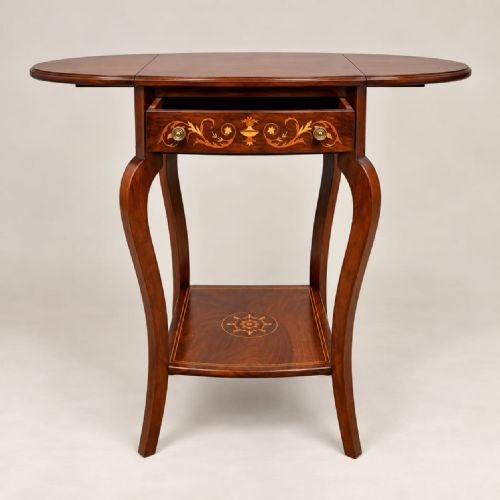
Cabinetmakers utilised solid timbers and veneered panels, selecting mahogany, oak, and burr walnut for their rich grain patterns. Inlaid decoration and brass mounts added decorative detail to occasional tables and games surfaces.
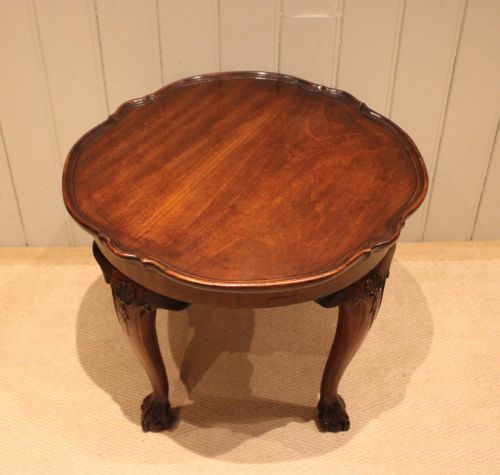
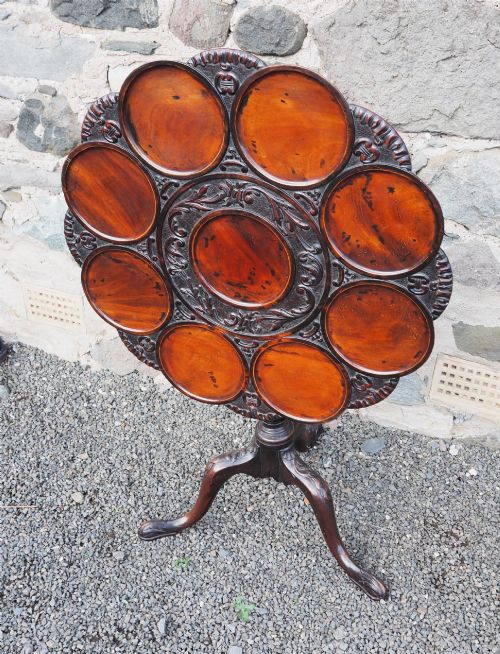
Construction methods varied from folding mechanisms on coaching tables to tiered occasional furniture and carved teak forms. Carpenters shaped pie crust edges and shaped walnut tops using traditional joinery.
Retail Price Guide 2026
Typical UK retail prices for vintage tea table, calculated from the Sellingantiques database of over a million retail prices indexed since 2003. This retail price guide relies exclusively on Sellingantiques data; no external sources or auction records are used, so the figures do not describe the wider market.
Soap boxes occasionally moonlight as tea tables when history demands an inventive room layout.
What varies in quality
The distinction between standard examples and superior pieces rests on timber selection and grain alignment. Figured and burr walnut veneers demonstrate thoughtful planning by the maker.
Refined craftsmanship shows in the crispness of carved details, such as pie crust borders, and the precision of brass mountings on fold-over games tables. Subtle inlay work and balanced proportions elevate an occasional table.
The Vintage Tea Table Glossary
- Occasional table
- A small, movable table designed for a specific, intermittent use rather than a central dining function. These versatile pieces suit corners and beside seating.
- Pie crust edge
- A raised, carved tabletop edge resembling the crimped crust of a pastry pie. This decorative flourish is typical on finer wine and occasional tables.
- Figured walnut
- Timber cut to highlight decorative patterns within the wood grain, such as swirls or waves. Cabinetmakers prized this for tabletops.
- Double fold over
- A hinged top mechanism that opens out to reveal a larger surface for games or supper. Brass hinges and mounts often secure these folding leaves.
Frequently Asked Questions
How are these tables used today?
These tables function as practical low coffee surfaces, bedside stands, or display spaces for lamps and books in modern rooms.
Folding and games variations offer adaptable surfaces that easily stow away or expand when guests visit.
What periods do these pieces date from?
The pieces span the late nineteenth century through the Edwardian era and into the nineteen thirties.
Art Deco and Edwardian examples sit alongside earlier nineteenth-century shaped walnut occasional tables.
Which woods appear most frequently?
Mahogany, oak, and walnut dominate the selection, with specific variants like burr walnut and figured walnut appearing on tabletop surfaces.
Brass hardware and occasional teak details also feature across the diverse styles.
How do revival styles influence the designs?
Revival aesthetics draw on earlier Queen Anne, Georgian, and Louis XV traditions, reinterpreting classic silhouettes for later homes.
Arts and Crafts and Art Deco pieces offer alternative geometric lines and simpler forms.