


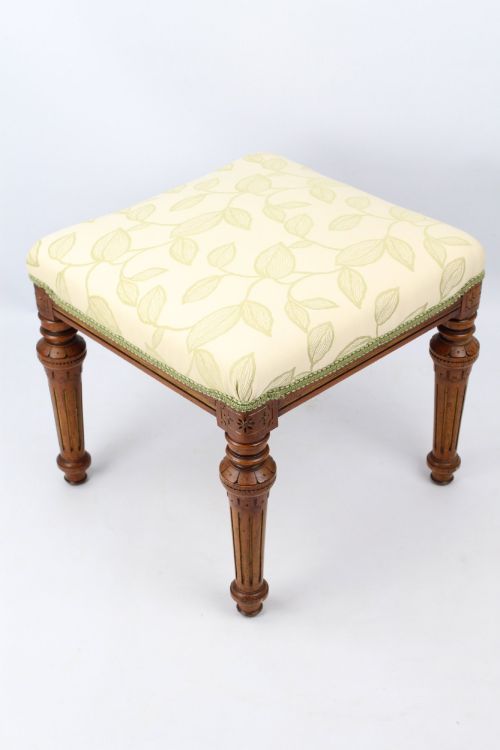
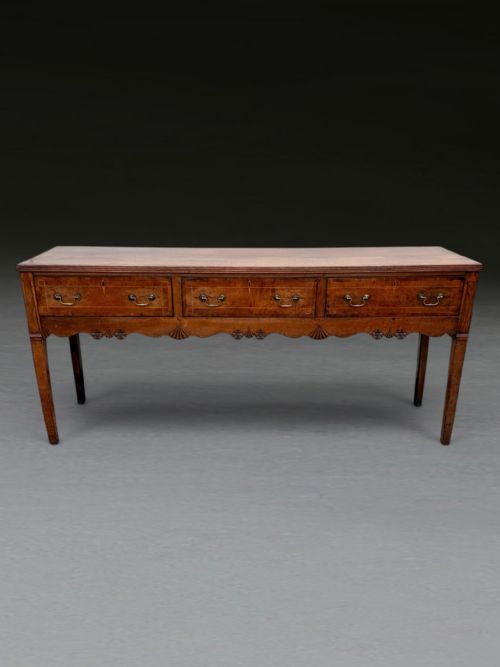
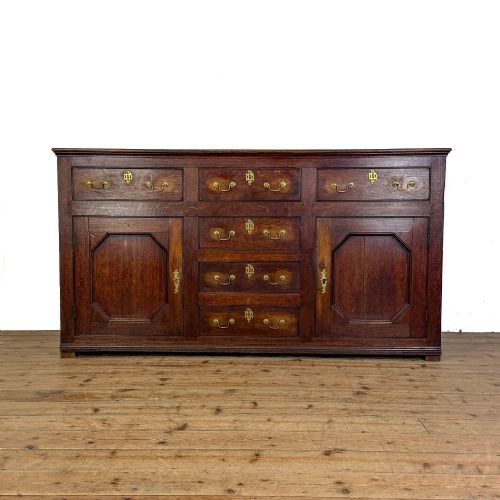
Carved Oak Low Table
A carved oak low table brings substantial timber and historic craftsmanship directly into a modern room.
Carved Oak Low Table
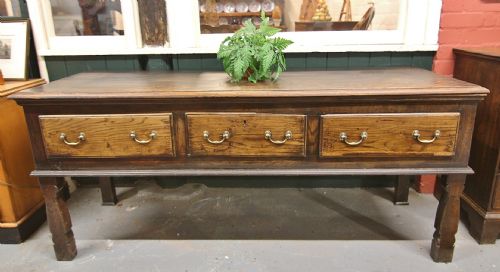
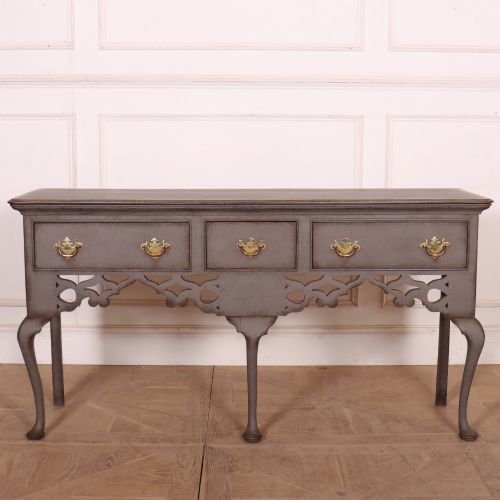
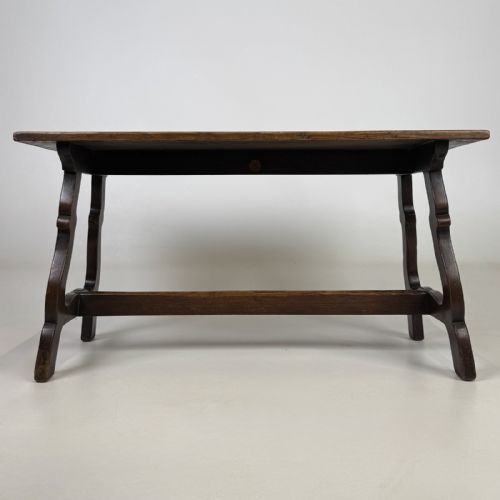
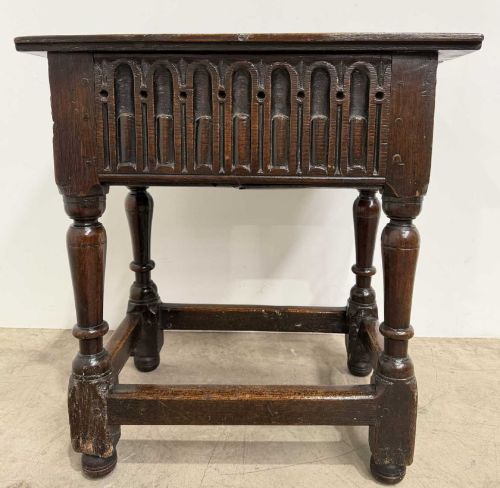
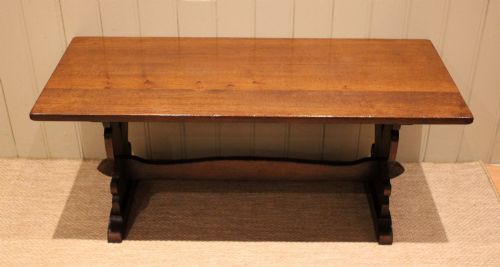
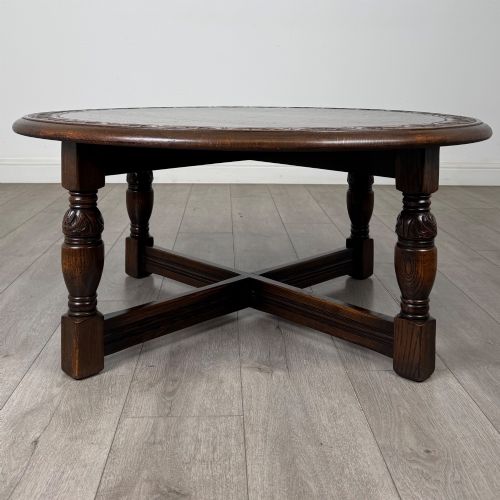
When you search for a carved oak low table, you encounter diverse forms created from heavy timber over several centuries. The selection spans low coffee tables, side tables, lowboys, and joint stools adapted for low placement.
The examples originate from English, French, and Dutch workshops, with 19th-century interpretations and Edwardian pieces appearing alongside earlier 17th and 18th-century forms. These sturdy wooden surfaces serve functional roles in contemporary reception spaces while retaining historic character.
How they were made
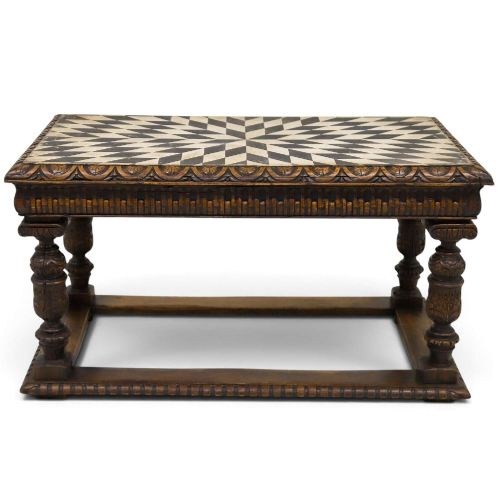
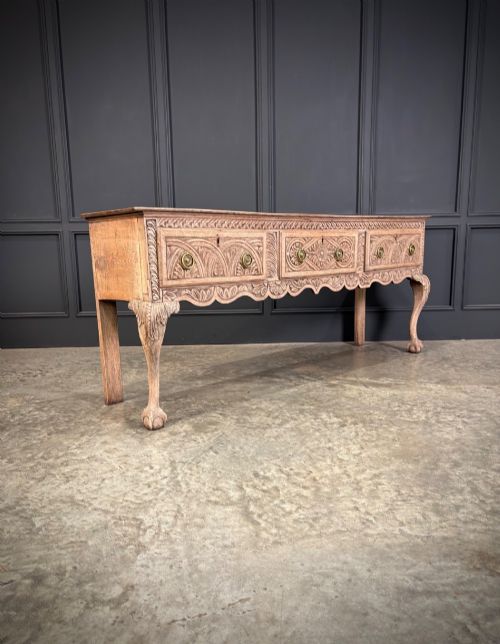
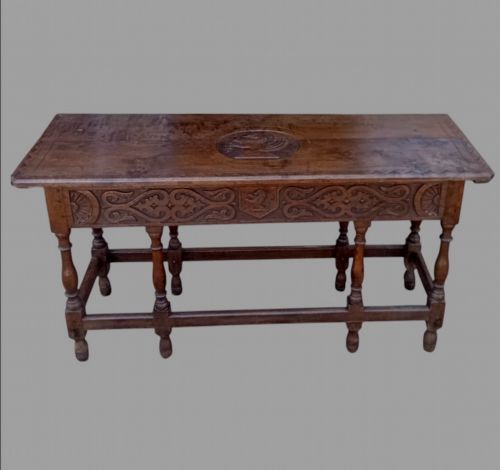
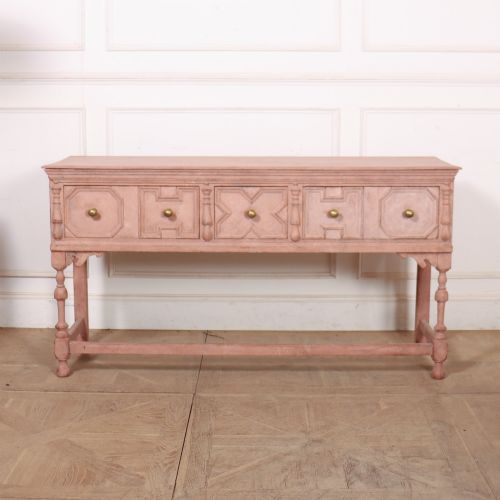
Cabinet makers utilised solid timber, primarily oak supplemented by brass and iron hardware, employing traditional jointing methods to ensure structural stability. Surfaces frequently exhibit hand-carved detailing, geometric mouldings, and occasional inlay work.
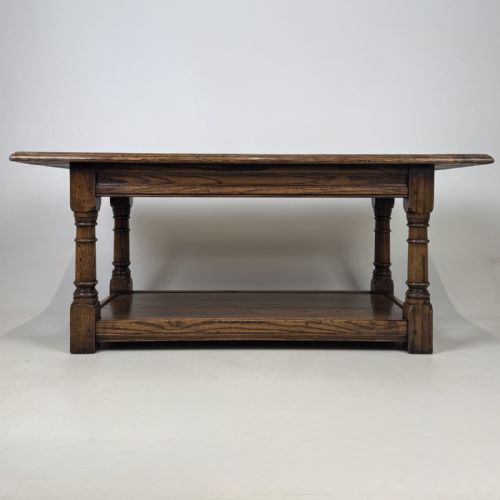
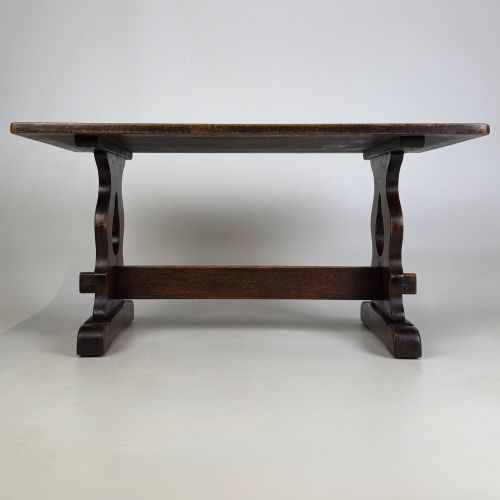
Construction techniques range from pegged joints on early pieces to simpler turned legs on later Edwardian and 1920s examples. The natural grain of the wood remains visible, often finished with wax or polish to protect the timber.
Carved Oak Low Table Retail Price Guide 2026
Typical asking prices for carved oak low table among the pieces listed under this phrase on Sellingantiques today, from the lower quarter to the upper quarter. They describe what is for sale here now, not the wider market.
At least one Victorian low table incorporates a carved green man motif guarding the drawers.
What varies in quality
The standard of a carved oak low table depends heavily on the crispness of the hand-carving and the integrity of the original timber. Superior examples display deep, deliberate chisel work rather than shallow machine routing.
Proportion and structural honesty also dictate quality, separating purpose-built historic low furniture from later adaptations or altered pieces. The weight and selection of the oak timber itself signal the maker's original intent.
Liberty and Co
The Carved Oak Low Table Glossary
- Lowboy
- A small oak table with drawers, typically standing on four legs, originating in the 18th century as a dressing or side table.
- Joint stool
- A sturdy wooden stool constructed with mortise and tenon joints, frequently utilised historically as a seat or a low surface.
- Dresser base
- The lower section of a kitchen or dining dresser, featuring cupboards and drawers suitable for conversion to low storage or table use.
- Refractory
- A long, narrow table style associated with monastic dining halls, adapted in later periods into compact low formats.
- Block front
- A cabinet-making technique featuring a vertically recessed central panel flanked by convex projections, seen on period drawer fronts.
Carved Oak Low Table: Frequently Asked Questions
What is a lowboy table?
A lowboy is a small, low table equipped with one or more rows of drawers beneath the top surface. Historically used for grooming or serving, they now function well as compact side tables.
These pieces typically feature turned legs and substantial overhangs, making them distinct from standard coffee tables through their enclosed drawer storage.
How do I care for antique oak?
Antique oak requires minimal intervention, benefiting primarily from occasional applications of natural beeswax to nourish the dry timber. Avoid placing these tables near direct heat sources to prevent the wood from splitting.
Regular dusting with a soft cloth preserves the surface patina without stripping the historic finish built up over decades or centuries.
Are joint stools sturdy enough for daily use?
Joint stools are exceptionally robust structures built with pegged mortise and tenon joints designed to withstand heavy domestic weight. Their solid oak construction makes them durable seats or low side surfaces.
Over the centuries, the timber seasons fully, resulting in stable frames that handle everyday household demands with ease.
How do I identify a 17th-century oak table?
Seventeenth-century pieces display characteristic hand-cut peg joints, heavy oak planks with distinct grain patterns, and often geometric mouldings on drawer fronts. The colour tends to be a deep, warm brown developed through age.
Constructed without modern mechanical fasteners, these tables show the tool marks and slight irregularities typical of early hand woodworking.