

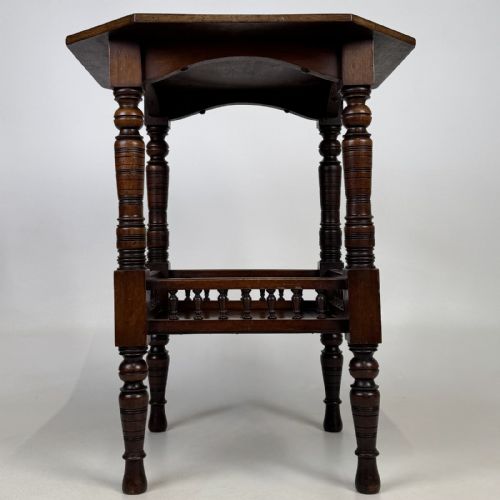
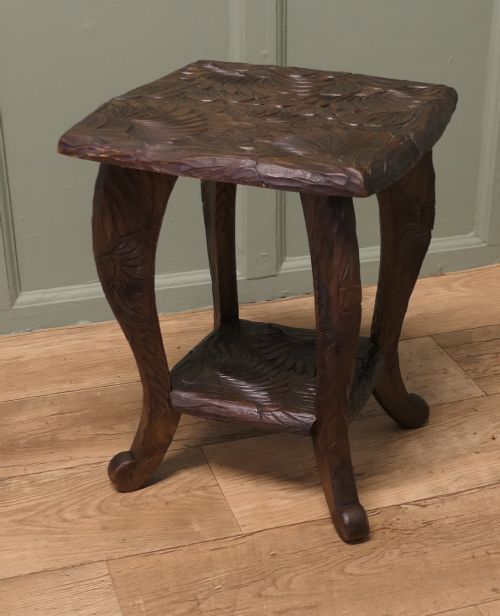
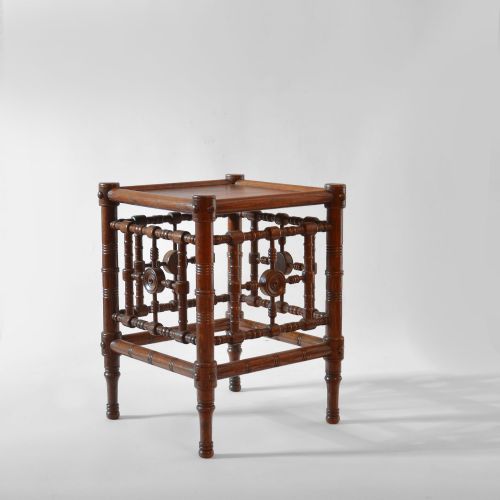
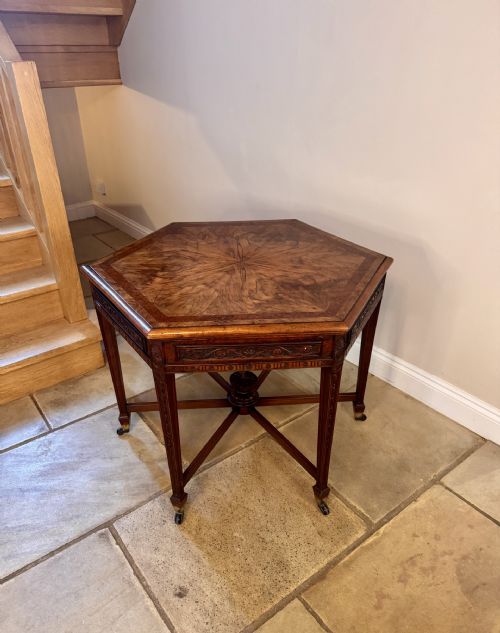
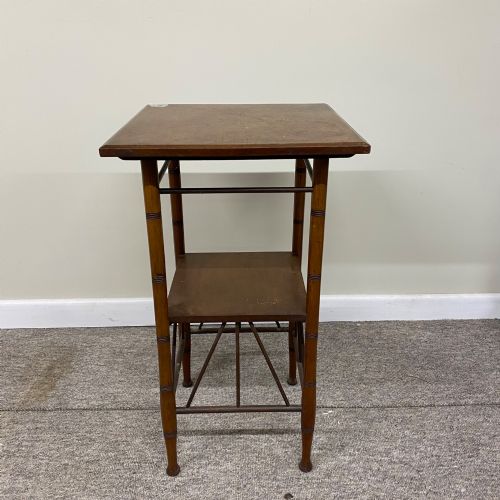
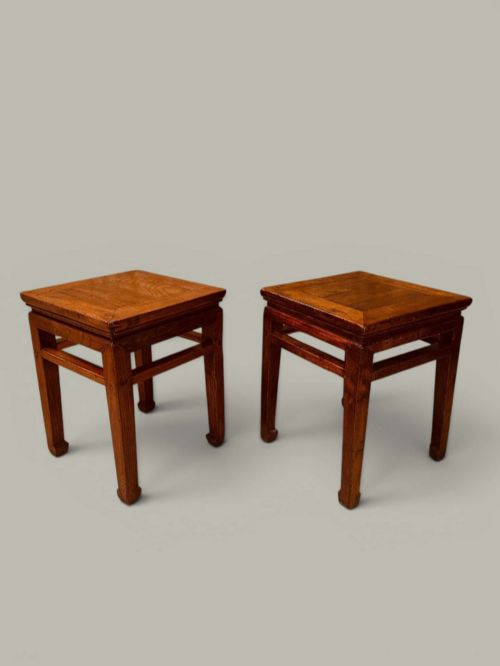
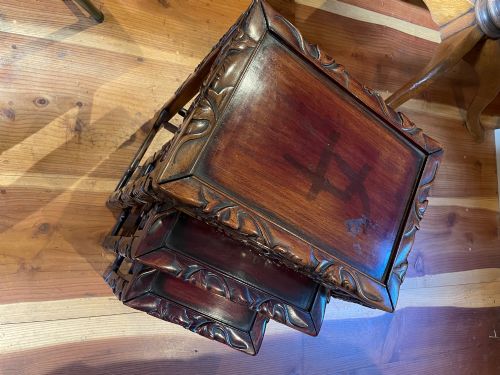
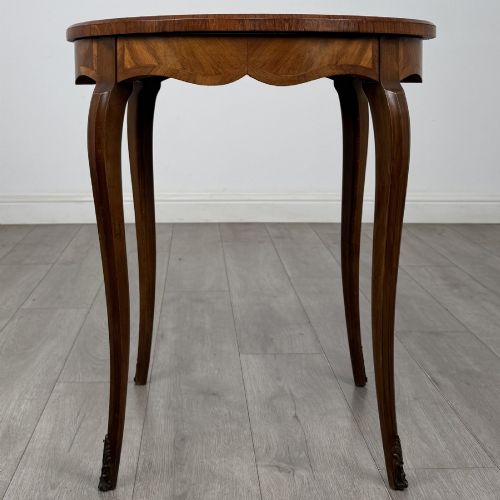

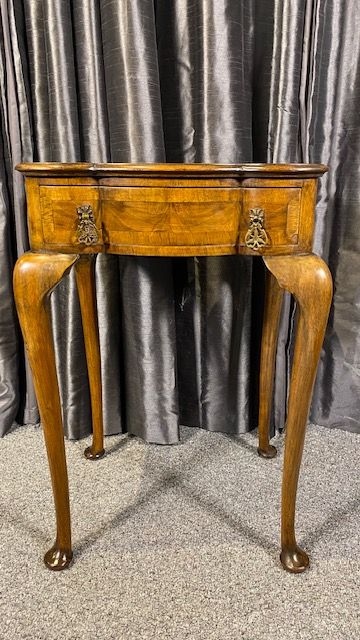
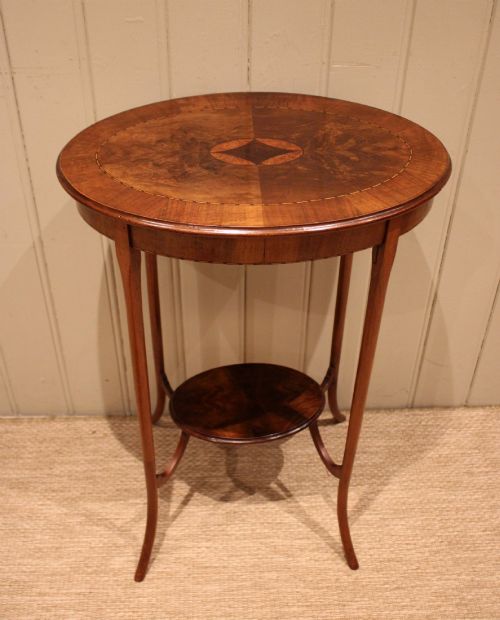
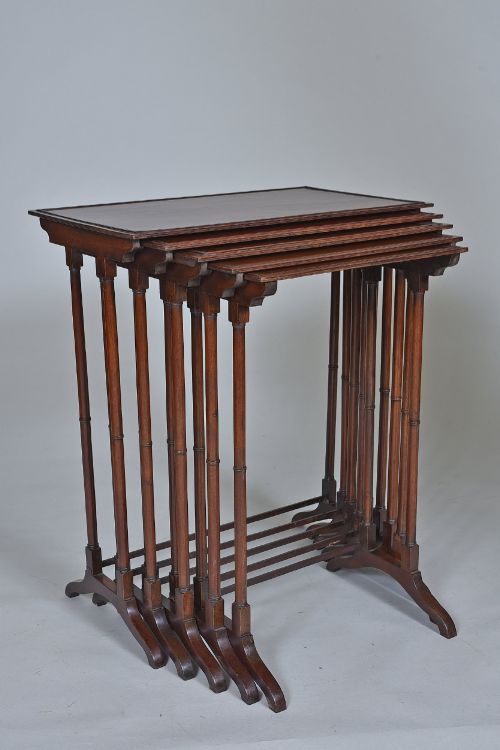
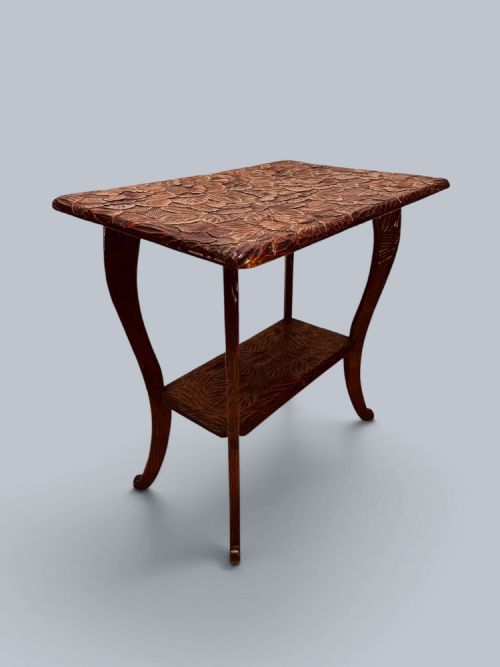
Brown Wood Accent Table
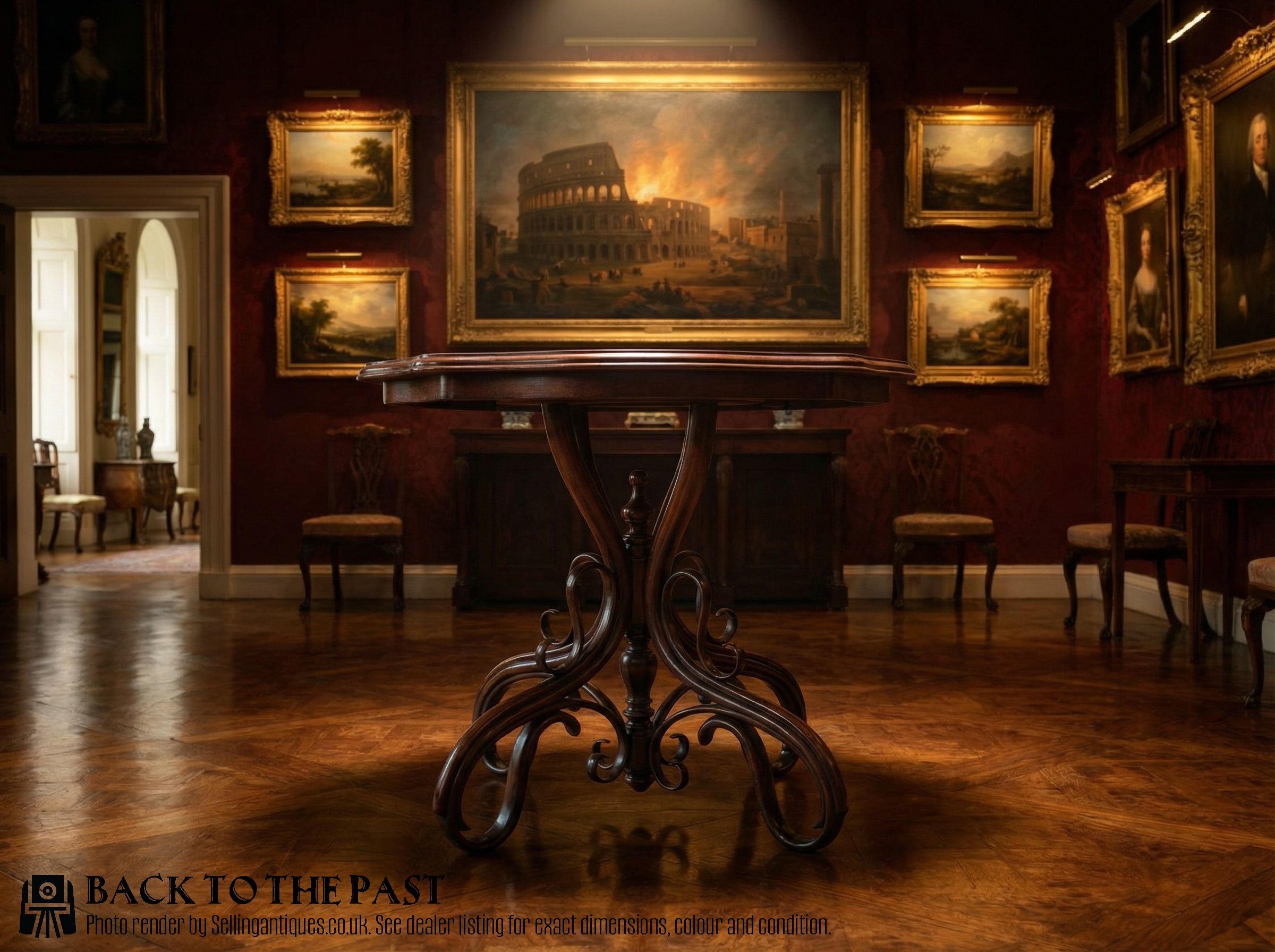
A brown wood accent table brings practical surface space and traditional timber character to a room.
Brown Wood Accent Table
When you search for a brown wood accent table, you encounter a varied selection of compact occasional pieces designed for flexible placement around a home. These items span multiple centuries, originating from periods such as the seventeenth, eighteenth, nineteenth, and early twentieth centuries.
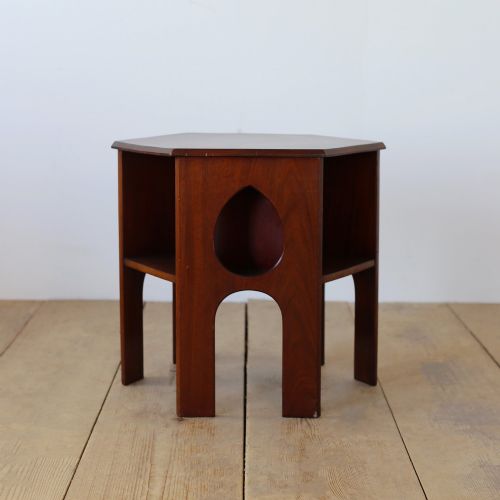
The assortment on this page relies heavily on utilitarian and living room forms rather than grand dining furniture. Side tables, occasional tables, pembroke tables, and nest of tables appear most frequently alongside specialised items like cricket tables and lowboys.
Originating across British, European, and wider global workshops, these tables demonstrate how smaller timber furnishings adapted to changing domestic requirements over hundreds of years. Oak, mahogany, and walnut dominate the selection, reflecting the preferred hardwoods of past generations.
Materials and construction
Cabinet makers utilised a range of domestic and imported timbers, employing solid planks of oak, elm, and fruitwood alongside finely figured veneers of mahogany and walnut. Construction methods range from pegged joints on early cricket tables to delicate inlay and marquetry on later occasional pieces.
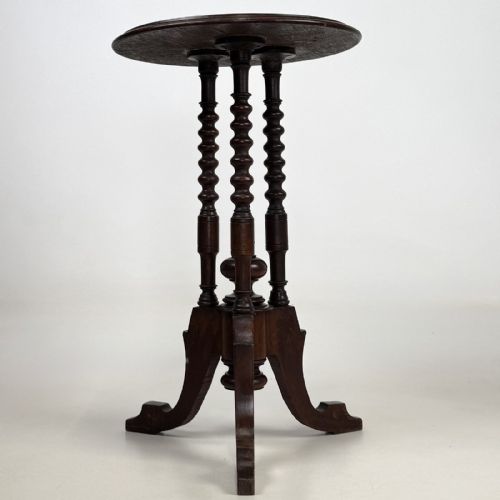
Secondary supports often incorporate turned elements like barley twist legs or slender pedestals, while specialist pieces feature folding mechanisms, drop leaves, or tilt tops. Surface finishes rely on traditional polish and wax applications that highlight the natural grain of the wood.
Brown Wood Accent Table Retail Price Guide 2026
Typical asking prices for brown wood accent table among the pieces listed under this phrase on Sellingantiques today, from the lower quarter to the upper quarter. They describe what is for sale here now, not the wider market.
Listings feature woods including mahogany, oak, walnut, elm, teak, and fruitwood across side tables, pembroke tables, and cricket tables.
Distinguishing quality
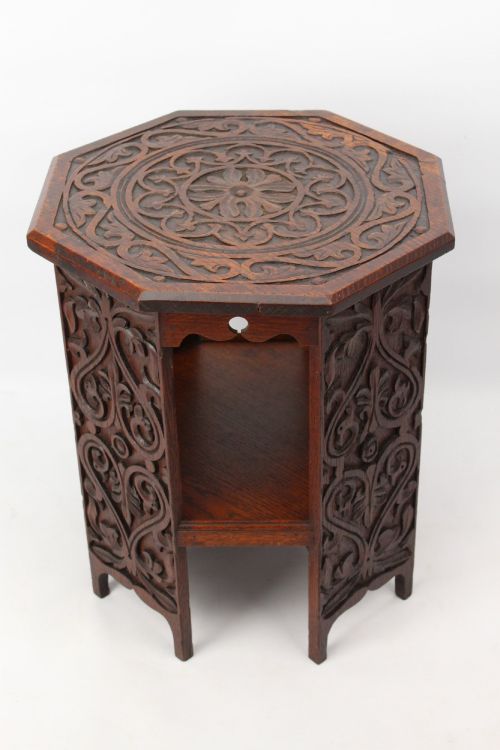
The standard of a brown wood accent table rests on the selection of timber and the precision of its joinery. Tables featuring highly figured burr veneers, dense solid hardwoods, or intricate hand-carving occupy the upper tier of the range.
Proportion and structural integrity also dictate worth, with pieces retaining original surfaces, balanced dimensions, and stable frames commanding greater attention. Simpler vernacular items show charm through honest wear, whereas finer formal pieces rely on crisp execution of details like inlay and turned supports.
The Brown Wood Accent Table Glossary
- Pembroke table
- A small drop-leaf table with hinged flaps on either side, designed in the eighteenth century for versatile placement.
- Cricket table
- A small round table featuring three legs, traditionally constructed from oak or elm with a lower tier for stability.
- Lowboy
- A small kneehole dressing table or side table with one or more drawers, originating in the early eighteenth century.
- Marquetry
- The art of applying decorative pieces of veneer to a structure to form intricate geometric or pictorial patterns.
- Barley twist
- A type of decorative turning resembling a twisted rope, commonly found on the legs of seventeenth and early twentieth-century furniture.
Brown Wood Accent Table: Frequently Asked Questions
Where should I place a small accent table?
These compact tables fit easily beside a sofa, in a hallway, or tucked into an empty corner to hold lamps or books.
Their modest scale ensures they do not overwhelm a room while providing useful surface area.
How do I clean antique wood tables?
Dust surfaces regularly with a soft, dry cloth and apply a quality beeswax periodically to nourish the timber.
Avoid commercial liquid polishes containing silicones, which can build up and dull the finish over time.
What is the difference between an occasional table and a side table?
The terms are often used interchangeably to describe movable tables used for specific minor tasks around the home.
Side tables traditionally stood against walls, whereas occasional tables were moved into the room as needed.
How can I tell the age of a wooden table?
Examine the construction methods, tool marks, timber choice, and overall style to determine the period of manufacture.
Hand-cut joints and native timbers often point to earlier centuries, while machine processing indicates later production.