



Antique Cafe Table
An antique cafe table brings the enduring charm of European social life straight into a home, offering sturdy function paired with timeless utility.
Antique Cafe Table
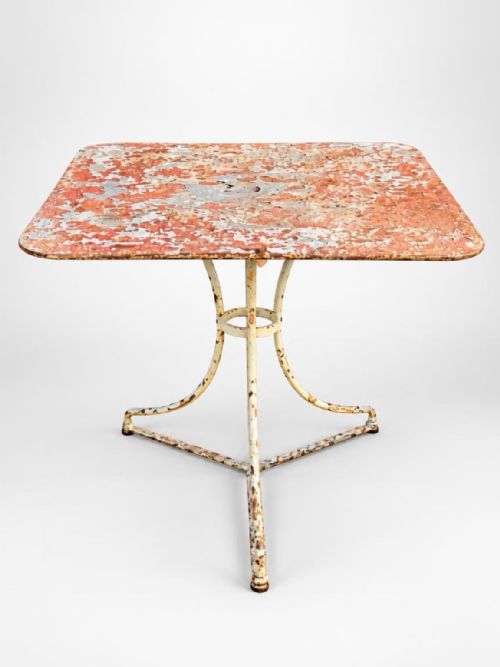
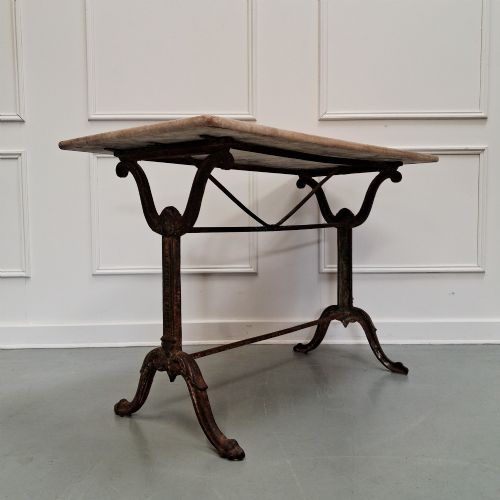
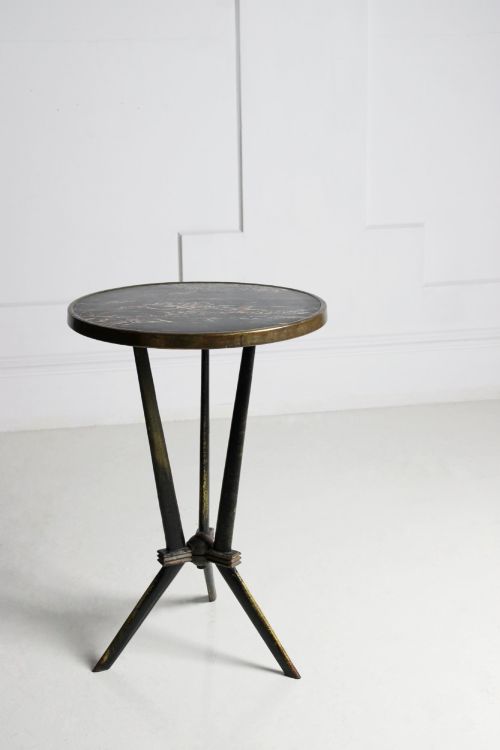
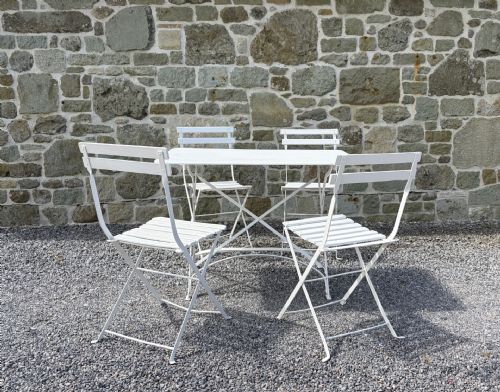
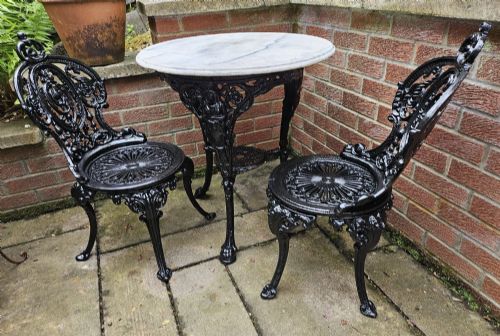
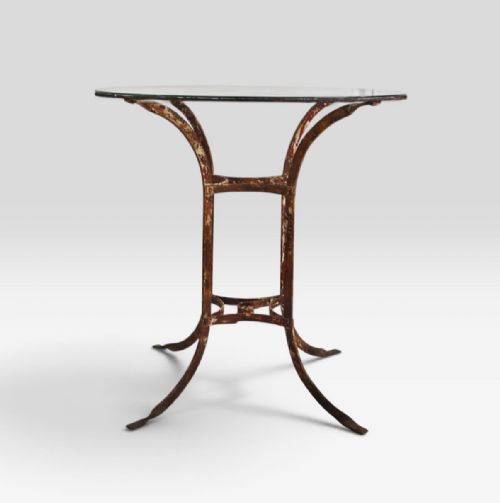
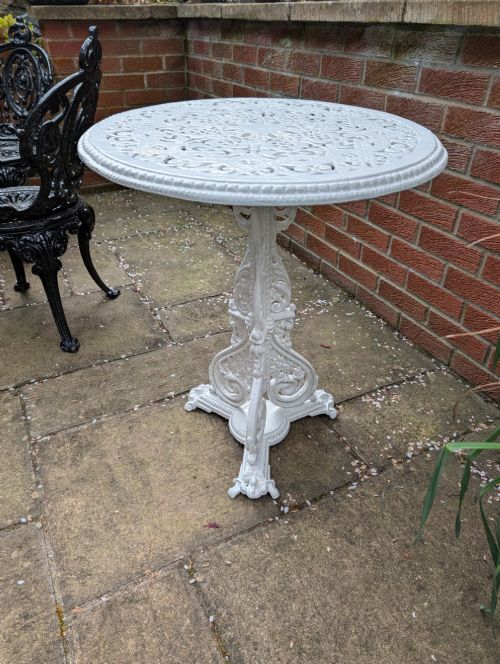
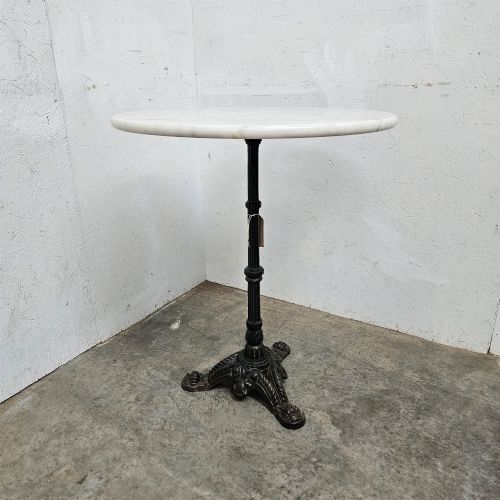
An antique cafe table is a compact surface originally designed for hospitality and domestic use, appearing frequently in French bistro, garden, and Victorian styles. The version most commonly met on this page is the classic round or occasional table supported by a heavy cast iron or wrought iron base.
These pieces encompass various forms including side tables, garden tables, and larger dining variations dating from the eighteenth century through the early twentieth century. Makers and creators like John Cafe and Philip Strobel & Sons illustrate the wide geographic spread of these versatile furnishings.
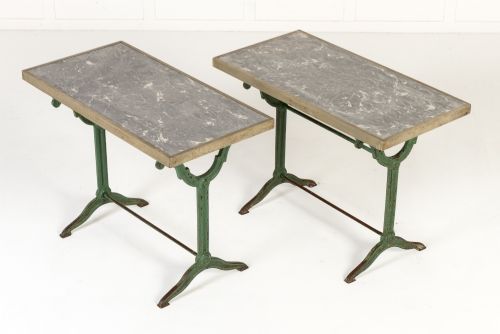
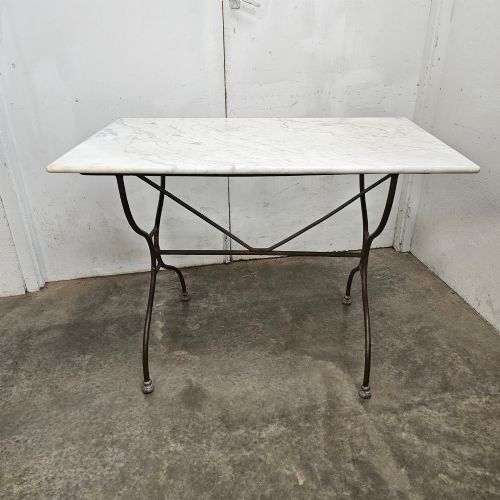
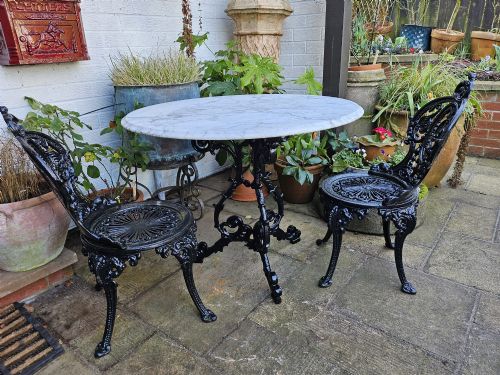
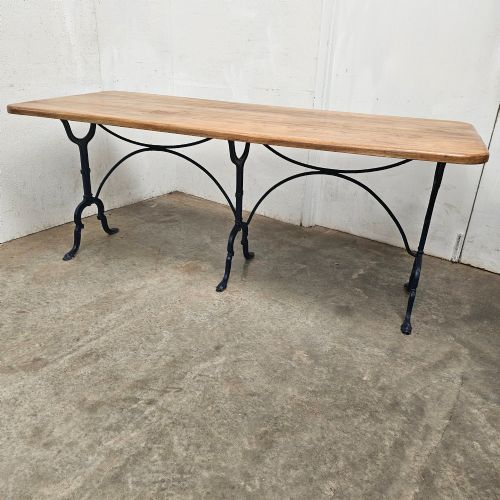
Many examples pair robust metal supports with smooth marble or warm timber tops like oak, elm, and mahogany. Such pieces served reliably in commercial and residential settings alike, adapting easily to modern interiors.
How they were made
The construction of an antique cafe table relies heavily on durable metals, specifically cast iron and wrought iron, which provide the structural weight necessary for daily use. Foundries cast intricate patterns into these metal bases while incorporating brass and copper elements for functional detail.
Tops were fashioned from dense materials designed to withstand heavy wear, utilising white and green marble alongside solid timbers such as oak, elm, pine, and mahogany. Paint finishes frequently seal the wooden elements and protect the metal frames against environmental exposure.
Antique Cafe Table Retail Price Guide 2026
Typical asking prices for cafe table among the pieces listed under this phrase on Sellingantiques today, from the lower quarter to the upper quarter. They describe what is for sale here now, not the wider market.
Listings feature pieces spanning the eighteenth to the twentieth century, constructed from cast iron, marble, brass, and oak.
What varies in quality
The quality of an antique cafe table rests upon the integrity of its materials and the sophistication of its casting work. Superior examples feature crisp, well-defined ironwork on the base alongside heavy slabs of polished marble or finely grained timber.
Originality of components defines the upper tier of these pieces, particularly when a table retains its authentic period top paired with its original painted or patinated metal base. Lesser iterations often show later replacements or mismatched elements that alter the balanced proportion of the original design.
John Cafe·Philip Strobel And Sons
The Antique Cafe Table Glossary
- Gueridon
- A small round table supported by a central pillar or column, frequently utilised in French interiors as a decorative or occasional surface.
- Bistro table
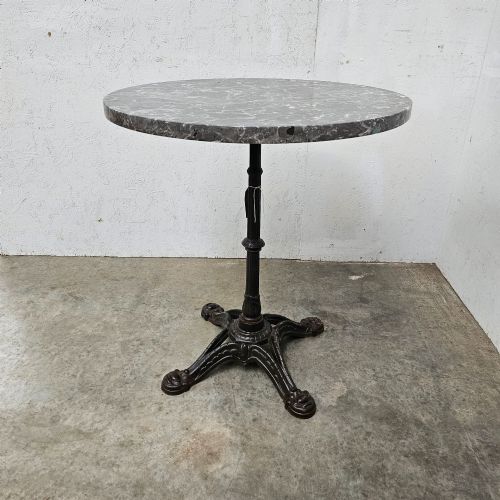
- A small commercial dining table traditionally found in Parisian cafes, typically constructed with a compact top and an iron pedestal base.
- Cast iron
- An iron-carbon alloy poured into moulds to create intricate and heavy structural supports, commonly seen in nineteenth-century table bases.
- Marble top
- A smooth stone surface prized for its cool touch and resistance to heat and moisture, frequently fitted to French cafe and bistro tables.
Antique Cafe Table: Frequently Asked Questions
How are antique cafe tables cleaned?
Clean wooden elements using a dry or slightly damp cloth, avoiding harsh chemical cleaners that strip historical patination.
Marble surfaces require gentle wiping with mild soap and water to prevent staining, while iron bases benefit from occasional dusting and light oiling.
Where can an antique cafe table be placed?
These compact tables fit comfortably into small kitchens, conservatories, and hallways as functional side or breakfast surfaces.
Their sturdy metal and stone construction also suits covered outdoor garden areas and patios during milder weather.
Are these tables heavy to move?
Many examples possess considerable weight due to their dense cast iron bases and solid marble tops, making them exceptionally stable during daily use.
Lighter wooden versions with pine or oak tops offer greater mobility for rearranging room layouts.
How do I identify a French bistro table?
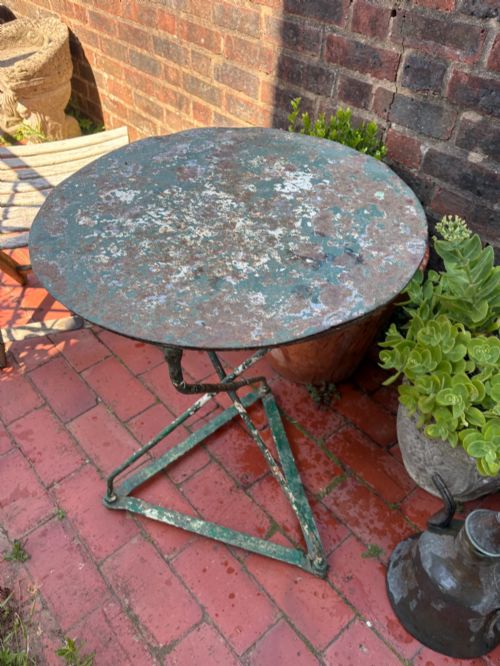
French bistro tables typically feature distinctive three or four-legged cast iron pedestals, sometimes bearing foundry marks or green painted finishes.
They are frequently paired with inset marble or oak tops that reflect traditional nineteenth-century European cafe culture.