
Vintage Bistro Table
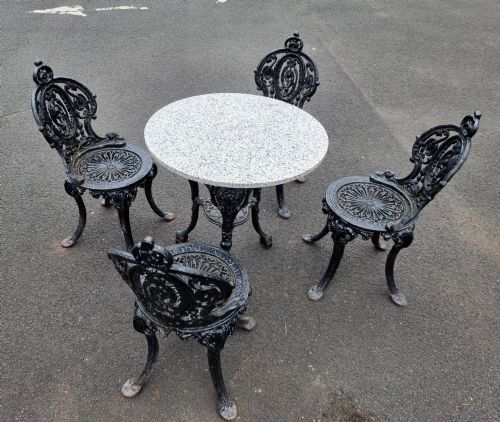
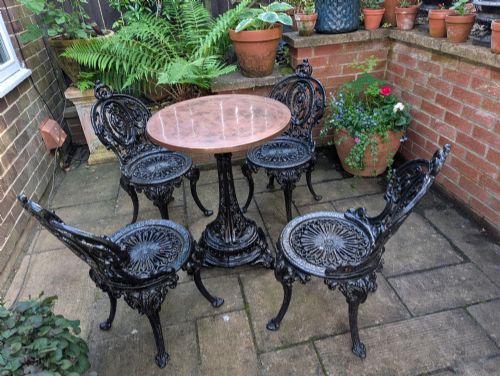
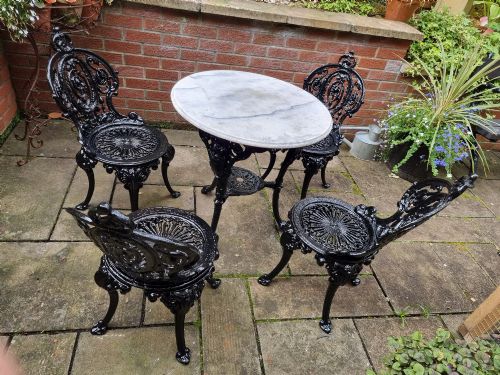
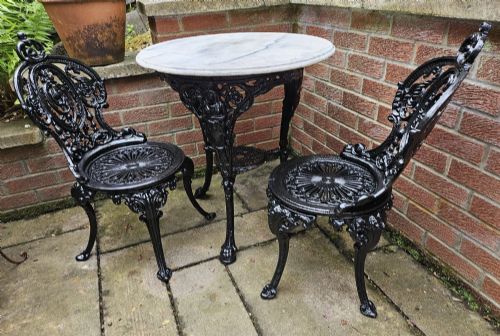
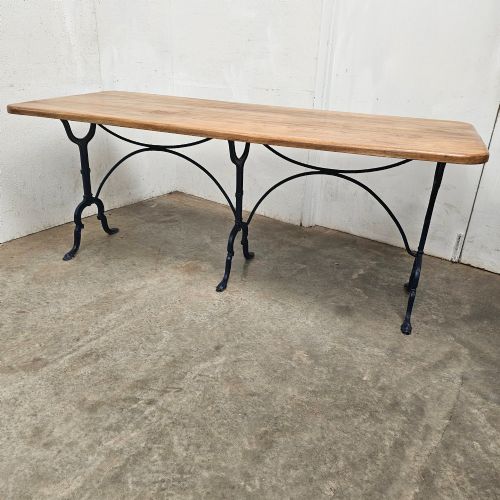
A vintage bistro table brings enduring character to a room or garden, pairing robust metal bases with classic stone or timber tops.
Vintage Bistro Table
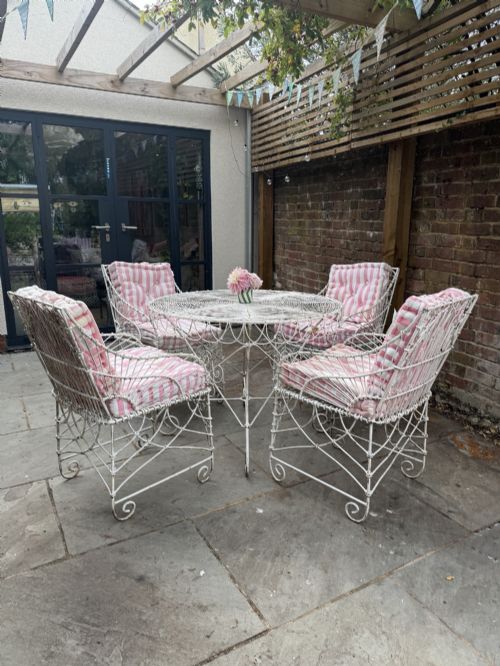
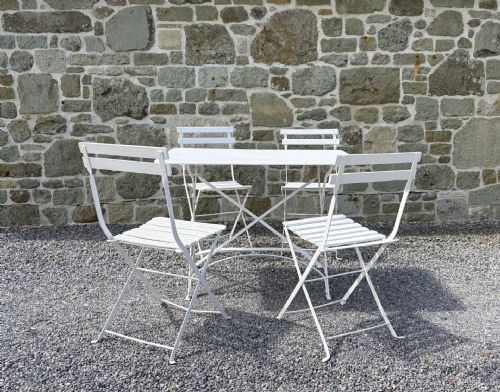
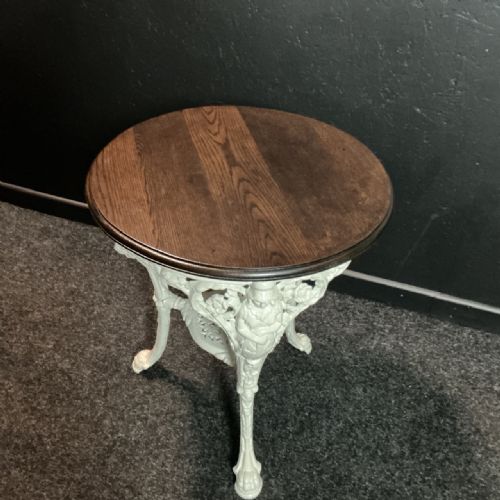
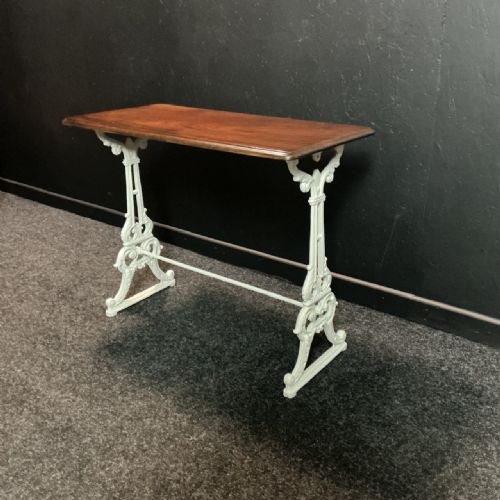
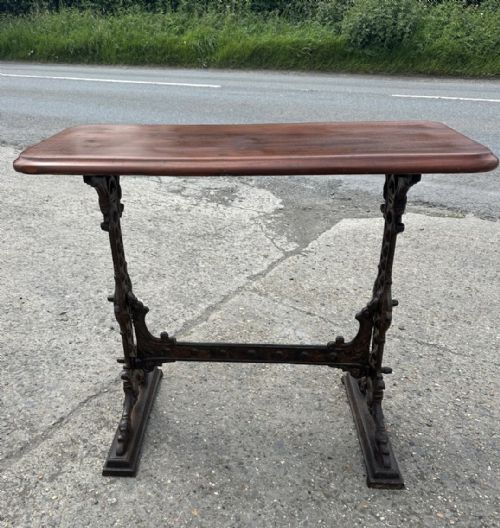
A vintage bistro table serves as a compact surface traditionally used in hospitality settings, adapted over time for domestic dining and garden use. When searching for a vintage bistro table, buyers encounter diverse forms ranging from small café tables to larger garden dining sets and console tables.
The pieces on offer span the nineteenth century, the Edwardian era, and the nineteen-thirties, reflecting Victorian utility alongside French provincial and Art Deco aesthetics. Most examples integrate heavy cast or wrought iron bases with circular or rectangular tops suited for intimate seating.
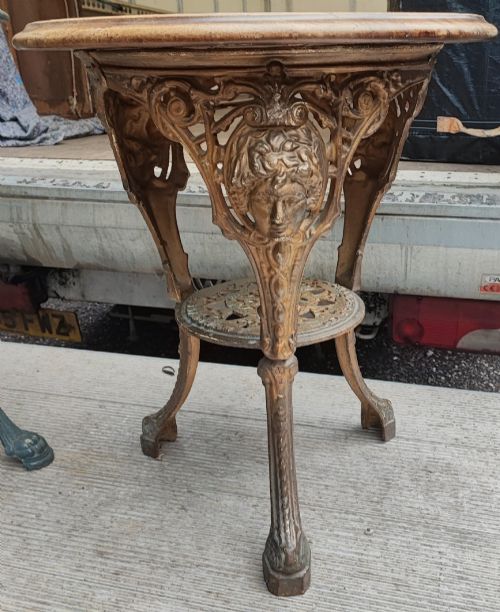
Origins heavily influence the regional style, with French country, cafe, and chateau designs appearing frequently alongside British pub and tavern tables. These domestic and commercial origins mean a buyer might select a compact round gueridon or a long timber dining surface depending on available space.
Construction and materials
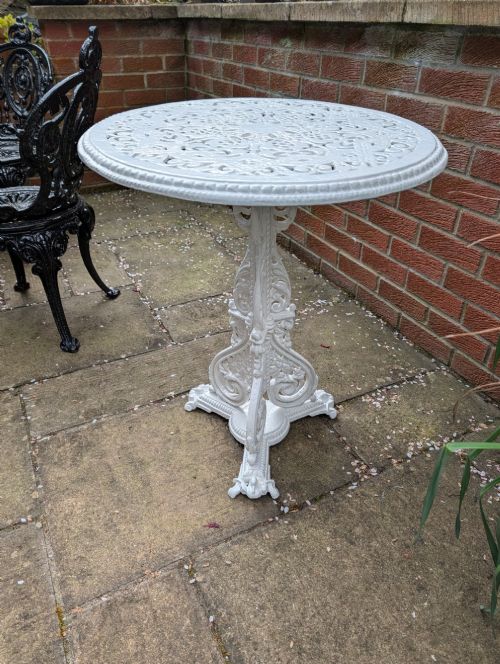
Makers relied on durable metalwork for the structural foundations, casting iron into ornate scrolling patterns or hammering wrought iron for structural rigidity. Bases often feature painted finishes or patinated patinas acquired through decades of commercial and outdoor exposure.
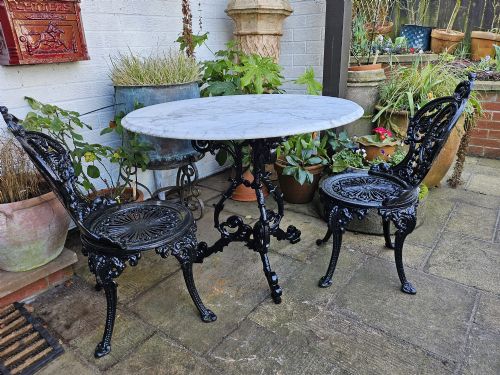
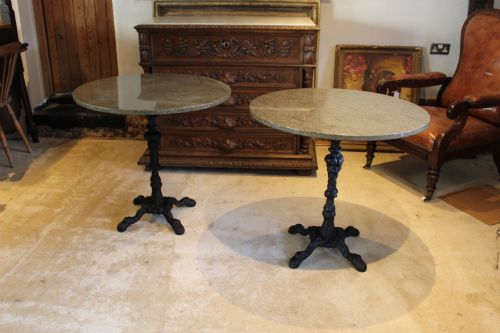
Tops combine heavy materials like white and green marble, polished granite, or zinc with traditional timber elements including oak, elm, mahogany, and pine. Fastening systems secure these heavy surfaces firmly to the metal pedestals, ensuring stability despite daily use in pubs, cafes, and gardens.
Materials span heavy cast iron, wrought iron, marble, granite, zinc, oak, elm, mahogany, and pine.
Distinctions in quality
Quality rests primarily in the crispness of the iron casting and the presence of designer or foundry attributions, such as work associated with Christopher Dresser. Finer castings exhibit deep relief and careful finishing, whereas utilitarian examples remain plain and heavy.
The integrity and original matching of the top material dictate desirability, particularly with fine specimen marble, rich mahogany, or patinated zinc. Original painted surfaces and untouched patinas elevate a piece far above items that have undergone modern stripping or heavy restoration.
Christopher Dresser
The Vintage Bistro Table Glossary
- Gueridon
- A small round table, typically supported by a single central pedestal or column. These French tables often feature marble tops and decorative cast iron tripod bases.
- Britannia
- A nineteenth-century pub table style featuring a heavy cast iron base cast in the form of Britannia. They are frequently paired with timber tops for commercial tavern use.
- Specimen marble
- A decorative top composed of various coloured marbles arranged in geometric or mosaic patterns. It reflects high craftsmanship during the Victorian and Edwardian periods.
- Vigneron
- A style associated with wine production and French vineyard culture. These tables often suit outdoor dining and social gatherings.
Vintage Bistro Table: Frequently Asked Questions
Where were these tables originally used?
These tables served primarily in commercial hospitality environments including French pavement cafes, wine bars, and British public houses. Domestic iterations also found a place in Victorian conservatories and private gardens.
Their robust construction allowed them to withstand heavy daily traffic and changing weather conditions outdoors.
How do I care for a marble top?
Marble surfaces require gentle cleaning with warm water and mild, non-acidic soap to preserve the polished finish. Acidic liquids like wine or citrus can etch the stone if left unattended.
Applying a protective stone sealer helps guard against stains while maintaining the historic appearance.
Can these tables stay outside year-round?
Cast and wrought iron bases generally tolerate outdoor placement, though winter storage prevents excessive weathering of painted surfaces. Timber or vulnerable stone tops benefit from being kept under cover during harsh seasons.
Protected placement preserves the patination and prevents moisture damage to the joints.
How do I date a cast iron base?
Dating relies on stylistic clues such as the complexity of Victorian floral motifs or the clean geometric lines of Art Deco designs. Patent marks, registration numbers, and foundry stamps provide definitive chronological markers when present.
Comparing the casting technique and bolt construction also helps distinguish mid-nineteenth-century work from later twentieth-century reproductions.