

Victorian Cast Iron Table
When you search for a victorian cast iron table, you are looking at robust, highly decorative metal furniture designed for gardens, pubs, and conservatories.
Victorian Cast Iron Table
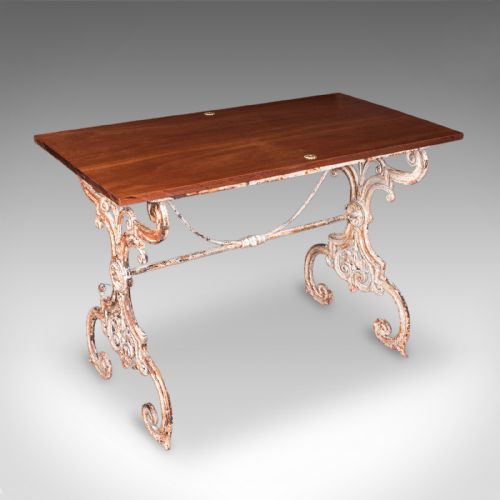
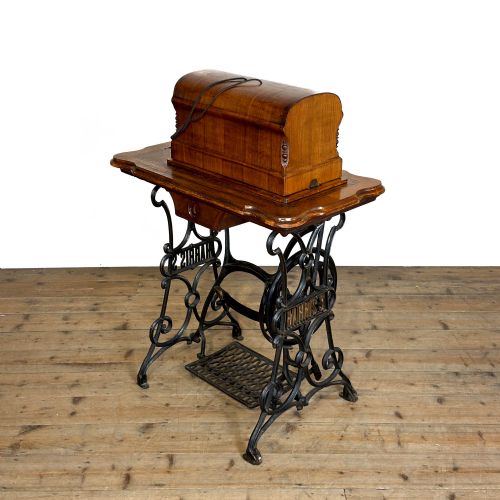
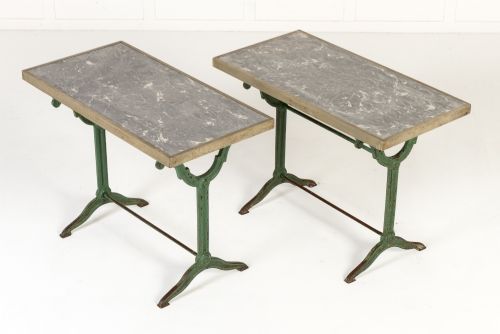
A victorian cast iron table spans a variety of forms designed for both indoor and outdoor utility, from pub and bistro settings to conservatory and garden display surfaces. The heavy metal bases are frequently paired with wooden, marble, or granite tops, reflecting their original domestic or commercial contexts.
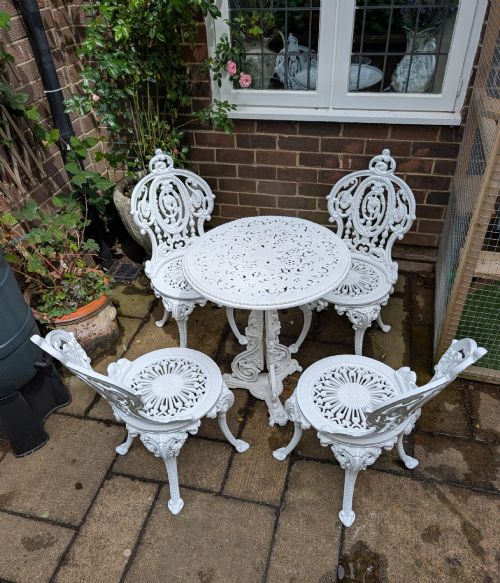
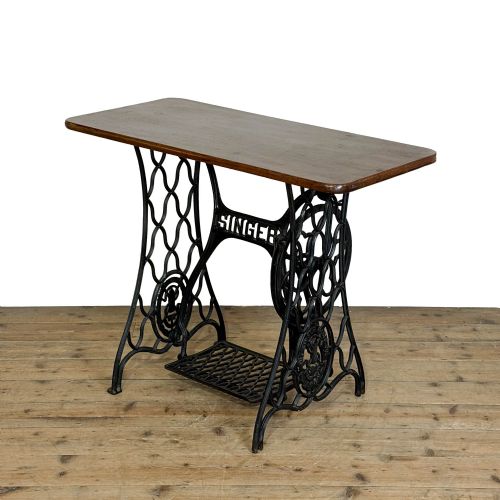
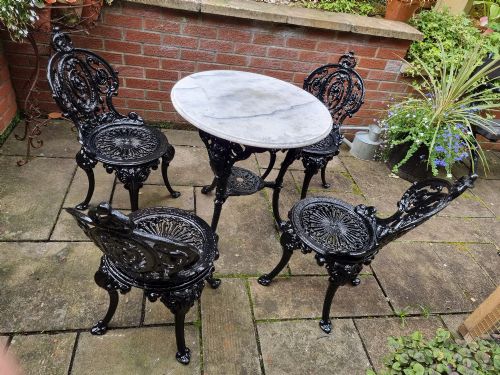
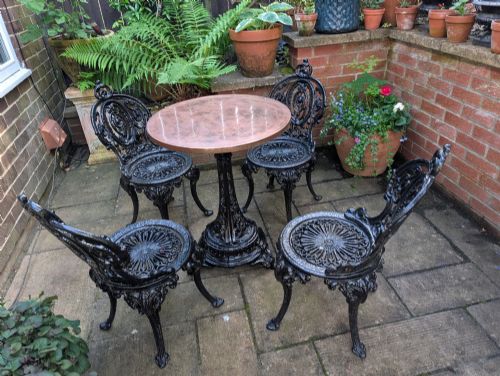
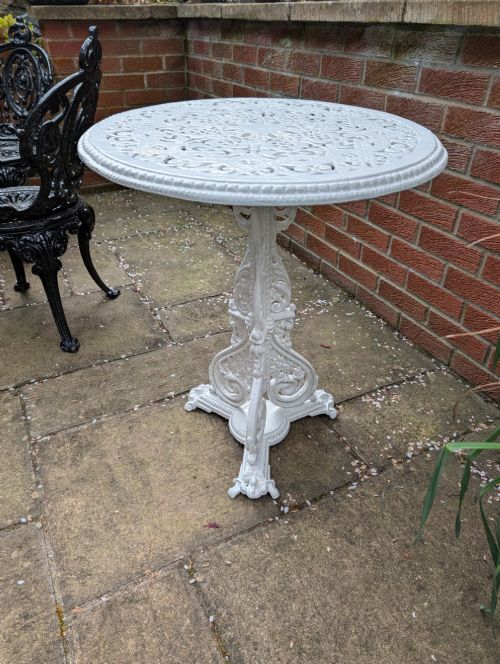
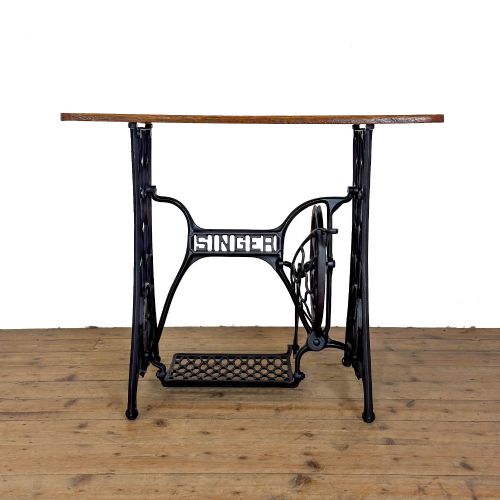
The pieces appearing on this page range from compact pub tables and decorative plant stands to larger garden dining sets and cafe tables. Styles stretch from domestic Victorian and Edwardian iterations to French bistro designs and industrial variants.
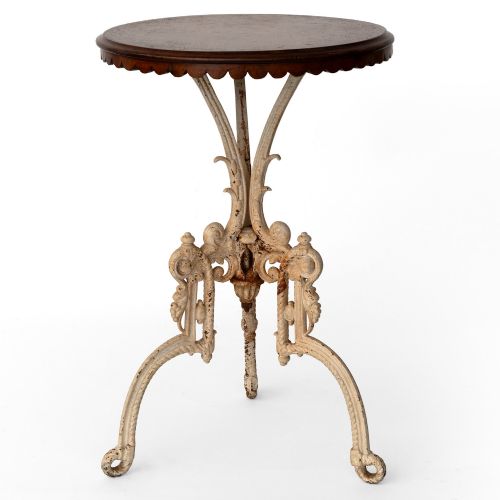
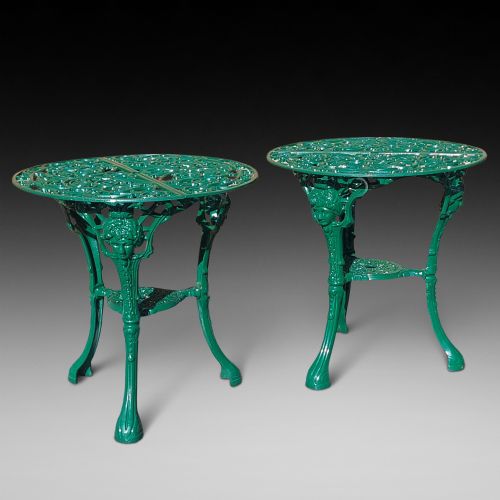
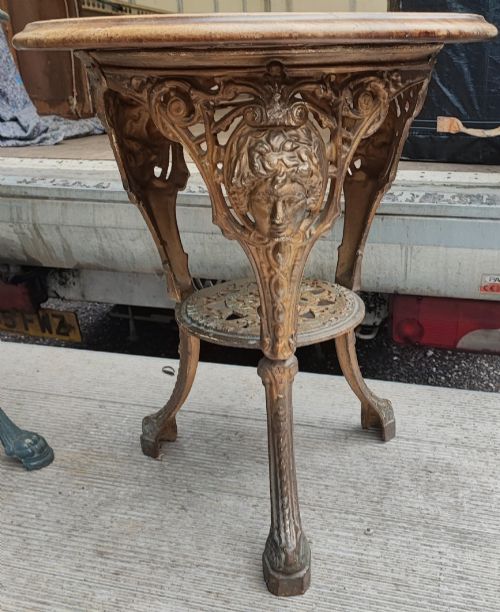
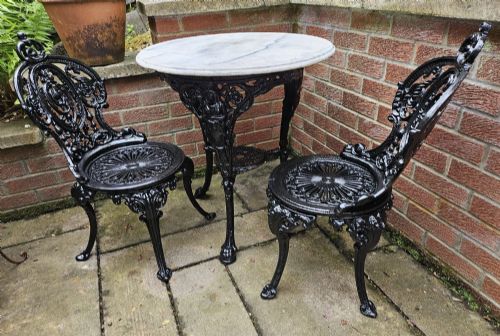
Buyers will encounter heavily ornamented garden tables alongside traditional Britannia pub tables featuring sturdy central pedestals. Many examples incorporate intricate scrollwork, tripod feet, or specific design attributions such as those linked to Christopher Dresser.

How they were made
Foundries produced the heavy structural bases by pouring molten iron into sand moulds, allowing for intricate openwork patterns, bold lettering, and deep relief details that survived heavy daily use. Wrought iron, brass, and painted finishes appeared alongside the primary cast metal to provide structural support or decorative contrast.
Table surfaces demanded diverse materials suited to their environment, pairing the durable iron frames with solid timber like mahogany, oak, and pine, or smooth stone including marble and granite. Original tops were frequently secured directly to the iron base using threaded bolts or integrated brackets.
Victorian Cast Iron Table Retail Price Guide 2026
Typical asking prices for victorian cast iron table among the pieces listed under this phrase on Sellingantiques today, from the lower quarter to the upper quarter. They describe what is for sale here now, not the wider market.
Materials recorded across the inventory include cast iron, wrought iron, mahogany, oak, pine, marble, granite, and brass.
What varies in quality
The distinction between standard utility items and exceptional pieces often lies in the crispness of the foundry casting and the depth of the decorative relief. Sharply defined patterns on the ironwork indicate superior mould work, whereas softened details suggest worn production equipment.
Originality of components heavily influences the standing of a piece, particularly when original timber or stone tops remain united with their matched bases. The presence of documented foundry names or recognised design attributions elevates certain examples above anonymous production pieces.
Falkirk Iron Works·Burgess Brothers of Weaverham·Coalbrookdale
The Victorian Cast Iron Table Glossary
- Britannia
- A classic heavy pub table style featuring a cast iron base depicting Britannia, typically paired with a circular wooden or marble top. This form became a staple of British public houses during the nineteenth century.
- Conservatory table
- A lighter decorative table intended for enclosed glass rooms, frequently incorporating elaborate floral or geometric ironwork patterns. These pieces were designed to complement indoor plant displays and garden rooms.
- Bistro table
- A compact table originally utilised in French cafes and domestic garden settings, usually featuring a single central cast iron column and three-footed base.
- Foundry mark
- Raised lettering or numbering cast directly into the iron structure during manufacture, identifying the producing works or registration details. These marks help historians trace the origins of utilitarian ironwork.
- Tripod base
- A three-pronged pedestal design common in small occasional and pub tables, offering stability on uneven nineteenth-century floors.
Victorian Cast Iron Table: Frequently Asked Questions
Where were these tables originally used?
Victorian cast iron tables served numerous roles across both domestic and commercial environments, appearing in public houses, tearooms, and hotels. Outdoors, they furnished gardens, patios, and conservatory spaces where weather resistance was paramount.
Heavier versions supported commercial activity in pubs and public spaces, while lighter variations found homes in parlours and orangeries for displaying plants or serving refreshments.
Are marble tops original to these bases?
Many nineteenth-century cast iron tables were paired with marble or granite tops from the outset, particularly those intended for cafe, pub, or conservatory use. Stone provided a durable, wipe-clean surface that resisted moisture and staining.
Matching heavy stone slabs to antique iron bases was also a common historical practice, meaning buyers will find both period-matched combinations and later replacement tops.
How do I identify a Britannia table?
A Britannia table is readily distinguished by its heavy cast iron pedestal base, which traditionally incorporates the figure of Britannia or distinct patriotic motifs into the central column. These bases typically support a circular wooden or marble top and rest on shaped feet.
They were mass-produced for the hospitality trade and remain one of the most recognisable forms of nineteenth-century pub furniture.