


Cast Iron Side Table
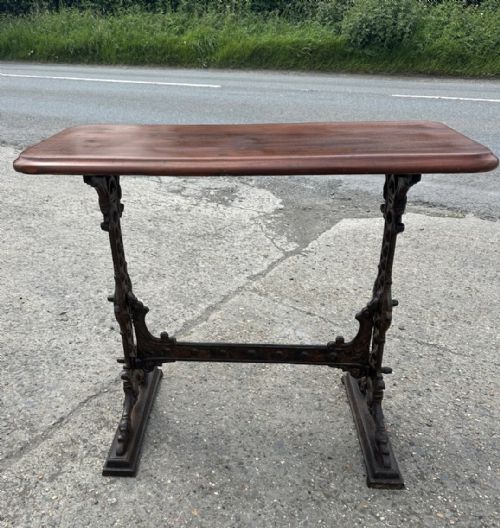
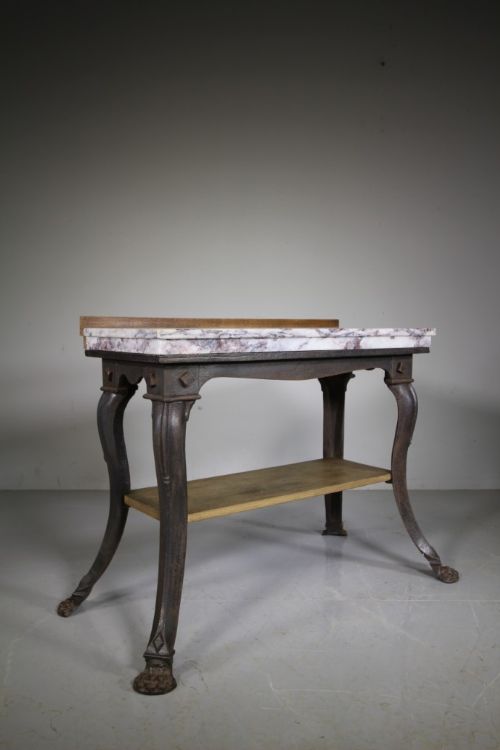
A cast iron side table brings heavy industrial presence and sturdy utility to a room through solid metal bases paired with timber or marble tops.
Cast Iron Side Table
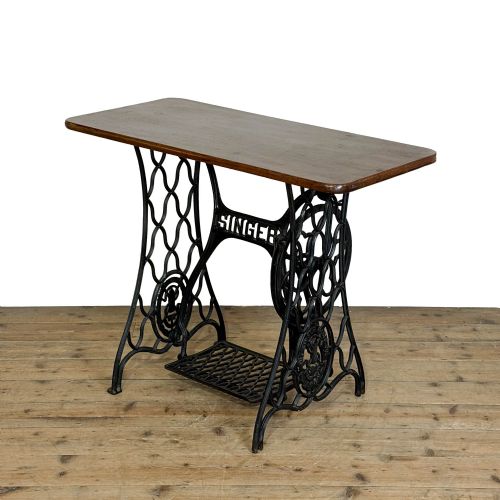
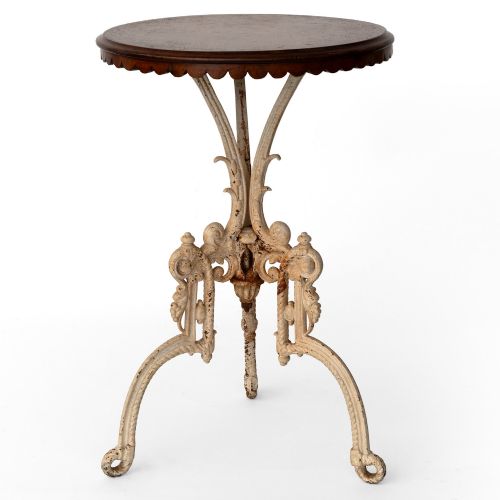
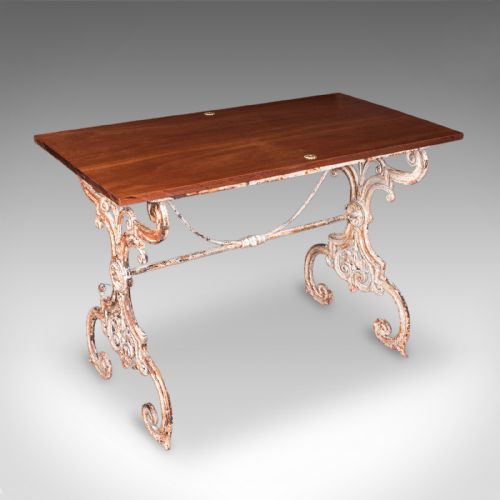
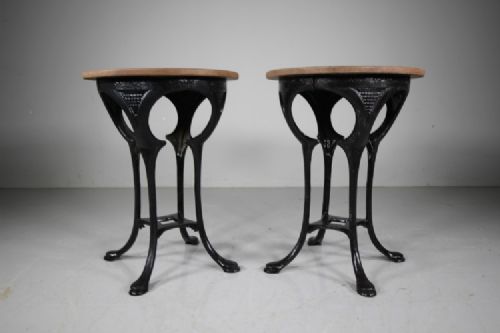
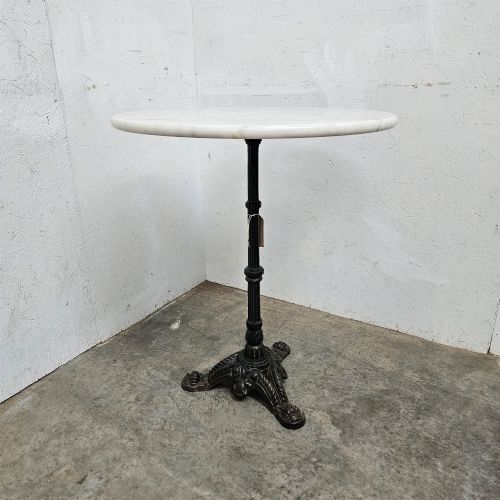
A cast iron side table combines a robust metal base with a surface of wood or stone, serving roles from pub furniture to garden display stands. You will frequently encounter Victorian and Edwardian examples alongside French bistro pieces featuring decorative scrollwork or industrial machine frames.
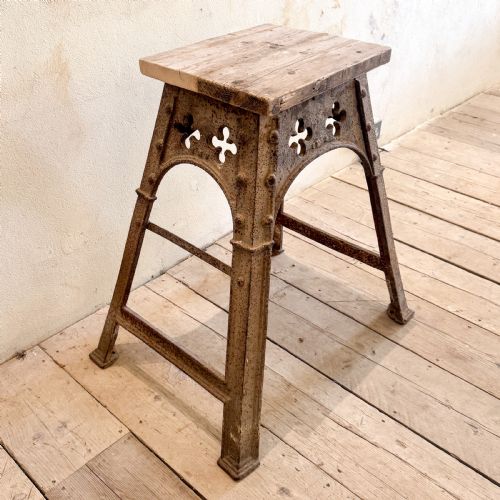
The form spans pub tables, console tables, and occasional stands originating from English taverns, French cafes, and domestic settings. Many adapt utilitarian machinery bases or garden furniture designs into compact surfaces suitable for interior display.
Makers utilised durable casting techniques to produce intricate legs and pedestals that support substantial tops of marble, mahogany, pine, and oak. These pieces carry the patina of decades of active service in domestic and commercial spaces.

How they were made
Foundries poured molten metal into sand moulds to create complex geometric and floral patterns in the iron bases. This process allowed makers to produce rigid structural supports with ornate detail, from Britannia figures to simple scrollwork.
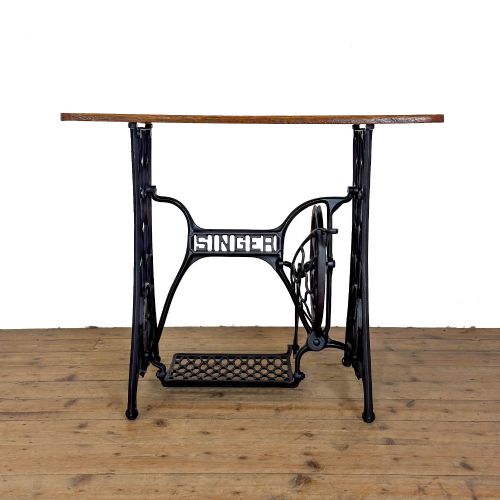
Tops were fashioned from natural timber such as oak, mahogany, and pine, or cut from solid marble and fitted directly onto the metal frames. Brass and steel components occasionally appear in adjustable mechanisms and fixings.
Cast Iron Side Table Retail Price Guide 2026
Typical asking prices for cast iron side table among the pieces listed under this phrase on Sellingantiques today, from the lower quarter to the upper quarter. They describe what is for sale here now, not the wider market.
Several tables began life as heavy-duty sewing machine stands or laundry mangles before finding retirement as living room side furniture.
What varies in quality
The definition and depth of the casting separate standard utility pieces from finer decorative works, where sharp detailing in the scrollwork or figures remains crisp. Heavier gauges of iron and well-balanced proportions indicate superior original construction.
The integrity of the top surface, whether figured mahogany or polished marble, dictates the overall character of the table. Original combinations of metal bases and matching period tops command greater interest than later replacements.

Archibald Knox·Carters Of London·Tanns Defiance London
The Cast Iron Side Table Glossary
- Britannia
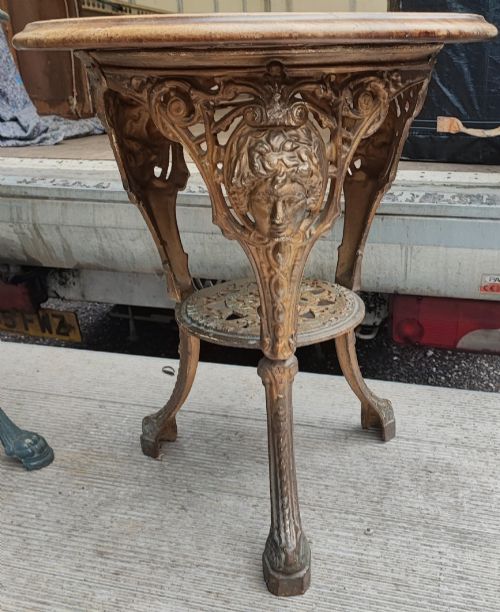
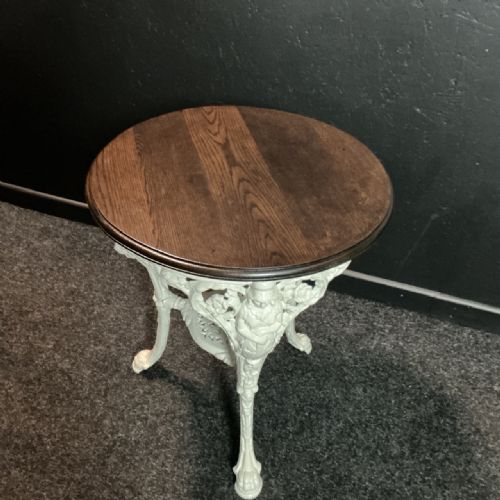
- A classic pub table design featuring a heavy cast iron pedestal base often cast in the form of the seated figure of Britannia. This style dates primarily to the Victorian period and was built for commercial tavern use.
- Gueridon
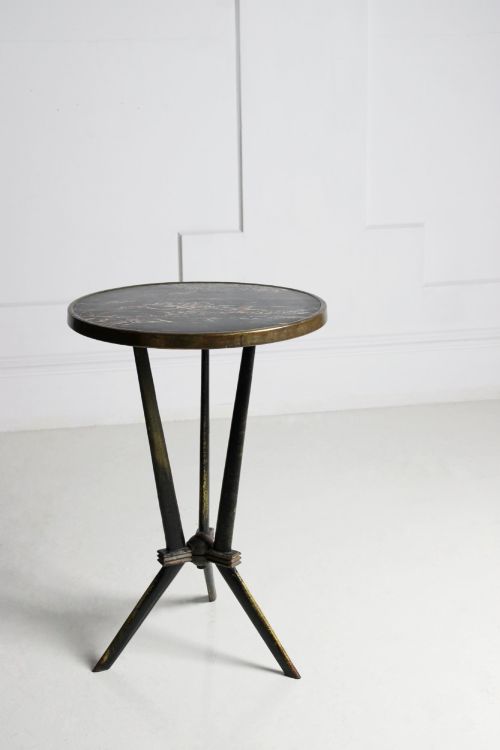
- A small French round table, typically supported by a single central pillar or pedestal. These often feature marble tops and decorative cast iron tripod bases.
- Patisserie table
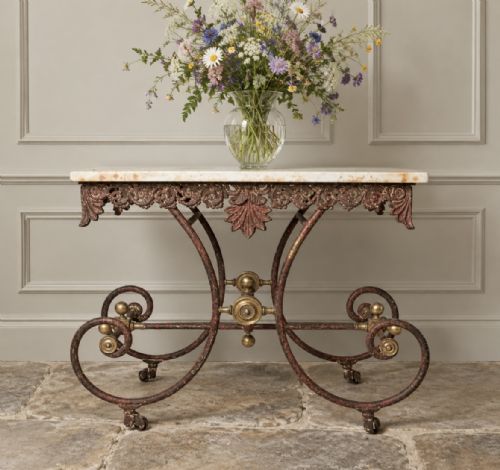
- A heavy-topped table originating from French bakeries, frequently constructed with a thick marble slab and an iron base designed to withstand daily food preparation.
- Scrollwork
- Decorative ornamental work formed in curves resembling scrolls or spirals. This technique appears widely on Victorian and Edwardian iron table bases.
Cast Iron Side Table: Frequently Asked Questions
Where were these tables used?
These tables served in varied environments, from Victorian English pubs and French cafes to domestic halls and gardens.
Commercial examples often supported patrons taking drinks, while domestic versions functioned as display stands or occasional surfaces.
How do I identify a Victorian base?
Victorian cast iron bases typically display heavier metal gauges and more pronounced decorative casting, such as Britannia figures or deep scrollwork.
They often show distinct foundry marks and carry the weight associated with nineteenth-century industrial production.
Are the marble tops original?
Many French bistro and cafe tables retain their original heavy marble slabs fitted directly into the cast iron frame.
Matching the edge profile and the weathering on the stone to the iron base helps determine whether the top has remained with the piece over time.
How do I care for cast iron?
Maintaining cast iron involves keeping the metal clean and dry to preserve the dark surface finish and any accumulated patina.
Applying a light microcrystalline wax can protect the iron from moisture without altering its historic appearance.