

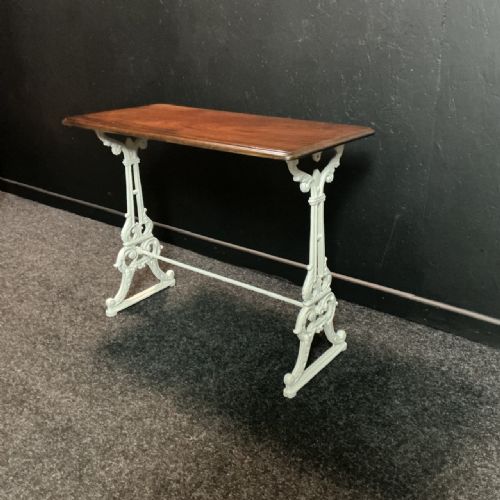


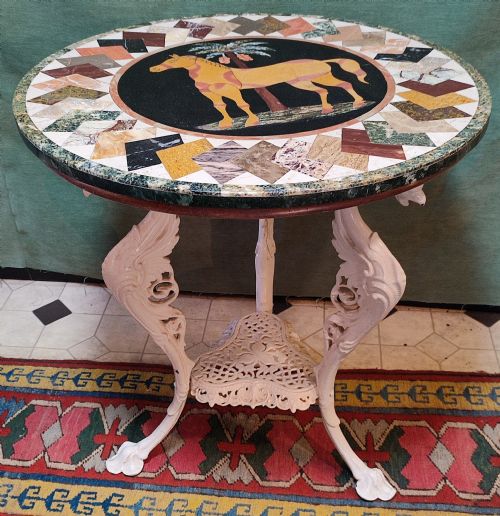


Cast Iron Conservatory Table
A cast iron conservatory table brings durable metalwork and polished stone or timber indoors, offering sturdy charm for plants and morning coffee.

Cast Iron Conservatory Table
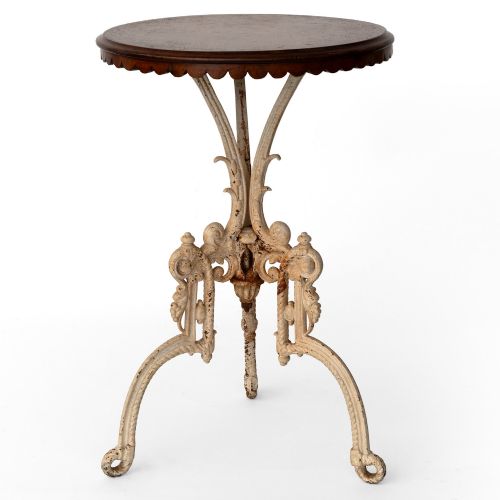
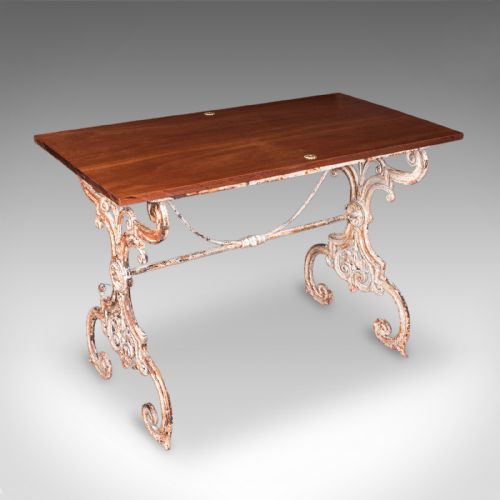
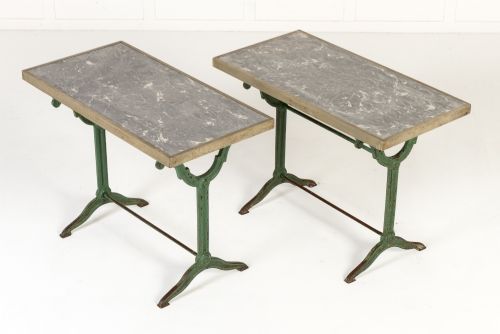
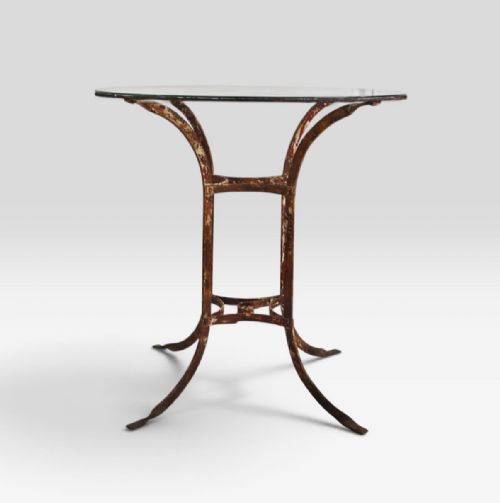
A cast iron conservatory table combines metal bases with tops in marble, mahogany, cedar, pine or glass, creating versatile surfaces for garden rooms and orangeries. These pieces appear across Victorian, Edwardian, and Regency periods, alongside nineteenth-century French and English designs.
Forms range from round occasional tables and console tables to stretcher tables and pub tables, often paired with matching chairs. Most examples date from the nineteenth century, including specific pieces from around eighteen hundred and fifty to nineteen hundred.
Buyers encounter strapp work, scroll work, and faux bamboo painted finishes alongside traditional Britannia patterns. Such tables function equally well in kitchens, patios, and conservatory spaces.

Materials and construction
Foundries shaped molten metal into intricate scroll work, strapp work, and faux bamboo frames, combining the rigidity of cast iron with wrought iron elements. These robust bases support heavy stone or timber surfaces without losing stability.
Tops utilise polished marble, mahogany, cedar, pine, and glass, secured directly to the metal frames. Painted finishes protect the iron work while providing decorative colour suited to interior or garden display.
Cast Iron Conservatory Table Retail Price Guide 2026
Typical asking prices for cast iron conservatory table among the pieces listed under this phrase on Sellingantiques today, from the lower quarter to the upper quarter. They describe what is for sale here now, not the wider market.
Listings feature Victorian, Edwardian, and Regency periods alongside nineteenth-century French designs.
Distinctions in quality
Superior examples showcase crisply cast details in the scroll work and strapp work, where the mould lines remain sharp and clean. Finer pieces often feature intact original marble tops or dense timbers such as mahogany rather than replacement boards.
The sophistication of the frame design dictates the overall character, from simple utility pieces to elaborate French styles or attributed Coalbrookdale foundry work. Original painted surfaces and well-fitted stretcher supports further elevate the standing of an individual table.
Coalbrookdale
The Cast Iron Conservatory Table Glossary
- Cast iron
- A strong alloy poured into moulds to create decorative and structural furniture bases. This material resists warping and supports heavy stone tops.
- Britannia table
- A traditional pub and garden table featuring a heavy cast iron pedestal base with distinctive feet. These typically support round wooden or marble tops.
- Stretcher table
- A table featuring horizontal braces connecting the legs for added stability. Such framing appears frequently on nineteenth-century conservatory designs.
- Strapp work
- An ornamental pattern resembling interlaced leather straps or metal bands cast directly into the iron frame. This style provides strong structural relief.
- Faux bamboo
- A decorative finish mimicking natural bamboo stalks carved or moulded into the iron framework. This motif reflects nineteenth-century popularity for exotic garden aesthetics.
Cast Iron Conservatory Table: Frequently Asked Questions
Can these tables stay outside?
Cast iron withstands outdoor conditions well, though original marble or timber tops benefit from shelter against harsh frost and prolonged damp.
Many owners keep them inside or within covered orangeries to preserve painted finishes and polished wood surfaces.
How heavy are marble topped tables?
The combination of solid iron frames and thick marble slabs creates substantial weight, making these pieces exceptionally sturdy.
Extra care is required during placement and moving to protect both the stone and the supporting metalwork.
What rooms suit these tables?
Their traditional mix of metal and stone fits naturally into conservatories, garden rooms, and bright kitchen spaces.
Compact round forms work well as side tables, while larger stretcher formats function effectively for dining or display.
How do I identify a Victorian piece?
Victorian examples typically display distinct casting techniques, classical scroll work, and traditional timber or marble pairings.
Proportions and foundry marks help connect individual pieces to nineteenth-century production periods.