

Victorian Garden Table
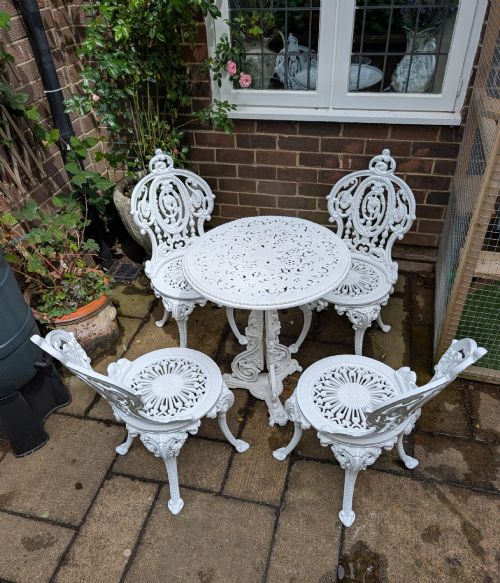
A victorian garden table brings heavy metalwork and stone surfaces together for outdoor or conservatory use.

Victorian Garden Table
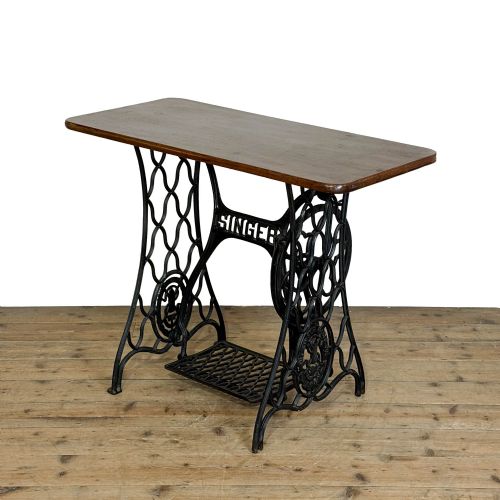
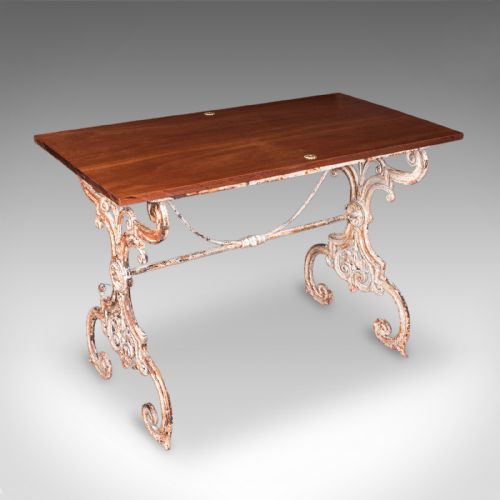
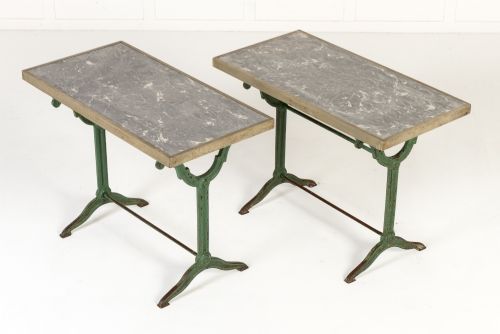
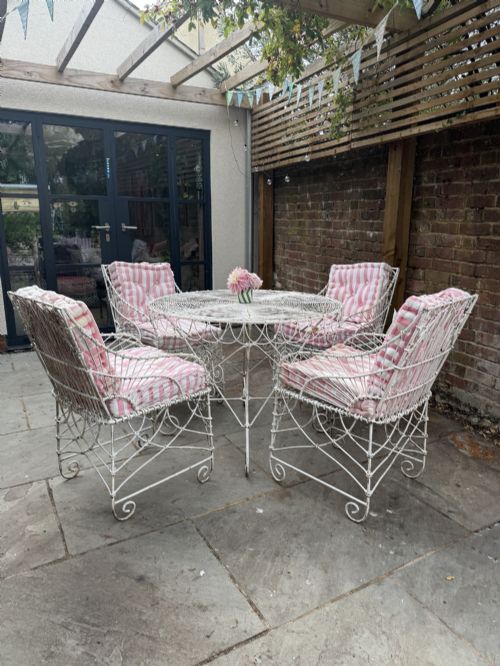
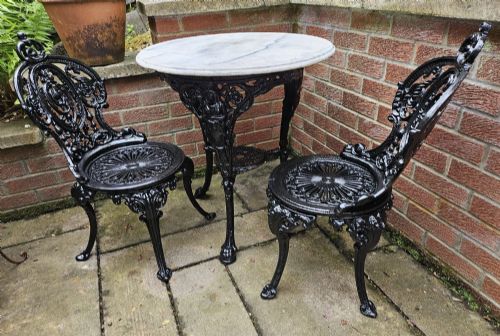
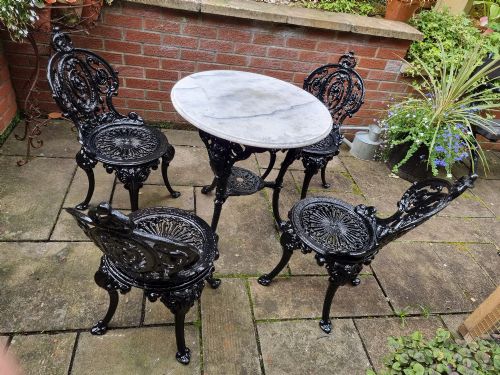
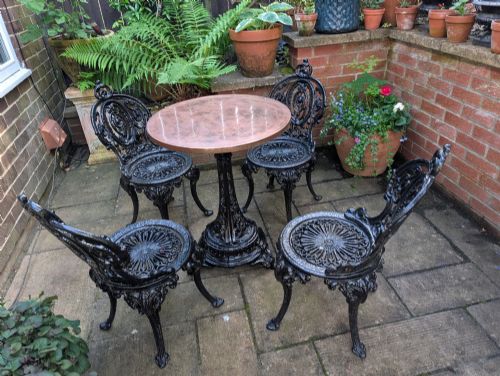
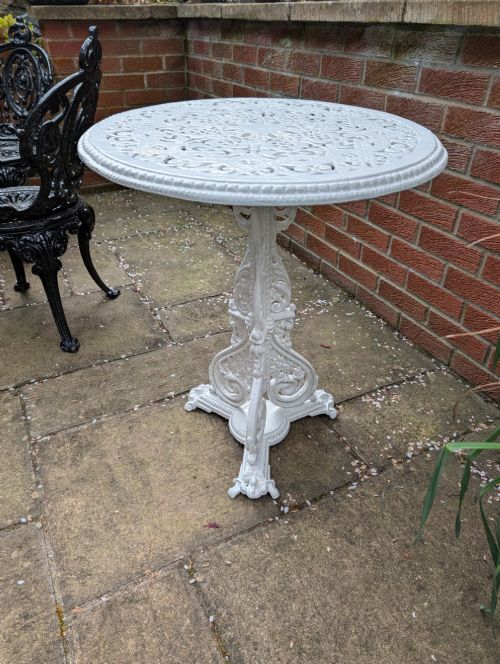
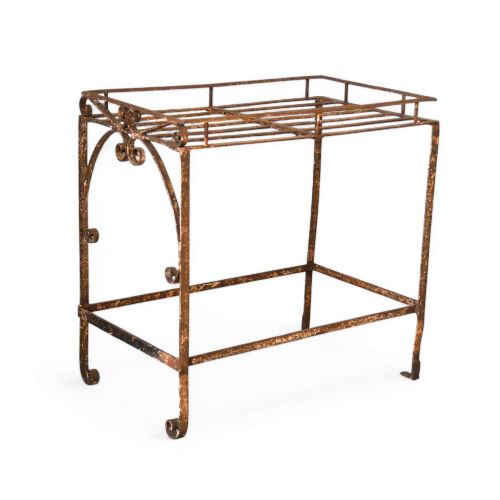
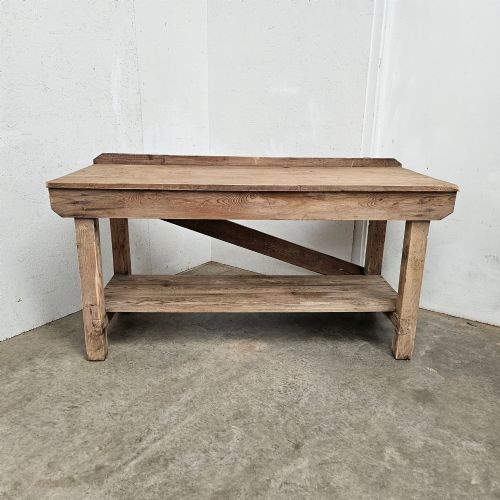
When you search for a victorian garden table, you encounter heavy nineteenth-century forms designed for terraces, lawns, and glasshouses. The selection spans standard garden tables, console tables, side tables, and occasional tables from the period.
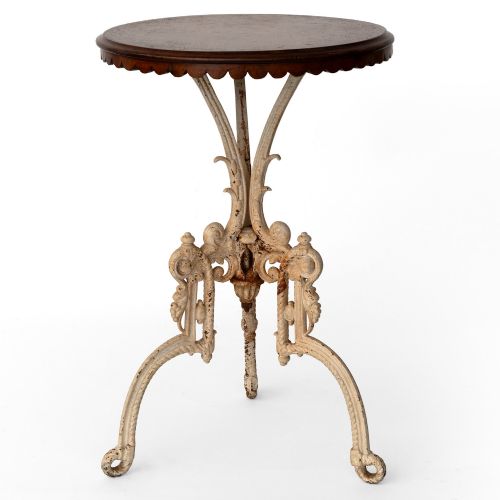
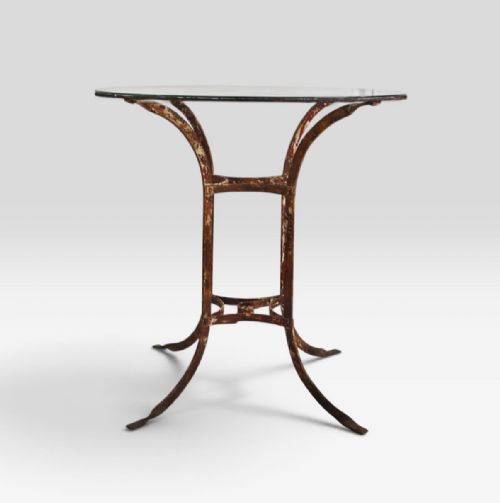
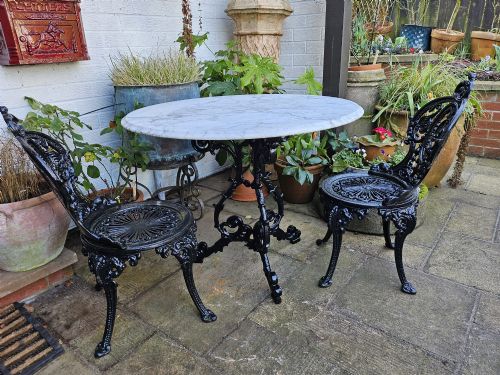
Cast iron frames dominate the available forms, frequently paired with marble or wood surfaces. Pieces appear in both standard Victorian designs and nineteenth-century French interpretations.
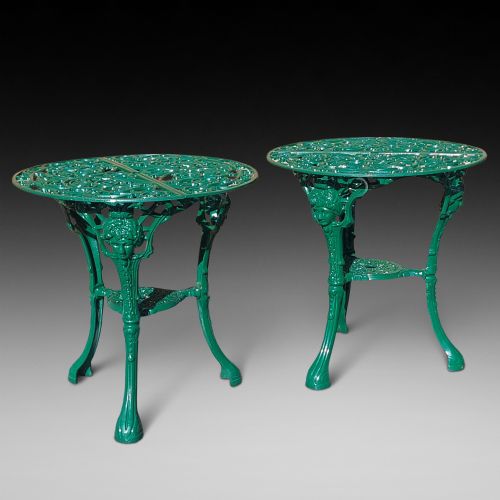
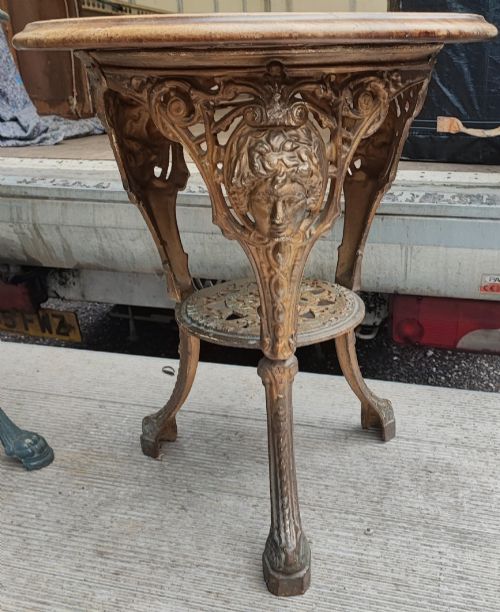
The inventory includes specialised variants such as folding coaching tables, garden tending tables, and tavern or pub garden tables bearing Britannia designs. Many examples reflect the distinctive industrial aesthetic associated with designer Christopher Dresser.
Assessing quality in nineteenth-century tables
Superior examples display crisp casting detail in the iron scrollwork and robust structural integrity in the base. Tables bearing documented Christopher Dresser designs or specific foundry influences command greater recognition among collectors.
The choice of top material dictates much of the physical presence, with thick fitted marble or granite slabs representing higher grade execution compared to basic wooden boards. Original surface treatments and intact paintwork contribute further to an object's overall integrity.
Victorian Garden Table Retail Price Guide 2026
Typical asking prices for victorian garden table among the pieces listed under this phrase on Sellingantiques today, from the lower quarter to the upper quarter. They describe what is for sale here now, not the wider market.
Evidence across all listings shows cast iron as the primary structural material, frequently combined with marble and wood.
Christopher Dresser·Coalbrookdale
The Victorian Garden Table Glossary
- Cast iron
- A strong, heavy alloy poured into moulds to create rigid furniture bases and decorative scrollwork. It resists outdoor weathering when properly maintained.
- Britannia metal
- A specific type of pewter alloy, or in this context, a classic pub table design featuring a heavy seated figure cast into the iron pedestal base. These sturdy tables suited both commercial taverns and domestic gardens.
- Occasional table
- A small, movable piece of furniture designed for specific, intermittent use rather than permanent placement. In garden settings, these provided convenient surfaces for drinks or plants.
- Conservatory
- A glass-roofed structure attached to a house, used for growing plants and relaxing. Tables placed here avoided the harshest outdoor elements while remaining connected to the garden.
- Christopher Dresser
- A prominent nineteenth-century designer known for avant-garde and industrially influenced decorative arts. His distinctive aesthetic appears across several cast-iron table bases in the evidence.
Victorian Garden Table: Frequently Asked Questions
Are these tables suitable for outdoor use?
Cast iron and stone construction allows these pieces to withstand outdoor placement on patios and lawns. Historical examples have endured decades of weather exposure.
Protecting the wooden components and monitoring painted iron surfaces for wear helps preserve the materials against ongoing moisture.
What surfaces came with these tables?
Original configurations varied between solid marble slabs, granite, and timber tops including mahogany and oak. Heavy stone surfaces provided stability against wind and heavy use.
Iron bases were also supplied independently to support stone or wooden tops added separately.
How do I identify a Christopher Dresser design?
Dresser-attributed pieces feature specific structural geometries and industrial motifs characteristic of his prolific nineteenth-century output. His work focused on functional, mass-produced metalwork that retained high artistic merit.
Comparative analysis with documented foundry catalogues confirms these specific geometric scrollwork patterns.
What is a Britannia table?
Britannia tables utilise heavy cast-iron pedestals featuring the draped figure of Britannia. Originally produced for nineteenth-century pubs and taverns, their sturdy weight suited high-traffic environments.
They transferred easily to garden rooms and sheltered outdoor spaces due to their robust proportions.
Were these tables used indoors or outdoors?
Nineteenth-century households placed these versatile tables across gardens, conservatories, orangeries, and indoor reception rooms. Folding and occasional variants adapted easily to changing seasonal layouts.
Pub and tavern versions similarly crossed boundaries between interior seating areas and sheltered outdoor yards.