







Victorian Cast Iron Base
These Victorian cast iron base examples bring heavy foundry strength and scrollwork utility straight into modern interiors.

Victorian Cast Iron Base
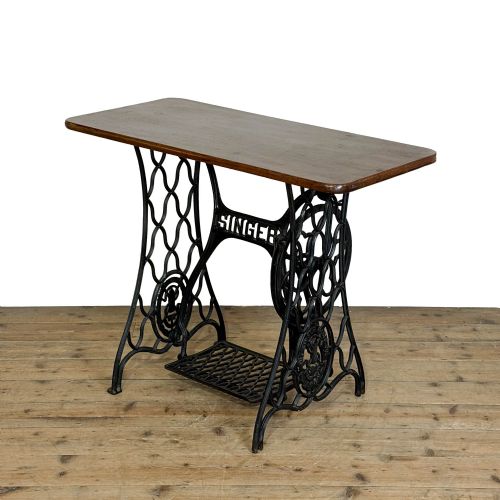
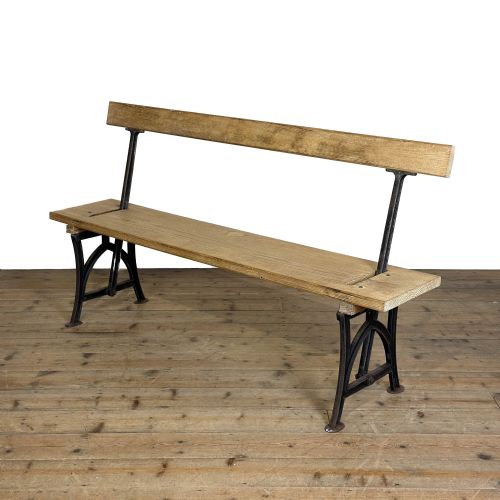
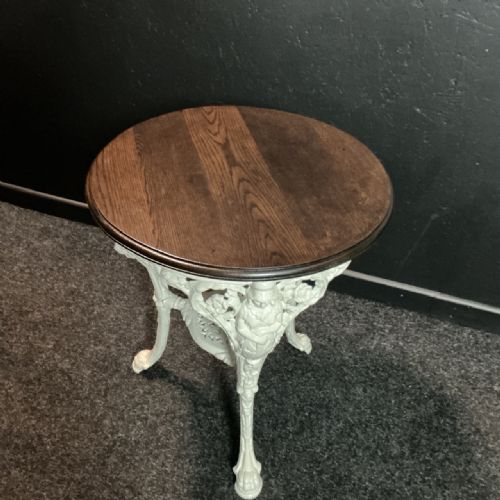
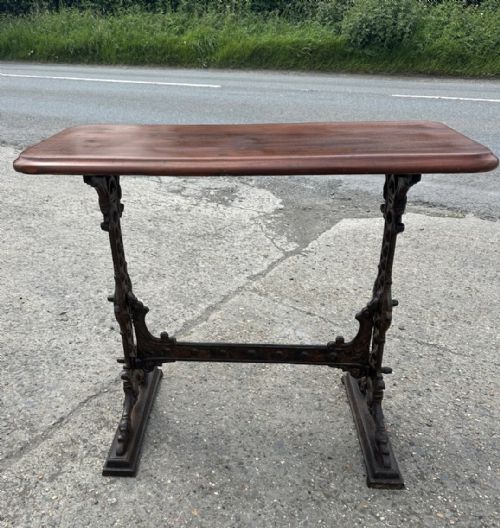
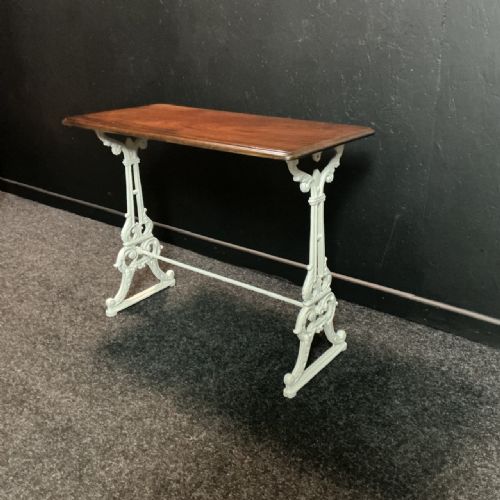
A Victorian cast iron base unites industrial utility with domestic function, appearing frequently on pub tables, console tables, and garden furniture. You will regularly encounter pub and garden tables supported by heavy metal uprights paired with timber or marble tops.
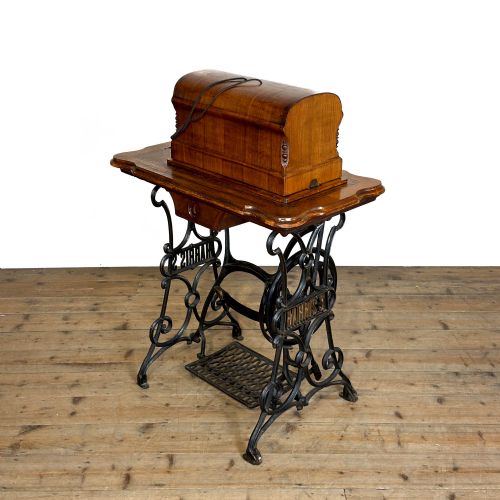
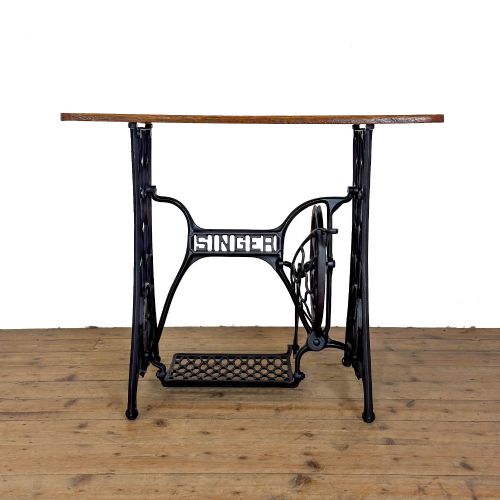
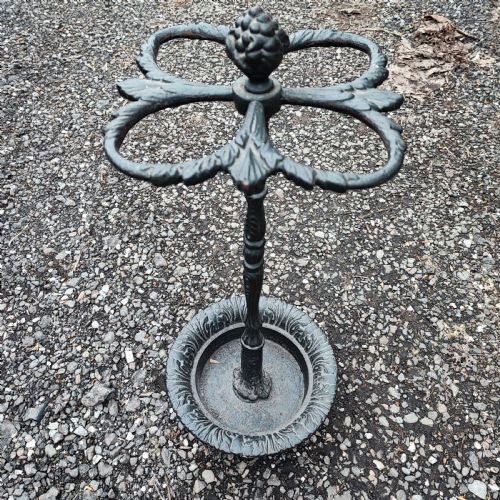
Makers adapted these sturdy foundations for sewing machines, office chairs, and stick stands during the nineteenth century. The forms range from simple tripod supports to elaborate scrollwork and animal motifs such as lions and dolphins.
Originating in nineteenth-century foundries, these pieces served demanding commercial and domestic roles before entering the collector market. Their enduring structural integrity makes them practical supports for contemporary coffee and occasional tables.
Foundry Work and Timber Pairing
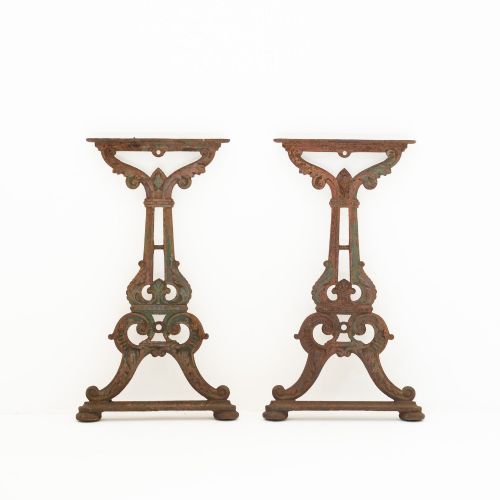
Molten metal poured into sand moulds created the intricate scrollwork, tripod legs, and structural frames that define these foundations. Foundries utilised durable iron alloys to achieve sharp relief details and heavy, stable weights.
Makers combined the metal lower sections with timber tops in oak, mahogany, pine, and satinwood, securing them with traditional fixings. Some pieces integrated brass fittings or stone elements to balance the heavy metal framework.
Victorian Cast Iron Base Retail Price Guide 2026
Typical asking prices for victorian cast iron base among the pieces listed under this phrase on Sellingantiques today, from the lower quarter to the upper quarter. They describe what is for sale here now, not the wider market.
Listings demonstrate a strong presence of nineteenth-century pub tables, garden furniture, and sewing machine conversions utilising cast iron.
Distinctions in Foundry Work
The crispness of the casting separates standard production pieces from finer foundry output, particularly where relief scrollwork or animal figures appear. Sharp definition in the mould work indicates a superior pattern and careful metal pouring.
The relationship between the metal support and its top defines the integrity of the piece, whether using original timber or compatible stone. Retaining original maker marks or foundry stamps adds documentary weight to the physical build.
Kenrick·Carters of London·Kimball & Morton·Gritzner & Co·J Lebegue & Cie
The Victorian Cast Iron Base Glossary
- Cast iron
- Iron alloy poured into a mould while molten to produce rigid, complex shapes. This material provides the heavy weight and structural backbone for nineteenth-century tables and stands.
- Scrollwork
- Ornamental design composed of spiralling curves resembling rolled parchment. Foundries applied this decoration liberally to table legs and structural brackets.
- Tripod base
- A three-legged support structure designed to maintain stability on uneven floors. This configuration appears frequently on occasional tables and sewing machine stands.
- Gadrooned
- Ornamented with a carved or cast series of convex curves or fluting. This decorative moulding often encircles urns and table pedestals.
Victorian Cast Iron Base: Frequently Asked Questions
What topped these metal bases originally?
Makers paired these metal supports with timber planks, solid mahogany, pine, or marble slabs depending on the intended use. Pub furniture and domestic tables utilised wood surfaces, while garden pieces and specialised stands often featured stone or metal tops.
Over time, many bases were separated from their original surfaces and paired with replacement tops. Finding a piece retaining its original timber top remains a significant advantage for collectors.
How do I date these metal frames?
Dating relies on stylistic clues, registration marks, and foundry stamps cast directly into the metal during production. The nineteenth-century examples often display patent numbers or maker names that anchor their period of manufacture.
Industrial forms evolved from simple utilitarian structures into more decorative domestic items by the late nineteenth century. Comparing the complexity of the scrollwork and the fastening methods helps narrow the decade of production.
Where were these heavy pieces used?
Foundry bases supported heavy duty equipment in factories, commercial goods in public houses, and domestic items in Victorian conservatories. Sewing machine mechanisms, office chairs, and umbrella stands all relied on this heavy metal support to prevent tipping.
Garden furniture utilised the weather-resistant qualities of painted iron to withstand outdoor conditions. Their adaptability allowed the same foundational designs to serve both industrial and domestic spaces.
How do I maintain cast iron furniture?
Maintenance involves keeping the metal clean and dry to prevent surface oxidation from developing on unprotected areas. Periodic gentle cleaning removes dust from intricate scrollwork without disturbing original painted finishes.
Wooden tops mounted to these bases require standard timber care, such as occasional waxing to nourish the grain. Ensuring fixings remain properly adjusted preserves the structural stability of the combined materials.