

Victorian Mahogany Wine Table
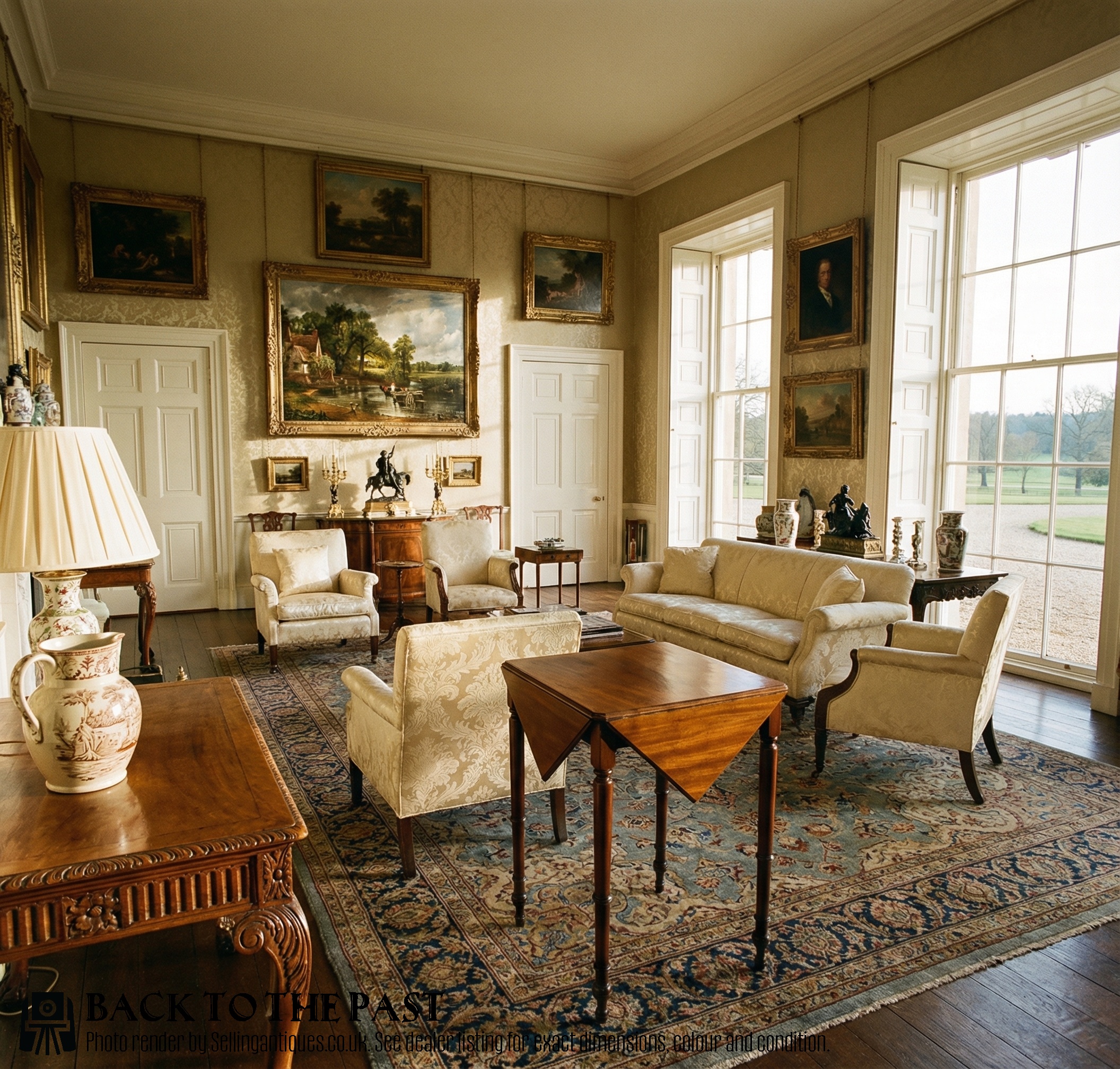
A victorian mahogany wine table brings compact utility and timber warmth to any corner, holding a glass or lamp with quiet balance.
Victorian Mahogany Wine Table
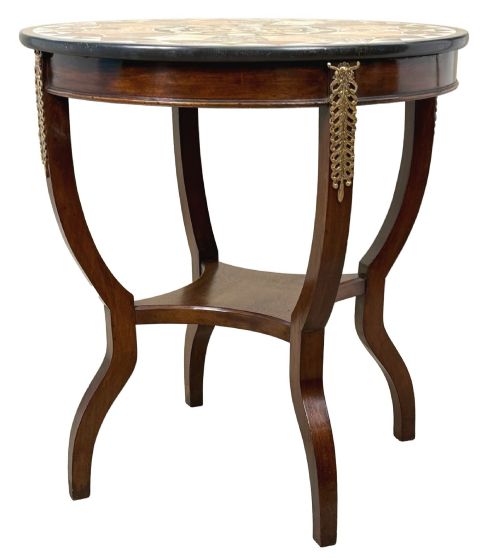
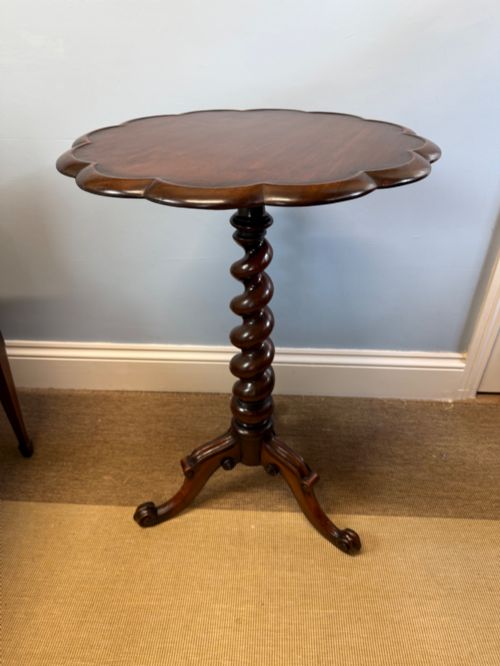
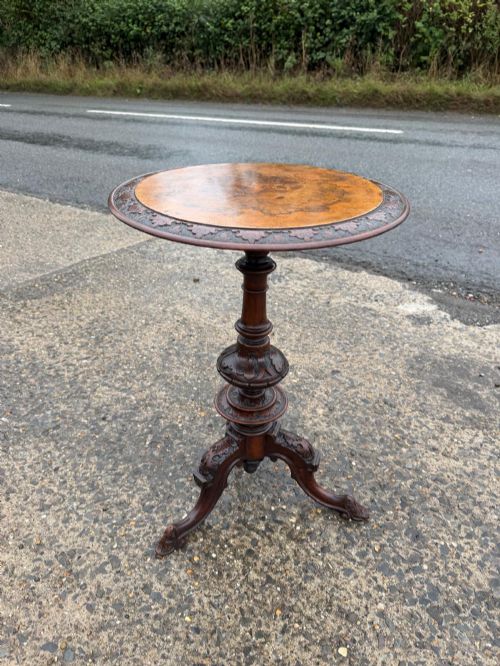
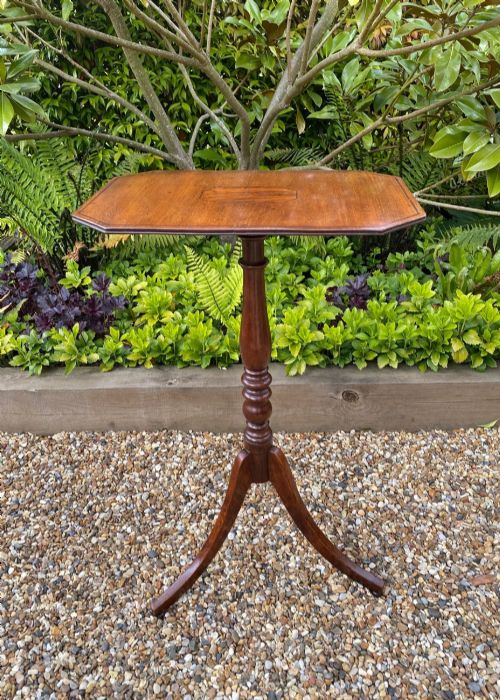
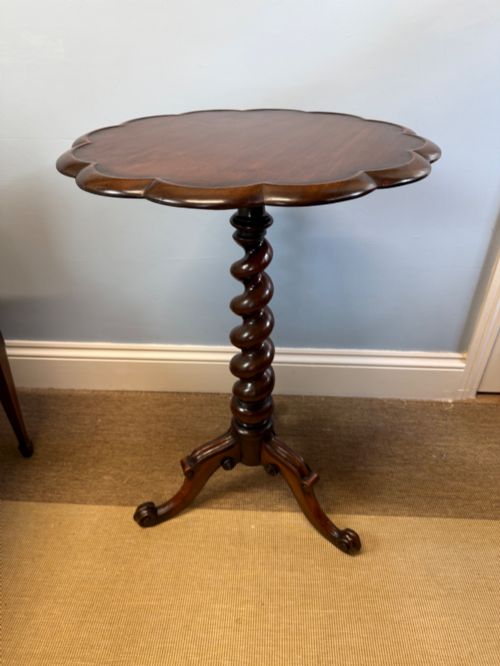
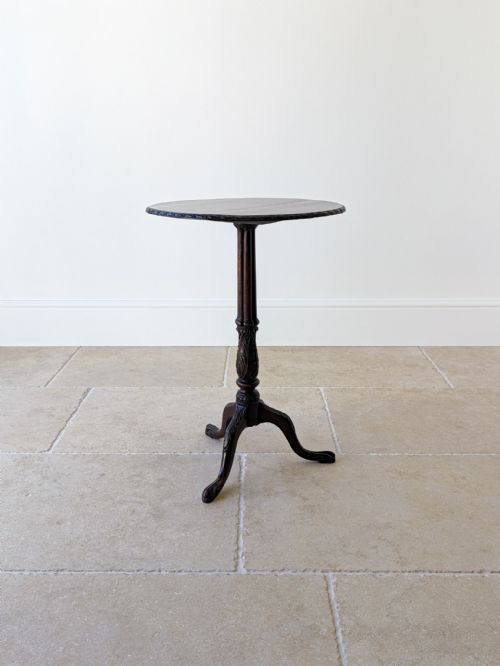
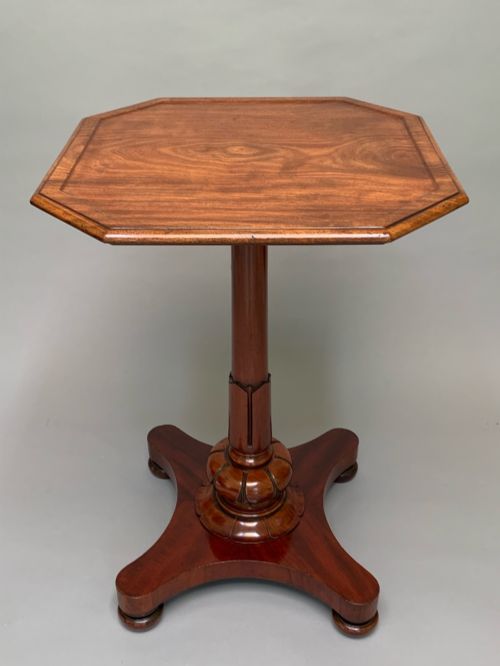
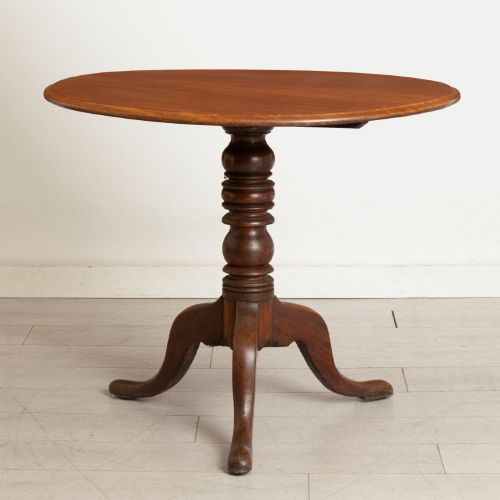
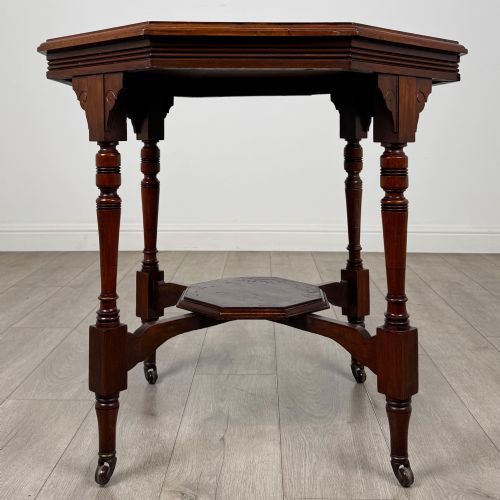
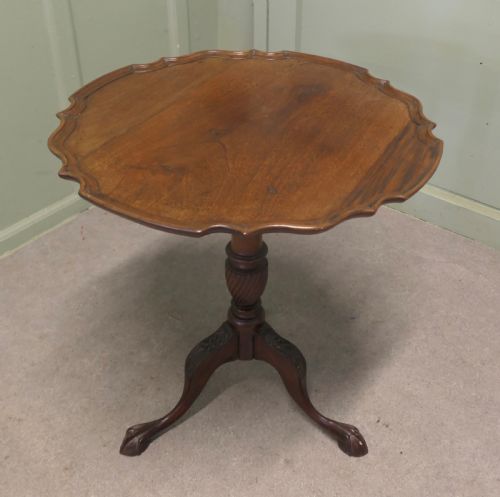
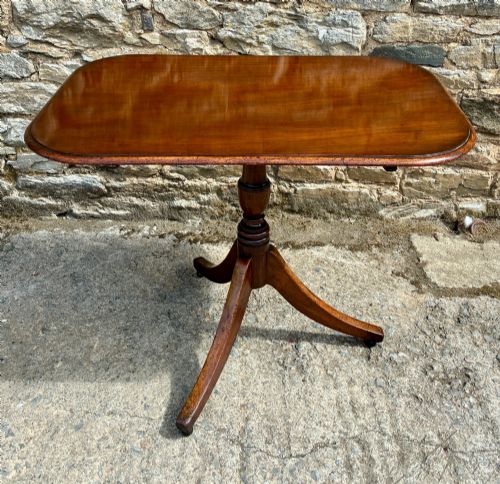
A victorian mahogany wine table represents a small portable surface designed for evening drinks or candle illumination beside a parlour chair. You will most frequently meet circular tripod examples dating from the mid to late nineteenth century, often featuring a turned pedestal support.
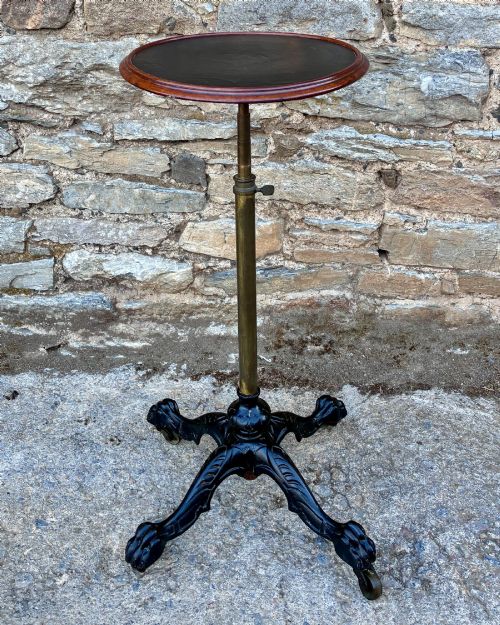
The evidence shows these pieces appearing under various functional descriptions including lamp tables, candle stands, and occasional tables. Many incorporate clever mechanics such as tilt-top mechanisms or detachable surfaces for easy storage when not in use.
While the nineteenth century dominates the selection, related pieces draw upon earlier Georgian and Regency design idioms alongside later Aesthetic Movement influences. Their modest proportions make them adaptable for placement beside modern seating while retaining period character.
Materials and Construction
Makers relied primarily on dense, richly grained mahogany for the tops and turned pillars, sometimes combining it with burr wood, walnut, or cherry veneers to create visual depth. Tripod bases typically feature three sweeping legs joined to a central column by dovetail or tenon joints.
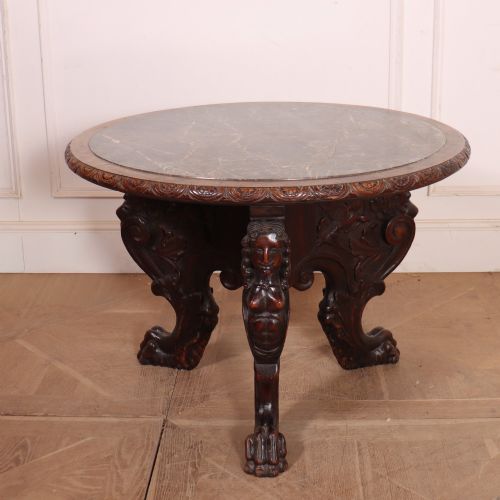
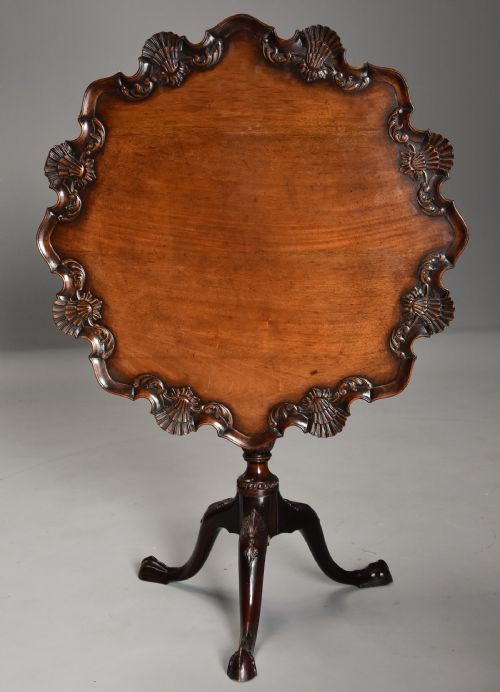
Many specimens utilise a birdcage mechanism or a brass tilt catch beneath the top, allowing the surface to fold flat against the pedestal. Decorative touches on finer examples include carved piecrust edges, inlaid wood parquetry, or specimen marble inserts.
Victorian Mahogany Wine Table Retail Price Guide 2026
Typical asking prices for victorian mahogany wine table among the pieces listed under this phrase on Sellingantiques today, from the lower quarter to the upper quarter. They describe what is for sale here now, not the wider market.
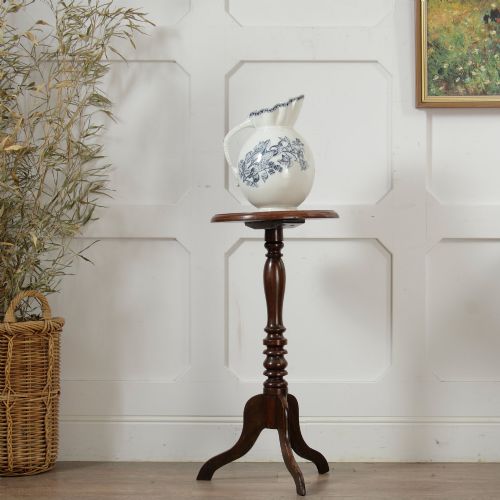
Some nineteenth-century pedestals feature bobbin turnings reminiscent of stacked wooden beads.
Evaluating the Pieces
The distinction between standard utility items and superior examples lies in the crispness of the timber turning and the stability of the tripod stance. A well-balanced base sits firmly on four or three points without rock, reflecting careful initial joinery.
Attention to detail separates simpler pieces from workshop masterpieces, visible in hand-carved pedestal collars, finely figured mahogany grain, and original brass fittings. The integration of functional elements like smooth tilt-top catches indicates higher craftsmanship.
James Shoolbred
The Victorian Mahogany Wine Table Glossary
- Tilt-top
- A hinged tabletop mechanism that allows the surface to pivot vertically for storage. This clever design lets the stand tuck flat against a wall when the room needs clearing.
- Tripod base
- A support structure comprising three legs radiating from a central pillar. This configuration prevents wobbling on uneven nineteenth-century floors.
- Piecrust edge
- A raised, decoratively carved rim shaped around the perimeter of a circular tabletop. Cabinet makers achieved this profile by hand-carving the solid timber edge.
- Specimen marble
- A mosaic top composed of various coloured marbles arranged in geometric patterns. These decorative insertions demonstrate exceptional workshop skill and material expense.
- Birdcage
- A revolving wooden framework beneath the tabletop that permits both rotation and tilting. It connects the surface to the central column through small turned spindles.
Victorian Mahogany Wine Table: Frequently Asked Questions
What was a wine table used for?
These small stands served patrons holding evening beverages, small lamps, or reading materials in the drawing room. Their portable nature allowed servants to reposition them easily beside seated guests.
Over time, their roles expanded to include display stands for ornaments and convenient bedside surfaces. Today, they fulfil similar auxiliary duties in contemporary living spaces.
How do I identify a tilt-top mechanism?
Look underneath the circular surface for a wooden block catch or brass latch that releases the tabletop pivot. When unlocked, the surface swings vertical against the central pillar.
Original mechanisms should move smoothly without excessive side-to-side play in the hinge. Many period examples retained this feature to save floor space during daylight hours.
Are these tables suitable for everyday use?
Solid mahogany construction and sturdy tripod bases make these pieces remarkably robust for daily placement. They hold lamps, books, and cups securely while taking up minimal floor area.
Care should be taken with moisture and direct heat, utilising coasters to protect the polished nineteenth-century timber surfaces from rings.
How can I tell the period of a table?
Examine the turning style of the pedestal and the method of leg attachment underneath the base. Mid-nineteenth-century examples often display simpler turned columns, while revival pieces borrow ornate Chippendale or Aesthetic Movement motifs.
Patina, screw types, and wood shrinkage offer further clues to age, distinguishing original Victorian production from later twentieth-century reproductions.