

19th Century Tilt Top Table
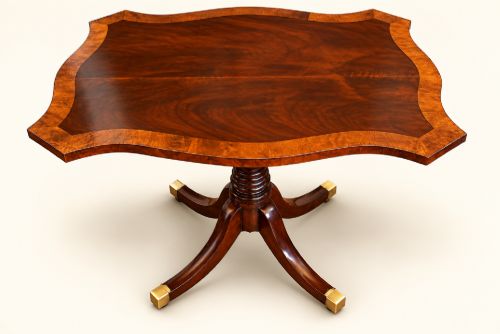
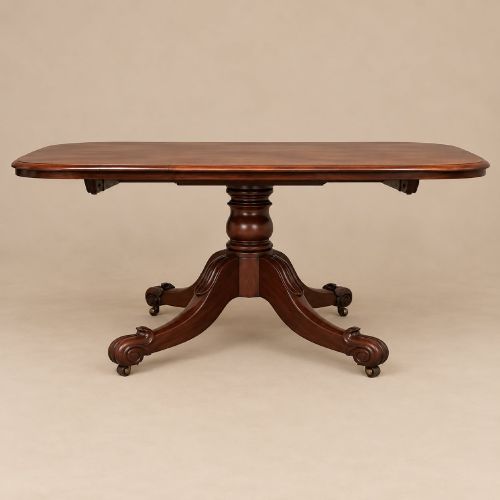
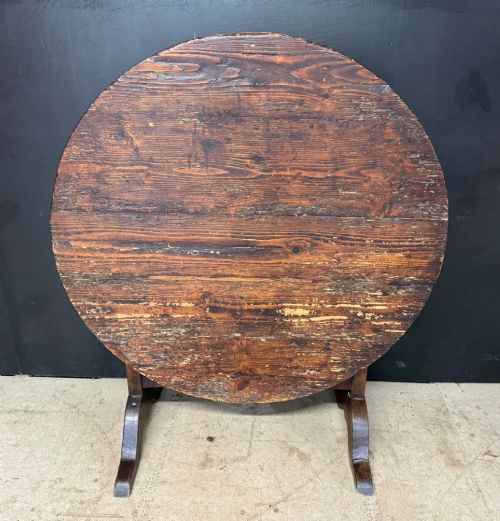
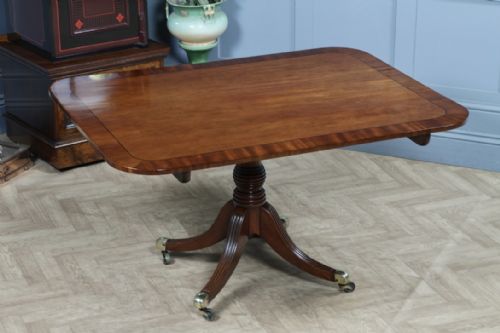
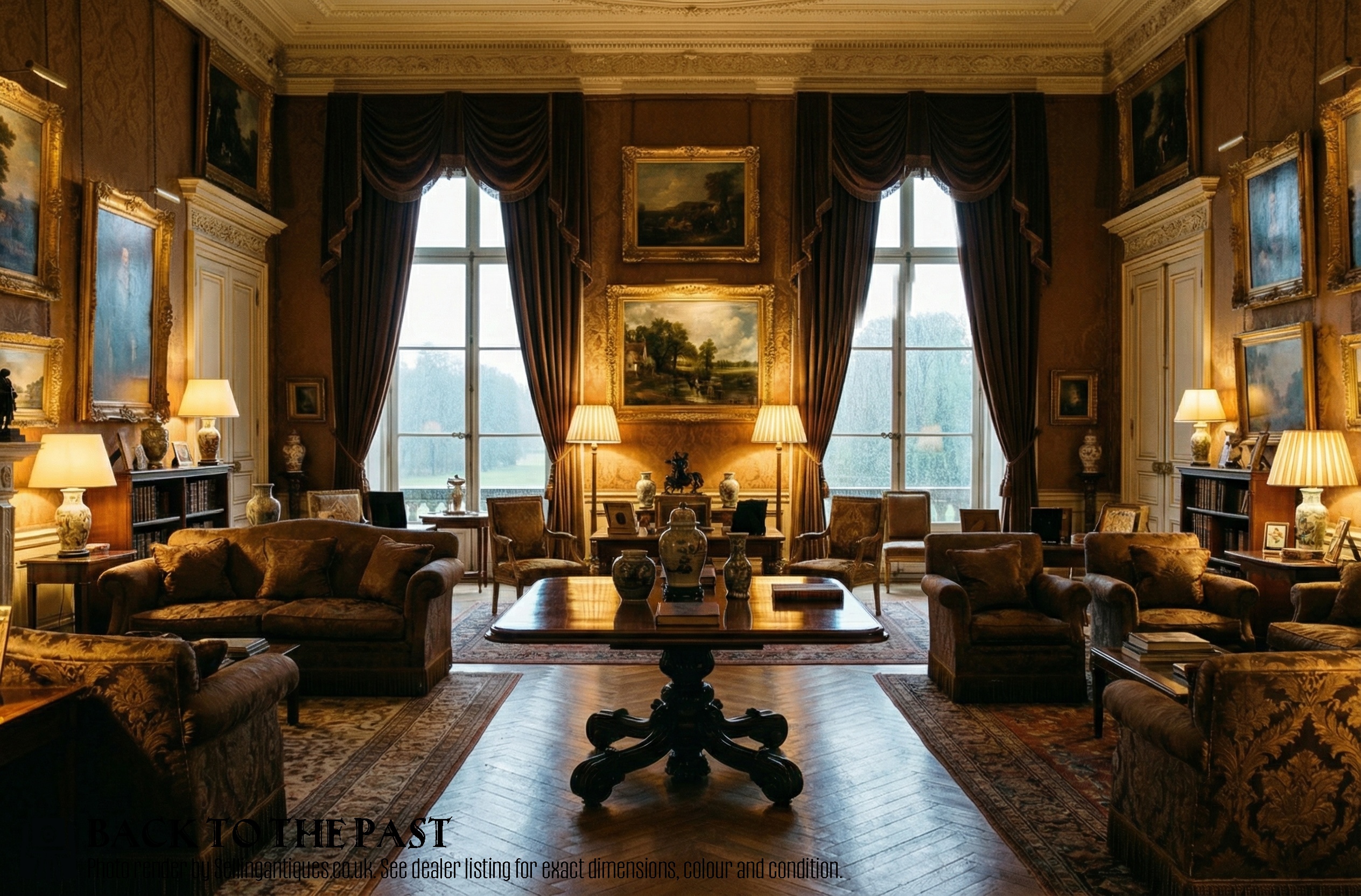
When searching for a 19th century tilt top table, collectors look for versatile folding furniture that combines practical engineering with formal dining or display presence.
19th Century Tilt Top Table
A 19th century tilt top table serves multiple domestic functions, operating as a breakfast table, a wine table, or a centre piece that folds vertically for storage against a wall when not in use.
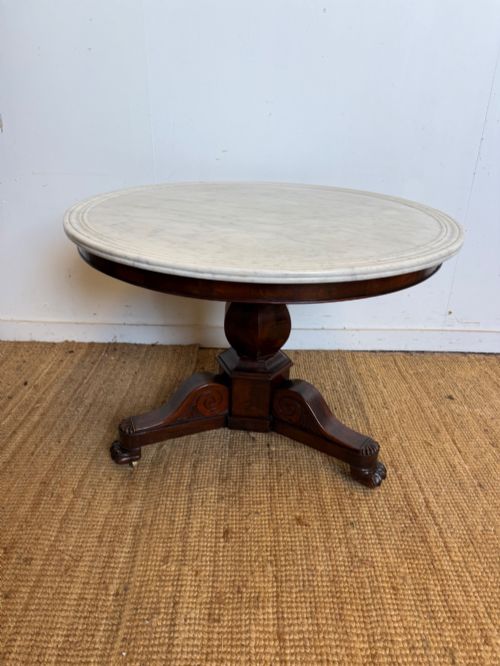
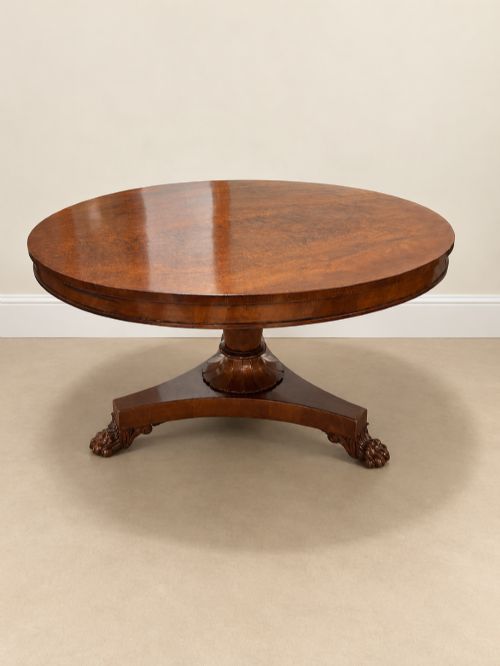
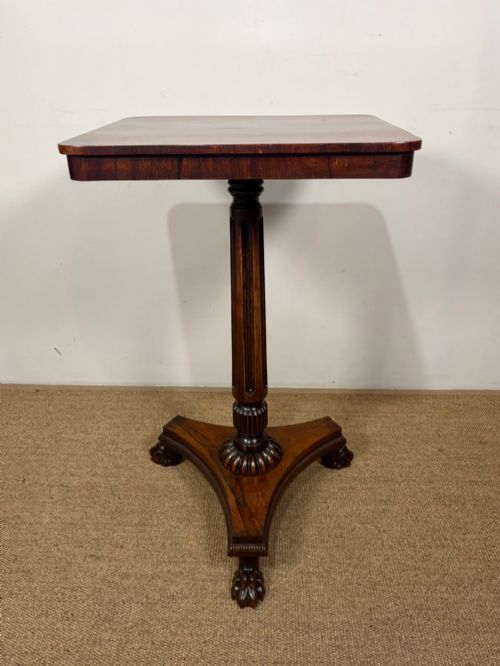
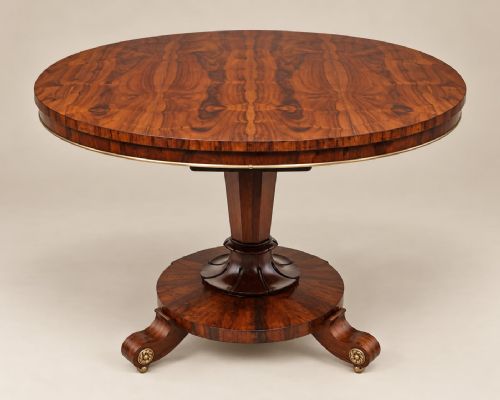
The selections span the Georgian, Regency, William IV, and Victorian periods, manifesting in circular, oval, and square top formats supported by single pedestals, tripod legs, or quadrapod bases.
Makers utilised various scales ranging from small occasional and lamp tables to large dining and loo tables designed to seat several people.
Materials and Construction
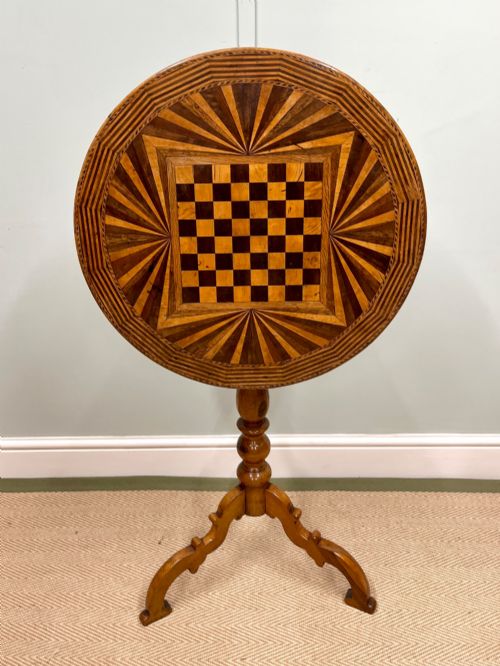
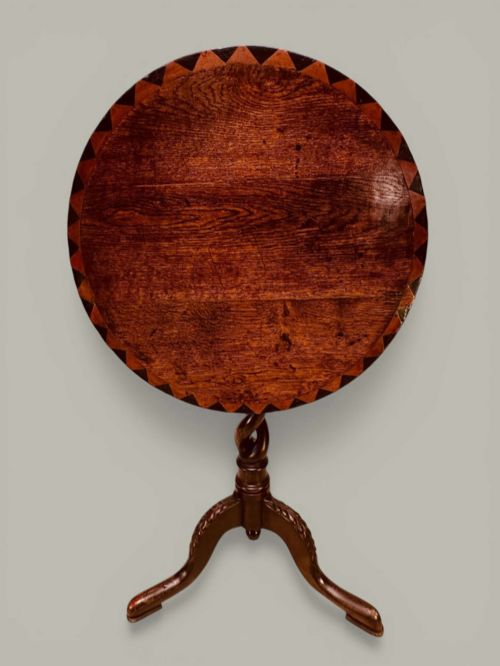
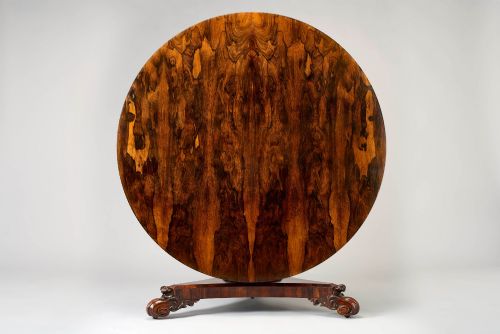
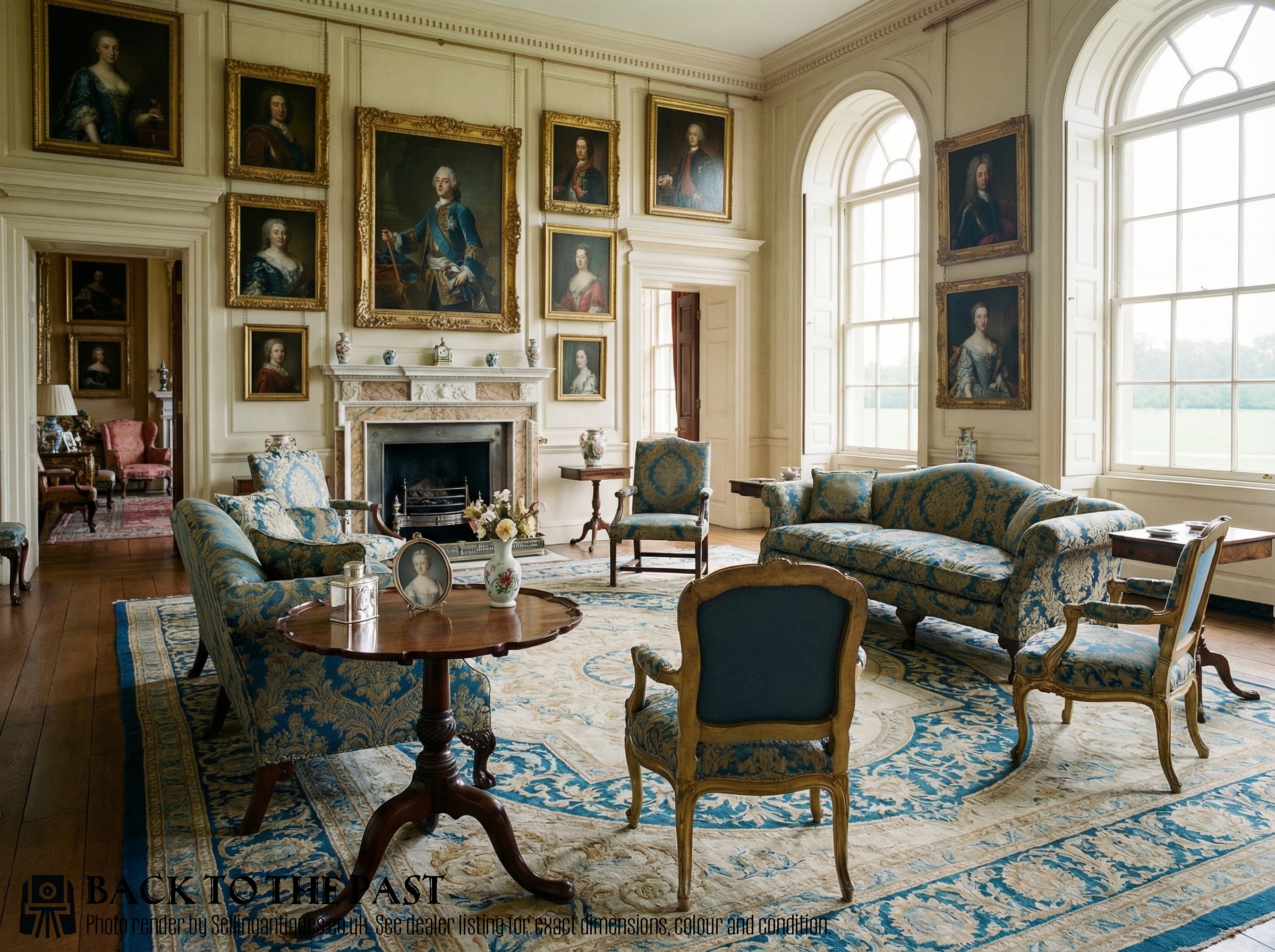
Timbers such as mahogany, rosewood, walnut, burr walnut, oak, fruitwood, and ebony form the primary surfaces, often enhanced by flame veneers, marquetry, parquetry, or parcel gilt detailing.
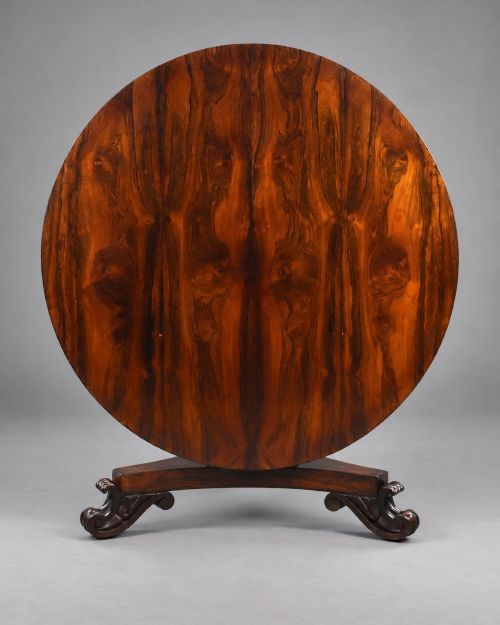
The mechanisms rely on sturdy brass catches, tilting blocks, and pivoting box frames that lock the circular or oval top securely into a horizontal position.
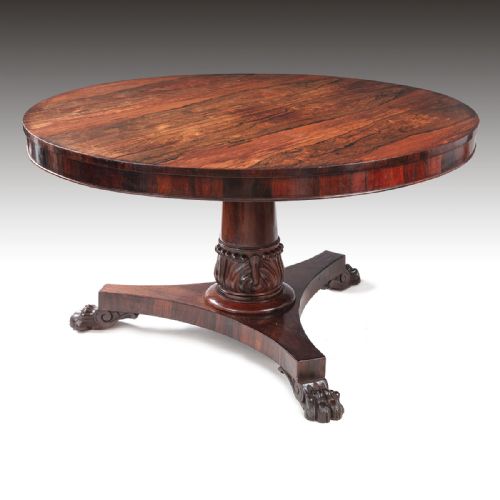
Carved pedestals, turned columns, and tripod or quadrapod spider legs provide the structural balance necessary to support heavy hardwood tops.
19th Century Tilt Top Table Retail Price Guide 2026
Typical asking prices for 19th century tilt top table among the pieces listed under this phrase on Sellingantiques today, from the lower quarter to the upper quarter. They describe what is for sale here now, not the wider market.
Listings feature woods spanning mahogany, rosewood, walnut, burr walnut, oak, ebony, fruitwood, and padauk across various European and colonial workshops.
Craftsmanship and Proportion
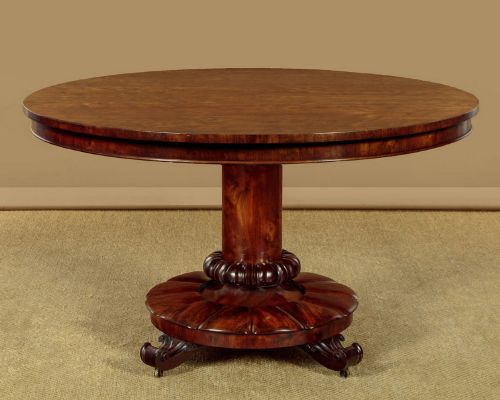
Superior examples display balanced proportions between the top and the pedestal, with finely figured wood grains like flame mahogany or burr walnut selected for the primary surface.
The integrity of the tilt mechanism and the tightness of the joint when locked horizontally indicate the precision of the original joinery.
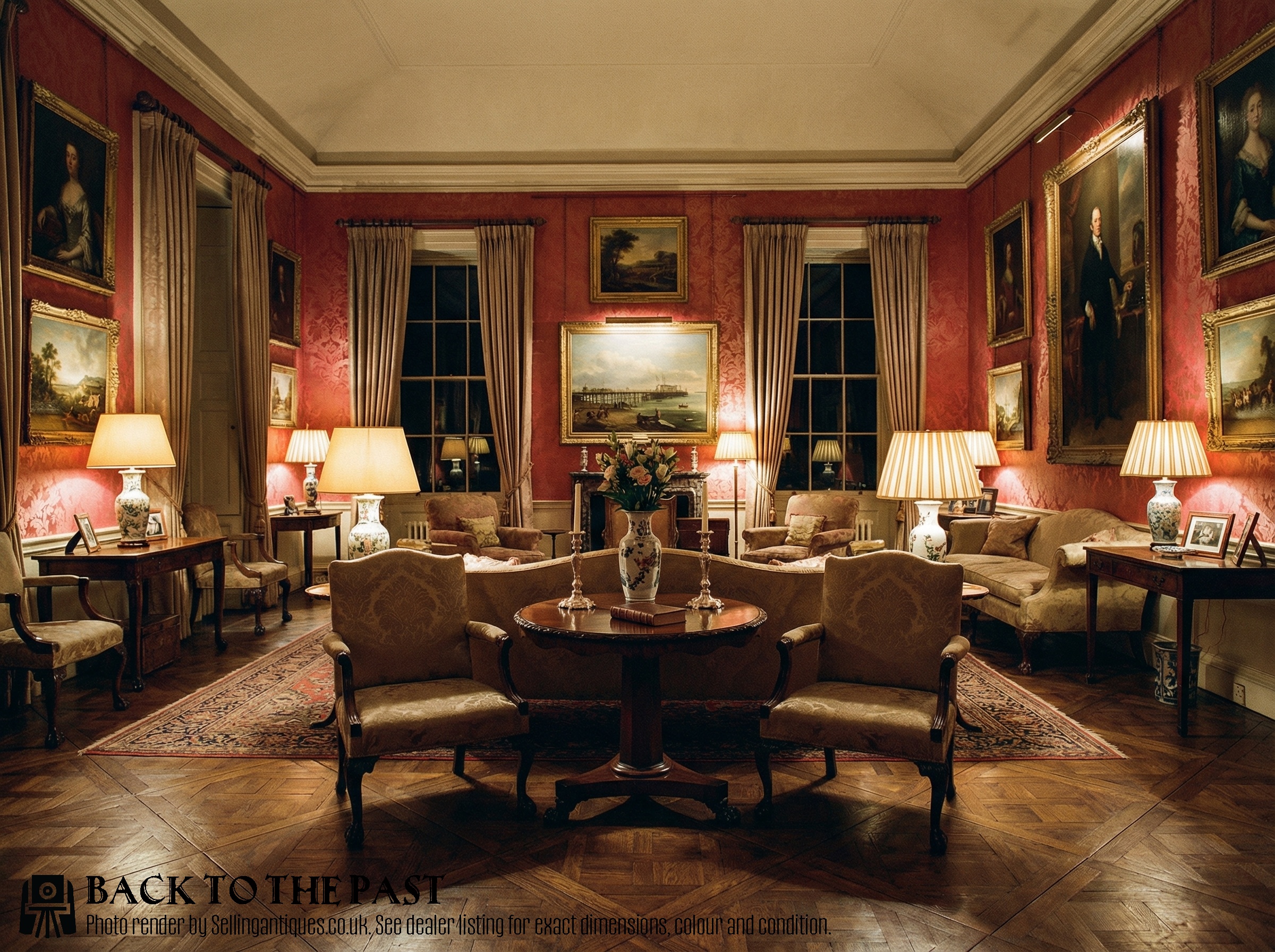
Carving on the knees, pillars, and feet demonstrates the maker's skill, distinguishing standard production items from finely detailed cabinet work.
Edward Holmes Baldock·Gillows
The 19th Century Tilt Top Table Glossary
- Tilt top
- A table design featuring a pivoting mechanism that allows the top to rotate into a vertical position. This saved valuable floor space in nineteenth-century drawing rooms.
- Breakfast table
- A large dining table from the Georgian or Victorian eras used for morning meals. These often feature circular or oval tops on a central pillar.
- Loo table
- A large Victorian card or parlour table designed for the popular nineteenth-century card game of loo. They almost exclusively feature tilting mechanisms.
- Tripod base
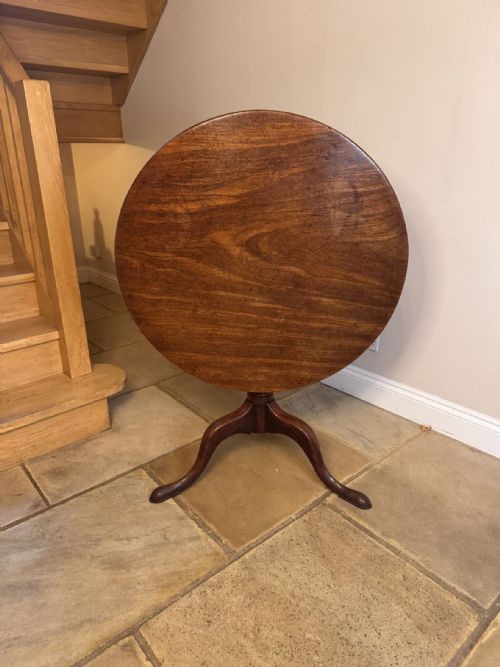
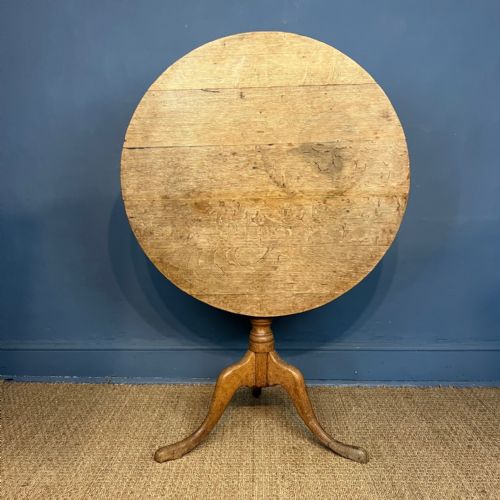
- A support structure utilising three legs radiating from a central column. This design ensures stability on uneven floors.
- Marquetry
- Decorative veneer work arranged in intricate pictorial or geometric patterns using various coloured woods. It creates striking visual contrast on table tops.
19th Century Tilt Top Table: Frequently Asked Questions
What is a tilt top table used for?
These tables functioned as flexible dining surfaces, breakfast tables, or side furniture in nineteenth-century homes. The tilting mechanism allowed owners to store the heavy top flat against the wall.
Smaller versions served as wine tables or occasional stands for lamps and decorative objects. Their dual utility made them essential components of period drawing rooms and parlours.
How do you operate the tilt mechanism?
A brass catch or release pin beneath the top unlocks the pivoting block from the central pedestal column. Once disengaged, the heavy wooden surface rotates upward into a vertical orientation.
Gravity and a secure locking latch keep the top steady in both the flat display position and the upright storage position.
What is the difference between a loo table and a breakfast table?
Loo tables specifically emerged during the Victorian period for playing the card game loo, typically featuring large oval burr walnut or rosewood surfaces. Breakfast tables generally date from the Regency and William IV periods, constructed for morning dining.
Both types share the characteristic tilting mechanism, but their decorative vocabulary reflects the distinct aesthetic preferences of their respective decades.
How can you tell a Regency tilt top table from a Victorian one?
Regency examples frequently utilise clean lines, flame mahogany veneers, brass inlay, and tapered pillar supports influenced by classical antiquity. They project a restrained elegance.
Victorian pieces often display heavier proportions, elaborate carved walnut or rosewood pedestals, quarter-matched burr veneers, and intricate marquetry detailing.