

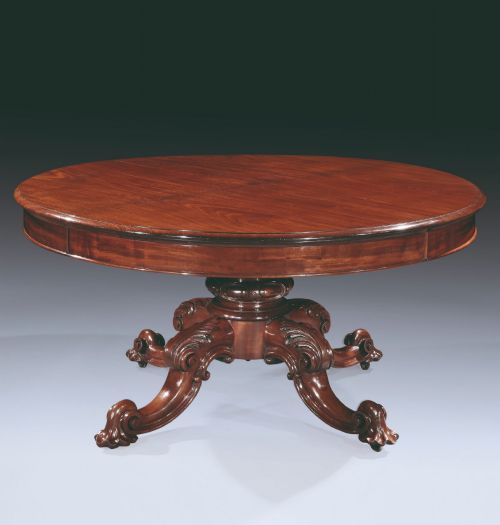
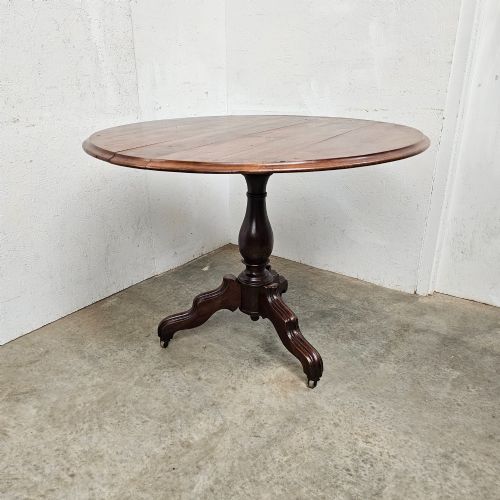
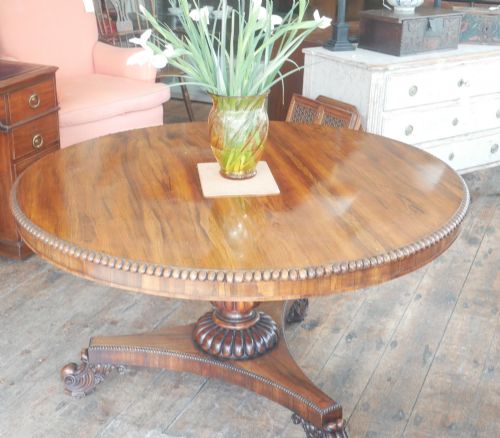
Circular Mahogany Dining Table
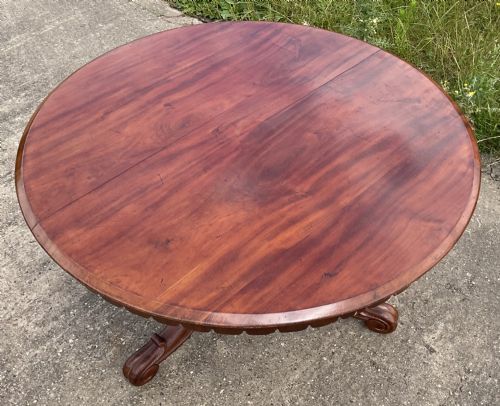
A circular mahogany dining table brings people together over food with grace, combining rich timber and sturdy pedestals.
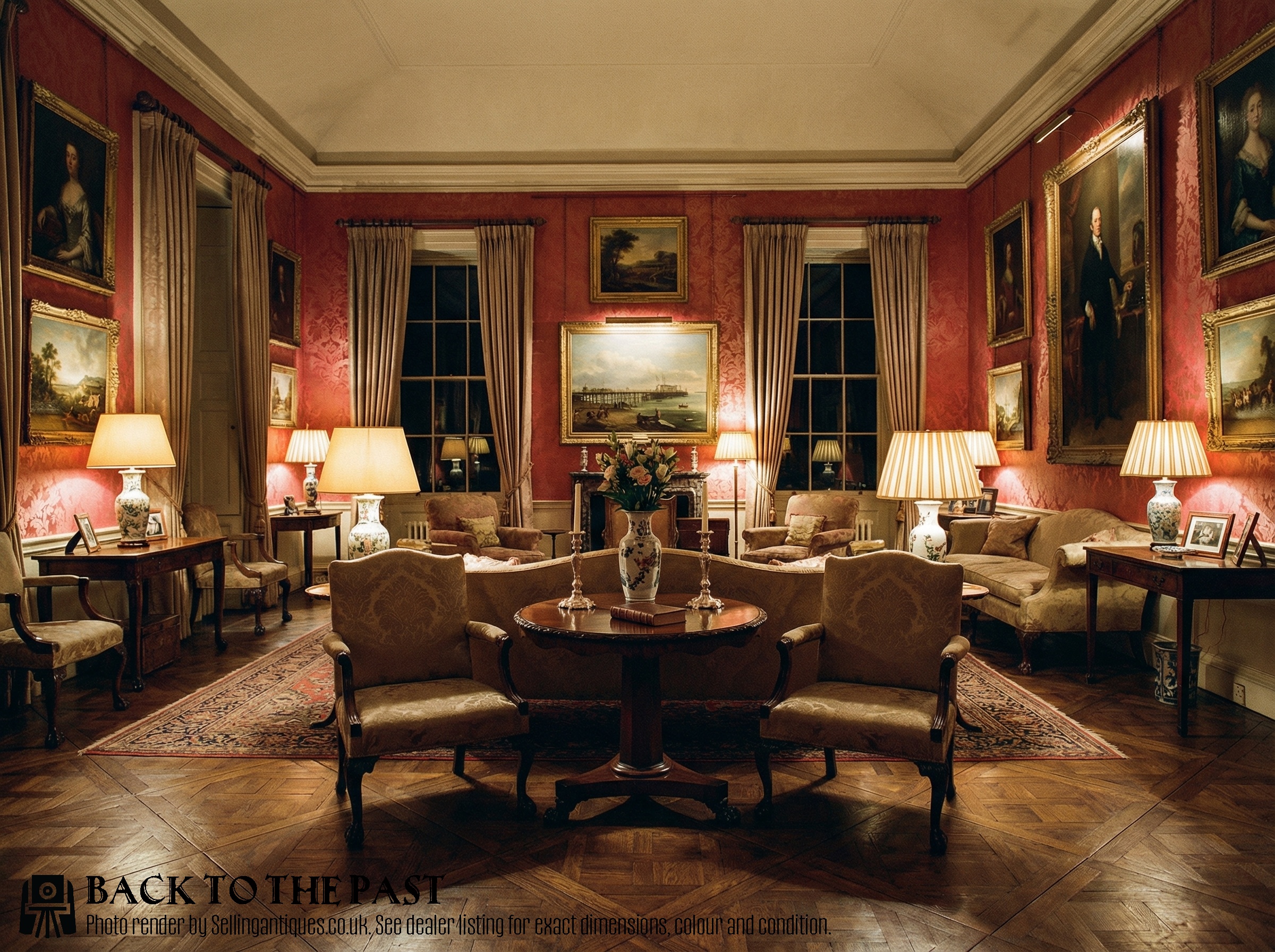
Circular Mahogany Dining Table
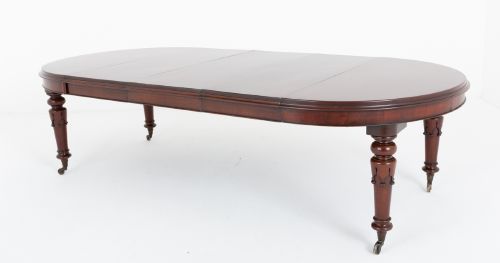
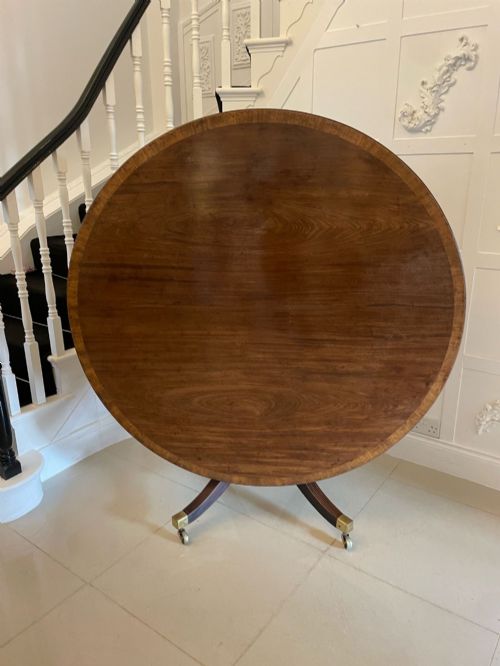
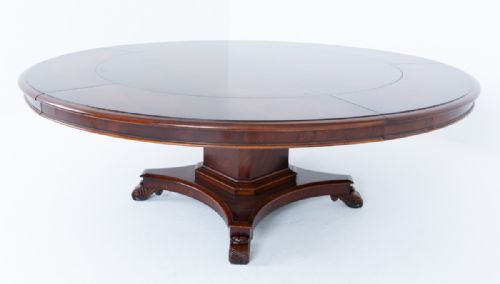
A circular mahogany dining table centres the room, offering an inviting shape for conversation and dining without hard corners. Pieces matching this phrase range from compact breakfast tables to large extending dining tables designed for numerous guests.
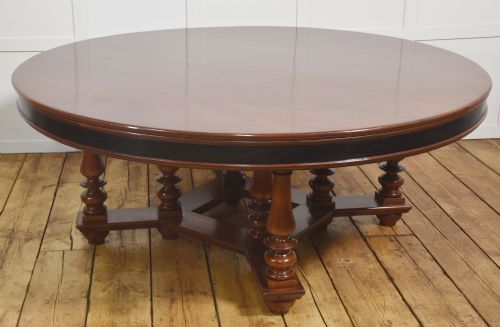
The selection includes examples from the Georgian, Regency, and Victorian periods, alongside specific styles such as William IV and Grand Regency. Makers often utilised pedestals, pillars, and tilt-top mechanisms to support the solid wood or veneered tops.
Most pieces seen here function as dining tables or centre tables, reflecting the versatile domestic roles these items filled across the nineteenth century.

How they were made
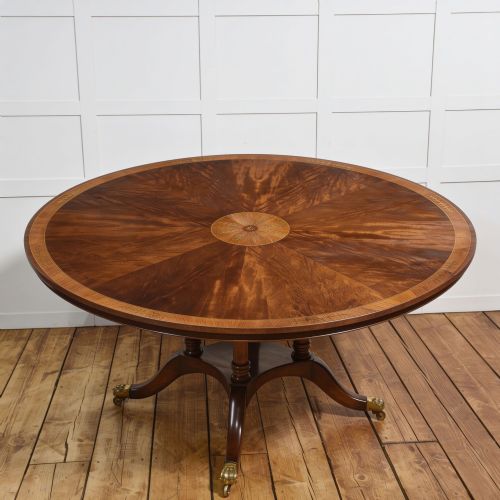
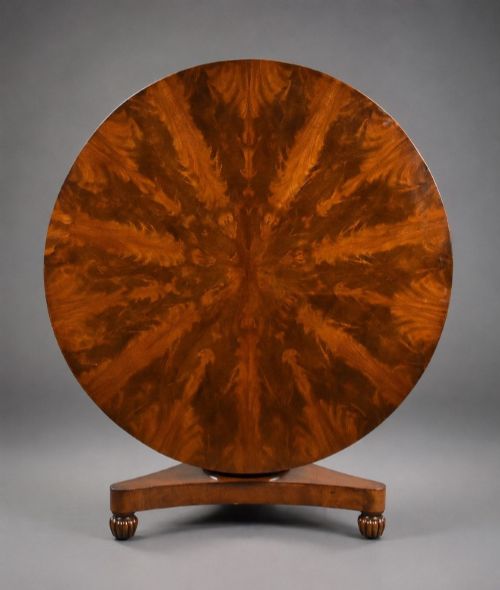
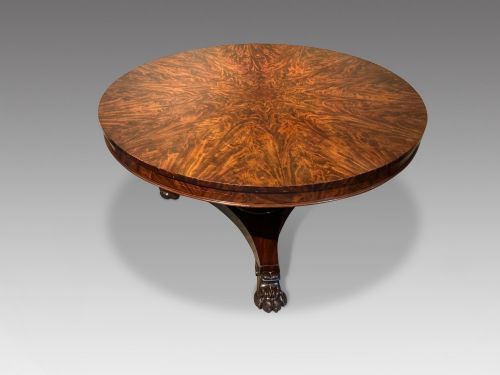
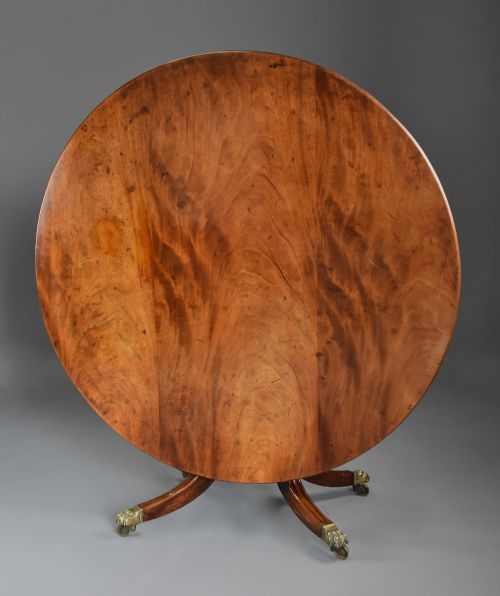
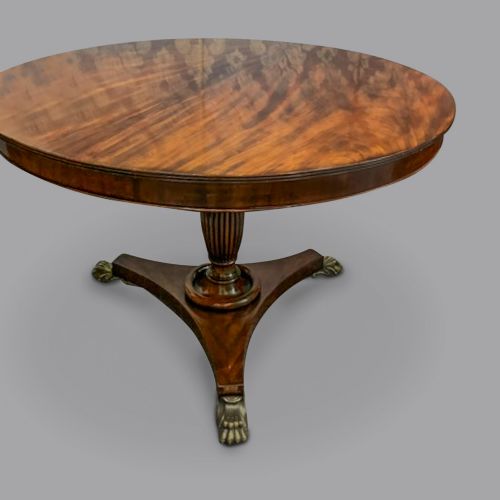
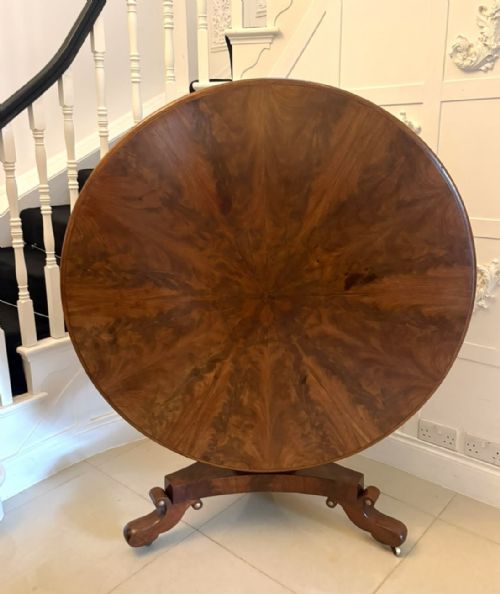
Craftsmen shaped these tables using solid mahogany or applied flame mahogany veneer and satinwood inlay across the circular tops. Brass details occasionally appear on the timber surfaces or bases.
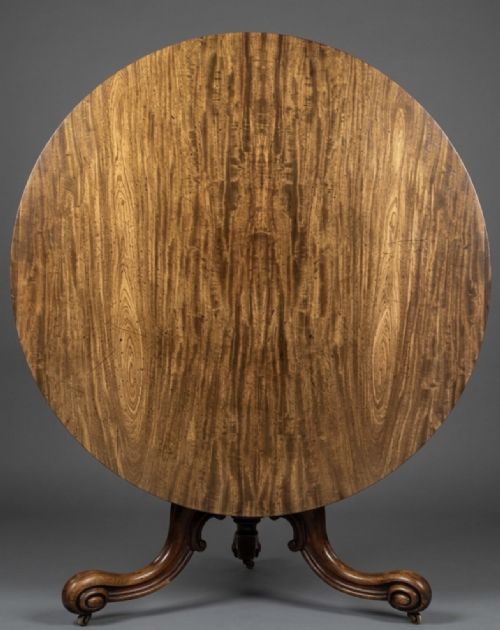
Supports often take the form of an octagonal pillar or a central pedestal base, sometimes fitted with a tilt-top mechanism for convenience when not in use.
Retail Price Guide 2026
Typical UK retail prices for circular mahogany dining table, calculated from the Sellingantiques database of over a million retail prices indexed since 2003. This retail price guide relies exclusively on Sellingantiques data; no external sources or auction records are used, so the figures do not describe the wider market.
The listings span the Georgian, Regency, and Victorian periods, showcasing mahogany, brass, and flame mahogany veneer.
What varies in quality
The visual appeal depends heavily on the grain of the timber, where figured mahogany and cross-banded borders elevate the presence of the piece. Segmented tops and carved pedestal details distinguish more ambitious workshops from standard utilitarian items.
Structural integrity relies on the execution of the central pillar and the stability of the tilt-top mechanism, ensuring the table bears weight evenly across the circular surface.
The Circular Mahogany Dining Table Glossary
- Flame mahogany
- A veneer cut from the fork of the mahogany tree to create a fiery, swirling grain pattern. This decorative treatment appears frequently on high-status dining tables.
- Tilt-top
- A mechanism allowing the circular tabletop to pivot into a vertical position. This clever design lets the table rest flat against a wall when not in use.
- Cross-banding
- A narrow strip of veneer laid around the border of the tabletop with the grain running at right angles to the centre. It provides a neat, framed finish to the mahogany surface.
- Pedestal base
- A central column supporting the weight of the table instead of traditional four legs. This construction allows greater legroom for diners seated around the circle.
Frequently Asked Questions
How do I seat guests around a circular table?
A circular mahogany dining table lacks corners, which naturally encourages conversation and lets you adjust seating distances easily. Many period examples accommodate six to ten diners depending on their diameter.
Extending versions allow you to insert leaves when hosting larger gatherings, returning the table to a compact circle afterwards.
What is a tilt-top table used for?
Tilt-top tables were originally designed to save space in domestic interiors. The mechanism allows the top to fold flat when the room needs to be cleared.
Today, this feature remains a testament to clever nineteenth-century engineering and lets you admire the figured wood grain when the table stands upright.
How do I identify a Regency dining table?
Regency tables often feature bold pedestals, pillar supports, and deep mahogany tones that reflect the classical taste of the early nineteenth century. Look for clean architectural lines and substantial central bases.
Many examples from this era also incorporate brass inlays or subtle reeding on the timber components.
How do I care for a mahogany surface?
Protect the polished wood by using mats under hot dishes and wiping up spills promptly with a soft cloth. Regular dusting preserves the warm glow of the mahogany.
Avoid placing the table in direct sunlight or near heat sources to prevent the timber and veneer from drying out.