

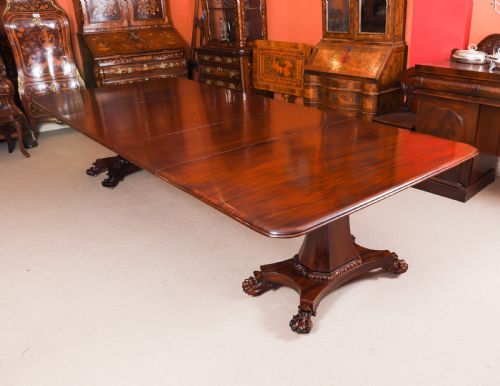
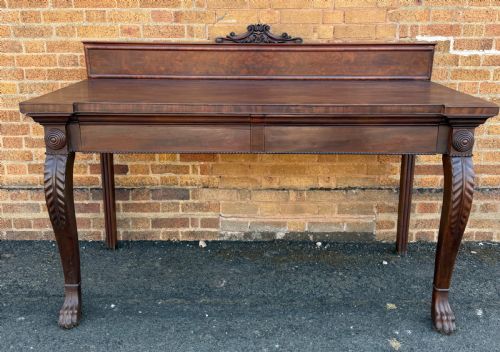
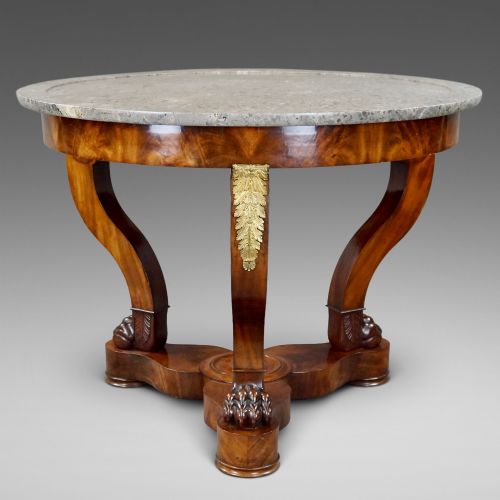
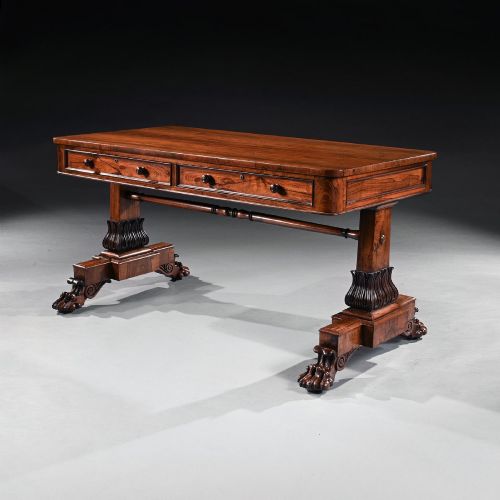
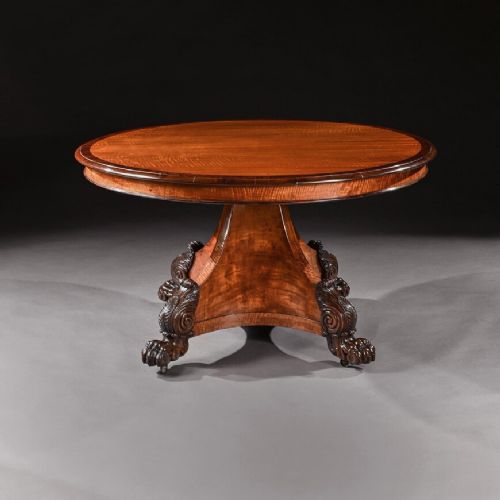
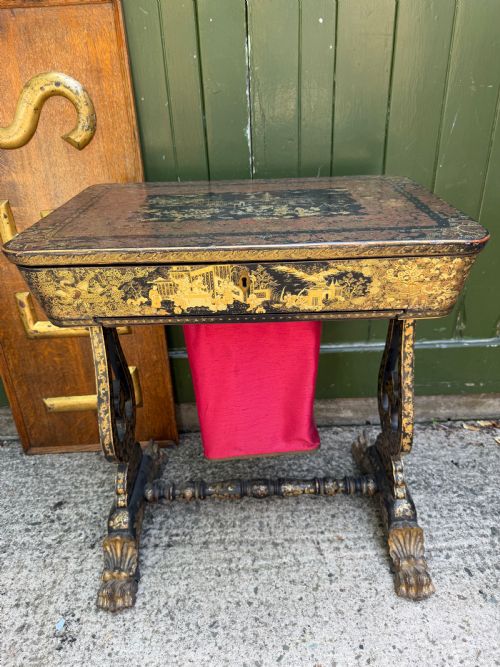
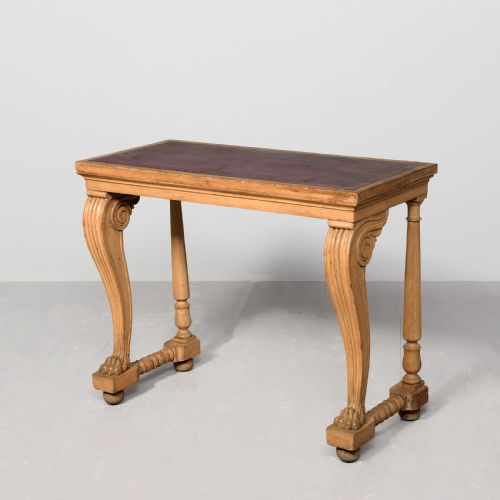
Carved Paw Feet Table
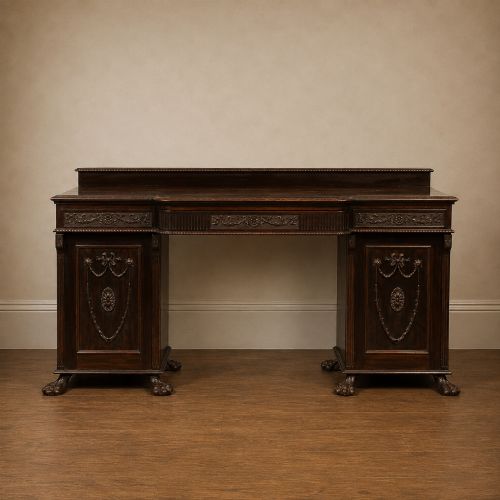
A carved paw feet table grounds a room with sculptural timber and sturdy animal form.
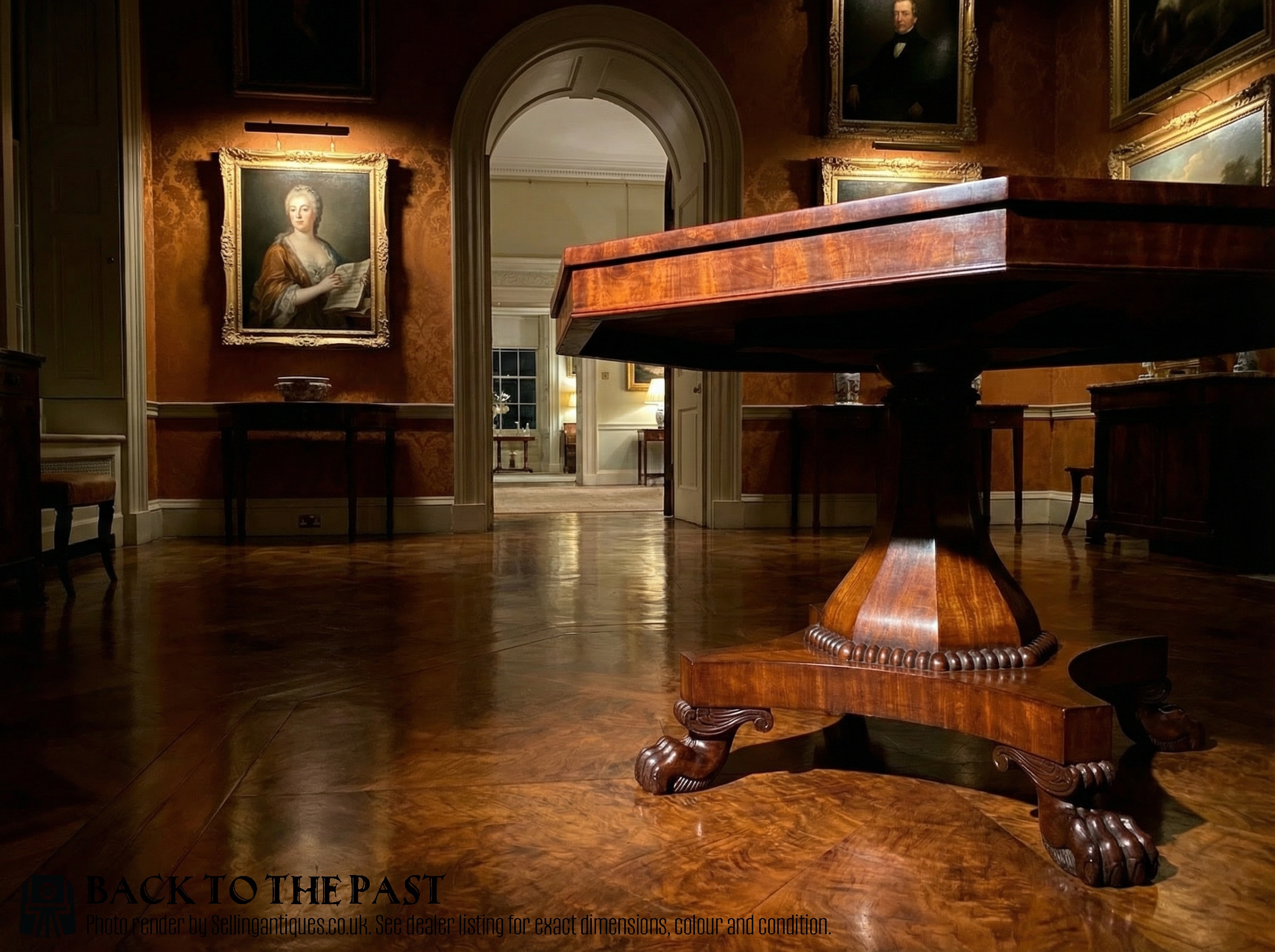
Carved Paw Feet Table
A carved paw feet table anchors dining rooms, libraries, and grand hallways with substantial presence. These pieces emerge primarily from the Georgian, Regency, and William IV periods, extending into Victorian and Edwardian revivals.
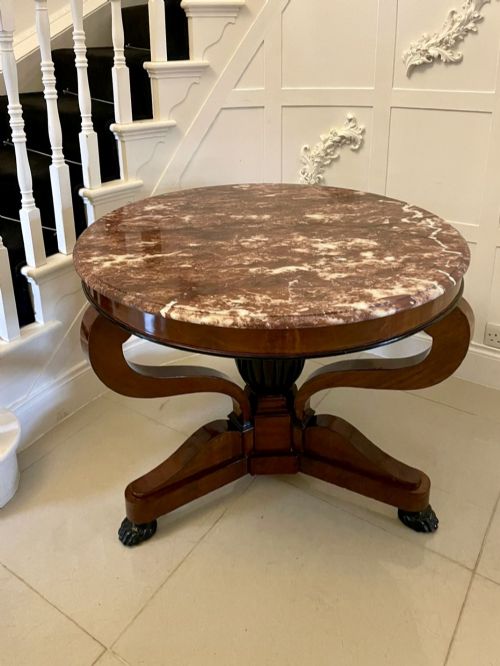
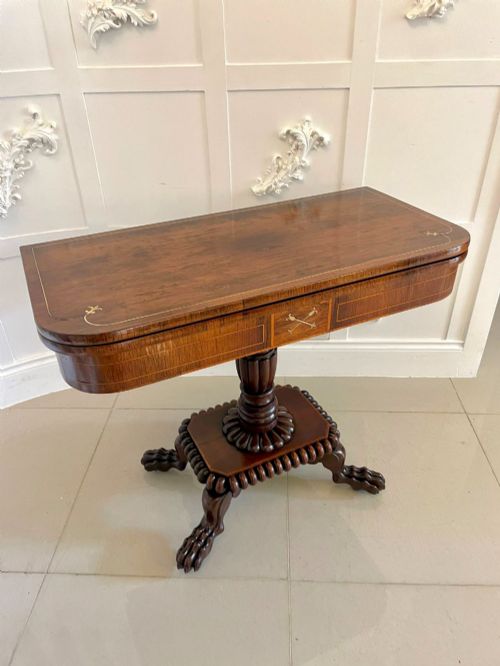
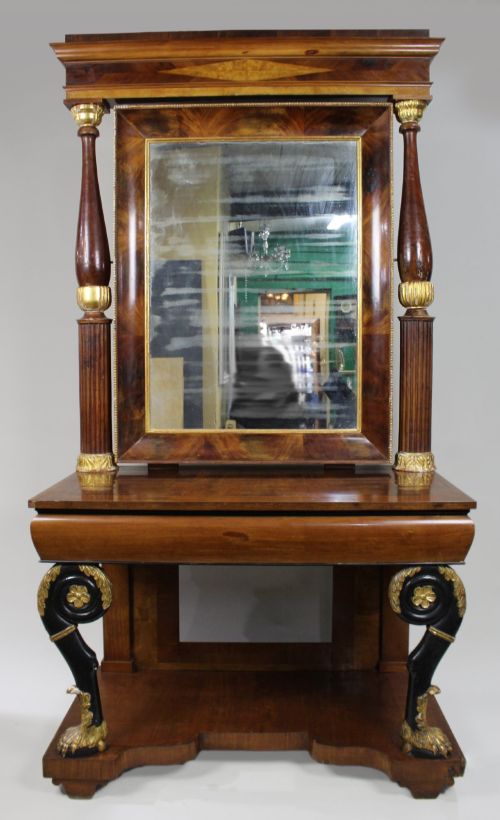
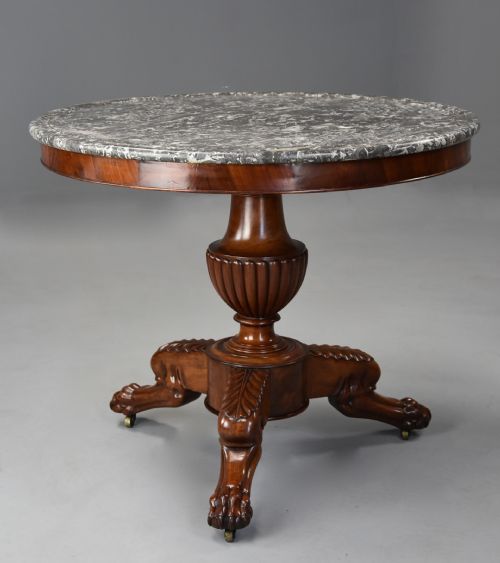
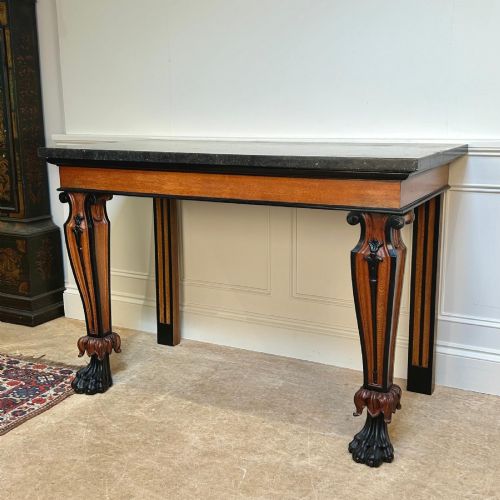
Forms span large extension dining tables, circular breakfast tables, card tables, and console tables. Rosewood and mahogany dominate the selection, often resting upon heavy pedestals or sturdy legs terminating in realistic animal paws.
Makers shaped these tables for formal entertaining, card playing, and display. The search phrase unites diverse functions under the shared detail of carved feet inspired by lion, bear, or mythical beast anatomy.
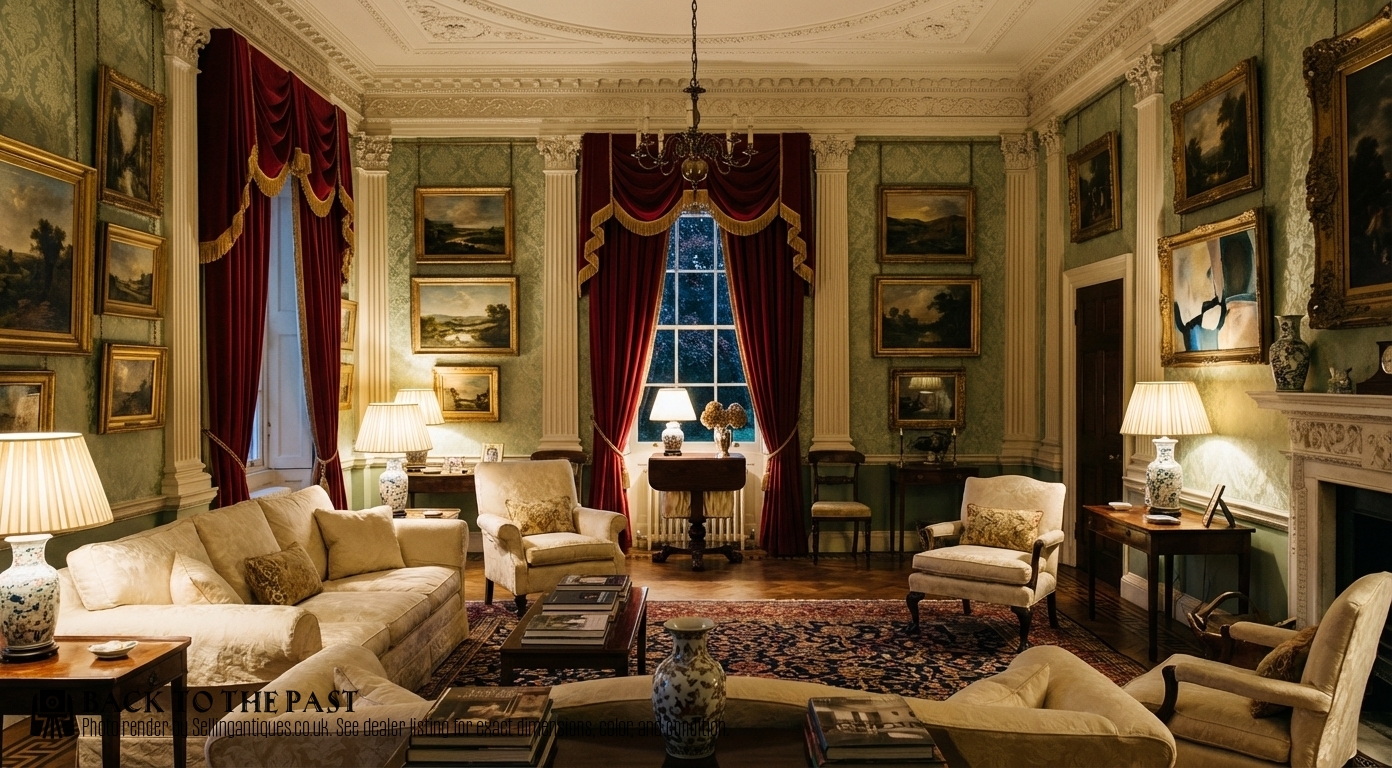
Materials and Construction
Craftsmen built these tables using dense hardwoods like mahogany, rosewood, oak, and satinwood, frequently applying flame mahogany veneer over secondary timbers. Tabletops often incorporate matched veneers arranged in radiating patterns or geometric borders.
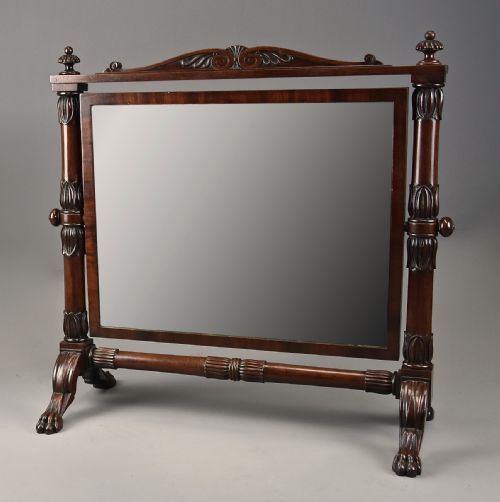
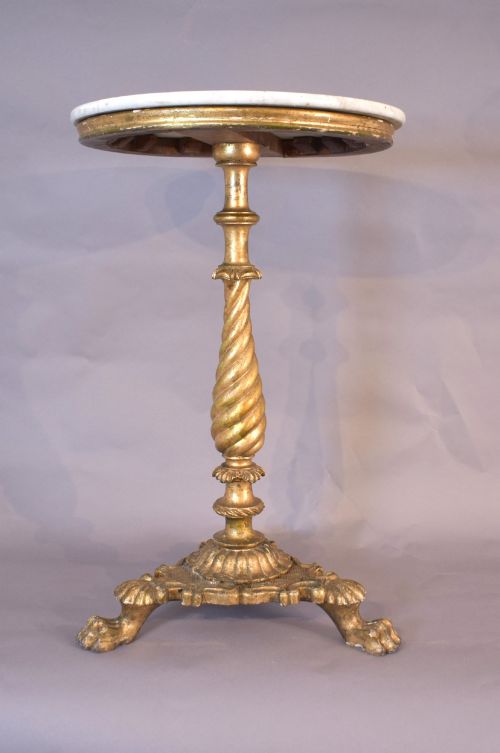
Carvers shaped the paw feet directly from solid timber blocks or attached them to heavy pedestals, triform bases, and cabriole legs. Brass inlay, parcel gilding, and veined marble tops appear alongside traditional joinery and turning.
Carved Paw Feet Table Retail Price Guide 2026
Typical asking prices for carved paw feet table among the pieces listed under this phrase on Sellingantiques today, from the lower quarter to the upper quarter. They describe what is for sale here now, not the wider market.
Distinctions in Quality
Quality rests in the anatomical precision and depth of the carving on the feet, where crisp musculature and articulated claws distinguish superior workshop output from flat, mechanical shaping. The choice of timber also dictates grade, with figured rosewood, birdseye maple, and Cuban mahogany marking out the finest examples.
Proportion and stability separate standard production from masterwork execution. Tables balancing heavy marble tops or expansive dining leaves on balanced pedestals require rigorous structural integrity and considered design.
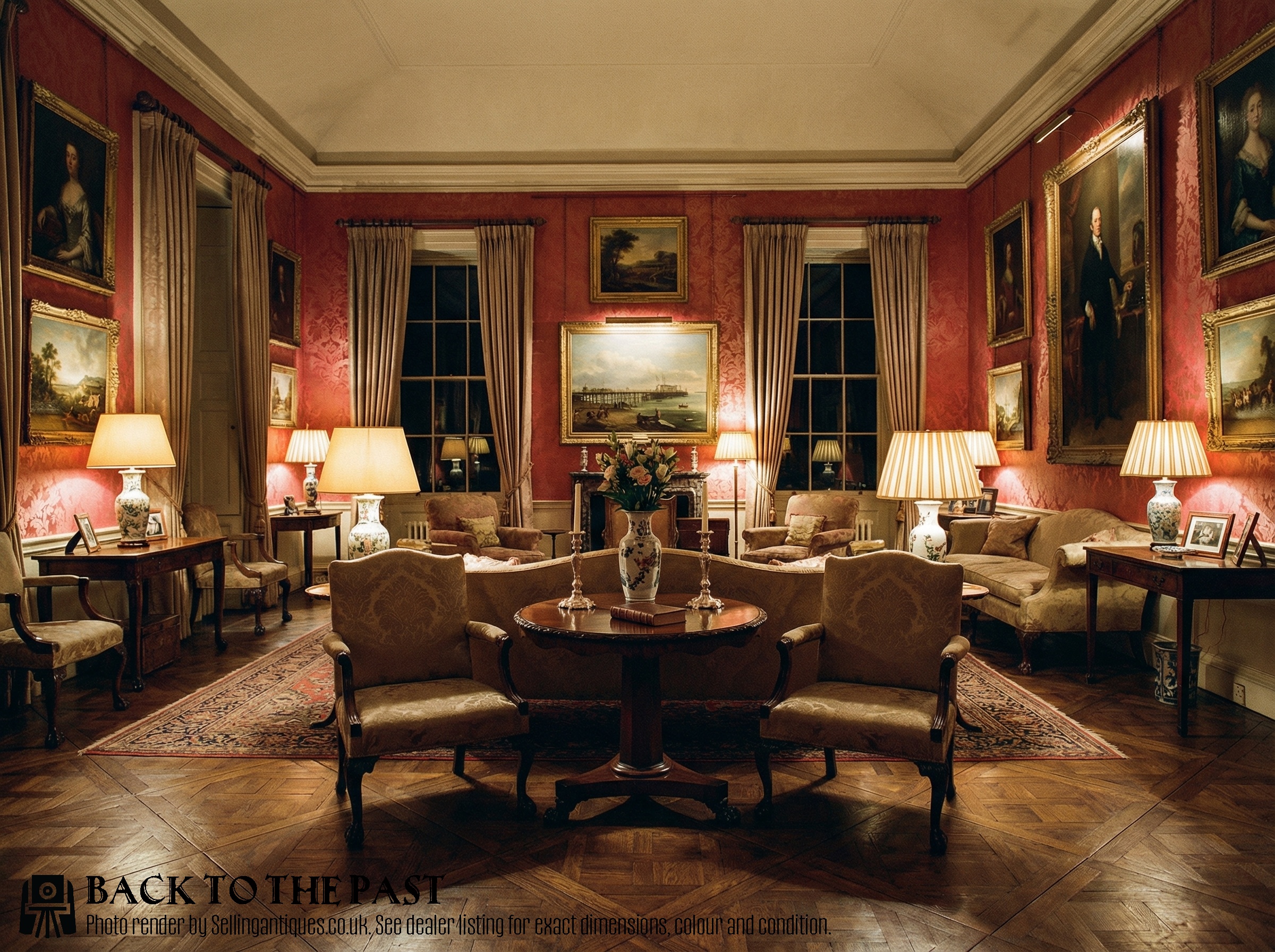
P & MA Nicholson·Peters of Genoa·James Mein of Kelso·Jean-Joseph Chapuis
The Carved Paw Feet Table Glossary
- Paw feet
- Carved furniture terminals shaped to resemble the feet of lions, bears, or mythical beasts. They anchor heavy pedestals and legs on formal tables from the Georgian and Regency eras.
- Gueridon
- A small circular table on a pillar and tripod base, originating in France. These tables frequently feature marble tops and decorative wood veneers.
- Breakfast table
- A tilt-top or fixed pedestal table designed for morning meals or light dining in private chambers. They typically feature circular mahogany or rosewood tops supported by a central pillar.
- Console table
- A wall-mounted or freestanding table designed to stand flat against a surface. Many examples include matching pier mirrors and stone tops.
- Triform base
- A three-sided pedestal base resting upon three distinct feet. This configuration provides stability for heavy circular breakfast and centre tables.
Carved Paw Feet Table: Frequently Asked Questions
What is a carved paw feet table?
A carved paw feet table is a formal piece of antique furniture supported by legs or pedestals ending in sculpted animal paws. These tables date predominantly from the nineteenth century and reflect classical revival styles.
Craftsmen utilised dense hardwoods like mahogany and rosewood to construct these substantial items, incorporating motifs derived from Regency and Victorian design traditions.
How do I date a carved paw feet table?
Dating relies on timber selection, secondary woods, construction methods, and stylistic cues. Regency and Georgian pieces often feature Cuban mahogany or rosewood with hand-cut joinery, while later revival pieces show machine-assisted production.
Examining the carving style of the paws also helps determine age, as Regency carvers focused on muscular realism while later Victorian iterations adopted heavier, stylised forms.
How do I care for rosewood and mahogany?
Maintenance requires keeping antique timber away from direct sunlight and extreme humidity fluctuations to prevent wood splitting and veneer lifting. Regular dusting with a soft, dry cloth preserves the polished surface.
Applying microcrystalline wax periodically nourishes the grain and protects the historic patina without building up harmful residue.